
According to sources, the Chinese government has made significant investments in developing its semiconductor industry, yet it continues to rely on foreign technology to meet its military needs, as highlighted in other reports on latest trends in technology. The urgency of this situation was underscored in recent months as geopolitical tensions have escalated, prompting China to enhance its military modernization efforts. This reliance on foreign technology raises concerns about national security and technological independence.
In 2022, the U.S. government implemented stricter export controls on advanced semiconductor technology, including chips produced by Nvidia. These measures were aimed at limiting China’s access to critical technologies that could bolster its military capabilities. As a result, the Chinese military’s quest for these chips has intensified, reflecting the broader implications of technology in contemporary warfare.
The implications of this ongoing search are significant, not only for U.S.-China relations but also for global technology supply chains. As countries navigate the complexities of technological competition, the race for advanced chips is becoming a focal point of national strategy. The outcomes of these developments may shape the future landscape of military power and technological innovation worldwide.
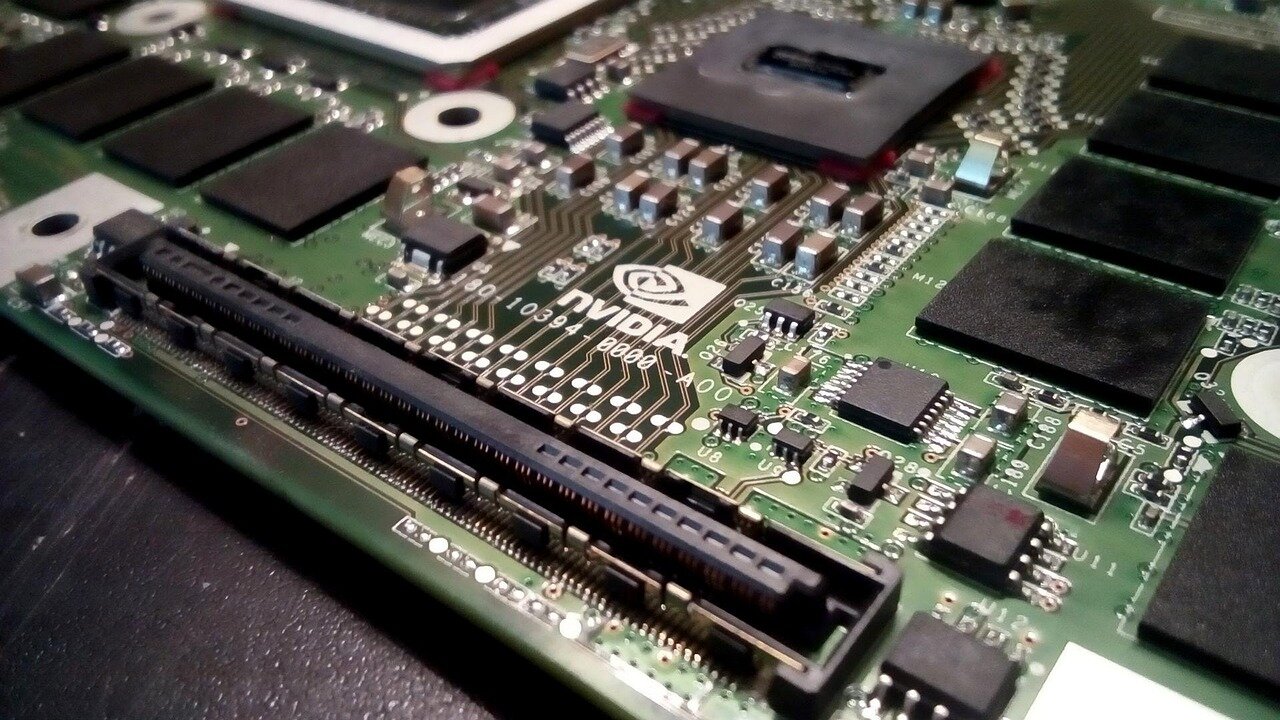
Understanding the significance of Nvidia chips in military applications
Nvidia chips, renowned for their advanced graphics processing capabilities, have become increasingly vital in various sectors, particularly in military applications. These chips are not only essential for high-performance computing but also play a crucial role in artificial intelligence (AI) and machine learning, which are integral to modern warfare strategies. The growing reliance on technology in military operations has led nations to seek the best available resources to enhance their defense capabilities.
In recent years, the Chinese military’s interest in Nvidia chips has intensified, reflecting a broader trend of technological competition between China and the United States, akin to the concerns raised in the powerful A.I. super PACs. This pursuit is rooted in China’s ambition to modernize its military and achieve self-sufficiency in key technologies. The Chinese government has invested heavily in research and development, aiming to reduce dependency on foreign technology while enhancing its military’s operational effectiveness.
The geopolitical landscape has also played a significant role in this context. As tensions between China and the U.S. have escalated, particularly regarding trade and technology, the U.S. government has imposed restrictions on the sale of advanced technology to China. These restrictions have further fueled China’s desire to acquire Nvidia chips, as they are seen as a critical component for advancing military capabilities, including surveillance, drone operations, and cyber warfare.
Key milestones in military technology acquisition
Historically, the acquisition of advanced technology has been a focal point for military enhancement. In the past, various nations have engaged in similar pursuits, often leading to significant advancements in their military capabilities. For instance, during the Cold War, both the U.S. and the Soviet Union invested heavily in technology to gain a strategic edge. The current scenario with China’s military reflects this ongoing trend, as nations recognize that technological superiority can be a decisive factor in modern conflicts.
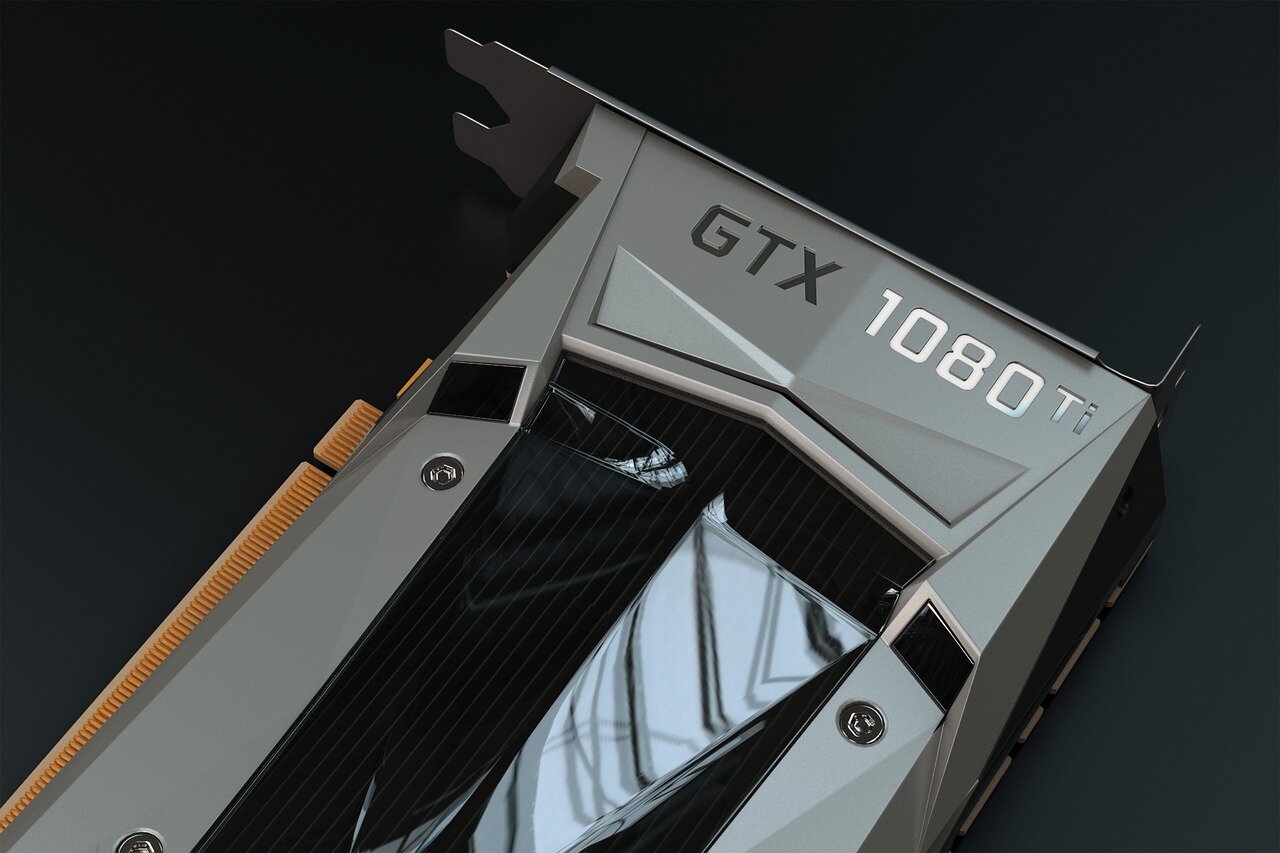
As China continues to seek Nvidia chips, it highlights the intersection of technology, military strategy, and international relations. The implications of this pursuit extend beyond military applications, influencing global supply chains, trade relations, and the future of technological innovation in defense sectors worldwide.
Key stakeholders and the geopolitical implications of chip acquisition
The ongoing pursuit of advanced semiconductor technology, particularly Nvidia chips, by the Chinese military highlights a complex web of stakeholders involved in this high-stakes scenario. Key actors include the Chinese government, Nvidia Corporation, the U.S. government, and various defense and technology sectors globally. Each of these stakeholders has distinct interests that influence their actions and reactions in the context of national security and economic competitiveness.
China’s military seeks access to Nvidia chips to enhance its technological capabilities, particularly in artificial intelligence and military applications. This pursuit reflects China’s broader ambition to achieve technological self-sufficiency and strengthen its military modernization efforts. On the other hand, Nvidia, as a leading producer of high-performance graphics processing units (GPUs), is caught in a dilemma between commercial interests and compliance with international regulations that limit the sale of advanced technology to military entities.
The U.S. government plays a crucial role in regulating the export of sensitive technologies to China. Recent measures have tightened restrictions on the sale of advanced chips to Chinese companies, particularly those linked to the military. This creates a conflict of interest where U.S. companies face pressure to maintain market access while adhering to national security concerns. The geopolitical implications of these actions extend beyond bilateral relations, impacting global supply chains and technological alliances.
- Technological Competition: The race for semiconductor supremacy is a significant aspect of U.S.-China relations, with both nations striving to lead in AI and military technology.
- Legal and Regulatory Frameworks: Export controls and sanctions imposed by the U.S. government create legal challenges for companies like Nvidia, affecting their operational strategies.
- Economic Trade-offs: While restricting chip sales may protect national security, it could also hinder U.S. companies’ growth and innovation potential in the global market.
- International Alliances: The situation may influence other countries’ positions on technology exports to China, leading to a fragmented global tech landscape.
In summary, the interplay between these stakeholders reveals a multifaceted issue where technological ambitions, national security, and economic interests converge, leading to significant implications for global stability and innovation.
Potential impacts on global tech markets and security dynamics
The pursuit of Nvidia chips by the Chinese military highlights a significant intersection between technology and national security. Various groups, including tech companies, governments, and consumers, are likely to feel the repercussions of this ongoing situation. The implications extend beyond immediate business interests to broader geopolitical tensions, particularly in the Asia-Pacific region.
In the short term, industries reliant on advanced semiconductor technology, such as artificial intelligence, data centers, and autonomous vehicles, may experience increased scrutiny and regulatory pressure. Companies engaged in chip manufacturing could face challenges in securing supply chains, leading to potential delays in product development and innovation. Additionally, consumers may notice fluctuations in prices and availability of tech products as manufacturers adjust to new market dynamics.
Mid-term impacts could see a shift in global alliances as countries reassess their technology partnerships. Nations may prioritize domestic production of semiconductors to reduce reliance on foreign suppliers, potentially reshaping the competitive landscape. This could create opportunities for companies in regions like North America and Europe to bolster their semiconductor industries, fostering innovation and job creation.
- Increased regulation: Heightened scrutiny on tech exports and partnerships.
- Supply chain disruptions: Potential delays in product availability.
- Geopolitical shifts: Reassessing alliances and trade agreements.
- Investment opportunities: Growth in domestic semiconductor manufacturing.
Furthermore, the situation poses risks of escalating tensions between the U.S. and China, particularly as both nations vie for technological supremacy. This could lead to a more fragmented global tech market, where companies must navigate complex regulatory environments and national interests. However, it also presents an opportunity for innovation and collaboration among countries seeking to develop cutting-edge technologies independently.
A: The Chinese military seeks Nvidia chips for their advanced processing capabilities, which are crucial for military applications such as AI and data analysis. A: Reports indicate that the Chinese military has been pursuing Nvidia chips for several years, reflecting a long-term strategy to enhance their technological capabilities. A: If successful, the acquisition could shift the balance of power in technology and military capabilities, raising concerns among other nations. A: Global tech companies may face increased scrutiny and pressure regarding their sales to China, impacting their business strategies and market presence. A: Yes, various export controls and regulations are in place to restrict the sale of advanced technology to military entities in China.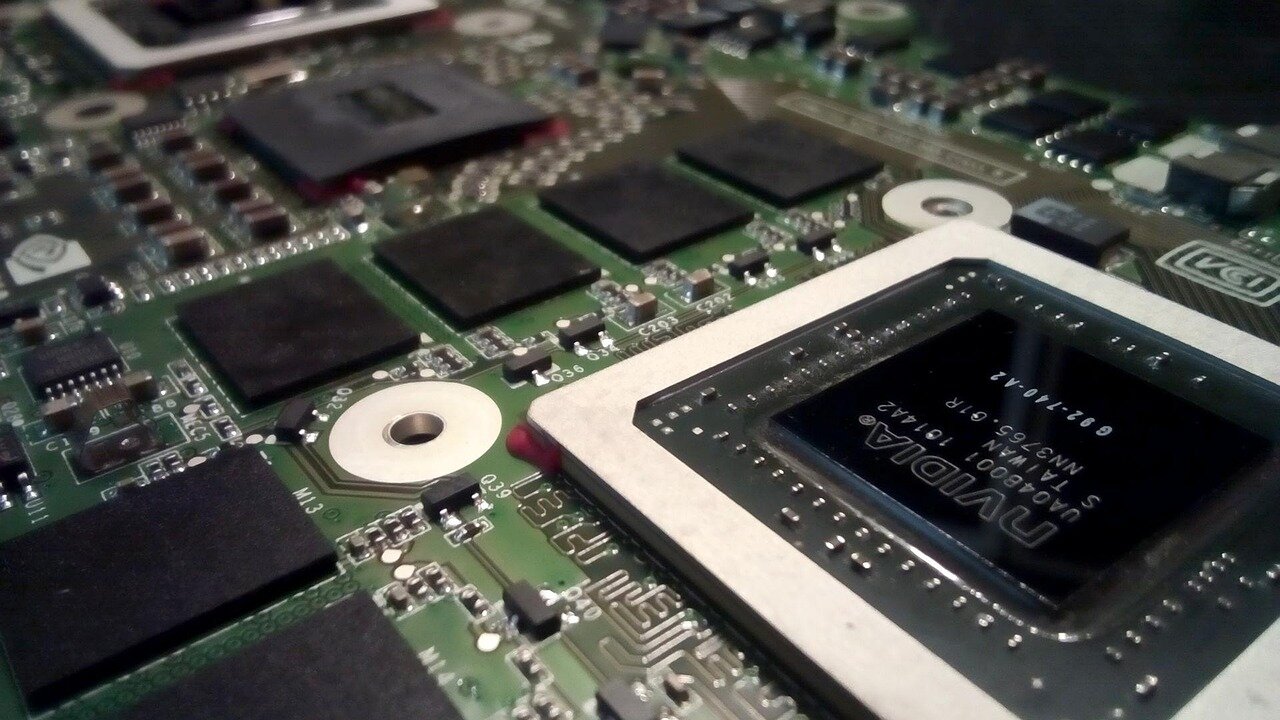
Frequently asked questions about the Nvidia chips situation
Looking ahead: implications of the Chinese military’s chip ambitions
The Chinese military’s long-standing pursuit of advanced Nvidia chips underscores a significant shift in the global technology landscape. As nations increasingly recognize the strategic importance of semiconductor technology, the implications extend beyond mere military applications to encompass economic, geopolitical, and security dimensions. The race for advanced chips is not just about enhancing military capabilities; it reflects broader ambitions to achieve technological self-sufficiency and dominance in critical sectors.
As the global community responds to these developments, monitoring the evolving regulatory environment and potential countermeasures will be crucial. The interplay between technological advancements and national security will likely shape the future of international relations and trade, with countries reassessing their dependencies on foreign technology.
- Increased scrutiny of technology transfers: Governments may implement stricter regulations on the export of advanced technologies to mitigate risks associated with military applications.
- Acceleration of domestic chip production: Countries may prioritize investments in domestic semiconductor manufacturing to reduce reliance on foreign suppliers.
- Heightened geopolitical tensions: The competition for technological supremacy could exacerbate existing tensions between major powers, particularly the U.S. and China.
- Innovation in alternative technologies: The demand for advanced chips may drive innovation in alternative technologies and materials, potentially reshaping the industry.
- Monitoring global supply chains: Companies and governments will need to keep a close eye on supply chains to ensure resilience against potential disruptions stemming from geopolitical conflicts.