
Li Wei’s influence extended beyond social media; he was a vocal critic of traditional education practices in China, advocating for a more student-centered approach. His views often ignited debates about the pressures of the national education system, resonating with many parents and educators who shared his concerns. As a result, his passing has raised questions about the future of educational reform and the voices that will continue to challenge the status quo.
The outpouring of grief on social media highlights the significant impact Li had on a generation of learners and educators. Hashtags commemorating his contributions have trended across platforms, with thousands sharing personal stories of how his work inspired them. His death has not only left a void in the education sector but has also sparked discussions about the importance of mental health and well-being among educators and students alike.
In the wake of this tragedy, various educational organizations and influencers are calling for a reevaluation of the pressures facing students and teachers in China. As the nation reflects on Li Wei’s legacy, many are hopeful that his passing will serve as a catalyst for meaningful dialogue and change within the education system. The collective mourning signifies not just the loss of an individual but also the potential for a renewed focus on the values he championed.
Understanding the background of the education influencer
The sudden death of a controversial education influencer in China has sparked widespread mourning and reflection on the complexities of the educational landscape in the country. This influencer, known for their unorthodox teaching methods and outspoken views on the education system, became a symbol of both hope and contention among students and parents alike. Their passing has reignited discussions about the pressures faced by educators and the evolving expectations of students in a rapidly changing society.
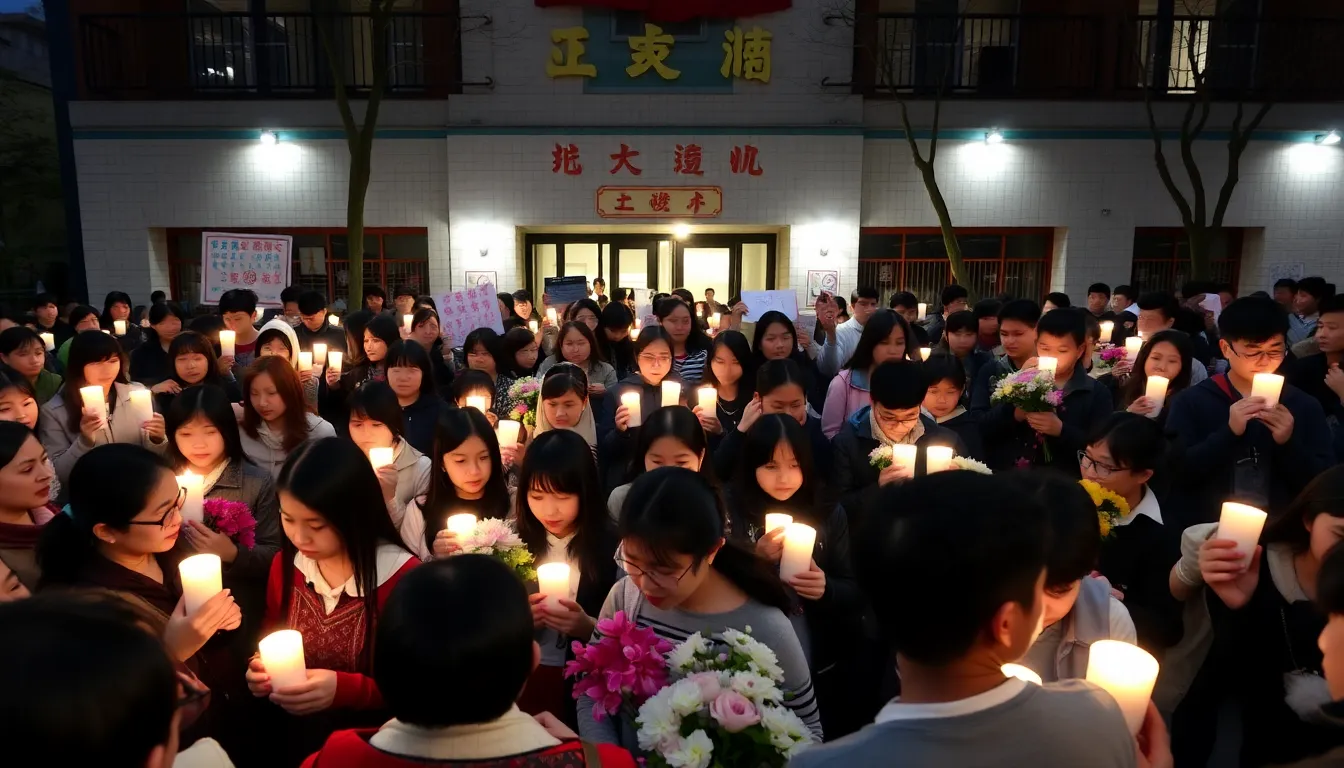
Historically, China’s education system has undergone significant transformations, particularly since the economic reforms of the late 20th century. The shift from a rigid, examination-focused approach to a more diversified educational framework has created opportunities for innovative teaching methods. However, this transition has also led to increased competition and stress among students, prompting the rise of influencers who advocate for alternative educational philosophies.
In recent years, the Chinese government has implemented a series of regulations aimed at curbing the influence of private tutoring and educational influencers, citing concerns over the mental health of students and the widening educational gap. These measures have led to a contentious environment where influencers, like the one who has recently passed away, have played a pivotal role in shaping public opinion and challenging traditional norms. Their ability to resonate with the younger generation has made them both popular and polarizing figures.
The rise of educational influencers in China
The phenomenon of educational influencers in China can be traced back to the increasing reliance on social media platforms for information and guidance. Influencers have leveraged these platforms to share unconventional teaching methods, personal experiences, and motivational content, appealing to a generation that seeks authenticity and relatability. As these influencers gained prominence, they often found themselves at odds with the established educational authorities, leading to a complex relationship characterized by both admiration and scrutiny.
Examining the controversies surrounding his educational philosophies
The death of the controversial education influencer has triggered a wave of reactions from various stakeholders, including educators, parents, and government officials. Each group holds distinct interests that highlight the complexities of his educational philosophies and the implications of his sudden passing.
One of the primary actors in this scenario is the Chinese government, which has been known to regulate educational content and methodologies. The government is interested in maintaining control over the educational narrative and ensuring that it aligns with state ideologies. The influencer’s unorthodox methods challenged traditional views, creating tension between his followers and government policies.
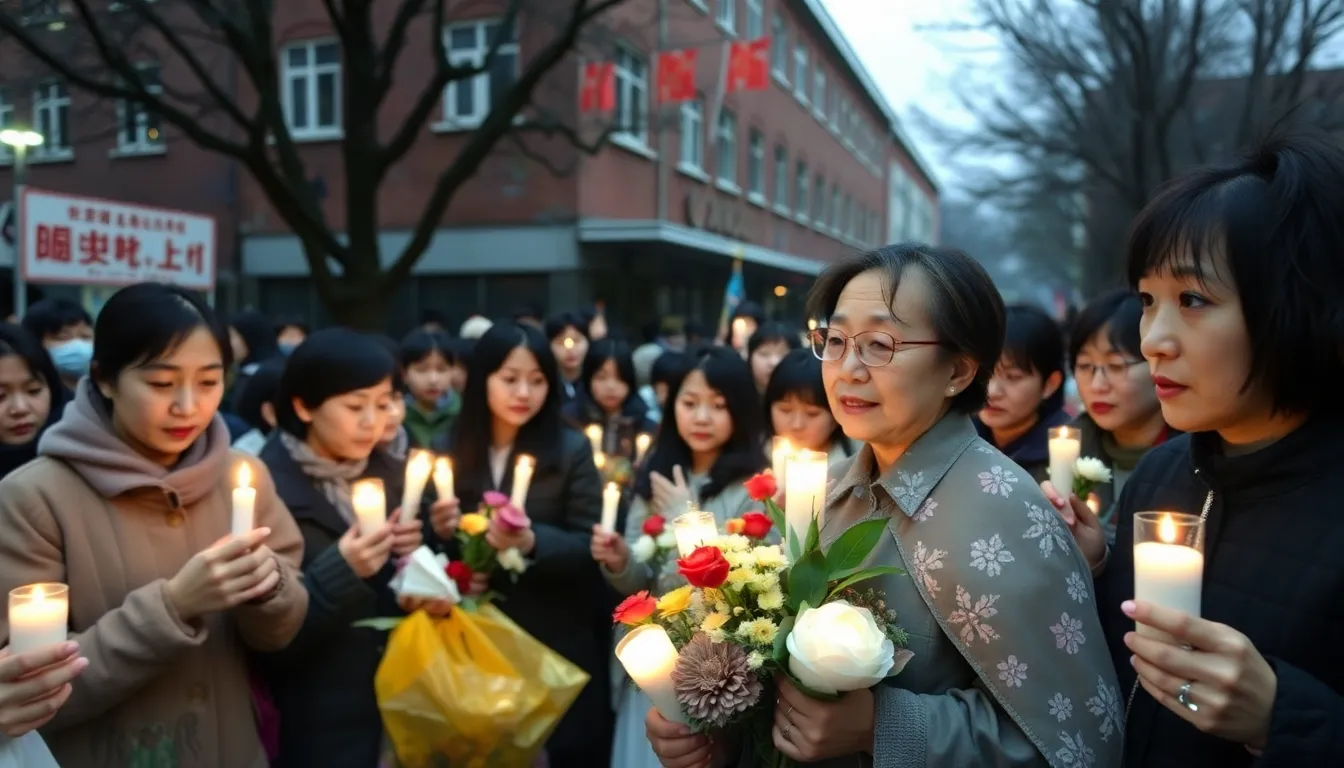
Parents and students represent another significant group affected by his teachings. Many parents embraced his innovative approaches, which often emphasized critical thinking and creativity over rote memorization. This divergence from conventional educational practices sparked debates about the effectiveness and appropriateness of his methods in the context of the highly competitive Chinese education system, reminiscent of the discussions surrounding influence in other fields.
- Conflicts with traditional educators: His philosophies often clashed with established educators who viewed his methods as undermining the integrity of the educational system.
- Economic implications: The rise of alternative educational models inspired by his teachings could disrupt the traditional tutoring industry, which relies heavily on standardized testing.
- Legal ramifications: His approach raised questions about the legality of educational content that diverges from government-approved curricula.
As the nation mourns his passing, the ongoing debates surrounding his influence will likely intensify. The conflicting interests of stakeholders will shape the future of education in China and determine how his legacy is interpreted in both public and academic spheres.
The impact of his death on students and the education community
The sudden death of the controversial education influencer has left a significant void in the educational landscape of China. Students, parents, and educators who followed his teachings and strategies are now grappling with the loss of a figure who shaped their understanding of learning and personal development. The immediate impact is felt most acutely among high school students preparing for college entrance exams, who relied on his guidance to navigate the pressures of academic achievement.
In the short term, educational institutions may experience a disruption in engagement as students seek alternative resources and influencers to fill the gap left by his absence. This shift could lead to a temporary decline in motivation among students who were heavily influenced by his methods. Additionally, social media platforms and online education forums may see an influx of discussions and tributes, further highlighting the emotional impact of his death on the community.
In the mid-term, the education sector could undergo significant changes as schools and tutoring centers reassess their curricula and teaching methodologies. There is a risk that some institutions may attempt to capitalize on his death by promoting their own programs as alternatives, leading to increased competition in the education market. However, this situation also presents opportunities for new voices and innovative educational approaches to emerge, potentially reshaping the landscape for future generations.
- Students: Loss of a mentor figure may lead to decreased motivation and uncertainty.
- Educators: Potential reevaluation of teaching methods and curricula.
- Businesses: Increased competition among educational resources and platforms.
- Policy Makers: Opportunity to address educational reforms and mental health support.
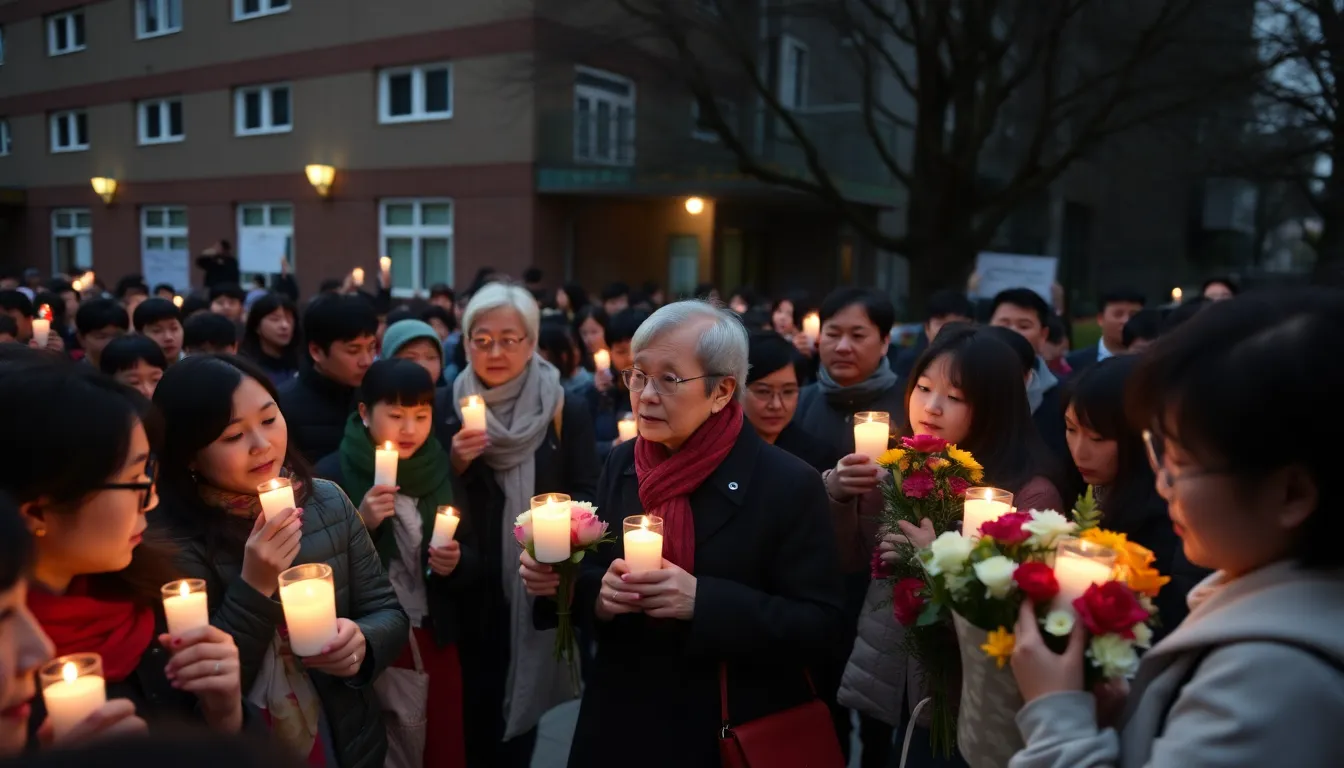
Regions with a high concentration of students and educational institutions will likely feel the impact more intensely, as communities come together to mourn and reflect on the legacy of the influencer. The emotional response could lead to a collective push for change within the education system, focusing on holistic approaches that consider both academic success and mental well-being.
A: The influencer was a well-known figure in China’s education sector, recognized for his innovative teaching methods and controversial opinions on traditional education practices. A: His views often challenged conventional educational norms, leading to both strong support and significant criticism from educators and parents alike. A: Many are expressing their grief online, while others are reflecting on the impact of his ideas on the educational landscape in China. A: His legacy is complex, marked by both his contributions to educational reform and the debates his ideas sparked among stakeholders. A: It remains to be seen, but his passing may prompt discussions on educational reform and the future direction of teaching methodologies.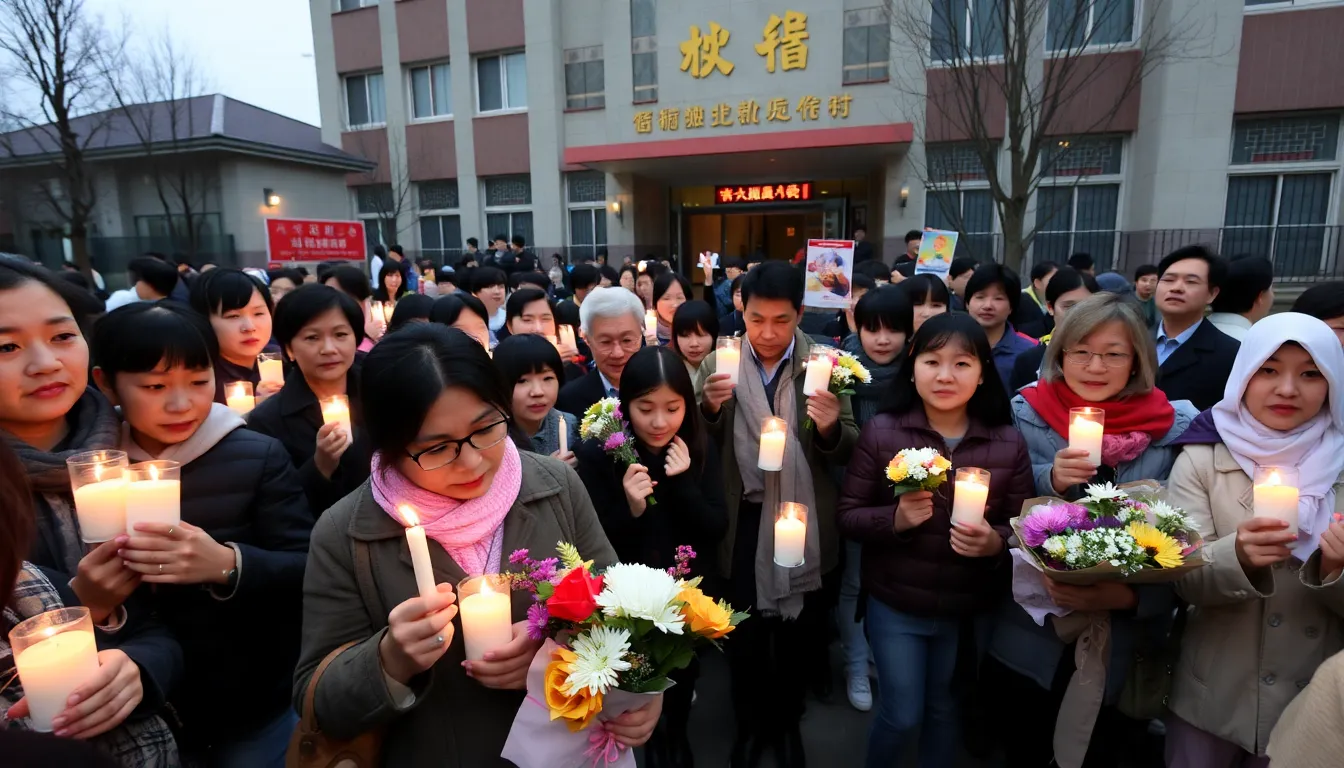
Frequently asked questions about the influencer and his legacy
Key takeaways and future implications for education in China
The sudden passing of the controversial education influencer has left a significant void in the landscape of Chinese education. His influence on both students and parents has sparked a broader conversation about the pressures within the educational system and the role of public figures in shaping educational discourse. As the nation reflects on his legacy, it is essential to consider how this event may influence future educational policies and societal attitudes towards learning.
In the wake of this tragedy, stakeholders in the education sector, including policymakers, educators, and parents, must navigate the evolving landscape. The emphasis on mental health, the balance of academic rigor, and the need for diverse educational perspectives are likely to gain prominence in discussions moving forward.
- The potential shift towards prioritizing mental health resources in schools may become a focal point for educational reform.
- Increased scrutiny of the role of education influencers and their impact on public perception could lead to more regulated practices.
- There may be a growing demand for alternative educational methodologies that emphasize holistic development over traditional metrics of success.
- Engagement from parents and communities in educational decision-making could increase as a response to the current emotional climate.