
Provinces such as Sichuan and Yunnan have been particularly hard hit, with roads submerged and homes damaged. Emergency response teams have been deployed to assist affected communities, providing necessary resources and support. For more on similar disasters, see our article on Understanding the Ebola Risk in Akobo, South Sudan. Local authorities are urging residents to evacuate high-risk areas as the situation continues to evolve.
The impact of this severe weather extends beyond immediate safety concerns. Agricultural sectors are facing potential losses, with crops being washed away and livestock affected. Furthermore, the flooding has disrupted transportation networks, complicating relief efforts and access to essential services, indicating the need for improved infrastructure to better withstand such events.

As the rain is forecasted to continue in the coming days, the risk of further landslides remains high. Experts are monitoring the situation closely, emphasizing the importance of preparedness and community resilience in the face of such natural disasters. The ongoing events highlight the growing challenges posed by climate change and the need for effective disaster management strategies.
Understanding the climatic conditions leading to the disaster
China has long been susceptible to extreme weather events, particularly during the monsoon season, which typically runs from May to September. The country’s vast geography and diverse climate zones contribute to varying weather patterns, making certain regions more vulnerable to heavy rainfall. In recent years, climate change has intensified these patterns, leading to unpredictable and severe weather conditions, including heavy rainfalls that trigger flooding and landslides.
The historical context of flooding in China is significant; the Yangtze River, which flows through several provinces, has experienced devastating floods throughout history, with notable incidents occurring in 1931 and 1998. These events prompted the government to invest heavily in flood control infrastructure, including dams and levees. For a broader look at how climate change affects different regions, check our piece on Bodies of Last 2 Missing Italian Divers Recovered in the Maldives. However, rapid urbanization and deforestation in many areas have exacerbated the impacts of heavy rainfall, as natural drainage systems are disrupted.

Economic and social implications
The economic implications of such weather events are profound. Flooding can lead to significant agricultural losses, affecting food security and livelihoods for millions of farmers. In urban areas, infrastructure damage can disrupt transportation and utilities, leading to costly repairs and economic downturns. Socially, communities often face displacement, loss of property, and emotional distress, which can linger long after the waters recede.
In addition, the political response to these disasters has evolved over time. The Chinese government has implemented various policies aimed at disaster preparedness and response, including improved weather forecasting and emergency management systems. However, the effectiveness of these measures is often tested by the scale and frequency of such extreme weather events, raising questions about the adequacy of current strategies in the face of climate change.
Key stakeholders and their responses to the crisis
The recent heavy rains in China have led to significant flooding and landslides, impacting various stakeholders across the region. The primary actors involved include local governments, national authorities, emergency response organizations, and affected communities. Each of these stakeholders has distinct interests and responses to the ongoing crisis.

Local governments are at the forefront of managing the immediate impacts of the flooding. Their interests lie in ensuring public safety, providing emergency services, and restoring normalcy as quickly as possible. They face challenges such as resource allocation, coordination with national agencies, and addressing the needs of displaced residents. These governments are also tasked with assessing damage and implementing recovery plans, which can strain their budgets and resources.
National authorities, including the Ministry of Emergency Management, play a crucial role in coordinating disaster response efforts across provinces. Their interests include maintaining public order, facilitating aid distribution, and implementing long-term recovery strategies. However, conflicts may arise between national directives and local execution, particularly regarding the speed and efficiency of response efforts. Additionally, the national government must balance immediate relief with sustainable development goals to mitigate future disasters.
- Emergency response organizations are vital for providing immediate assistance, including search and rescue operations, medical care, and shelter for affected populations.
- Affected communities are directly impacted by the flooding, facing loss of property, livelihood, and access to essential services. Their voices and needs must be prioritized in recovery efforts.
- Environmental groups may highlight the need for sustainable land use and infrastructure planning to prevent similar disasters in the future, advocating for policies that address climate change and environmental degradation.
- Insurance companies face significant financial implications as claims from affected individuals and businesses increase, raising discussions about the adequacy of coverage in disaster-prone areas.
As the situation evolves, these stakeholders must navigate complex trade-offs and conflicts. For instance, while immediate relief efforts are critical, there is also a pressing need for long-term strategies that address the root causes of flooding and landslides. Legal issues may arise concerning land use regulations and liability for damages, further complicating recovery efforts. Understanding the interplay between these stakeholders and their interests is essential for comprehending the broader implications of the crisis in China.

The effects of flooding and landslides on local communities
The recent heavy rains in parts of China have led to significant flooding and landslides, impacting various groups and industries. Local communities, particularly those in rural and semi-urban areas, are facing immediate threats to their safety and livelihoods. Essential infrastructure, including roads and bridges, has been compromised, isolating many residents and hindering access to emergency services.
Farmers are among the hardest hit, as flooded fields and landslides can destroy crops and disrupt planting seasons. This could lead to a short-term food supply crisis, affecting local markets and driving up prices for consumers. Additionally, the agricultural sector may experience long-term repercussions as soil erosion and altered landscapes can affect future yields.
Urban areas are not immune, as businesses face disruptions due to road closures and power outages. Retailers may struggle with inventory shortages, while service industries like tourism and hospitality could see a decline in visitors. The economic impact could ripple through the local economy, affecting employment rates and overall community stability.
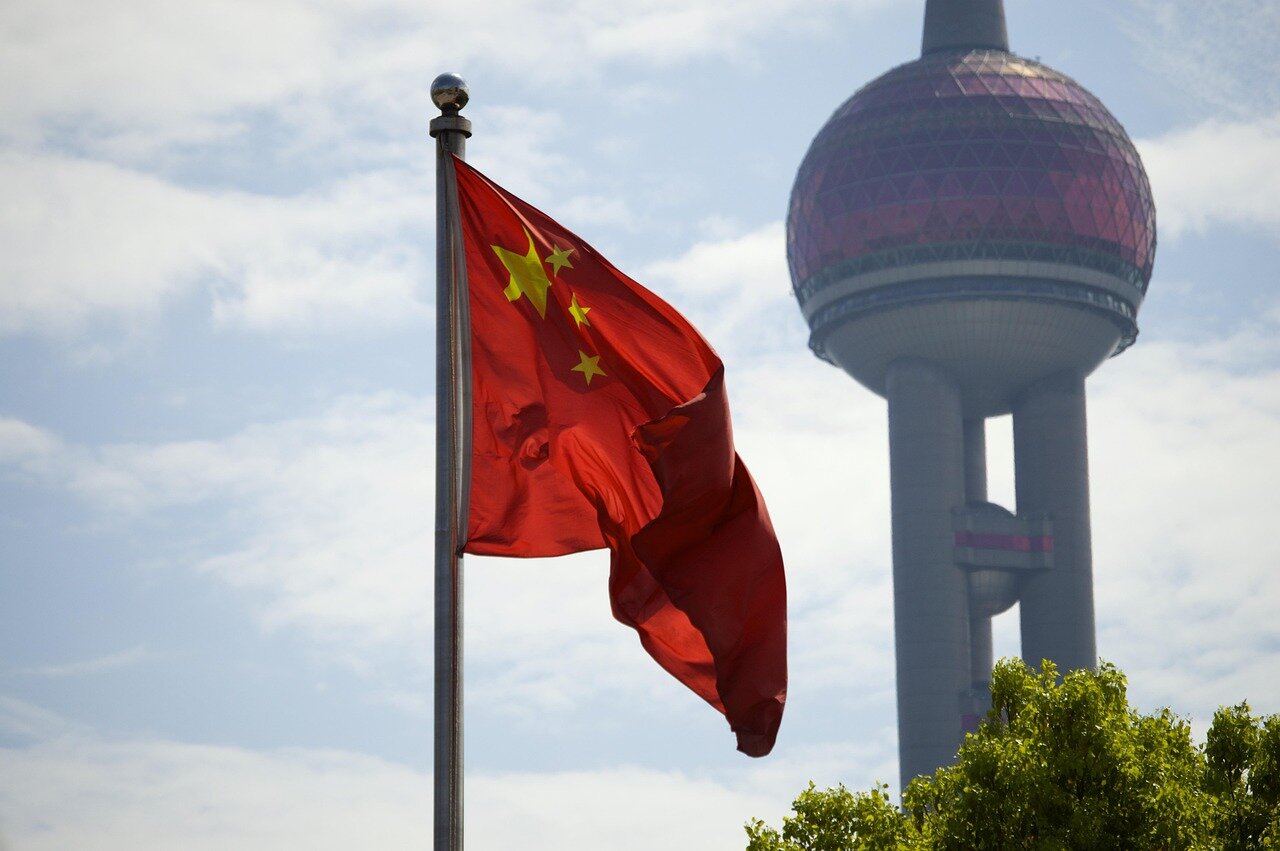
In terms of policy, local governments may need to allocate resources for disaster relief and infrastructure repair, which could divert funds from other critical areas such as education and healthcare. This shift in budget priorities may lead to longer-term challenges in community development and public services.
- Immediate safety risks for residents and emergency services.
- Disruption to agriculture and potential food supply issues.
- Economic strain on local businesses and employment rates.
- Increased demand for government support and infrastructure investment.
- Potential opportunities for innovation in disaster management and sustainable practices.
While the situation poses significant risks, there may also be opportunities for communities to innovate in areas such as disaster preparedness and sustainable agriculture practices. As local governments and organizations respond to the crisis, there may be a push for improved infrastructure and resilience planning, which could ultimately benefit these communities in the long run.
A: The flooding has primarily impacted southern regions, particularly provinces like Guangdong and Guangxi, where rainfall has been exceptionally heavy. A: Local authorities have initiated emergency response plans, including evacuations and the deployment of rescue teams to assist affected residents. A: Long-term implications may include increased infrastructure damage, economic losses, and potential changes in local climate patterns. A: Residents are advised to stay indoors, avoid flooded areas, and follow updates from local authorities regarding safety and evacuation procedures. A: The public can assist by donating to relief funds and volunteering with local organizations that provide support to affected communities.
Frequently asked questions about the flooding situation
Key takeaways and future outlook on weather patterns
The recent heavy rains in parts of China have highlighted the increasing frequency and intensity of extreme weather events, raising concerns about infrastructure resilience and disaster preparedness. As climate change continues to influence weather patterns, the need for adaptive strategies becomes more pressing. Communities must be proactive in their response to mitigate risks associated with flooding and landslides.
Monitoring weather forecasts and implementing effective emergency response plans are essential steps for local governments. Additionally, collaboration between agencies and public awareness campaigns can enhance community readiness for future weather-related challenges.
- Infrastructure resilience: Investing in flood-resistant infrastructure is crucial to minimize damage from future heavy rains.
- Emergency preparedness: Local authorities should prioritize disaster response training and resources to improve community readiness.
- Climate adaptation strategies: Long-term planning must incorporate climate projections to better prepare for extreme weather events.
- Public awareness: Educating citizens on emergency procedures and safety measures can save lives during severe weather conditions.