
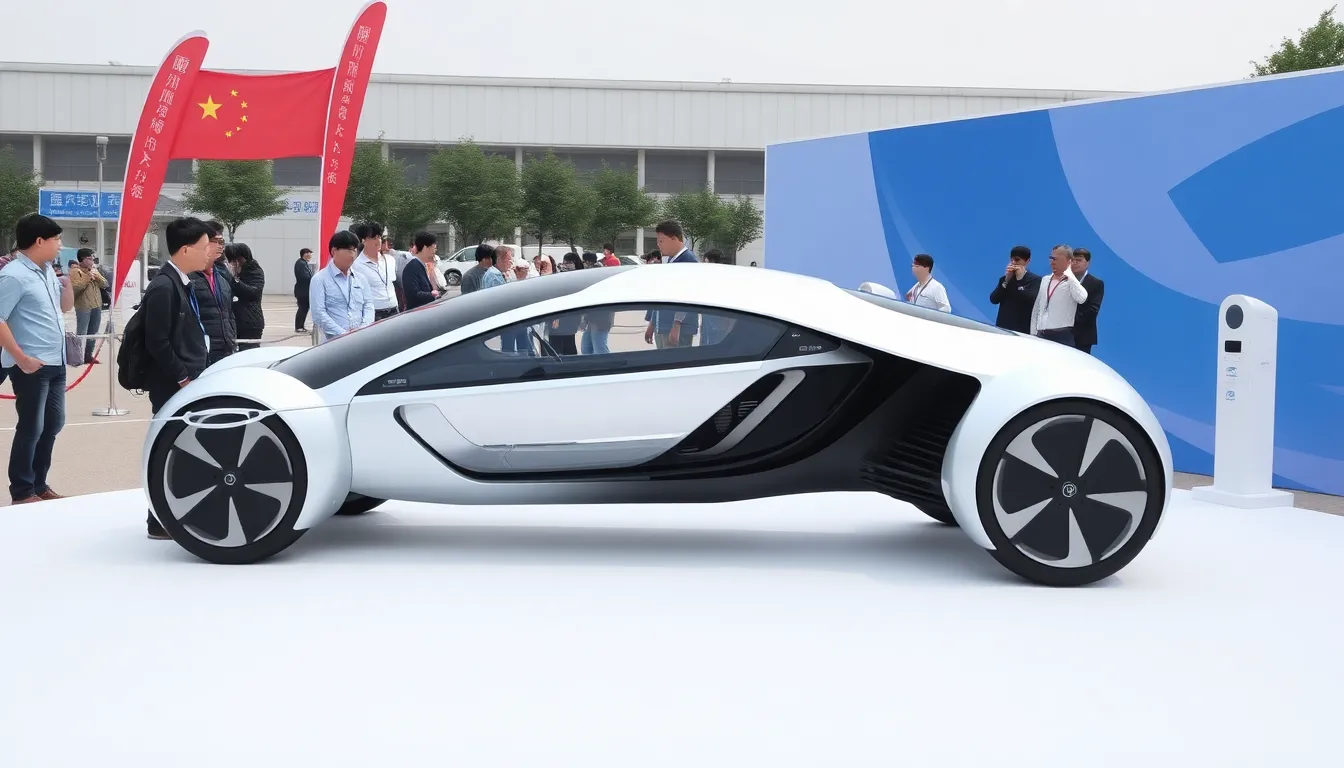
In recent months, several Chinese companies have unveiled advanced EV models featuring cutting-edge technologies, including flying cars and ultra-fast charging capabilities. For instance, in September 2023, a leading Chinese automaker showcased a prototype flying car that can be charged in just five minutes, aiming to attract international attention amidst the geopolitical instability. This innovation aligns with China’s broader efforts to enhance its technological prowess in the global market.
Furthermore, China’s government is actively supporting the expansion of its EV sector by providing incentives for manufacturers to export their products. This aligns with China’s broader strategy to enhance its global influence and secure new markets, particularly in regions affected by geopolitical conflicts, such as the Middle East.
The Iranian crisis has also opened doors for partnerships between Chinese EV firms and local businesses in the region. These collaborations aim to leverage China’s technological advancements while addressing the increasing demand for sustainable transportation solutions in countries facing economic sanctions and infrastructure challenges. Such partnerships could significantly impact the future of electric vehicle adoption in the Middle East.
As the situation evolves, the intersection of geopolitical tensions and technological innovation in the EV sector highlights the potential for growth and transformation within China’s automotive industry. This moment serves as a critical juncture for both Chinese manufacturers and the global market as they navigate the complexities of international trade and technological advancement.
Understanding the geopolitical background of the Iran crisis
The Iran crisis has its roots in a complex web of historical, political, and economic factors that have evolved over decades. Following the 1979 Iranian Revolution, which overthrew the pro-Western Shah, Iran’s relationship with Western powers, particularly the United States, deteriorated significantly. The subsequent hostage crisis, where American diplomats were held for 444 days, set the stage for ongoing tensions and a series of sanctions that have crippled Iran’s economy.
In the years that followed, Iran’s nuclear ambitions became a focal point of international concern. The 2015 Joint Comprehensive Plan of Action (JCPOA), aimed at curbing Iran’s nuclear program in exchange for sanctions relief, was seen as a diplomatic breakthrough. However, the U.S. withdrawal from the agreement in 2018 under the Trump administration reignited tensions, leading to a renewed cycle of sanctions and economic isolation for Iran.
As the Iranian economy struggles under the weight of these sanctions, the country has sought to pivot towards new markets and partnerships. This shift is particularly evident in its engagement with countries like China, which has emerged as a key ally. China’s investments in Iranian infrastructure and energy sectors have provided a lifeline to the struggling economy, while also allowing China to expand its influence in the region.
The rise of the EV industry in China
Amidst these geopolitical developments, China’s electric vehicle (EV) industry has been rapidly evolving. With a focus on innovation and sustainability, Chinese manufacturers have made significant strides in technology, including advancements in battery efficiency and charging capabilities. The prospect of flying cars and ultra-fast charging solutions represents not only a technological leap but also a potential economic opportunity in the context of the Iranian market. As Iran seeks to modernize its transportation infrastructure, Chinese EV companies are well-positioned to capitalize on this need, further intertwining their fates amidst the ongoing crisis.
Key stakeholders and issues in the evolving EV landscape
The intersection of China’s electric vehicle (EV) industry and the ongoing crisis in Iran presents a unique landscape of stakeholders and interests. Key actors include the Chinese government, Chinese EV manufacturers, the Iranian government, and international trade organizations. Each of these stakeholders has distinct motivations and concerns that shape their actions in this rapidly changing environment, particularly as they navigate the complexities of international trade relations.
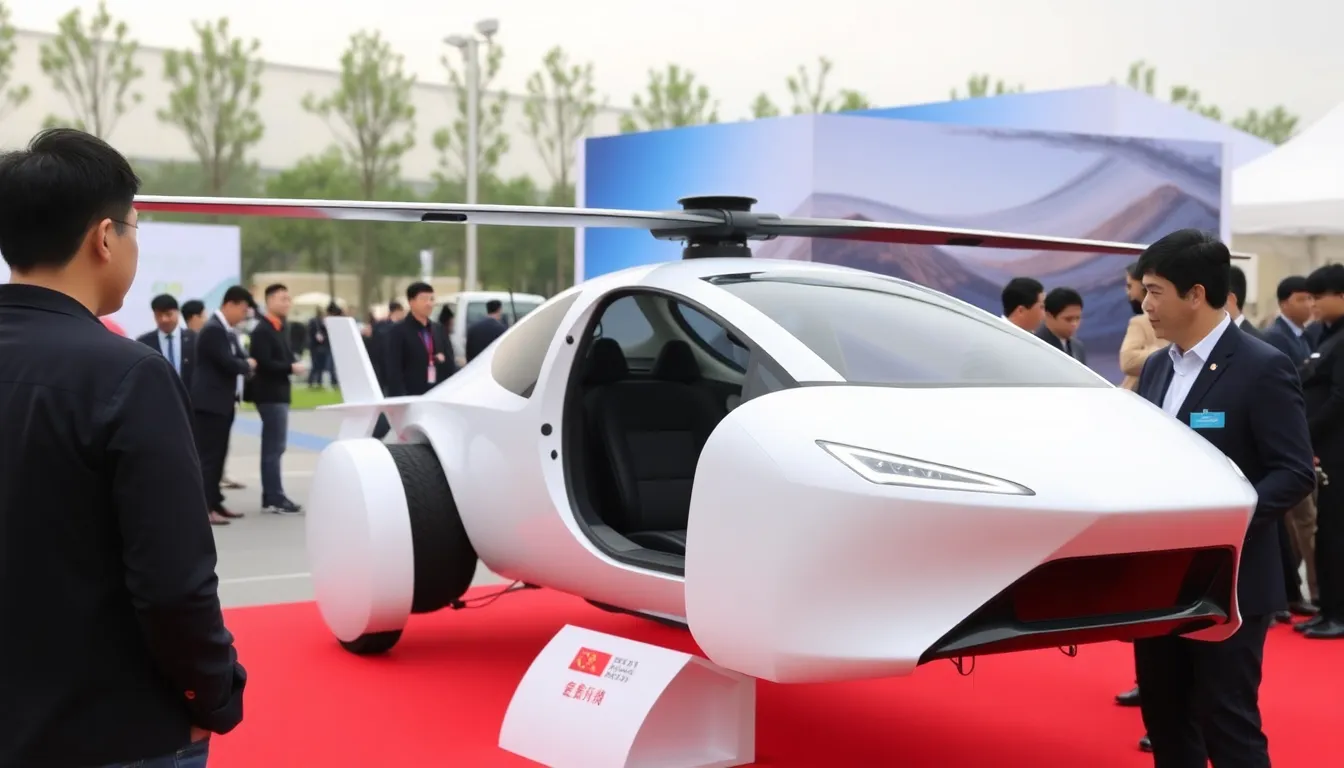
Chinese EV manufacturers, such as BYD and NIO, are looking to expand their market reach and capitalize on the demand for electric vehicles in Iran. They see an opportunity to provide innovative solutions, including flying cars and rapid charging technologies, which could revolutionize transportation in the region. However, these companies must navigate the complexities of international sanctions and trade regulations that may impact their ability to operate in Iran.
The Iranian government is interested in modernizing its transportation infrastructure and reducing its reliance on fossil fuels. By embracing electric vehicles, Iran aims to address environmental concerns and improve air quality in urban areas. However, the government faces challenges in securing foreign investments and partnerships due to ongoing geopolitical tensions and economic sanctions.
- Geopolitical tensions: The strained relations between Iran and Western countries complicate trade and investment opportunities.
- Regulatory challenges: International sanctions may hinder the ability of Chinese manufacturers to enter the Iranian market.
- Technological advancements: The introduction of flying cars and rapid charging stations could change consumer expectations and infrastructure needs.
- Environmental impact: Transitioning to EVs could significantly reduce emissions, but the production and disposal of batteries raise sustainability concerns.
- Market competition: Other countries may also seek to enter the Iranian EV market, increasing competition for Chinese manufacturers.
As these stakeholders navigate their interests, the potential for collaboration and conflict remains high. The interplay of economic opportunities and legal restrictions will be crucial in shaping the future of the EV industry in both China and Iran. Understanding these dynamics is essential for grasping the broader implications of technological advancements in the context of international relations and environmental sustainability.
How the crisis affects consumers and the EV market
The ongoing crisis in Iran has far-reaching implications for various groups, particularly consumers, manufacturers, and policymakers in the electric vehicle (EV) sector. As tensions rise, the demand for alternative energy solutions becomes increasingly urgent, positioning China’s EV industry to seize opportunities in the changing landscape.
In the short term, consumers in both Iran and neighboring regions may experience disruptions in the availability of fuel and traditional vehicles, prompting a shift towards electric mobility. This transition could lead to an increased interest in EVs, especially models that promise quick charging capabilities, such as the emerging flying cars. The urgency for sustainable transport solutions may also influence consumer preferences, driving them towards more eco-friendly options.
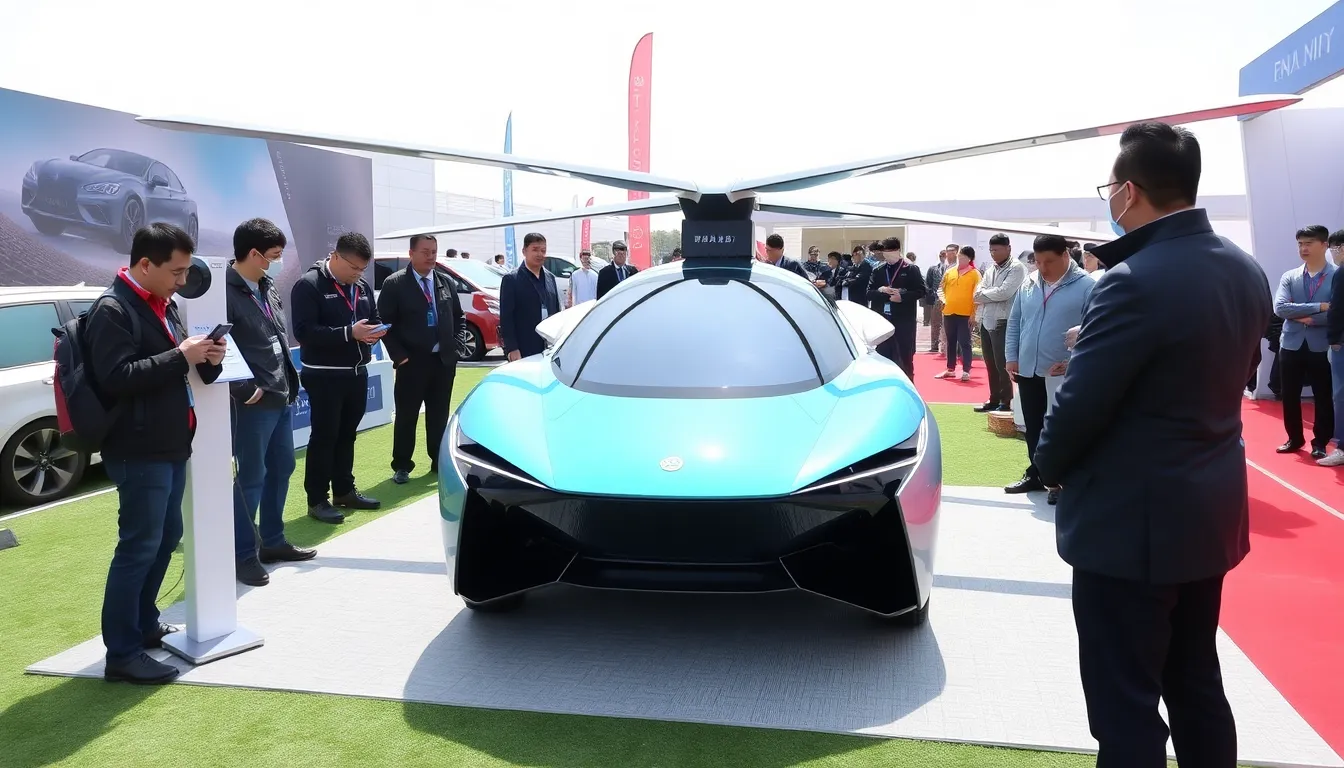
From a business perspective, the crisis presents both risks and opportunities for the EV industry. Manufacturers may face supply chain challenges due to geopolitical tensions, which could impact production timelines and costs. However, companies that can quickly adapt to the changing market dynamics may find lucrative opportunities in expanding their offerings to countries seeking reliable and efficient transportation solutions.
- Short-term impacts: Increased consumer interest in EVs and alternative transport solutions.
- Mid-term impacts: Potential growth in the EV market as consumers shift away from traditional vehicles.
- Risks: Supply chain disruptions and fluctuating raw material costs due to geopolitical instability.
- Opportunities: Expansion into new markets and innovation in EV technology, including rapid charging solutions.
Policymakers may also feel the pressure to adapt regulations to support the burgeoning EV market, encouraging investments in charging infrastructure and incentives for consumers. As the crisis unfolds, the interplay between consumer demand, industry response, and government action will shape the future of transportation in the region.
A: Flying cars are innovative vehicles that can operate both on roads and in the air. China’s EV industry is exploring this technology as part of its broader strategy to revolutionize transportation. A: The crisis has disrupted supply chains and created new market opportunities for Chinese manufacturers to fill gaps left by other producers. A: Companies are developing ultra-fast charging solutions that can fully charge an EV in just five minutes, significantly reducing downtime for consumers. A: While direct partnerships are complicated due to sanctions, Chinese companies are looking for indirect ways to engage with the Iranian market. A: Flying cars could potentially reduce road congestion and emissions, but their environmental impact will depend on the energy sources used for propulsion.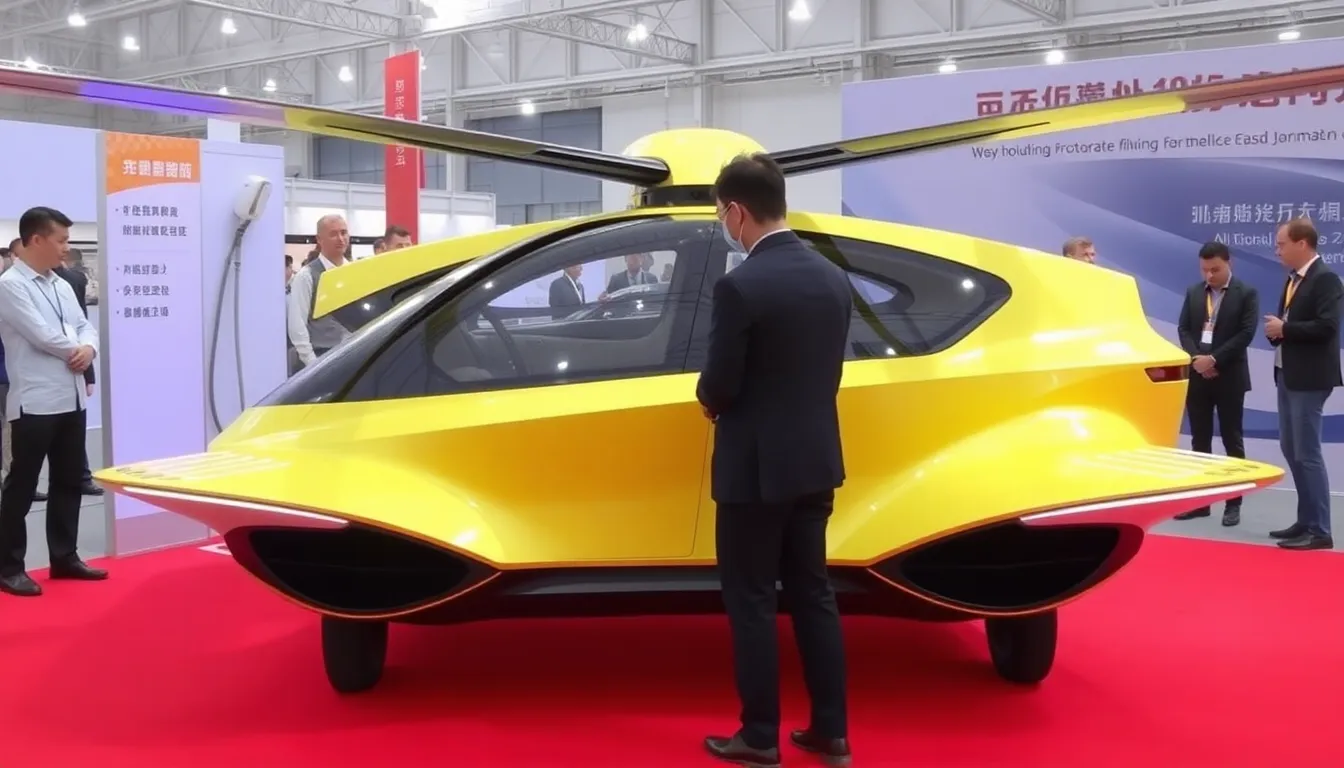
Frequently asked questions about China’s EV initiatives
Future outlook and key takeaways for the EV industry
The ongoing crisis in Iran presents a unique opportunity for China’s electric vehicle (EV) industry to expand its influence and market share in the region. As traditional fuel sources become less reliable, the demand for innovative and sustainable transportation solutions is likely to increase. This shift could accelerate the adoption of advanced technologies, such as flying cars and rapid charging systems, positioning China at the forefront of the global EV landscape.
As stakeholders in the EV sector navigate this evolving environment, several implications emerge. Companies that can leverage their technological advancements while addressing local market needs are poised to thrive. Additionally, the geopolitical dynamics may create both challenges and opportunities for collaboration and investment in the region.
- Increased demand for EVs: The instability in traditional fuel supplies may drive consumers towards electric vehicles, creating a surge in demand.
- Technological innovation: Companies focusing on rapid charging solutions and advanced mobility options, such as flying cars, may gain a competitive edge.
- Strategic partnerships: Collaborations between Chinese EV manufacturers and local businesses in Iran could facilitate market entry and adaptation to regional needs.
- Regulatory considerations: Monitoring changes in regulations and policies related to EVs in Iran will be crucial for companies looking to invest.
- Long-term market potential: As infrastructure develops, the Iranian market could become a significant player in the broader Middle Eastern EV landscape.