
Interim management has been handed to former player Frank Lampard, who faces the daunting task of rallying the squad amidst speculation regarding the club’s long-term coaching direction, as discussed in Understanding the Secret Ban on Mudryk and Its Consequences. The uncertainty surrounding Lampard’s position and the club’s future strategy could have significant implications for player morale and performance in the final.
This situation is compounded by Chelsea’s mixed results in the Premier League, where they currently sit in the lower half of the table, far from their usual competitive standing. With the pressure mounting, the outcome of the FA Cup final could serve as a pivotal moment for the club, influencing decisions on player recruitment and future managerial appointments.
Moreover, the club’s ownership, led by Todd Boehly, faces scrutiny as fans and analysts question the long-term vision and operational decisions that have led to this chaotic scenario. The upcoming match against a formidable opponent will not only test the team’s resilience but also reflect the broader challenges facing Chelsea in this transitional period.
Understanding the managerial changes at Chelsea
Chelsea Football Club, one of the most storied teams in English football, has experienced a tumultuous period of managerial changes in recent years, a pattern also reflected in clubs like Burnley, which faces its own challenges as noted in Football Daily Burnley faces challenges without Scott Parker. This instability can be traced back to the club’s ambitious ownership structure and the high expectations that come with it.
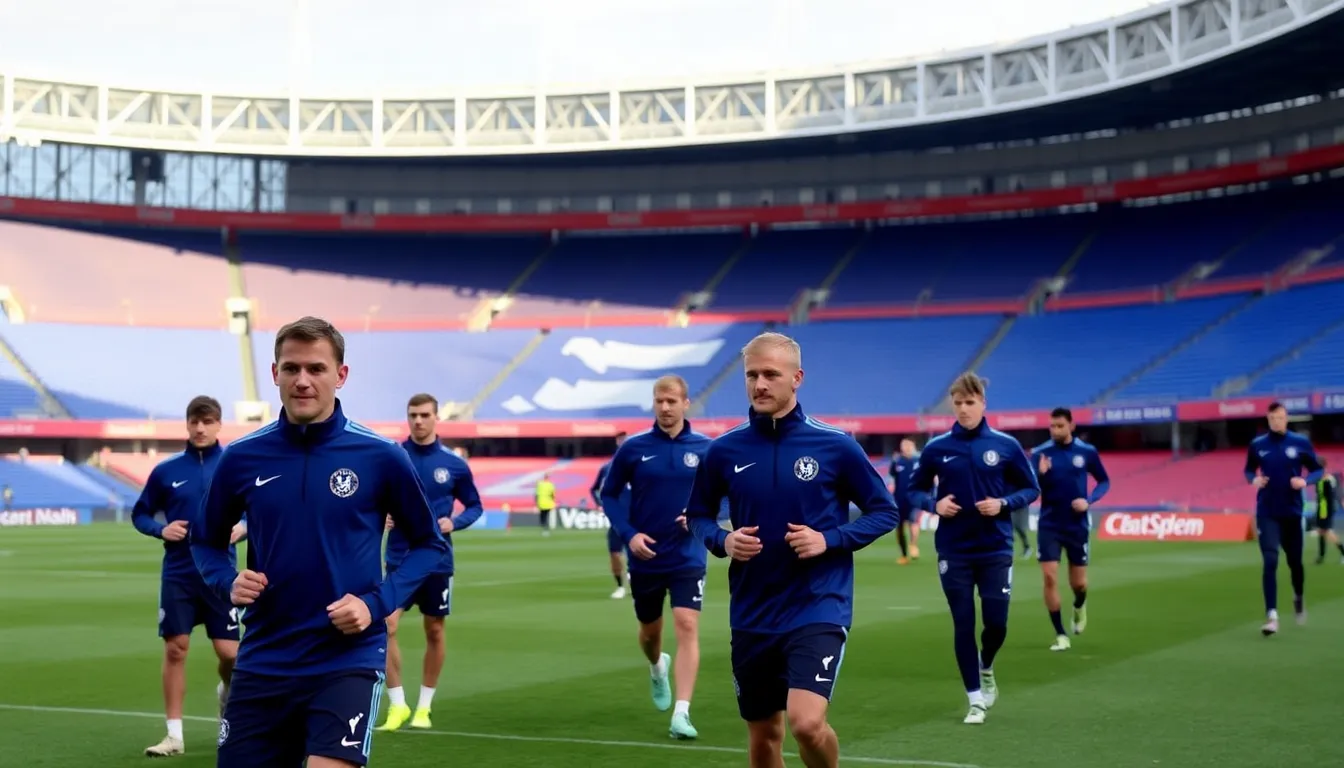
The club’s most recent managerial chaos began in the wake of the 2021 UEFA Champions League victory under Thomas Tuchel. Despite achieving one of the highest honors in European football, the subsequent season saw a decline in performance, leading to Tuchel’s dismissal in September 2022. This marked the beginning of a cycle that saw multiple managers come and go within a short span, each struggling to find the right formula to maintain Chelsea’s competitive edge.
The impact of ownership changes
In 2022, Todd Boehly and his consortium acquired Chelsea, bringing a fresh vision but also a new level of uncertainty, not unlike the organizational shifts discussed in OpenAI Trial Begins With Contrasting Narratives of the Company’s Founding. The new owners quickly sought to make their mark, leading to the hiring of Graham Potter, who was seen as a long-term solution.
As Chelsea prepares for a crucial trip to Wembley, the backdrop of managerial instability looms large. Each new appointment brings hope for a turnaround, yet the cycle of chaos continues to challenge the club’s aspirations. Fans and analysts alike are left pondering whether the club can regain its footing amidst the ongoing upheaval, or if this is the new normal for one of football’s giants.
Key stakeholders and issues surrounding Chelsea’s management
As Chelsea prepares for its upcoming trip to Wembley, the club finds itself at the center of a turbulent managerial landscape. The primary stakeholders include the club’s ownership, the coaching staff, players, fans, and the broader football community. Each of these groups has distinct interests that shape their perspectives on the ongoing managerial changes.
The club’s ownership, led by Todd Boehly, is focused on restoring Chelsea’s competitive edge in both domestic and European competitions. This ambition has led to a series of managerial changes, reflecting a desire for immediate results. However, this approach raises questions about stability and long-term planning, as frequent changes can disrupt team cohesion and performance.
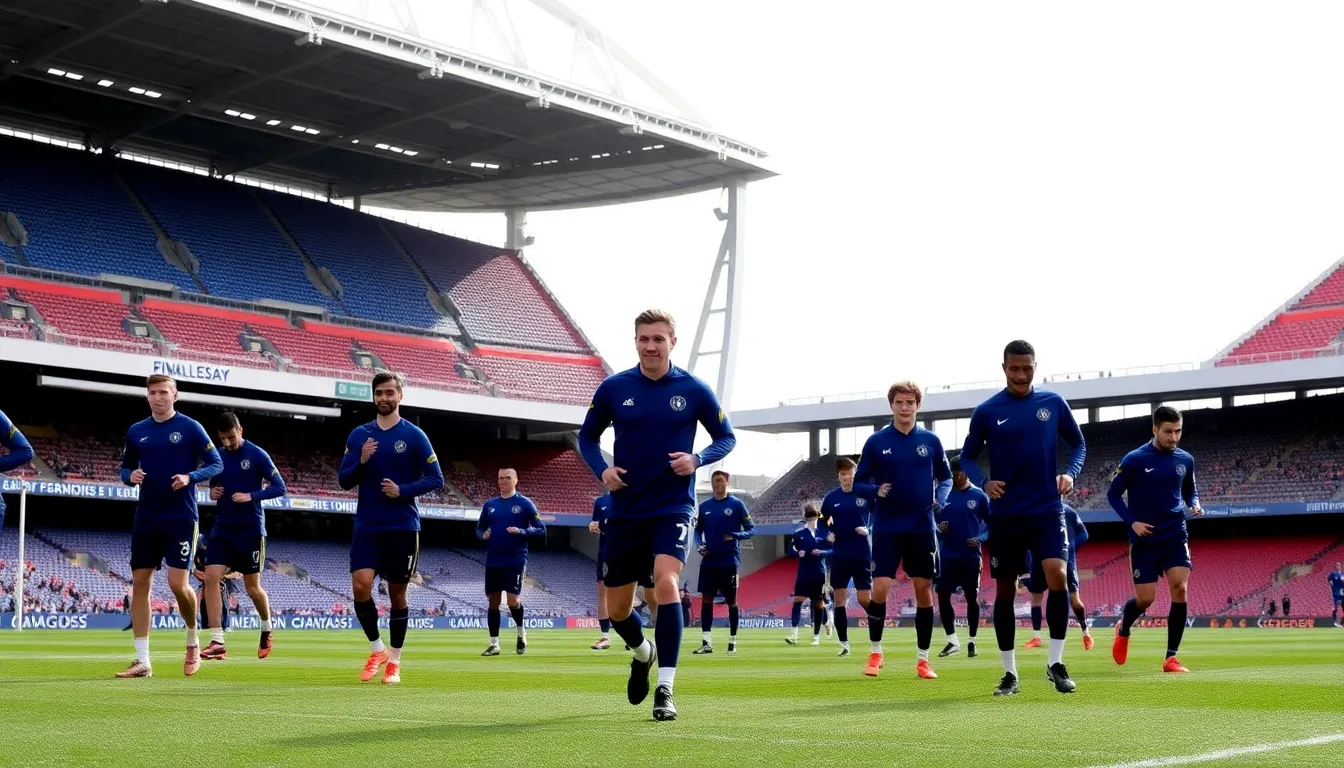
Coaching staff and players are also key stakeholders in this scenario. They are directly impacted by managerial decisions and the resulting tactical shifts. The uncertainty surrounding the managerial position can lead to a lack of confidence within the squad, affecting player morale and performance on the pitch. Moreover, the players’ interests in securing their positions and careers can conflict with the club’s broader ambitions.
- Managerial Instability: Frequent changes in management can lead to a lack of strategic direction and hinder player development.
- Fan Sentiment: Supporters are concerned about the club’s direction and may express dissatisfaction with ownership decisions, impacting attendance and financial support.
- Financial Implications: High turnover rates can lead to increased costs associated with hiring and firing managers, alongside potential impacts on player transfers and contracts.
- Performance Pressure: The immediate need for results can create an environment of pressure that affects both players and coaching staff.
- Club Identity: Ongoing changes may dilute the club’s identity and heritage, raising concerns among long-time supporters.
In this complex scenario, the interplay between these stakeholders highlights the challenges Chelsea faces as it navigates through a period of managerial chaos. The decisions made in the coming weeks will not only influence the immediate future of the club but also its long-term trajectory in the competitive landscape of football.
How the managerial chaos affects players and fans
The ongoing managerial upheaval at Chelsea has significant implications for various stakeholders, primarily the players, fans, and the broader football industry. As the club navigates through yet another coaching change, the uncertainty can lead to a lack of cohesion on the pitch, affecting player performance and morale.
Fans, who are the lifeblood of the club, experience a rollercoaster of emotions during such tumultuous times. The excitement of a Wembley trip can be overshadowed by frustration over the club’s direction and leadership. This discontent may lead to decreased match attendance and reduced merchandise sales, impacting the club’s revenue streams.
In the short term, the immediate impact on daily life for players involves adapting to new training regimes and tactical approaches. This can disrupt their routines and affect their on-field chemistry. For fans, the uncertainty surrounding the managerial position can lead to anxiety about the team’s future, potentially diminishing their overall engagement with the club.
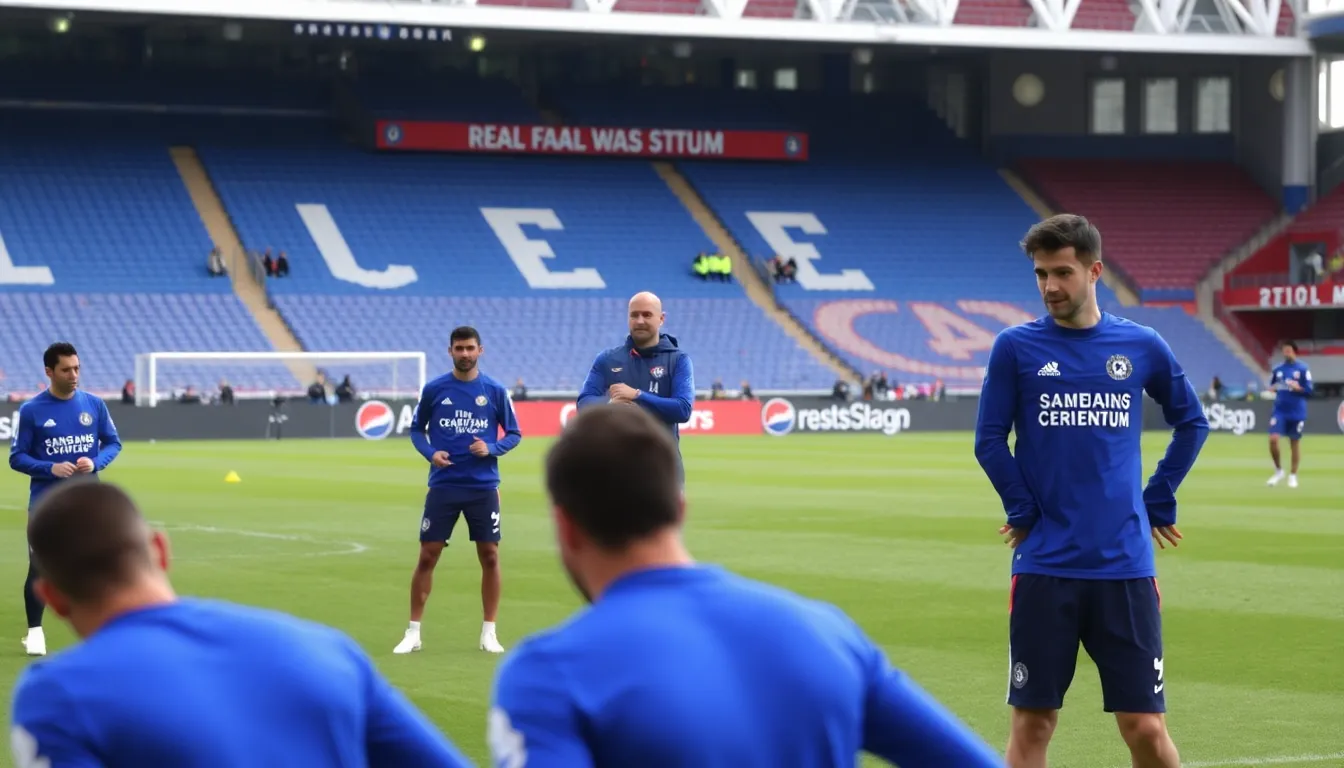
- Short-term impacts: Disrupted player performance, decreased fan engagement, and potential revenue loss.
- Mid-term impacts: Long-term player development challenges, fluctuating team identity, and a potential shift in fan loyalty.
- Opportunities: New managerial strategies may foster fresh talent, attract new fans, and rejuvenate the club’s brand.
As the situation evolves, there is a delicate balance between the risks of ongoing instability and the opportunities for renewal. The club must navigate these challenges carefully to ensure that both players and fans remain invested in its future, particularly as they approach significant matches like the one at Wembley.
A: Chelsea is experiencing significant managerial upheaval, with recent changes impacting the team’s performance and morale. A: The uncertainty surrounding management can lead to decreased player confidence and performance, as stability is crucial for team success. A: Fans are likely feeling frustrated and anxious about the team’s direction, especially with critical matches approaching. A: The club’s ownership and current coaching staff are central to the ongoing changes, influencing the club’s strategy and future. A: The Wembley trip is crucial for Chelsea, as it represents an opportunity to regain some momentum despite the managerial turmoil.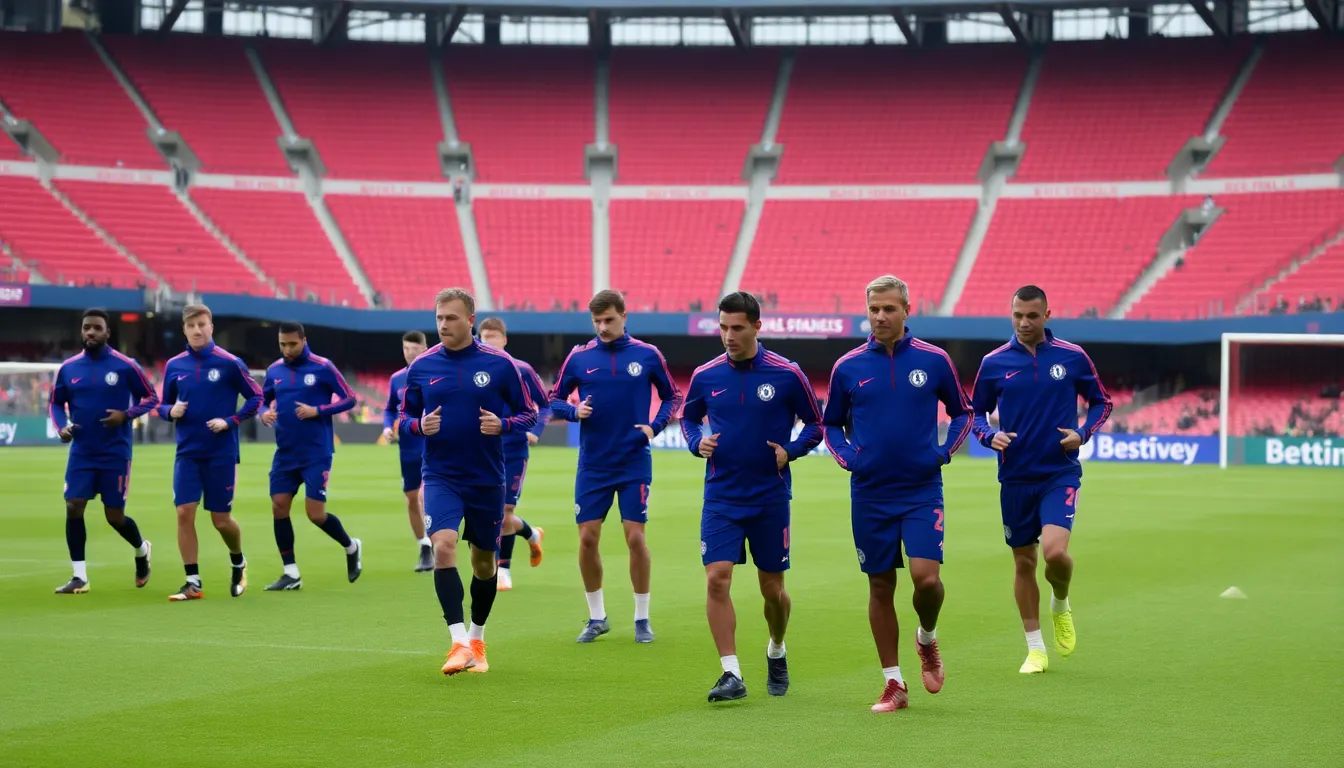
Frequently asked questions about Chelsea’s situation
Looking ahead: What’s next for Chelsea?
As Chelsea prepares for their upcoming trip to Wembley, the atmosphere surrounding the club remains tumultuous. The managerial situation continues to evolve, and the implications of recent decisions will undoubtedly shape the team’s trajectory. With a critical match on the horizon, the focus will be on how the players adapt to the ongoing changes and whether they can harness their potential amidst uncertainty.
Moving forward, it will be essential for Chelsea to find stability, not just in management but also in player performance. The upcoming fixtures will serve as a litmus test for the squad’s resilience and ability to rally under pressure. Observers should keep an eye on how the club navigates this period of upheaval, as it could define their season.
- Monitor the impact of managerial changes on player morale and performance.
- Watch for tactical adjustments in upcoming matches that reflect the new coaching philosophy.
- Consider the implications of player transfers and injuries on team dynamics.
- Evaluate the response of the fanbase and its influence on club decisions moving forward.
- Assess the long-term vision of the club’s management in light of recent challenges.