
In a series of experiments conducted throughout 2023, scientists noted that chickadees were able to outsmart each other by hiding their food in locations that were less likely to be discovered by rivals. This behavior was particularly evident during the winter months when food scarcity heightened competition among local bird populations. The findings, published in a leading ornithology journal, have sparked interest in the role of intelligence in survival strategies among avian species.
The implications of these discoveries extend beyond the chickadees themselves, as they challenge long-held assumptions about the cognitive capabilities of birds in general. As researchers continue to explore the relationship between intelligence and behavior, the results may influence conservation efforts and strategies aimed at protecting these and similar species. Understanding the nuances of avian intelligence could also provide valuable insights into the evolutionary pressures that shape social behaviors in the animal kingdom.
As the research progresses, ongoing observations and experiments are expected to shed further light on the dynamics of chickadee interactions. The growing body of evidence suggests that intelligence plays a crucial role in their social structures, potentially altering how we perceive the complexities of bird behavior. This evolving narrative underscores the importance of continued study into the cognitive lives of birds, which may reveal more about their adaptability and resilience in changing environments, such as exploring the murky beauty of their habitats.
Understanding the social dynamics of chickadees and their environment
Chickadees, small birds belonging to the Paridae family, are known for their distinctive calls and social behavior. These birds thrive in diverse environments, from dense forests to urban areas, showcasing their adaptability. Historically, chickadees have been observed to engage in complex social interactions that reflect the dynamics of their environment. Understanding these interactions is crucial to grasping how intelligence plays a role in their social structures.
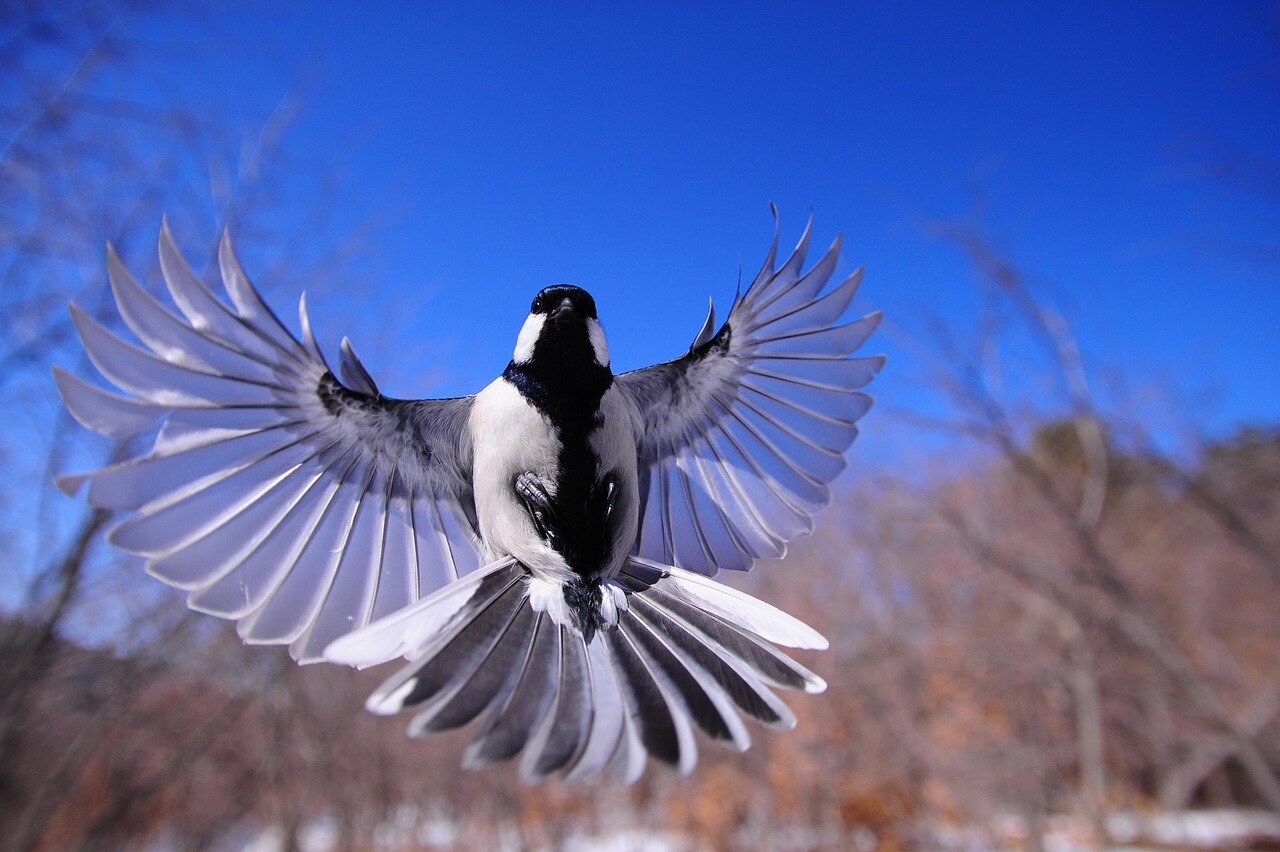
In the wild, chickadees often face challenges such as competition for food and nesting sites. Over time, these challenges have shaped their behavior, leading to the development of strategies that can be interpreted as forms of social intelligence. Research has shown that chickadees are capable of recognizing individual calls and can distinguish between friends and foes. This ability to assess their environment and the behavior of other birds is essential for their survival.
The Role of Intelligence in Social Interactions
The intelligence of chickadees is not merely an individual trait but a collective advantage. Studies have indicated that smarter chickadees are more successful in social situations, such as foraging and avoiding predators. This phenomenon raises questions about the evolutionary advantages of intelligence in social species. The ability to deceive or outsmart rivals can lead to better access to resources, thereby enhancing survival and reproductive success.
Throughout the years, researchers have documented various instances of chickadees using their intelligence to navigate social hierarchies. For example, in some populations, it has been noted that more intelligent birds often dominate feeding sites, leading to a disparity in food access among the flock. This social stratification highlights the interplay between cognitive ability and social behavior, providing insight into the evolutionary pressures that favor intelligence.
As urbanization continues to encroach upon natural habitats, understanding the social dynamics of chickadees becomes increasingly relevant. Changes in their environment not only affect their food sources but also influence their social structures. The adaptability of chickadees in urban settings, where they encounter new challenges and opportunities, serves as a testament to their intelligence and social complexity.
The implications of intelligence on chickadee interactions
In the intricate world of chickadees, intelligence plays a pivotal role in shaping their social dynamics. The main actors in this ecosystem include the chickadees themselves, researchers studying avian behavior, and conservation organizations focused on preserving bird habitats. Each of these stakeholders has distinct interests that influence their interactions and the broader ecological implications, similar to creating a lasting time capsule for the future.
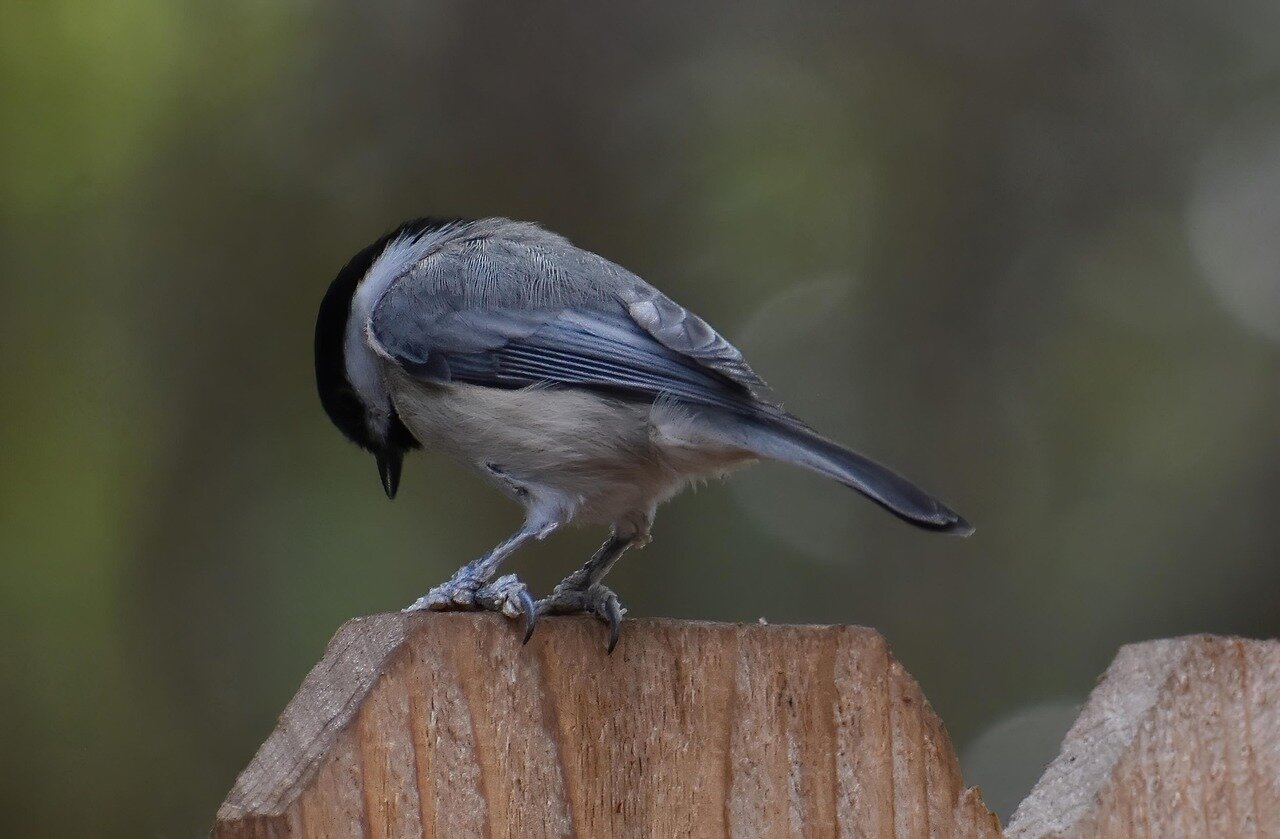
Chickadees, particularly the black-capped chickadee, exhibit a range of cognitive abilities that allow them to navigate complex social environments. Their capacity for problem-solving and memory can lead to competitive advantages, such as accessing food resources more efficiently than less intelligent peers. This intelligence can create a divide among populations, as smarter individuals may dominate feeding grounds, impacting the overall health of the species.
Researchers are keenly interested in studying these behaviors to understand the evolutionary advantages of intelligence in birds. Their findings can influence conservation strategies, as understanding social hierarchies and intelligence can help in creating better habitats that support diverse avian populations. However, this research can also spark conflicts between scientific interests and local communities, especially if conservation efforts lead to restrictions on land use.
Moreover, conservation organizations face the challenge of balancing ecological integrity with human interests. As urban development encroaches on natural habitats, they must advocate for policies that protect chickadee populations while considering the economic implications for local residents. This creates a trade-off between preserving wildlife and accommodating human expansion.
- Chickadees’ intelligence affects their social hierarchies, influencing competition for resources.
- Research on chickadee behavior can lead to improved conservation strategies but may conflict with local land use.
- Conservation organizations must navigate the balance between protecting species and addressing human economic needs.
- Urban development poses a threat to chickadee habitats, necessitating careful policy considerations.
- Understanding chickadee interactions can shed light on broader ecological dynamics and species survival.
How these behaviors affect chickadee populations and ecosystems
The behaviors observed in chickadees, particularly their tendency to engage in cheating when it comes to resource acquisition, have significant implications for various groups and industries. Birdwatching communities, ecologists, and conservationists are particularly interested in these dynamics as they reflect broader ecological interactions. Understanding these behaviors can influence policies related to wildlife conservation and habitat management.

In the short term, the impact on daily life may be subtle, but it can lead to increased interest in local birdwatching and educational programs. Parks and recreational areas may see a rise in visitors eager to observe these intelligent birds, boosting local tourism and related businesses. Moreover, schools and community organizations might develop programs that focus on avian behavior, fostering a greater appreciation for local ecosystems.
In the mid-term, the implications for policy could be more pronounced. As research into chickadee behavior progresses, there may be calls for updated conservation strategies that prioritize habitats supporting intelligent species. This could lead to funding opportunities for wildlife organizations and initiatives aimed at preserving these environments. However, there are risks involved; if not managed properly, increased human interaction with these birds could lead to habitat degradation.
- Increased tourism in areas known for chickadee populations.
- Potential for new educational programs focused on avian intelligence.
- Calls for updated conservation policies based on new behavioral insights.
- Risks of habitat degradation due to increased human presence.
On a broader scale, industries related to environmental education and wildlife conservation may find new opportunities for growth. The fascination with intelligent species like chickadees could lead to innovative products and services that cater to enthusiasts and researchers alike. However, stakeholders must remain vigilant to balance these opportunities with the need to protect the natural environments that support these unique avian populations.
A: Cheating chickadees often engage in deceptive behaviors to gain advantages over their peers, such as stealing food or misleading others about their foraging success. A: Intelligence allows chickadees to assess their environment and the actions of other birds, enabling them to devise strategies that enhance their survival and reproductive success. A: While all chickadees possess some level of intelligence, individual differences exist, with some birds demonstrating more sophisticated problem-solving skills than others. A: Researchers often use observational studies, experiments in controlled environments, and tracking technologies to analyze chickadee interactions and decision-making processes. A: Understanding the intelligence of chickadees can provide insights into animal behavior, social dynamics, and the evolution of cognitive abilities in birds.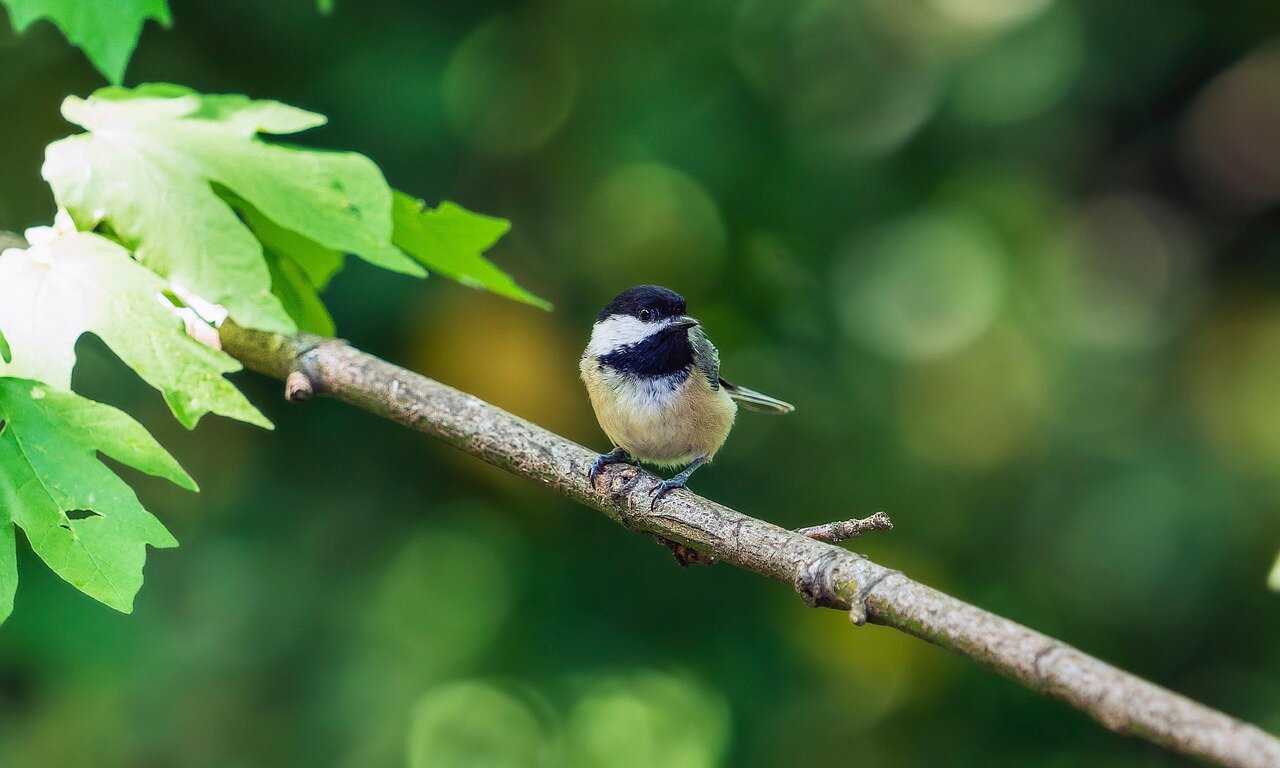
Frequently Asked Questions about chickadees and intelligence
Key takeaways and future directions in chickadee research
The recent findings on chickadees reveal a complex interplay between intelligence and social behavior, suggesting that cognitive abilities can influence social dynamics within avian communities. As these birds demonstrate a preference for associating with smarter individuals, it raises questions about the evolutionary benefits of intelligence in social contexts. Understanding these interactions could provide deeper insights into the development of social structures in other species.
Future research could explore the implications of these behaviors in different environments and among various species. Observing how these dynamics play out in changing habitats may offer further clarity on the adaptive advantages of intelligence in social settings.
- Monitor social structures: Observing how intelligence influences social hierarchies in chickadees could inform broader ecological studies.
- Investigate environmental impacts: Assess how changing habitats affect the social dynamics and intelligence preferences among chickadees.
- Explore cross-species comparisons: Studying similar behaviors in other bird species may reveal universal patterns in social intelligence.
- Consider conservation strategies: Understanding the role of intelligence in social interactions can aid in developing targeted conservation efforts for avian populations.