
One notable example is the recent film that drew inspiration from a real octopus residing at the Vancouver Aquarium. This creature’s unique movements and behaviors were meticulously studied by the film’s CG design team, who aimed to replicate its fluidity and intelligence on screen. By integrating such authentic elements, filmmakers are not only pushing the boundaries of animation but also fostering a greater appreciation for marine life.
The collaboration between marine biologists and CG artists has become increasingly common, as seen in various documentaries and feature films. This partnership allows for a more nuanced portrayal of animals, helping audiences understand their complexities and the ecosystems they inhabit. Such efforts underscore the importance of conservation and awareness, bringing attention to the challenges faced by marine species today.
Moreover, the release of this film has sparked discussions about the role of technology in storytelling. As audiences demand more immersive experiences, filmmakers are challenged to balance artistic vision with scientific accuracy. This trend reflects a broader movement within the industry to create content that not only entertains but also educates and inspires action towards environmental preservation.
Understanding the background of the Vancouver Aquarium’s octopus
The Vancouver Aquarium has long been a center for marine research and education, playing a pivotal role in the conservation and understanding of marine life. Established in 1956, the aquarium has become a sanctuary for various marine species, including the remarkable octopus, which is known for its intelligence and complex behaviors. The aquarium’s commitment to showcasing the wonders of the ocean has not only educated the public but has also provided valuable insights into marine biology and ecology.

In recent years, the aquarium has faced challenges related to animal welfare and conservation practices. The public’s growing awareness of the ethical considerations surrounding marine life in captivity has led to significant changes in how institutions like the Vancouver Aquarium operate. This shift has prompted the aquarium to focus more on rehabilitation and rescue efforts, as well as educational outreach, ensuring that visitors leave with a deeper understanding of marine ecosystems and the importance of protecting them.
The Inspiration Behind ‘Remarkably Bright Creatures’
The creative team behind the film ‘Remarkably Bright Creatures’ drew inspiration from the unique characteristics of the octopus housed at the Vancouver Aquarium. This particular octopus not only exhibited extraordinary intelligence but also displayed a range of emotions and social interactions that captivated both visitors and researchers alike. By studying the octopus’s movements and behaviors, the team was able to create realistic CGI representations that resonate with audiences, highlighting the intricate relationship between humans and marine life.
Key milestones in the aquarium’s history, such as the introduction of new conservation programs and public engagement initiatives, have contributed to a richer understanding of marine species. These efforts have fostered a greater appreciation for the octopus and its role in the marine ecosystem, serving as a reminder of the delicate balance that exists within our oceans.
Key stakeholders and the significance of realistic marine life representation
The creation of ‘Remarkably Bright Creatures’ involves various stakeholders, each with distinct interests that influence the portrayal of marine life in the film. Key players include the filmmakers, the Vancouver Aquarium, marine biologists, environmental organizations, and the audience. Each stakeholder’s perspective contributes to the narrative surrounding the depiction of the octopus and its habitat.
The filmmakers aim to create an engaging and visually stunning representation of marine life that resonates with audiences while also adhering to realistic portrayals. Their interest lies in balancing artistic expression with scientific accuracy, which can sometimes lead to conflicts when artistic liberties may overshadow factual representation.

The Vancouver Aquarium plays a crucial role as a source of inspiration and information regarding the behavior and biology of octopuses. Their involvement underscores the importance of responsible wildlife representation in media. However, the aquarium must navigate the complexities of public perception regarding animal captivity and conservation efforts, which can lead to trade-offs between educational outreach and ethical considerations.
- Marine Biologists: These experts provide insights into octopus behavior and ecology, advocating for accurate representation to promote awareness about marine conservation.
- Environmental Organizations: They focus on the impact of media portrayals on public perception of marine life, emphasizing the need for responsible storytelling that fosters conservation efforts.
- Audience: Viewers have diverse expectations, ranging from entertainment to educational value, which can create a tension between artistic license and factual accuracy.
Legal issues may arise concerning the use of real-life inspirations and the portrayal of marine life in entertainment. Filmmakers must consider copyright laws and the ethical implications of depicting real animals, especially when their habitats are under threat. Additionally, economic factors such as funding for conservation initiatives may be influenced by how effectively the film can raise awareness and engage audiences.
The impact of realistic CG on audiences and marine conservation
The innovative use of computer-generated imagery (CG) in ‘Remarkably Bright Creatures’ has far-reaching implications for various groups, particularly in the entertainment and marine conservation sectors. Audiences are increasingly drawn to visually stunning representations of marine life, which can enhance their understanding and appreciation of ocean ecosystems. This heightened engagement can lead to a greater emphasis on conservation efforts.
Industries such as film and animation are directly affected by the advancements in CG technology. As filmmakers and animators strive to create more lifelike characters and environments, there is a potential shift in production practices. This could lead to increased investments in CG technology and talent, fostering growth in the digital arts sector.
In the short term, audiences may experience a more immersive connection to marine stories, which can influence their viewing habits and preferences. As viewers become more invested in the narratives presented, there is an opportunity for increased ticket sales and merchandise related to marine-themed content. In the mid-term, educational institutions may adapt their curricula to include more about the intersection of technology and marine biology, reflecting a growing interest in these fields.

- Risks: Over-reliance on CG may detract from the importance of real-life conservation efforts, leading to complacency.
- Opportunities: Increased funding and support for marine conservation initiatives as public interest grows.
- Risks: Potential environmental impact from the production processes involved in creating high-quality CG content.
- Opportunities: Collaboration between filmmakers and conservation organizations to promote awareness and education.
Regions with significant marine biodiversity, such as coastal areas, may see a surge in tourism as audiences seek to connect with the real-life inspirations behind these CG creations. This could stimulate local economies but also necessitate careful management to ensure that tourism does not harm the very ecosystems being showcased.
A: The CG design was heavily influenced by the movements and behaviors of a real octopus observed at the Vancouver Aquarium, which provided a reference for animators. A: By showcasing the beauty and intelligence of octopuses, the film aims to raise awareness about marine life and the importance of conservation efforts. A: Advanced motion capture technology and 3D modeling were employed to accurately depict the octopus’s movements and characteristics. A: Yes, the character is inspired by the common octopus, known for its remarkable intelligence and adaptability. A: Animators spent time observing the octopus’s behavior in its habitat at the aquarium, taking notes on its movements and interactions.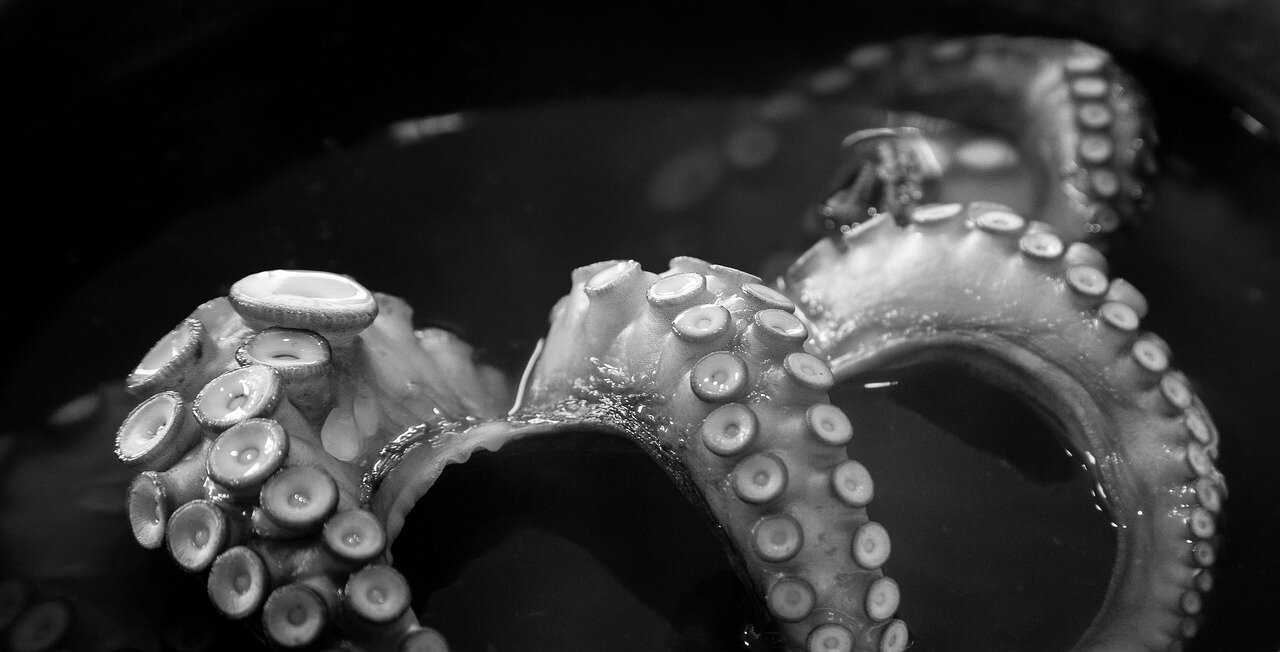
Frequently asked questions about the octopus and CG design
Key insights and future directions in CG design inspired by nature
The integration of real-life inspirations, such as the octopus at the Vancouver Aquarium, into computer-generated (CG) design has opened up new avenues for creativity and realism in visual storytelling. As filmmakers and designers continue to explore the nuances of animal movements and behaviors, the potential for more lifelike characters that resonate with audiences becomes increasingly attainable. This trend not only enhances the aesthetic appeal of animated features but also deepens the emotional connection viewers have with digital characters.
Looking ahead, the collaboration between biologists and CG artists will likely yield innovative techniques that further blur the lines between reality and animation. By utilizing advanced motion capture technology and studying the intricate details of animal physiology, creators can develop characters that embody authenticity while pushing the boundaries of artistic expression.
- Expect a rise in partnerships between animators and zoologists to enhance character realism.
- Advancements in motion capture technology will continue to refine the portrayal of animal movements.
- Audiences may increasingly seek narratives that highlight environmental themes through realistic animal characters.
- Future CG projects could explore the emotional depth of non-human characters, fostering empathy in storytelling.
- As CG technology evolves, the integration of real-world biology will likely become a standard practice in character design.