
Recent high-profile cases have brought attention to the complexities of this relationship. For instance, in 2023, a viral incident involving a well-known pop star and their assistant highlighted the intense demands placed on these individuals, raising questions about the ethical implications of their roles. As celebrities increasingly seek to maintain their public images, assistants often find themselves navigating a precarious balance of support and subservience. Understanding these dynamics is essential for addressing the challenges in celebrity culture.
The growing trend of celebrity assistants managing social media accounts and personal branding has also sparked debate. Some argue that this shift has transformed assistants into enablers rather than mere support staff, as they are expected to fulfill increasingly personal requests that go beyond traditional job descriptions. This phenomenon raises concerns about the mental and emotional toll on assistants, who may feel pressured to prioritize their employer’s whims over their own well-being.
Moreover, the legal and financial ramifications of these relationships cannot be overlooked. With the rise of high-profile lawsuits involving celebrities and their staff, there is a growing need for clearer guidelines surrounding the responsibilities and rights of celebrity assistants. As the industry continues to evolve, understanding the dynamics at play is crucial for both employers and employees in navigating this complex landscape, which is explored in depth in our related article.
The Evolution of Celebrity Assistance in the Entertainment Industry
The role of celebrity assistants has transformed significantly over the decades, evolving from mere administrative support to multifaceted positions that cater to the unique needs of high-profile individuals. Historically, the entertainment industry has always been a glamorous yet demanding environment, often necessitating a dedicated support system for stars. In the early 20th century, assistants primarily handled logistical tasks such as scheduling and correspondence, but as the industry grew, so did the complexity of these roles.

By the mid-20th century, the rise of celebrity culture and the increasing demands of public life led to a more personalized approach to assistance. Celebrities began to require not just organizational help but also emotional support and lifestyle management. This shift was marked by the emergence of high-profile figures like Marilyn Monroe and Elvis Presley, whose assistants were often tasked with managing their public personas as much as their private lives.
The Impact of Technology and Social Media
With the advent of technology and social media in the 21st century, the responsibilities of celebrity assistants have expanded even further. Today, they are not only responsible for managing schedules and travel but also for curating online presence and engaging with fans. This has blurred the lines of professional duty, as assistants often find themselves navigating the complex interplay between personal and public life, raising questions about boundaries and ethical considerations.
Moreover, the economic pressures of the entertainment industry have led to a competitive environment where assistants may feel compelled to go above and beyond their traditional roles. The desire to maintain a celebrity’s image and ensure their success can sometimes lead to situations where personal boundaries are ignored, prompting discussions about the ethical implications of such relationships.
Key milestones in this evolution include the rise of reality television, which has exposed the inner workings of celebrity lifestyles, and the increasing prevalence of public scrutiny regarding mental health and personal well-being. As society becomes more aware of the pressures faced by public figures, the role of the assistant is also being reevaluated, highlighting the need for a balance between support and respect for personal autonomy, much like the ongoing discussions surrounding mental health awareness.
Examining the Ethical Dilemmas Faced by Assistants
Celebrity assistants often find themselves in a complex web of responsibilities, expectations, and ethical dilemmas. As they cater to the needs of their high-profile bosses, the line between professional duty and personal indulgence can become blurred. This raises important questions about the nature of their roles and the implications for both the assistants and their employers.
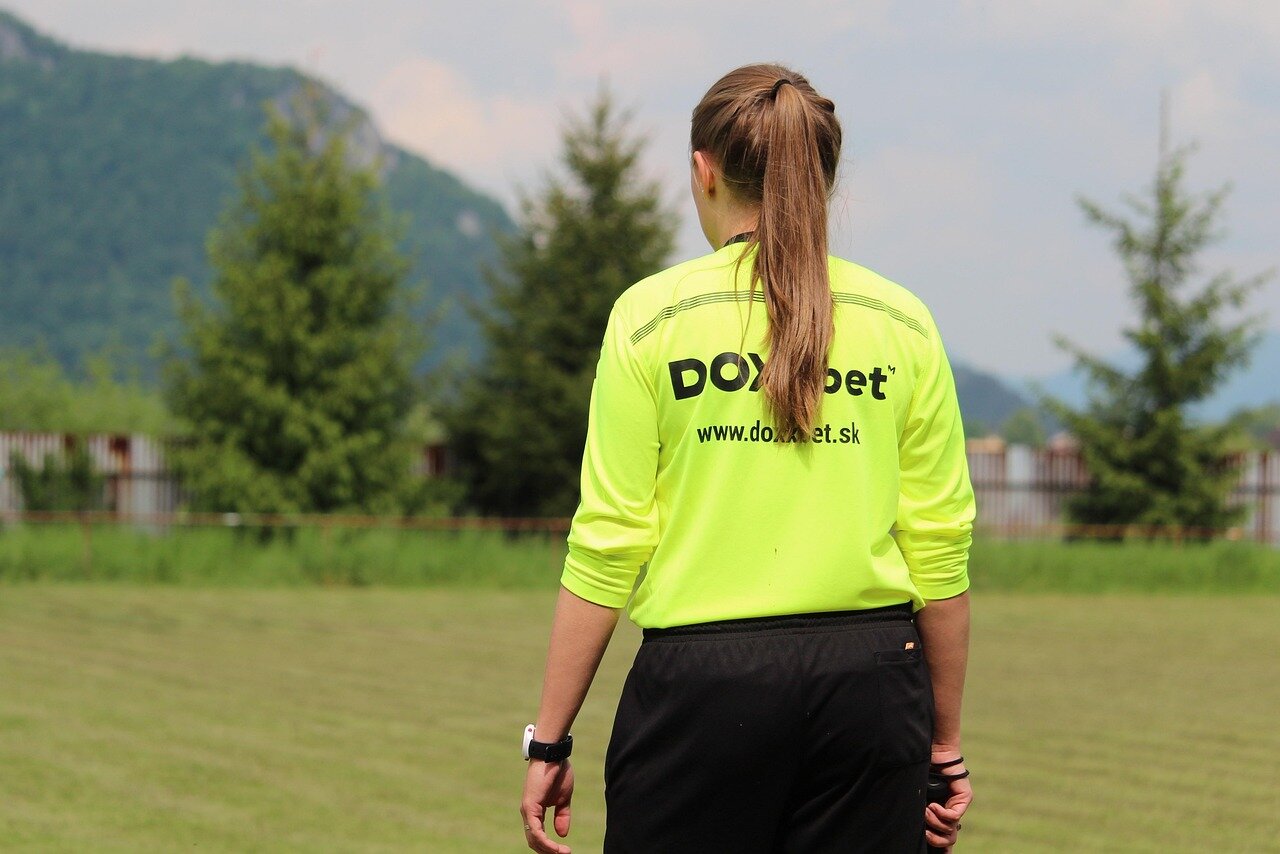
One of the main actors in this scenario is the celebrity themselves, who typically seeks unwavering loyalty and support from their assistants. Their interests often revolve around maintaining a public image, managing personal affairs, and ensuring that their professional obligations are met without interruption. However, this can lead to scenarios where assistants are expected to compromise their own values or well-being in order to accommodate their bosses.
On the other hand, the assistants are individuals who may have their own career aspirations and ethical standards. While they may initially accept the role with enthusiasm, the demands of the job can lead to conflicts. For instance, they might be asked to engage in activities that could be deemed unethical, such as covering up personal scandals or facilitating questionable behavior. This creates a tension between their professional loyalty and personal integrity.
- Power Dynamics: The inherent power imbalance can pressure assistants to prioritize their employer’s needs over their own.
- Legal Implications: Assistants may face legal repercussions if they partake in any illegal activities on behalf of their employers.
- Emotional Toll: The stress of managing the demands of a celebrity can lead to burnout and mental health issues for assistants.
- Public Perception: The actions of celebrity assistants can influence public opinion about their employers, raising ethical questions about loyalty.
- Career Trajectories: The experience gained in these roles can either enhance or hinder an assistant’s future career prospects.
Moreover, the entertainment industry itself plays a significant role in shaping these dynamics. Organizations that employ celebrity assistants often have their own interests, focusing on productivity and brand image. This can lead to expectations that assistants will go above and beyond, sometimes at the cost of their own ethical standards. The economic pressures of the industry can exacerbate these issues, as assistants may fear losing their jobs in a highly competitive environment.
The Effects of Celebrity Culture on Assistants’ Lives
The world of celebrity culture significantly impacts various groups, particularly personal assistants who cater to high-profile clients. These individuals often find themselves navigating the complex dynamics of fame and power, which can lead to both rewarding and challenging experiences. The entertainment industry, in particular, is heavily influenced, as assistants play a crucial role in managing the demanding schedules and extravagant lifestyles of their employers.
In the short term, celebrity assistants may experience increased job security due to the high demand for their services. However, they also face potential burnout as the pressures of their roles can lead to long working hours and emotional strain. This duality creates a unique environment where assistants must balance their professional responsibilities with their personal well-being.

In the mid-term, the impact of celebrity culture may lead to changes in workplace policies within the entertainment industry. As awareness of the mental health challenges faced by assistants grows, there could be a push for better working conditions, including reasonable hours and mental health support. This shift could benefit not only assistants but also the overall productivity and satisfaction of those working in high-pressure environments.
- Risks: Increased stress and burnout among assistants, potential exploitation in high-demand roles.
- Opportunities: Development of support networks and advocacy for better working conditions.
- Impact on Business: Shift towards a more sustainable model of employment within the celebrity industry.
Regions with a high concentration of celebrities, such as Los Angeles, are particularly affected by these dynamics. The local economy thrives on the entertainment industry, which creates a unique ecosystem for assistants. However, the intense nature of celebrity culture can also lead to a volatile job market, where assistants are often seen as disposable. This reality underscores the need for systemic changes that prioritize the well-being of those who support the stars.
A: A celebrity assistant typically manages schedules, handles communications, and organizes events for their boss. They are essential in ensuring that the celebrity’s daily life runs smoothly. A: The duty may cross ethical boundaries when assistants are asked to perform personal tasks that infringe on their own time or well-being. Recognizing these limits is crucial for maintaining a healthy work relationship. A: Many assistants develop strong time management skills and set clear boundaries with their employers. Support networks and professional development can also help them navigate the challenges. A: Legal protections vary by location and can include labor laws that address working hours and conditions. However, the unique nature of celebrity work can complicate these protections. A: Successful celebrity assistants often possess strong organizational skills, discretion, and the ability to adapt quickly to changing situations. Communication skills are also vital for effective collaboration.
Frequently Asked Questions About Celebrity Assistants
Key Takeaways and Future Considerations
The dynamic between celebrity assistants and their high-profile employers raises essential questions about boundaries and the nature of service. While the role of an assistant is to support and fulfill the needs of their boss, it is crucial to recognize when this duty may lead to ethical dilemmas or personal sacrifice. As the entertainment industry continues to evolve, understanding these nuances will be vital for both assistants and celebrities alike.
Moving forward, it is important to consider the implications of such relationships on mental health, job satisfaction, and professional ethics. The balance between loyalty and self-preservation must be navigated carefully, ensuring that the well-being of both parties is prioritized.
- Establish Clear Boundaries: Both celebrities and assistants should communicate expectations to avoid misunderstandings and protect personal space.
- Encourage Open Dialogue: Regular check-ins can foster a healthy working environment and address any concerns before they escalate.
- Promote Mental Health Awareness: Assistants should have access to resources that support their mental well-being, recognizing the pressures of their role.
- Evaluate the Power Dynamics: Understanding the influence of fame on relationships can help in maintaining a balanced professional environment.
- Advocate for Professional Standards: Establishing industry norms for assistant roles can help protect workers from exploitation and ensure fair treatment.