
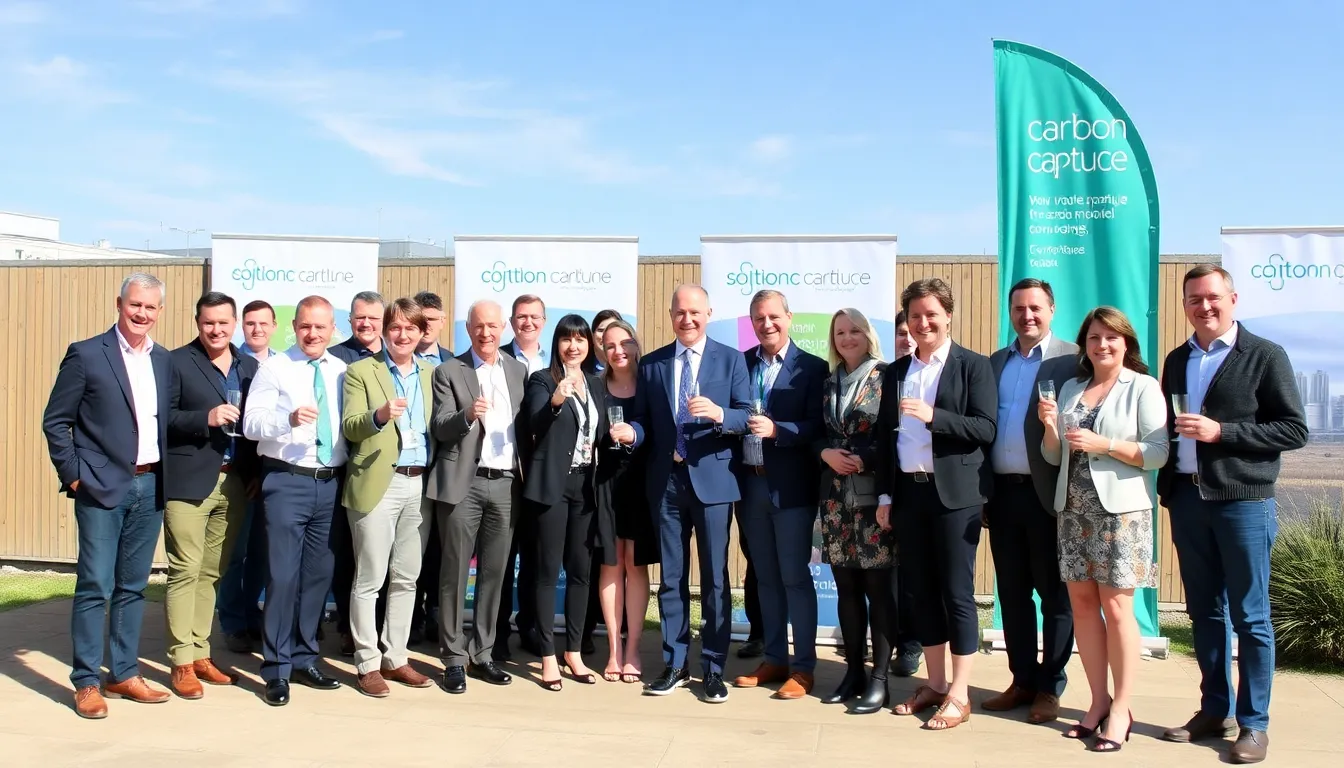
This financial backing is intended to accelerate the company’s innovative carbon capture projects, which aim to capture and store carbon dioxide emissions from industrial processes, contributing to the broader goals of green technology.
The recent investment highlights the growing recognition of carbon capture as a viable solution to mitigate climate change, especially as the UK government pledges to reach net-zero emissions by 2050.
Industry experts believe that this funding will not only enhance the company’s operational capabilities but also position it as a leader in the carbon capture market. As other companies and governments look to invest in similar technologies, this development could pave the way for further advancements and collaborations in the field.
The importance of carbon capture in addressing climate change
As the world grapples with the escalating impacts of climate change, carbon capture technology has emerged as a critical tool in the fight against greenhouse gas emissions. This technology aims to capture carbon dioxide emissions from sources like power plants and industrial processes, preventing them from entering the atmosphere. The urgency of implementing such solutions has grown in response to international climate agreements, such as the Paris Agreement, which set ambitious targets for reducing global warming.
Historically, the concept of carbon capture and storage (CCS) has its roots in the late 20th century, but it gained significant momentum in the 2000s as scientific consensus on climate change solidified. Governments and private entities began investing in research and development, leading to pilot projects and initial commercial applications. However, the technology has faced challenges, including high costs and public skepticism, which have hindered its widespread adoption.
Key milestones in carbon capture development
Several key milestones have shaped the landscape of carbon capture technology. In 2011, the United States launched the National Enhanced Oil Recovery Initiative, which incentivized the use of captured carbon dioxide in oil recovery processes. This initiative provided a financial model that demonstrated the viability of CCS, encouraging further investment. Additionally, the establishment of the Global CCS Institute in 2009 marked a significant step in promoting collaboration among countries and industries to advance carbon capture technologies.
This political will, combined with advancements in technology and growing public awareness of climate issues, has created a fertile environment for carbon capture companies to secure investments, such as the nearly £1 million recently acquired by a leading firm in the sector.
As the world moves towards a low-carbon economy, the role of carbon capture will likely become even more prominent. With increasing regulatory pressures and a shift in public sentiment towards sustainable practices, companies in this field are poised to play a pivotal role in mitigating climate change while also driving economic growth through innovation and job creation.
Key stakeholders and their roles in the funding process
The recent funding of nearly £1 million for a carbon capture company highlights the involvement of various stakeholders, each with distinct interests and motivations. These stakeholders include government bodies, private investors, environmental organizations, and the company itself. Understanding their roles is crucial for grasping the broader implications of this financial backing.

Government agencies play a pivotal role in the funding landscape, often providing grants or incentives to promote green technologies. Their primary interest lies in achieving climate goals and reducing carbon emissions. By supporting carbon capture initiatives, they aim to demonstrate leadership in environmental policy and contribute to international climate commitments.
Private investors, on the other hand, are motivated by the potential for financial returns. Their backing may hinge on the perceived viability of the carbon capture technology and its ability to scale. However, this creates a tension between profit motives and the long-term sustainability of environmental initiatives. Investors must balance short-term financial expectations with the necessity for meaningful climate action.
Environmental organizations often advocate for transparency and accountability in the funding process. They may scrutinize the effectiveness of carbon capture technologies and raise concerns about potential greenwashing. Their interest is in ensuring that investments genuinely contribute to reducing carbon footprints rather than merely serving as a public relations tool.
- Government funding can accelerate technological development but may face bureaucratic hurdles.
- Investors must assess the risk versus reward of supporting emerging carbon capture technologies.
- Environmental groups may challenge the efficacy and ethical implications of carbon capture solutions.
- Public perception and consumer behavior can influence the success of carbon capture initiatives.
- Regulatory frameworks will shape the operational landscape for carbon capture companies.
In this complex landscape, conflicts may arise between the immediate financial interests of investors and the long-term environmental goals championed by governments and advocacy groups. Additionally, legal frameworks surrounding carbon emissions and technology deployment could further complicate the dynamics between these stakeholders. As the carbon capture industry evolves, navigating these relationships will be essential for fostering sustainable growth and addressing the pressing issue of climate change.
Potential impacts of the funding on the market and environment
The recent backing of nearly £1 million for a carbon capture company is poised to influence various groups, industries, and regions. Key stakeholders include environmental organizations, energy companies, and local governments. The funding could particularly benefit regions heavily reliant on fossil fuels, as they may need to transition towards more sustainable practices.

In the short term, businesses in the energy sector may feel immediate pressure to adopt carbon capture technologies to meet regulatory standards and market expectations. This could lead to increased operational costs as companies invest in new technologies. However, it also presents an opportunity for innovation and leadership in sustainability, potentially enhancing their market position.
In the mid-term, the widespread adoption of carbon capture could reshape energy policies, encouraging governments to implement stricter emissions regulations. This shift may lead to a more competitive landscape, where companies that fail to adapt risk losing market share. Additionally, communities that embrace these technologies could see job creation in the green technology sector.
- Risks: Increased operational costs for businesses, potential job losses in traditional energy sectors.
- Opportunities: Growth in green technology jobs, improved public perception of companies investing in sustainability.
- Policy Changes: Stricter regulations could drive innovation and compliance in various industries.
Ultimately, while the funding presents challenges, it also opens doors for economic growth and environmental benefits, impacting daily life and business practices in significant ways.
A: Carbon capture technology involves capturing carbon dioxide emissions from sources like power plants and storing it underground to prevent it from entering the atmosphere. A: The funding will be used to enhance the company’s carbon capture technology, expand operations, and potentially scale up production. A: Carbon capture is crucial for reducing greenhouse gas emissions and combating climate change, as it helps mitigate the impact of fossil fuel use. A: The funding was provided by a consortium of investors interested in supporting sustainable technologies and addressing climate change. A: The expected outcomes include improved technology efficiency, increased capacity for carbon capture, and a positive impact on the environment.
Frequently asked questions about the funding and carbon capture
Future outlook for carbon capture technology and funding
The recent funding of nearly £1 million for a carbon capture company highlights the growing recognition of the technology’s potential to mitigate climate change. As governments and industries face increasing pressure to reduce carbon emissions, investments in innovative solutions like carbon capture are likely to gain momentum. This financial backing not only supports the development of new technologies but also signals a broader commitment to sustainable practices within the economy.
Looking ahead, the evolution of carbon capture technology may lead to significant advancements in efficiency and scalability. As more funding flows into this sector, we can expect to see enhanced collaboration between public and private entities, paving the way for breakthroughs that could transform how industries manage their carbon footprints.
- Increased investment in carbon capture could accelerate technological advancements and lower costs.
- Collaboration between startups and established companies may foster innovation and improve deployment strategies.
- Regulatory support and incentives will play a crucial role in determining the pace of adoption in various sectors.
- Monitoring the performance of funded projects will provide insights into best practices and areas for improvement.
- Public awareness and acceptance of carbon capture solutions will be essential for widespread implementation.