
Canter’s performance was highlighted by his exceptional riding skills and the strong partnership with his horse, which showcased their training and preparation leading up to the competition. His ability to navigate the challenging course, which included a series of technical jumps and demanding terrain, demonstrated not only his talent but also the dedication required to excel at this level.
His success at Badminton contributes to the growing profile of equestrian sports in the UK and inspires a new generation of riders aiming to achieve similar feats.
As the equestrian community reflects on this remarkable achievement, discussions are already turning to the future and what it means for Canter’s career trajectory. With the upcoming European Championships and other major competitions on the horizon, his continued success will be closely monitored by fans and competitors alike.
Understanding the significance of the Badminton Horse Trials
The Badminton Horse Trials, held annually in Gloucestershire, England, is one of the most prestigious events in the equestrian calendar, making it an important link to the heritage of eventing.

Historically, the event has been a platform for riders to demonstrate their abilities in three disciplines: dressage, cross-country, and show jumping. Winning at Badminton is considered a pinnacle achievement in an eventing career, with riders such as Mark Todd and Pippa Funnell achieving legendary status through their successes. The trials have seen numerous memorable moments, including groundbreaking performances and dramatic challenges posed by the demanding course designed to test both horse and rider.
The Evolution of Eventing
Eventing as a sport has its roots in military training, where cavalry officers tested their horses’ endurance and agility. Over the decades, it has transformed into a highly competitive and regulated sport, with the Badminton Horse Trials playing a crucial role in this evolution. The introduction of safety measures and changes in course design have significantly impacted how the trials are conducted, ensuring the well-being of both horses and riders while maintaining the challenge of the competition.
In recent years, the trials have also reflected broader social and economic trends, such as the increasing professionalism in equestrian sports and the growing emphasis on sustainability and animal welfare. As sponsors and media interest have surged, the Badminton Horse Trials has adapted to remain relevant, showcasing new talent while honoring the rich history of the sport.
This milestone underscores the competitive nature of eventing and highlights the ongoing legacy of the Badminton Horse Trials as a cornerstone of equestrian excellence.
Key players and factors influencing the competition
The recent victory of Canter at the Badminton Horse Trials has drawn attention not only for its historical significance but also for the various stakeholders involved in the equestrian sport. The main actors include the riders, their support teams, event organizers, sponsors, and governing bodies of equestrian sports. Each of these entities has distinct interests that influence the competition landscape.

Riders like Canter are primarily focused on achieving personal accolades and enhancing their reputation within the sport. Their success can lead to increased sponsorship opportunities and financial backing. Support teams, including trainers and veterinarians, are equally invested, as their expertise directly impacts the performance of the horse and rider. Event organizers aim to deliver a successful competition that attracts spectators and sponsors, thereby ensuring the financial viability of future events.
On the other hand, sponsors seek to maximize their brand visibility and align themselves with successful athletes. This creates a dynamic where the interests of riders and sponsors can sometimes conflict, particularly when it comes to media commitments and promotional activities. Additionally, governing bodies like the Fédération Equestre Internationale (FEI) are focused on maintaining the integrity of the sport, which includes enforcing regulations that ensure fair competition and the welfare of the horses.
- Economic Interests: The financial implications of sponsorship deals and ticket sales significantly influence the event’s success.
- Regulatory Challenges: Compliance with FEI regulations can lead to disputes over horse eligibility and rider conduct.
- Public Perception: The way stakeholders manage their public image can affect the overall popularity and support for the sport.
- Environmental Concerns: The impact of large equestrian events on local ecosystems can lead to tensions with environmental advocacy groups.
As the sport continues to evolve, the interplay between these stakeholders will shape the future of equestrian competitions. The outcome of events like the Badminton Horse Trials is not only a reflection of individual talent but also a complex web of interests and influences that extend far beyond the arena.
The effects of Canter’s victory on the equestrian community
Canter’s remarkable achievement at Badminton is set to resonate across various segments of the equestrian community, impacting riders, trainers, sponsors, and fans alike. The victory not only elevates Canter’s status but also brings attention to the sport as a whole, potentially attracting new participants and spectators.
In the short term, local equestrian businesses, such as riding schools and tack shops, may experience a surge in interest. Increased media coverage and public excitement can lead to higher attendance at events and competitions, benefiting the entire equestrian ecosystem. Additionally, Canter’s win may inspire young riders, encouraging them to pursue their dreams in the sport.

Mid-term impacts could include a shift in sponsorship dynamics, with brands eager to align themselves with successful athletes like Canter. This could lead to increased funding for training programs and events, fostering a more competitive environment. However, the pressure to perform at such high levels may also lead to burnout among riders, highlighting the need for mental health support in the sport.
- Increased visibility: Greater public interest in equestrian events.
- Economic boost: Local businesses benefiting from increased attendance.
- New sponsorship opportunities: Potential for enhanced funding in the sport.
- Inspiration for youth: Encouraging the next generation of riders.
- Pressure on athletes: Risks of burnout and mental health challenges.
Overall, while Canter’s victory presents significant opportunities for growth within the equestrian community, it also underscores the importance of addressing the challenges that come with heightened visibility and competition.
A: Canter’s third victory at Badminton solidifies his status as one of the top competitors in the sport, potentially leading to more sponsorships and opportunities. A: This victory is particularly significant as it marks a record third win, showcasing Canter’s consistency and skill over the years. A: Throughout the trials, Canter encountered various obstacles, including difficult terrain and weather conditions, which he navigated expertly. A: Following this victory, Canter is expected to compete in several international events, aiming to maintain his winning streak. A: Canter’s achievement is celebrated widely, with fans expressing admiration for his dedication and skill, further inspiring upcoming riders.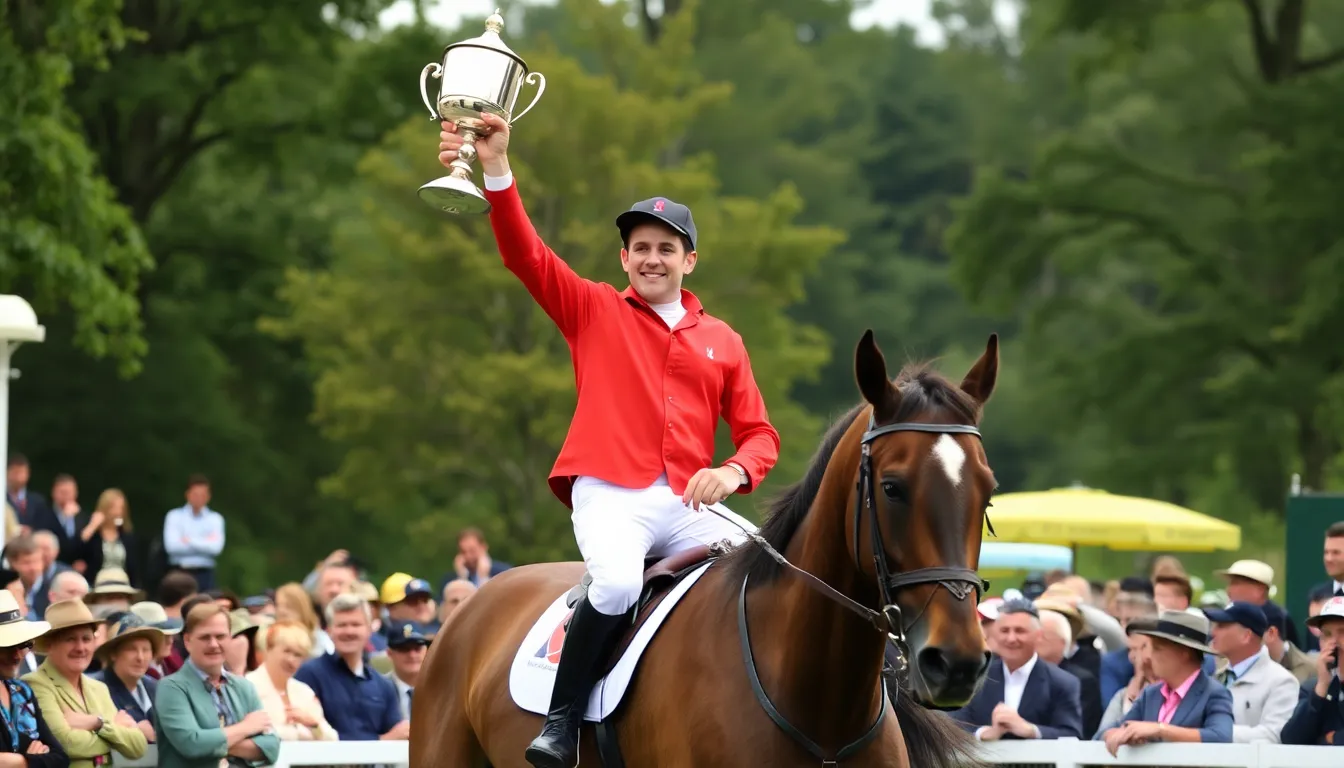
Frequently asked questions about Canter’s victory
Looking ahead: What Canter’s victory means for the future
Canter’s remarkable achievement at Badminton not only solidifies his status in the equestrian world but also sets a new benchmark for competitors. This victory highlights the importance of consistent performance and mental resilience in high-pressure environments. As the sport evolves, Canter’s approach may inspire a new generation of riders to adopt similar strategies in their training and competition routines.
Moreover, the implications of this win extend beyond Canter himself. It raises the bar for upcoming events, as competitors will be motivated to push their limits in pursuit of excellence. As the equestrian community reflects on this historic moment, the focus will likely shift to how athletes can innovate and adapt their techniques to meet the challenges of future competitions.
- Expect increased competition intensity as riders aim to match or surpass Canter’s achievements.
- Watch for potential shifts in training methodologies influenced by Canter’s success.
- Monitor the impact of this victory on sponsorship and funding opportunities for equestrian athletes.
- Anticipate a rise in interest and participation in the sport, particularly among younger riders.
- Consider the role of technology and analytics in enhancing performance, as Canter’s victory may prompt further exploration in this area.