
Local health authorities have noted that the incidence of rare cancers, such as bile duct cancer and kidney cancer, has been particularly alarming. For instance, a community health assessment conducted in 2022 revealed that the cancer rate in Fort Chipewyan, a town near the oil sands, was nearly double the national average. These findings have prompted calls for increased monitoring and research into the environmental factors contributing to these health issues, similar to the investigations seen in allegations of improper breast cancer treatments.
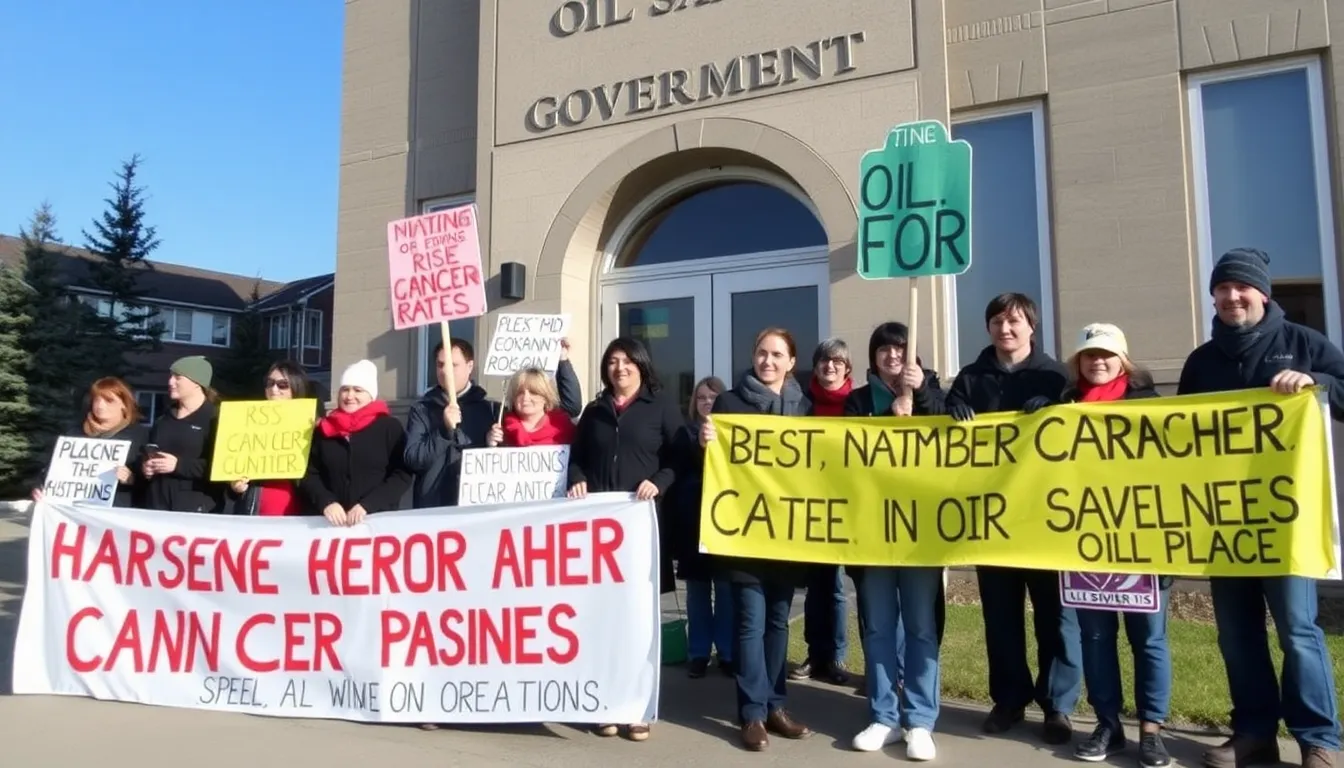
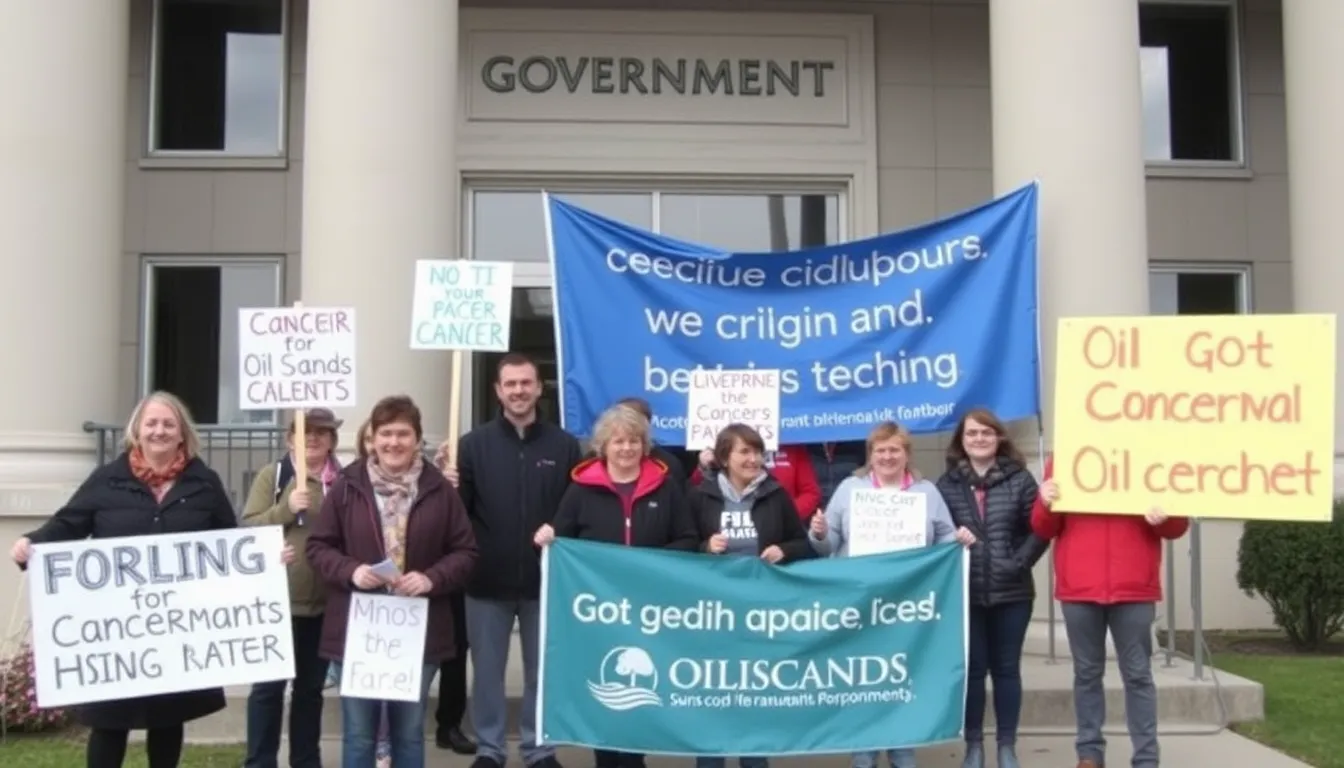
Environmental activists and health advocates argue that the proximity to oil sands operations, including tailings ponds and emissions from processing facilities, may be linked to these rising cancer rates. In September 2023, a coalition of local residents and environmental groups organized a protest demanding greater transparency and stricter regulations on emissions from these operations. They emphasize the need for comprehensive studies to understand the relationship between industrial activities and public health.
The situation has drawn the attention of national media and health organizations, putting pressure on both provincial and federal governments to take action. In response, the Alberta government announced plans in late October 2023 to fund a study examining the health impacts of oil sands development on local communities. However, critics remain skeptical, citing a history of insufficient responses to health concerns related to industrial pollution, which echoes the calls for better accountability in health monitoring.
Understanding the oil sands and their environmental impact
The oil sands, primarily located in Alberta, Canada, represent one of the largest reserves of crude oil in the world. This resource has been a focal point of Canada’s energy policy since the 1970s, when technological advancements made extraction economically viable. However, the process of extracting oil from the sands is highly controversial due to its significant environmental impact, including deforestation, water contamination, and greenhouse gas emissions.
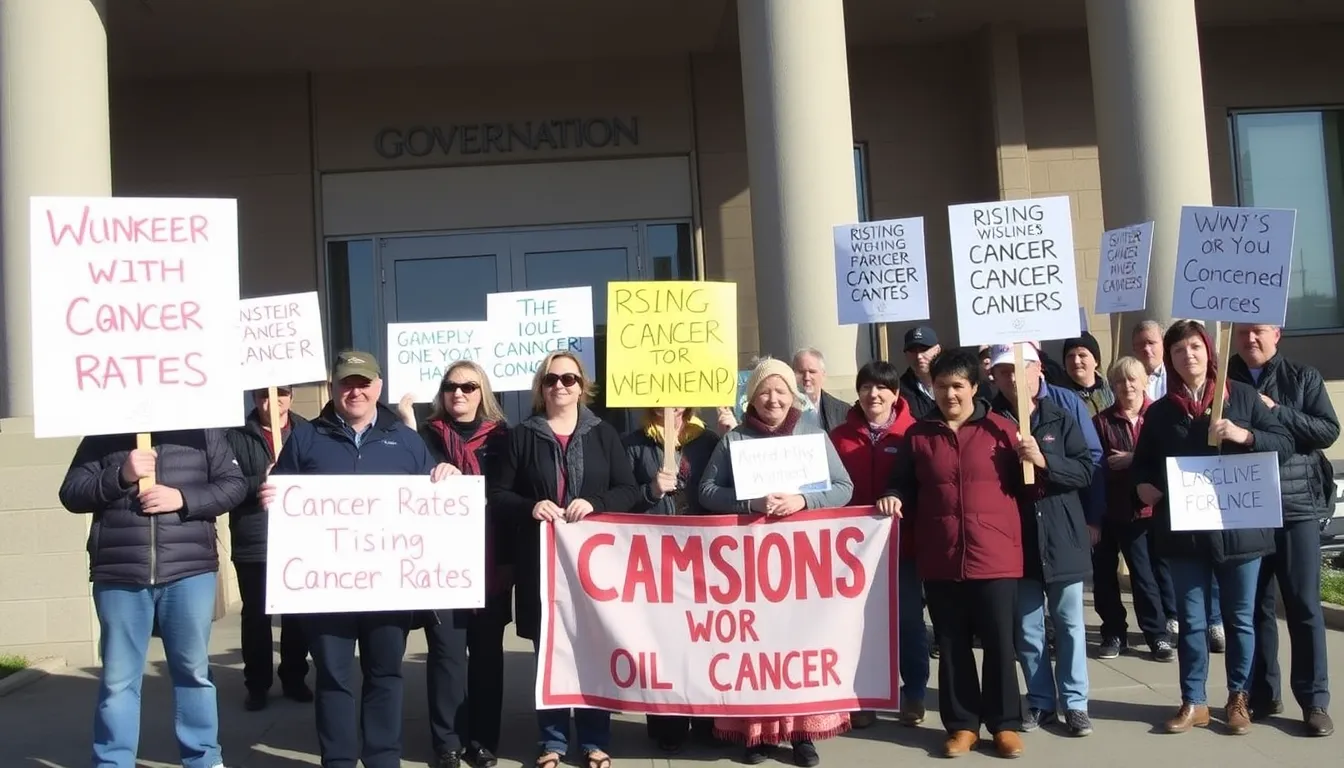
Historically, the development of the oil sands has been intertwined with Canada’s economic growth. The 2000s saw a boom in oil prices, which spurred investment in oil sands projects, leading to increased production and exportation. This economic incentive has often overshadowed environmental concerns, as local communities and indigenous groups began to voice their opposition to the expansion of oil extraction activities. Reports of rising cancer rates and other health issues among residents living near these operations have intensified scrutiny of the industry.
Health Concerns and Community Impact
Communities surrounding the oil sands have reported alarming health trends, including a significant increase in cancer cases. Studies have linked these health issues to the pollutants released during extraction and processing, such as benzene and other carcinogens. The situation has prompted calls for more rigorous health assessments and environmental regulations, as residents seek to understand the long-term implications of living in proximity to these industrial sites.
Political responses to these health concerns have been mixed. While some provincial and federal leaders have acknowledged the need for better oversight, others prioritize economic benefits over environmental protection. This divide has led to protests and advocacy efforts aimed at raising awareness about the potential dangers of oil sands development, highlighting the tension between economic interests and community health.
As the world shifts toward renewable energy sources, the future of Canada’s oil sands remains uncertain. The ongoing debate over the environmental and health impacts of oil extraction continues to shape public opinion and policy decisions, making it a critical issue for both local communities and the broader Canadian society.
Key stakeholders and the controversies surrounding oil extraction
The oil sands in Canada, particularly in Alberta, have become a focal point for various stakeholders, each with their own interests and concerns. The primary actors include oil companies, local communities, environmental organizations, and government authorities. Their interactions and conflicts shape the ongoing debate about the impact of oil extraction on health and the environment.
Oil companies, such as Suncor and Canadian Natural Resources Limited, are primarily driven by profit and the desire to meet global energy demands. They argue that oil sands development contributes significantly to the economy, providing jobs and revenue. However, these companies face increasing scrutiny over their environmental practices and the health implications for nearby residents.
Local communities in proximity to the oil sands operations express concerns regarding health issues, particularly the rise in cancer rates. Many residents believe that the pollutants released during extraction and processing contribute to these health problems. This has led to a growing movement among community members advocating for better health monitoring and transparency from oil companies, as seen in similar advocacy efforts surrounding health concerns in various regions.
Environmental organizations, such as Greenpeace and the Pembina Institute, are vocal critics of oil sands extraction. They highlight the ecological damage caused by the industry, including deforestation, water contamination, and greenhouse gas emissions. These groups often engage in activism to raise awareness and push for stricter regulations on oil extraction practices.
- Health Risks: Rising cancer rates and other health issues reported by local residents are at the forefront of the debate.
- Economic Benefits: Oil companies emphasize job creation and economic growth as key advantages of oil sands development.
- Environmental Impact: Concerns over deforestation, water usage, and emissions are central to environmental organizations’ arguments.
- Regulatory Challenges: The need for stricter regulations and enforcement is a contentious issue among stakeholders.
- Community Advocacy: Local residents are increasingly organizing to demand accountability and health protections.
Health implications for residents living near oil sands
The communities surrounding Canada’s oil sands are facing significant health challenges, particularly an alarming increase in cancer rates. Residents, especially those in Indigenous and low-income neighborhoods, are disproportionately affected due to their close proximity to the toxic byproducts of oil extraction and processing. These groups often lack the necessary resources to advocate for their health and environmental rights, making them particularly vulnerable.
In the short term, the immediate impact on daily life includes increased health care costs and a heightened sense of anxiety among residents. Families may find themselves spending more time and resources on medical treatments, leading to financial strain. Additionally, local businesses may experience a downturn as the community grapples with health crises, reducing consumer spending and affecting economic stability.
In the mid-term, policies may shift as public awareness grows and advocacy efforts intensify. There is potential for increased regulation of the oil sands industry, which could lead to stricter environmental standards and improved health protections for residents. However, this could also result in job losses in the oil sector, impacting the livelihoods of those employed in related industries.
- Health Risks: Increased cancer rates and other health issues.
- Economic Impact: Strained local economies due to healthcare costs and potential job losses.
- Policy Changes: Possible regulatory shifts that could benefit public health but challenge the oil industry.
Despite the challenges, there are opportunities for innovation and investment in clean technologies and sustainable practices. Communities could leverage their experiences to advocate for environmental justice, potentially attracting funding for health initiatives and alternative economic development. By addressing these issues, there is a chance to foster resilience and create a healthier future for residents living near the oil sands.
A: Residents near oil sands face increased risks of cancer and other health issues due to exposure to toxic chemicals and pollutants released during extraction processes. A: Studies suggest that emissions from oil sands operations may contribute to higher cancer rates in nearby communities, raising concerns about long-term health effects. A: Advocacy groups are pushing for stricter regulations and monitoring of emissions, while local governments are exploring health impact assessments. A: Yes, several studies have indicated a correlation between living near oil sands and elevated cancer incidence, prompting further research and public scrutiny. A: Residents are encouraged to stay informed about local environmental policies, participate in community advocacy, and seek regular health check-ups.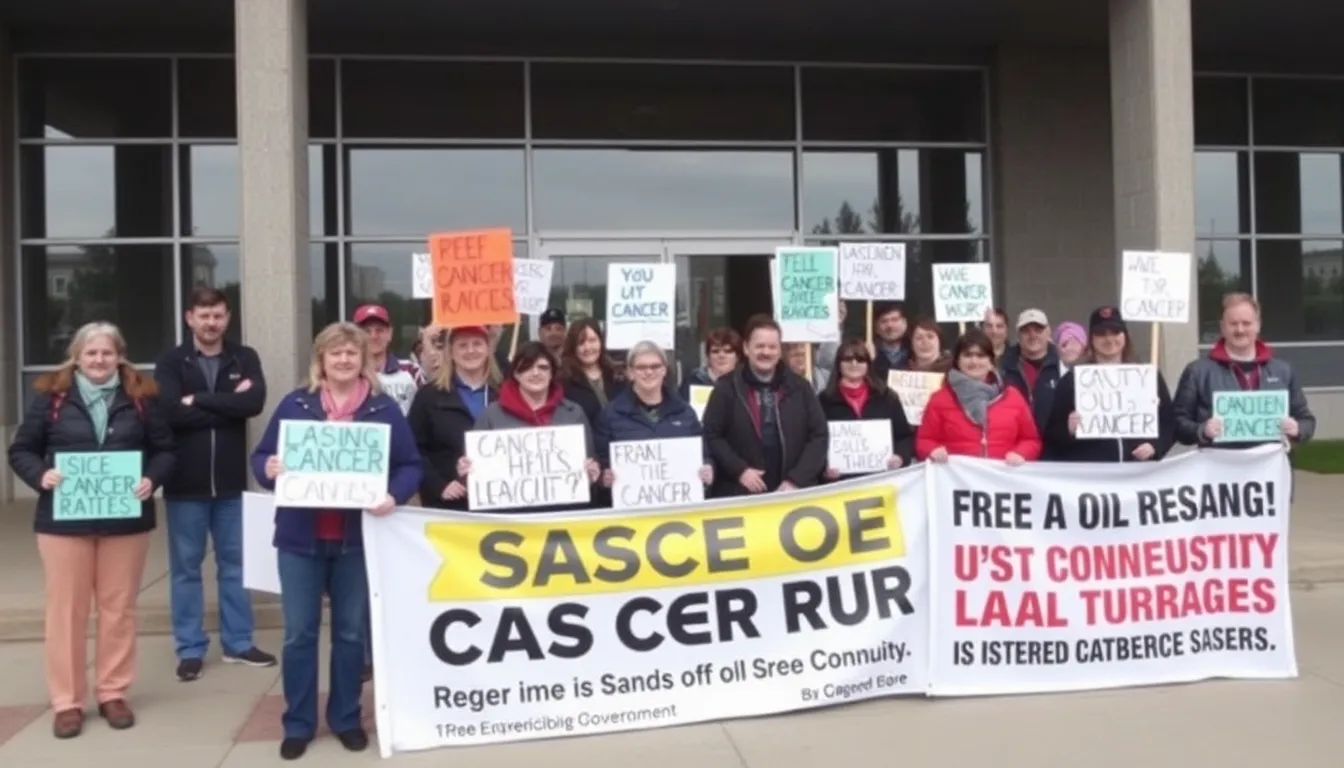
Frequently asked questions about cancer and oil sands
Future outlook on health and environmental policies
The ongoing health concerns surrounding cancer rates in communities adjacent to Canada’s oil sands wastelands highlight the urgent need for a comprehensive reassessment of environmental and public health policies. As scientific evidence continues to emerge, it becomes increasingly vital for both policymakers and the oil industry to address the potential health risks associated with these operations. The implications for local populations are profound, prompting calls for more stringent regulations and better monitoring of environmental pollutants.
Looking ahead, stakeholders must consider the balance between economic development and the health of surrounding communities. This scenario presents an opportunity for innovation in clean technologies and a renewed focus on sustainable practices that prioritize human health alongside resource extraction. The path forward will require collaboration among government, industry, and affected communities to ensure that health and environmental standards are not only met but exceeded.
- Increased transparency in reporting health impacts related to oil sands operations may foster trust and improve community relations.
- Advocacy for stricter environmental regulations could lead to significant changes in operational practices within the oil industry.
- Investment in health monitoring programs for affected populations will be crucial for understanding long-term impacts.
- Potential for growth in alternative energy sectors as communities seek to reduce reliance on fossil fuels.
- Collaboration between scientists, policymakers, and local communities will be essential to develop effective public health strategies.