
Recent events, such as the UK’s new trade agreements and changes in immigration policies, have sparked renewed interest in the narrative surrounding Brexit. Various stakeholders, including government officials, business leaders, and citizens, are sharing their experiences and perspectives through platforms like podcasts, such as the Brexit Oral History Podcast. These oral histories aim to capture a diverse range of voices, reflecting the complexities of this political shift.
Moreover, the impact of Brexit on Northern Ireland remains a critical issue. The Northern Ireland Protocol, which was established to avoid a hard border with the Republic of Ireland, has led to ongoing tensions and debates about trade and sovereignty. The situation continues to evolve, with recent discussions among political leaders highlighting the need for a balanced approach to address these challenges.
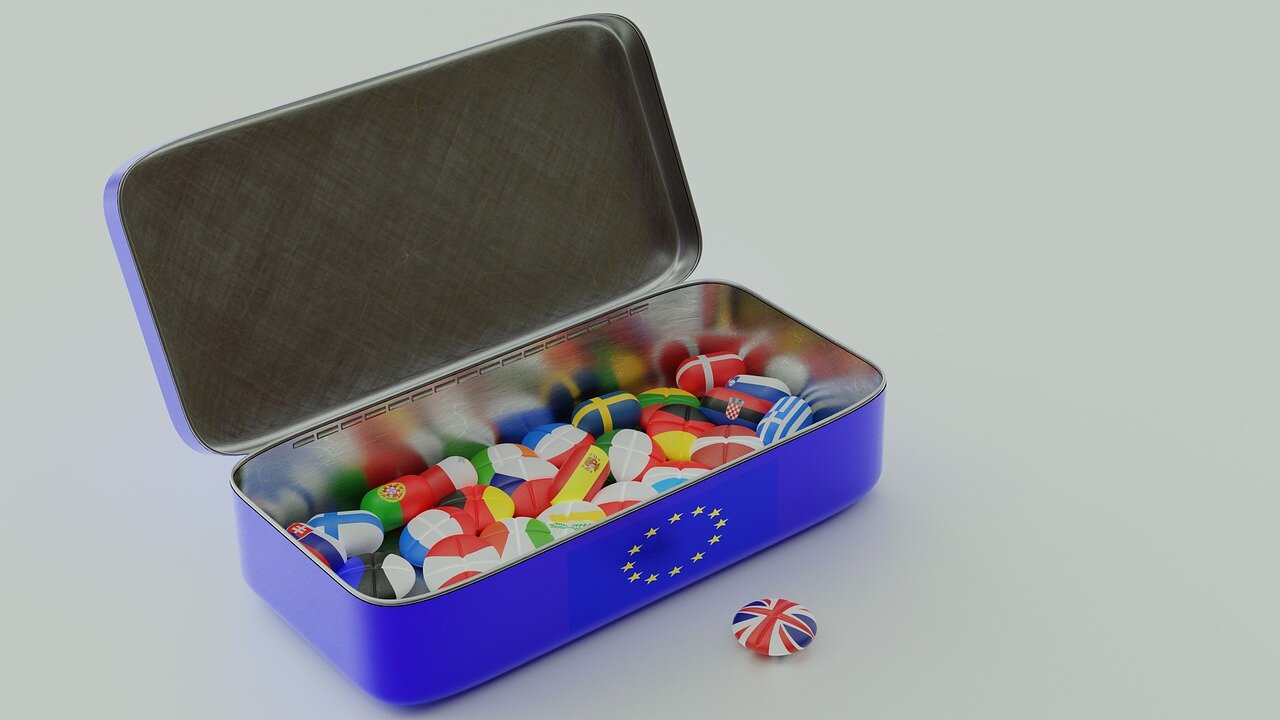
As the UK grapples with its identity outside the EU, the narratives emerging from personal stories and expert insights are crucial for understanding the broader implications of this historic decision. The podcast series serves not only as a record of experiences but also as a platform for dialogue about the future direction of the UK in a post-Brexit world.
The Historical Context of Brexit and Its Narratives
The decision for the United Kingdom to leave the European Union, commonly referred to as Brexit, is rooted in a complex interplay of historical, political, and social factors. The UK’s relationship with Europe has been contentious since the country first joined the European Economic Community in 1973. Skepticism towards the EU has been a recurring theme in British politics, fueled by concerns over sovereignty, immigration, and economic control.
One of the key milestones leading to Brexit was the 2016 referendum, where 51.9% of voters chose to leave the EU. This decision was influenced by a variety of factors, including a rising tide of nationalism, economic discontent, and a desire for greater control over immigration policies. The campaign leading up to the referendum was marked by intense debate, with arguments focusing on the perceived benefits of leaving the EU, such as the ability to negotiate independent trade deals and reduce regulatory burdens.

Political Landscape and Economic Implications
The political landscape surrounding Brexit has been characterized by deep divisions within the UK, as well as between various political parties. The Conservative Party, which led the campaign for Brexit, faced significant challenges in uniting its members and addressing the diverse opinions on the issue. Economically, Brexit has raised questions about trade relationships, access to markets, and the potential for economic disruption. For more insights on economic implications, refer to articles discussing economic factors in different sectors.
In the years following the referendum, the process of leaving the EU has been fraught with challenges, including negotiations over the withdrawal agreement and the future relationship between the UK and the EU. The complexities of these negotiations highlight the intricate web of political, economic, and social factors that have shaped the Brexit narrative. As the UK continues to navigate its post-Brexit reality, the oral histories captured in podcasts and interviews provide valuable insights into the personal experiences and sentiments of those affected by this historic decision, similar to the stories shared in the Spymob reunion podcast.
Key Stakeholders and Issues in the Brexit Oral History
The Brexit process has involved a diverse array of stakeholders, each with their own interests and perspectives. Key actors include the UK government, the European Union, businesses, and citizens. Each group has played a crucial role in shaping the discourse and decisions surrounding Brexit, often leading to conflicts and trade-offs that have defined the journey.

The UK government, led by various Prime Ministers throughout the Brexit negotiations, aimed to restore sovereignty and control over immigration and trade. This desire often clashed with the EU’s insistence on maintaining the integrity of the single market and customs union. The tension between these two objectives has been a central theme in the oral histories shared by those involved.
Businesses, particularly those reliant on cross-border trade, expressed concerns about potential disruptions and economic instability. The uncertainty surrounding tariffs, regulations, and market access has led to significant anxiety within industries such as manufacturing, agriculture, and finance. These stakeholders have often found themselves in a position of advocating for a balance between regulatory autonomy and economic pragmatism.
Citizens have also been pivotal in the Brexit narrative, with public opinion often reflecting deep divisions. Issues of national identity, immigration, and economic opportunity have driven differing viewpoints among the populace. The oral histories reveal personal stories that highlight the emotional and social implications of Brexit, showcasing how these factors have influenced individual perspectives.
- UK Government: Aims for sovereignty and control over laws and borders.
- European Union: Focuses on preserving the single market and preventing fragmentation.
- Businesses: Concerned about economic stability and trade barriers.
- Citizens: Diverse views shaped by identity, immigration, and economic concerns.
- Media: Plays a role in shaping public perception and framing the narrative.
Who is Affected by the Brexit Oral History Podcast?
The Brexit Oral History Podcast resonates with a diverse array of groups, industries, and regions, each experiencing unique consequences stemming from the UK’s departure from the EU. Individuals who have lived through the transition, including immigrants, business owners, and policymakers, share their stories, shedding light on the broader societal impact. The podcast serves as a crucial platform for voices that may otherwise remain unheard, highlighting the human element behind economic and political statistics.
In the short term, daily life has been disrupted for many, particularly those in industries heavily reliant on EU relationships, such as agriculture, manufacturing, and finance. The immediate impacts include increased costs due to tariffs, changes in labor availability, and regulatory adjustments that businesses must navigate. For example, farmers are facing new export challenges, while financial services are adapting to a more fragmented market.
Mid-term impacts are expected to shape the landscape of UK-EU relations and domestic policies. As businesses adapt to new trading rules, there may be a shift in investment patterns, with some companies relocating to maintain access to EU markets. Additionally, public services may feel the strain as workforce shortages emerge in sectors like healthcare and hospitality, leading to potential changes in immigration policy.
- Risks: Economic instability, workforce shortages, and increased operational costs.
- Opportunities: New trade agreements, a focus on domestic markets, and potential innovations in local industries.
Overall, the podcast not only documents the experiences of those affected but also serves as a reminder of the ongoing evolution in the relationship between the UK and the EU. By highlighting personal narratives, it underscores the complexities of Brexit, illustrating that the ramifications extend far beyond political discussions and into the fabric of everyday life.
A: The podcast captures personal stories and experiences related to Brexit, providing insights into the diverse perspectives surrounding this significant political event. A: The podcast features a range of voices, including politicians, activists, and everyday citizens who share their experiences and thoughts on Brexit. A: The podcast is available on various platforms such as Spotify, Apple Podcasts, and the official website, making it easily accessible to listeners. A: Oral history provides a personal and emotional context to historical events, allowing listeners to grasp the complexities and human experiences behind Brexit. A: New episodes of the podcast are typically released on a regular schedule, with updates available on the podcast’s official channels.
Frequently Asked Questions About the Podcast
Key Takeaways and Future Outlook on Brexit Narratives
The oral history of Brexit, as captured in the podcast, reveals a multifaceted narrative that continues to evolve. It emphasizes the diverse experiences and perspectives of those directly affected by the decision, showcasing the complexities of political, economic, and social implications. As the UK navigates its post-Brexit landscape, understanding these narratives becomes crucial for anticipating future developments.
Listeners are encouraged to consider how these personal stories reflect broader trends and sentiments within the UK and beyond. The ongoing discussions around trade, immigration, and national identity will likely shape the future of both the UK and its relationship with the EU and other global partners.
- Monitor shifts in public sentiment regarding Brexit as new generations engage with its implications.
- Pay attention to the evolving trade agreements and their impact on the UK economy.
- Consider the role of personal narratives in shaping political discourse and policy decisions.
- Watch for potential changes in immigration policies and their effects on labor markets.
- Analyze how Brexit influences the UK’s diplomatic relationships with both EU and non-EU countries.