
The individual, who faces serious charges related to a shooting that occurred in Bondi, argued that revealing his family’s names could lead to undue distress and potential harm. However, the court determined that the public’s right to know and the transparency of the legal process outweighed these concerns, as seen in similar high-profile cases.
This case has garnered considerable media attention, highlighting the balance between individual privacy rights and the public’s interest in high-profile criminal cases, much like other recent incidents including Blake Lively’s challenge against digital violence. The court’s decision is expected to set a precedent for similar cases in the future, where the identities of family members may be sought in the context of criminal proceedings.
As the legal proceedings continue, this ruling may impact how future cases are handled, particularly concerning the disclosure of family information in sensitive situations. Observers are closely monitoring the developments as the alleged gunman prepares for his upcoming trial, reflecting the ongoing discourse on legal privacy rights.
Background on the Bondi gunman case and its legal proceedings
The case of the alleged Bondi gunman has garnered significant media attention, raising questions about the intersection of public safety, legal rights, and family privacy. The incident, which took place in a bustling area of Bondi, New South Wales, involved an armed confrontation that left the community shaken and sparked a rapid police response. As investigations unfolded, the alleged perpetrator sought to suppress the release of his family’s names, arguing that their safety and privacy could be compromised.

This case is situated within a broader context of gun-related violence in Australia, a country that has implemented strict gun control laws since the Port Arthur massacre in 1996. These laws have significantly reduced gun-related incidents, yet isolated cases still arise, prompting public debate about the effectiveness of current regulations and the societal factors contributing to such violence. The Bondi incident has reignited discussions about mental health, access to firearms, and the responsibilities of individuals in crisis.
Legal proceedings surrounding the case have highlighted the tension between an individual’s right to privacy and the public’s right to know about potential threats to safety. The court’s decision to deny the suppression order reflects a precedent in Australian law that prioritizes transparency in cases involving serious criminal allegations. This ruling is consistent with previous cases where courts have upheld the public’s interest in understanding the context and details of violent crimes, particularly those that impact community safety.
Key Milestones in Gun Control and Legal Precedents
Historically, Australia has seen several pivotal moments in gun control legislation, notably the 1996 National Firearms Agreement, which established comprehensive measures to regulate firearm ownership. This agreement was a direct response to public outcry following tragic events and has shaped the legal landscape surrounding gun ownership ever since. Additionally, cases like the 2014 Sydney Siege have tested legal frameworks regarding the media’s right to report on ongoing threats, influencing how similar cases are handled in court.
Key stakeholders and implications of the court’s decision
The recent court ruling regarding the alleged Bondi gunman has significant implications for various stakeholders involved in the case. The primary actors include the accused, his family, the legal system, law enforcement agencies, and the media. Each of these parties has distinct interests that shape their responses to the court’s decision.
The accused, facing serious charges, is primarily interested in protecting his identity and that of his family to avoid potential stigma and harassment. This desire for privacy is in direct conflict with the public’s right to know, especially in high-profile cases where media attention is intense. The court’s decision to deny the suppression order highlights the tension between individual rights and societal interests.
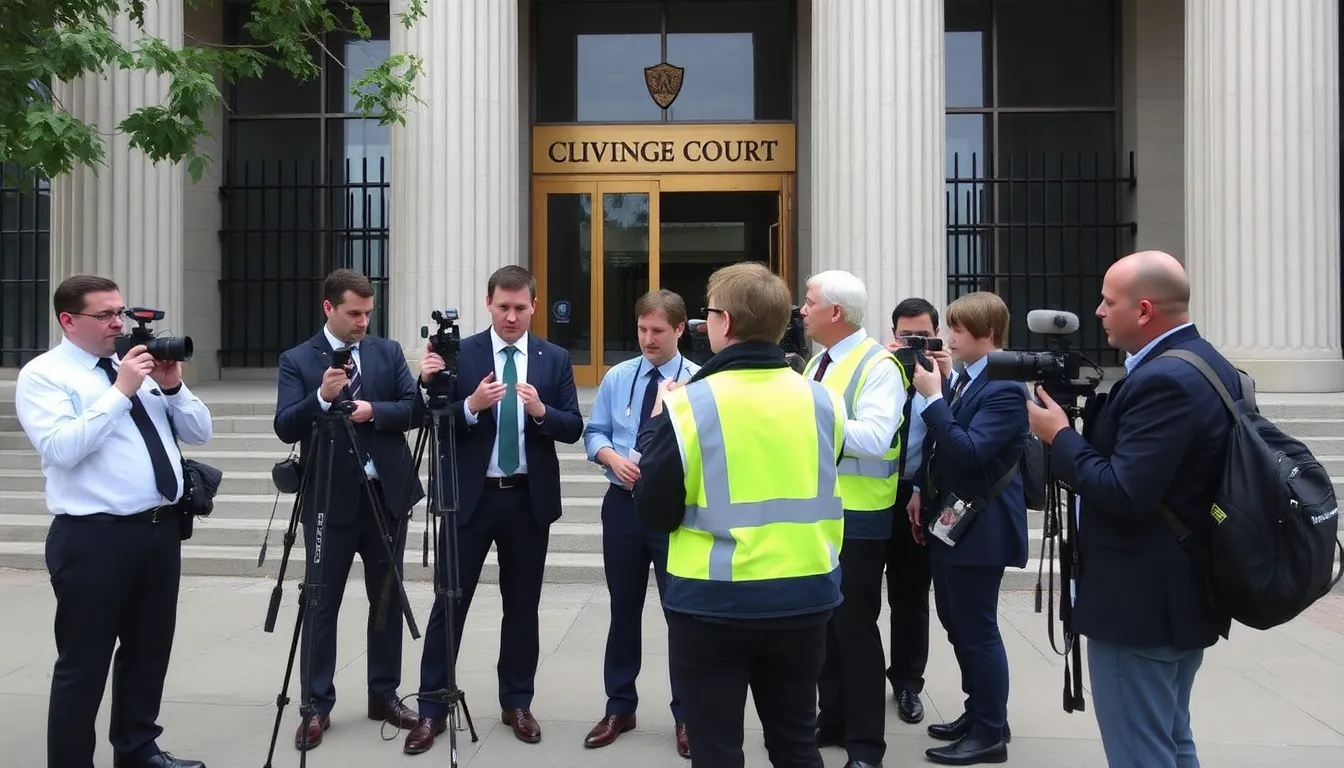
Law enforcement agencies, on the other hand, are focused on ensuring public safety and maintaining transparency in their operations. They may view the court’s ruling as a necessary step in upholding the rule of law, which can foster trust within the community. However, this transparency can also lead to challenges in ongoing investigations and potential biases against the accused family.
- The media is keen on reporting the case, driven by public interest and the need for comprehensive coverage of criminal proceedings.
- Legal representatives for the accused may argue for privacy rights, emphasizing the potential harm to family members if their names are disclosed.
- Community members may have varied reactions, with some supporting the need for transparency while others advocate for the protection of the accused’s family.
- The court’s decision could set a precedent for future cases involving similar issues of privacy and public interest.
Ultimately, the dynamics between these stakeholders illustrate the complex interplay of legal, ethical, and social considerations in criminal cases. The outcome of this case may influence future judicial decisions regarding privacy rights and the extent of media coverage in sensitive legal matters.
Potential impact on the family and community following the ruling
The recent court decision to deny the alleged Bondi gunman the ability to suppress the names of his family members has significant implications for various groups and industries. Families directly related to the accused may face heightened scrutiny and stigma within their local community, affecting their social interactions and mental well-being.
In the short term, the ruling could lead to increased media attention, which may disrupt the daily lives of the family members involved. This exposure can result in public backlash, harassment, or unwanted attention, further complicating their ability to maintain a sense of normalcy. Community members may also feel a sense of unease, leading to a general decline in public safety perceptions.
From a mid-term perspective, businesses in the Bondi area may experience fluctuations in customer traffic as the incident captures public interest. Local shops and restaurants might see a decline in patronage due to concerns over safety or negative associations with the area. Conversely, businesses that offer support services, such as counseling or legal advice, may find new opportunities for growth as families seek assistance in navigating the aftermath of the incident.
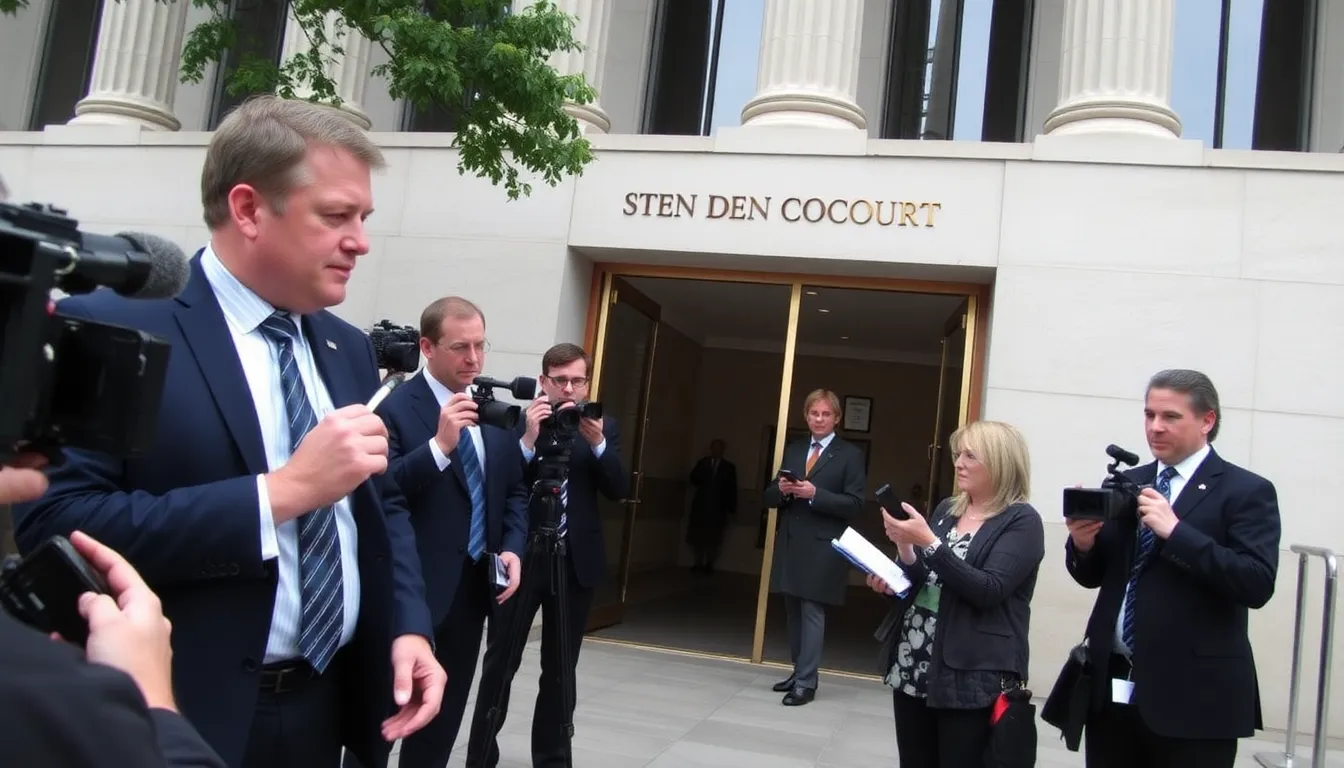
- Risks: Increased stigma and potential harassment for the family; negative impact on local businesses; community fear and anxiety.
- Opportunities: Growth for support services; potential community solidarity initiatives; increased awareness of mental health resources.
As the situation unfolds, policymakers may also be prompted to reevaluate community safety measures and support systems for families affected by crime. This could lead to more robust resources being allocated towards mental health support and community engagement programs aimed at fostering resilience in the face of such incidents.
A: The court ruled against the alleged Bondi gunman’s request to suppress the names of his family, allowing them to be made public. A: The alleged gunman argued that revealing his family’s names could lead to harassment and emotional distress for them. A: The ruling may expose the family to public scrutiny and could impact their safety and privacy. A: This case touches on the balance between public interest and individual privacy rights in legal proceedings. A: The case will continue to proceed through the legal system, with further hearings and potential appeals expected.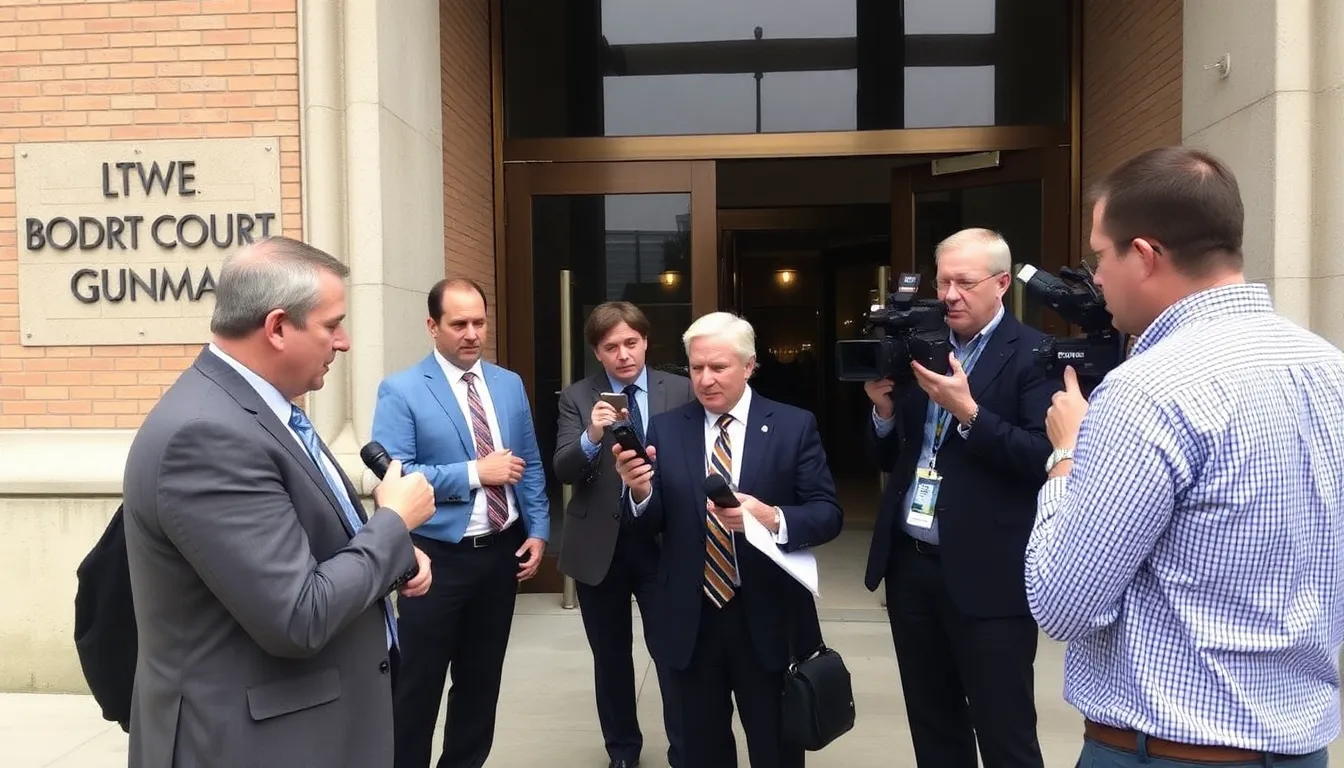
Frequently asked questions about the Bondi gunman case
Insights on the future of the Bondi gunman case and its implications
The decision to deny the suppression of the names of the Bondi gunman’s family members marks a significant moment in the ongoing legal proceedings. This outcome not only affects the immediate parties involved but also raises questions about privacy rights and media freedom in high-profile criminal cases. As the case progresses, it will be essential to observe how public interest and legal considerations continue to interact.
Furthermore, the ruling may set a precedent for similar cases in the future, influencing how courts balance the need for transparency against the potential impact on the families of defendants. Stakeholders, including legal experts and media organizations, will likely monitor the situation closely to gauge its broader implications for the justice system.
- The ruling highlights the tension between privacy rights and the public’s right to know in criminal cases.
- Future cases may reference this decision when addressing similar issues of family privacy and media access.
- Increased scrutiny on the handling of sensitive information in legal proceedings could emerge as a result.
- Public reaction to the case may influence future legislative discussions regarding privacy laws.
- Legal professionals will need to adapt their strategies in light of evolving precedents in high-profile cases.