
In addition to his sports interests, Ratcliffe’s Ineos Group continues to grow in the chemicals and energy industries. The company has made headlines for its commitment to sustainability, investing in green technology and alternative energy sources, as seen in initiatives that align with global trends towards environmental responsibility. This positioning Ineos as a key player in the transition to a low-carbon economy.
Furthermore, Ratcliffe’s strategic decisions have included partnerships and acquisitions that enhance Ineos’s market presence. For instance, the company has recently announced plans to develop a new hydrogen production facility in the UK, which is expected to create jobs and contribute to the country’s energy goals. Such initiatives demonstrate Ratcliffe’s focus on innovation and economic impact, similar to the trends highlighted in other technology sectors.
The billionaire’s activities are not without controversy, as his involvement in Manchester United has sparked debates among fans and analysts about the future direction of the club. The potential for Ratcliffe to reshape the team’s fortunes adds a layer of complexity to his business endeavors, illustrating the intersection of sports, finance, and public sentiment.
Background on Sir Jim Ratcliffe’s early life and career
Sir Jim Ratcliffe was born on October 18, 1952, in Manchester, England. Growing up in a modest household, he was the son of a factory worker and a homemaker. His early life was marked by the values of hard work and determination, which would later shape his approach to business. Ratcliffe excelled academically, eventually earning a scholarship to study chemical engineering at the University of Birmingham, where he graduated in 1974.

After completing his education, Ratcliffe began his career at the oil and gas company Esso, where he gained valuable experience in the chemical industry. However, it was in the early 1980s that he took a significant leap by founding his own company, Ineos, in 1998. Ineos started as a chemical manufacturer, focusing on the production of petrochemicals and specialty chemicals. Under Ratcliffe’s leadership, the company grew rapidly, acquiring several manufacturing sites and expanding its operations across Europe.
Key Milestones in Ineos’ Growth
One of the pivotal moments for Ineos came in 2005 when Ratcliffe led a consortium to acquire the assets of the bankrupt Innovene, a subsidiary of BP, for $9 billion. This acquisition not only expanded Ineos’ portfolio but also solidified Ratcliffe’s reputation as a savvy businessman capable of navigating complex deals. By the late 2010s, Ineos had become one of the largest chemical companies in the world, with a presence in over 20 countries and employing thousands of people.
Throughout his career, Ratcliffe has demonstrated a keen understanding of market dynamics and a willingness to take calculated risks. His success in the chemical industry has not only made him a billionaire but also positioned him as a prominent figure in the UK business landscape. Beyond his corporate achievements, Ratcliffe has also been involved in various philanthropic efforts, contributing to education and sports initiatives, which reflect his commitment to giving back to the community.
Key issues surrounding Sir Jim Ratcliffe’s business strategies
Sir Jim Ratcliffe, a British billionaire and the founder of Ineos, has emerged as a significant figure in various sectors, including chemicals, sports, and energy. His business strategies often attract attention due to their implications for local economies, environmental policies, and the competitive landscape within industries. Understanding the stakeholders involved and the key issues at play provides insight into the complexities of his ventures.
One of the primary stakeholders in Ratcliffe’s business dealings is the Ineos Group itself, which has expanded rapidly under his leadership. The company’s interests lie in maximizing profitability while navigating regulatory frameworks in different countries. This can lead to conflicts with local governments, particularly regarding environmental regulations and labor practices. For instance, Ineos has faced criticism for its environmental impact in various regions, raising concerns among environmental activists and local communities.
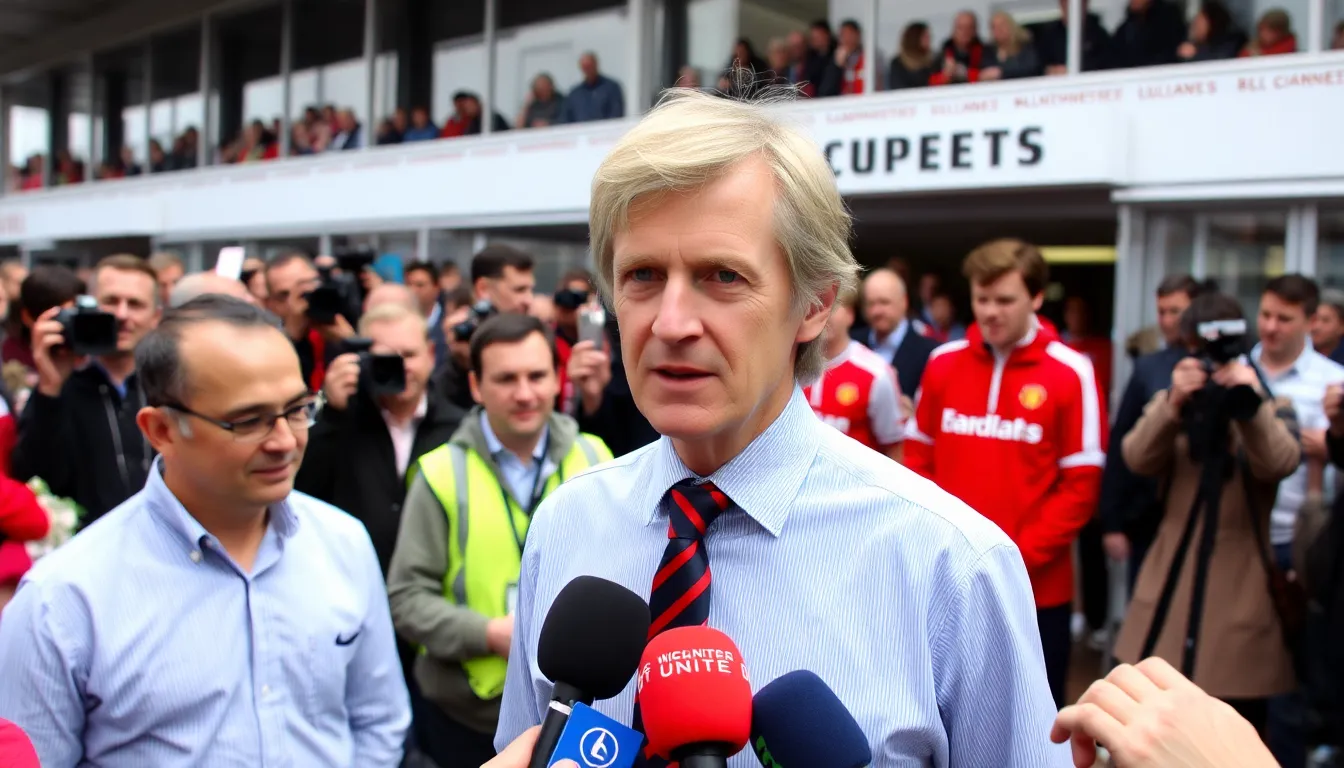
Another key actor in this scenario is the sports industry, particularly with Ratcliffe’s recent interest in acquiring a stake in Manchester United. This move has sparked debates among fans, club management, and investors. Stakeholders in the sports sector are often divided over issues such as the commercialization of sports, the influence of wealthy owners, and the potential for changes in club culture. Ratcliffe’s involvement could bring financial stability but may also lead to tensions regarding the direction of the club.
Additionally, international markets and economic conditions play a crucial role in Ratcliffe’s strategies. The fluctuating prices of raw materials and energy resources can significantly impact Ineos’s operations and profitability. Trade agreements and tariffs also pose challenges, especially in a post-Brexit landscape where the UK’s trade relationships are evolving. These economic factors create a complex web of interests that Ratcliffe must navigate to sustain his business model, as seen in other industries facing similar market dynamics.
- Environmental concerns regarding Ineos’s production processes.
- Conflicts with local governments over regulatory compliance.
- Debates among Manchester United stakeholders regarding ownership and club direction.
- Impact of global economic conditions on Ineos’s profitability.
- Trade agreements affecting operational costs and market access.
Impact of Sir Jim Ratcliffe’s wealth on the economy and industries
Sir Jim Ratcliffe, as one of the wealthiest individuals in the UK, has the potential to significantly influence various sectors of the economy. His investments and business ventures primarily affect industries such as chemicals, energy, and sports, particularly through his ownership of Manchester United. The ripple effects of his financial activities can be felt across multiple regions, particularly in the North West of England, where Manchester is located.
In the short term, Ratcliffe’s wealth could lead to increased spending in local economies, particularly through job creation and infrastructure development. For instance, his involvement in Manchester United may boost local businesses, as increased attendance at matches can enhance revenue for nearby restaurants, hotels, and shops. Additionally, his investments in sustainable energy and chemicals could lead to advancements in these sectors, fostering innovation and attracting further investment.

However, there are also risks associated with concentrated wealth and influence. The potential for market monopolization in industries where Ratcliffe invests could stifle competition, leading to higher prices for consumers. Furthermore, if his ventures do not yield expected returns, it could result in job losses and economic downturns in the affected regions.
- Job Creation: Increased employment opportunities in sectors he invests in.
- Local Business Growth: Boost to local economies through increased consumer spending.
- Market Risks: Potential monopolization leading to reduced competition.
- Investment in Innovation: Opportunities for advancements in sustainable energy and chemicals.
In the mid-term, the impact of Ratcliffe’s wealth could manifest in policy changes, particularly in environmental regulations and sports governance. His investments in green technologies may encourage governmental bodies to prioritize sustainability, while his ownership of a high-profile sports team could influence policies regarding sports management and community engagement. These changes could reshape the landscape of both industries, presenting new opportunities for growth and development.
A: Sir Jim Ratcliffe is primarily involved in the chemical industry, particularly through his company Ineos, which produces a wide range of petrochemicals and plastics. A: Sir Jim Ratcliffe began his career in the oil and gas industry after graduating from the University of Birmingham, where he studied chemical engineering. A: Notable achievements include the establishment of Ineos as one of the largest chemical companies in the world and his involvement in high-profile sports sponsorships. A: Yes, Sir Jim Ratcliffe is known for his philanthropic efforts, including donations to various educational and health-related causes. A: As of 2023, Sir Jim Ratcliffe’s net worth is estimated to be in the billions, making him one of the wealthiest individuals in the UK.
Frequently asked questions about Sir Jim Ratcliffe
Key takeaways and future outlook on Sir Jim Ratcliffe
Sir Jim Ratcliffe’s ascent in the business world serves as a testament to strategic investment and a keen understanding of market dynamics. As a billionaire with a diverse portfolio, his journey from chemical engineering to becoming one of the UK’s wealthiest individuals highlights the importance of innovation and adaptability in business. Observers should consider how his ventures, particularly in the sports sector, may reshape traditional business models and influence future investments.
With Ratcliffe’s recent involvement in high-profile acquisitions, including his interest in Manchester United, the implications for both the sports and business landscapes are significant. His approach to leveraging existing assets while pursuing growth opportunities could set a precedent for future entrepreneurs looking to navigate similar markets.
- Investment Strategy: Ratcliffe’s focus on sectors with growth potential suggests that emerging industries may present lucrative opportunities for investors.
- Market Influence: His involvement in sports teams may revolutionize how businesses approach branding and fan engagement.
- Innovation Focus: Ratcliffe’s background in chemicals emphasizes the value of innovation in driving business success.
- Global Reach: As he expands his business interests internationally, watch for potential shifts in global market dynamics.