
Recent studies have shown that bilingual individuals often have cognitive advantages, such as improved problem-solving skills and enhanced memory. This has led to a surge in interest among educators and policymakers to incorporate bilingual education programs in schools, aiming to equip students with essential skills for the future job market.
Moreover, the rise of technology and social media platforms has facilitated cross-cultural communication, allowing bilingual speakers to connect and share experiences more easily. Events like the International Mother Language Day, celebrated on February 21, 2023, further emphasize the importance of preserving linguistic diversity and promoting multilingualism in communities worldwide.
However, challenges remain, including the risk of language attrition, where individuals may lose proficiency in their native language due to a lack of use. Advocacy groups are working to address these issues, promoting initiatives that support language maintenance and encourage the learning of multiple languages from an early age.
The Background of Bilingual Language Processing
Bilingualism has been a topic of interest for centuries, with roots tracing back to ancient civilizations where multiple languages coexisted. The ability to speak more than one language has not only been a practical necessity in trade and diplomacy but has also shaped cultural identities. As societies evolved, so did the linguistic landscapes, leading to the complex phenomenon of bilingual language processing in the human brain.

Historically, the rise of empires and colonialism played a significant role in spreading languages across different regions. For instance, the British Empire’s expansion introduced English to various parts of the world, resulting in multilingual societies. This historical context has laid the groundwork for modern bilingualism, where individuals often navigate between languages depending on their social and environmental contexts.
In the 20th century, the study of bilingualism gained momentum, particularly after World War II, when migration patterns shifted and multicultural societies emerged. Researchers began to explore how bilingual individuals manage and process two languages simultaneously, including key milestones in this field such as advancements in neuroimaging technology that allow scientists to observe bilingual brain activity.
The Social Implications of Bilingualism
The social implications of bilingualism extend beyond mere communication. In many regions, being bilingual is associated with greater cognitive flexibility and problem-solving skills. Furthermore, bilingualism can enhance cultural understanding and empathy, fostering connections among diverse communities. However, it can also lead to challenges, such as language attrition and identity conflicts, especially in environments that favor one language over another.
As globalization continues to influence migration and cultural exchange, understanding how the brain processes multiple languages becomes increasingly important. This knowledge not only sheds light on cognitive development but also informs educational strategies and language policies worldwide.
Key Issues Surrounding Bilingualism and Cognitive Function
The phenomenon of bilingualism raises several important issues that involve various stakeholders, including educators, linguists, policymakers, and parents. Each group has its own interests and perspectives regarding the cognitive benefits and challenges associated with speaking multiple languages. Understanding these interests is crucial for fostering a supportive environment for bilingual individuals.

One of the primary stakeholders is the educational sector, which includes schools and language programs. Their interest lies in developing effective curricula that promote bilingual education. Research has shown that bilingualism can enhance cognitive flexibility and problem-solving skills, making it essential for educators to incorporate language learning in a way that maximizes these benefits.
Governments also play a significant role, particularly in regions with diverse populations. Policies that support bilingual education can lead to improved social cohesion and economic opportunities. However, there are conflicts over resource allocation, as funding for bilingual programs can be limited. This creates a trade-off between investing in language education and addressing other pressing educational needs.
- Cognitive Benefits: Bilingualism is linked to enhanced executive function, leading to better multitasking and decision-making abilities.
- Cultural Identity: Speaking multiple languages can strengthen cultural ties and promote inclusivity within communities.
- Economic Opportunities: Bilingual individuals often have access to a wider range of job prospects in a globalized economy.
- Legal Considerations: Language rights can be a contentious issue, especially in multilingual societies where certain languages may be marginalized.
- Parental Influence: Parents play a critical role in language acquisition, with differing opinions on the best approach to raising bilingual children.
Finally, the scientific community, including researchers in linguistics and cognitive science, is deeply invested in understanding the neurological aspects of bilingualism. They explore how the brain processes multiple languages and the implications this has for cognitive development. Their findings can inform educational practices and influence public policy, highlighting the interconnectedness of these stakeholders and the importance of a collaborative approach to addressing the complexities of bilingualism.
The Effects of Bilingualism on Individuals and Communities
Bilingualism affects a diverse range of groups, including children in educational settings, adults in the workforce, and immigrant communities. In particular, regions with high levels of immigration or cultural diversity tend to see significant impacts, as bilingual individuals often serve as bridges between different language speakers. This dynamic can enhance community cohesion but also presents challenges in terms of resource allocation and educational support.
In the short term, bilingual individuals may experience enhanced cognitive abilities, which can lead to improved job prospects and increased employability. Businesses that operate in multilingual markets can benefit from hiring bilingual employees, allowing them to better connect with clients and customers. However, there is a risk that monolingual employees may feel marginalized or less valued in a bilingual workplace, potentially leading to tension.

In the mid-term, as bilingualism becomes more prevalent, educational systems may need to adapt their curricula to better support language learning. This could lead to an increased demand for bilingual educators and resources, creating opportunities for professionals in the education sector. Conversely, schools that fail to accommodate bilingual students may face challenges, including lower student engagement and achievement.
- Enhanced job opportunities for bilingual individuals.
- Increased demand for bilingual education and resources.
- Potential workplace tension between bilingual and monolingual employees.
- Community cohesion through improved communication.
Finally, policymakers may need to consider the implications of bilingualism on public services, such as healthcare and legal systems. Ensuring access to services in multiple languages can improve outcomes for diverse populations, but it also requires investment and careful planning. The balance between promoting bilingualism and addressing the needs of monolingual speakers remains a critical challenge for communities and governments alike.
A: The brain uses different areas for language processing, allowing it to switch between languages efficiently. This involves both the left hemisphere for grammar and the right for context. A: Yes, studies suggest that bilingualism can enhance cognitive skills such as problem-solving, multitasking, and even delay the onset of dementia. A: Children have a unique ability to absorb languages due to their developing brains, making it generally easier for them to become fluent in multiple languages. A: Bilingual individuals often have better job prospects, improved communication skills, and a deeper understanding of diverse cultures. A: Some individuals may experience language interference, where elements of one language affect the other. However, the cognitive benefits often outweigh these challenges.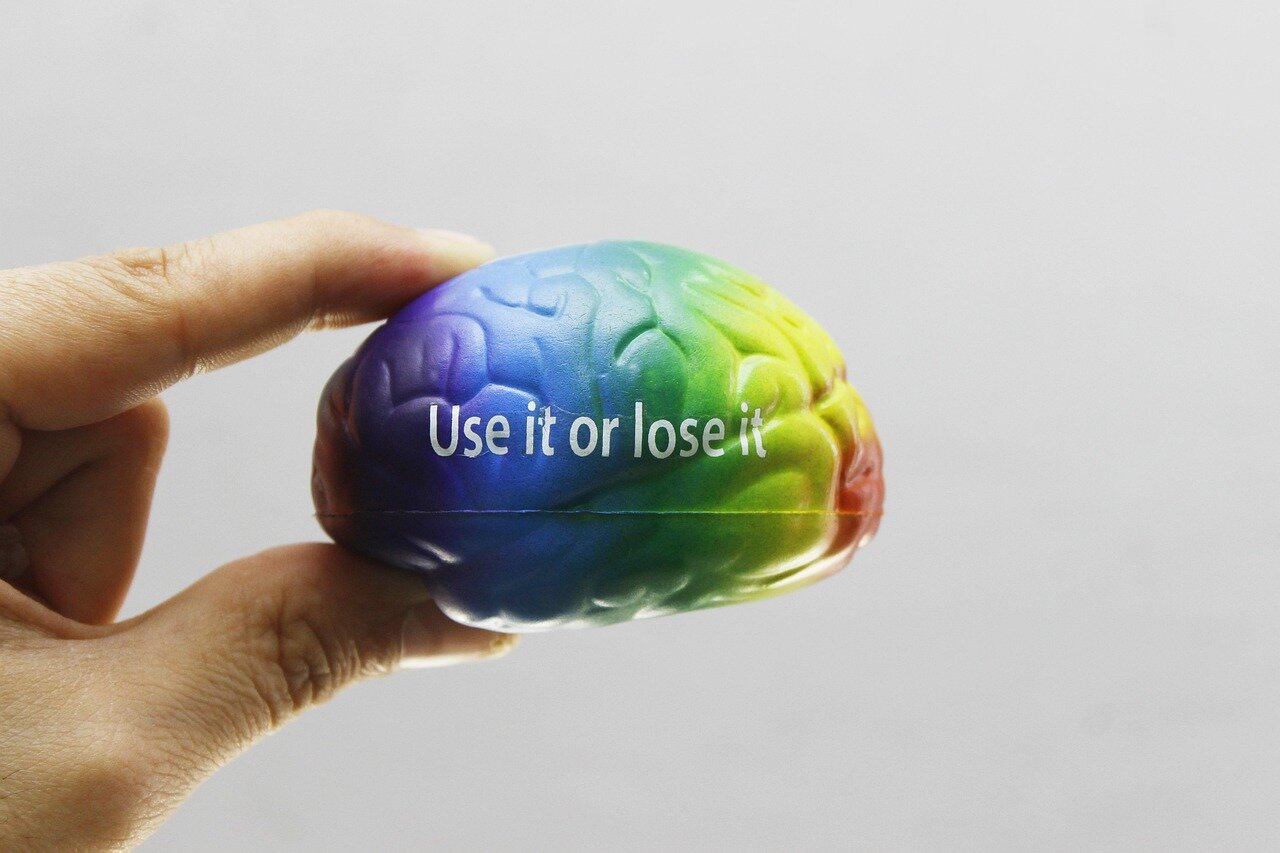
Frequently Asked Questions About Bilingualism
Key Takeaways and Future Perspectives on Bilingualism
The ability of the brain to navigate multiple languages showcases its remarkable adaptability and complexity. As more individuals become bilingual, understanding the cognitive processes involved can inform educational practices and enhance communication strategies. The implications of bilingualism extend beyond mere language acquisition, influencing cognitive flexibility, problem-solving skills, and cultural awareness.
Looking ahead, continued research into bilingualism will likely uncover further insights into how language shapes thought and identity. As societies become increasingly interconnected, fostering bilingualism may play a crucial role in promoting inclusivity and understanding across diverse communities.
- Cognitive Benefits: Bilingual individuals often exhibit enhanced cognitive flexibility, which can improve problem-solving abilities and multitasking skills.
- Educational Approaches: Integrating bilingual education can enrich learning experiences and foster a deeper understanding of cultural nuances.
- Social Connectivity: Bilingualism can bridge communication gaps, facilitating connections in multicultural environments.
- Policy Implications: Supporting bilingual programs in schools can lead to a more inclusive society, benefiting both individuals and communities.
- Future Research: Ongoing studies into the neural mechanisms of bilingualism may reveal new strategies for language learning and cognitive development.