
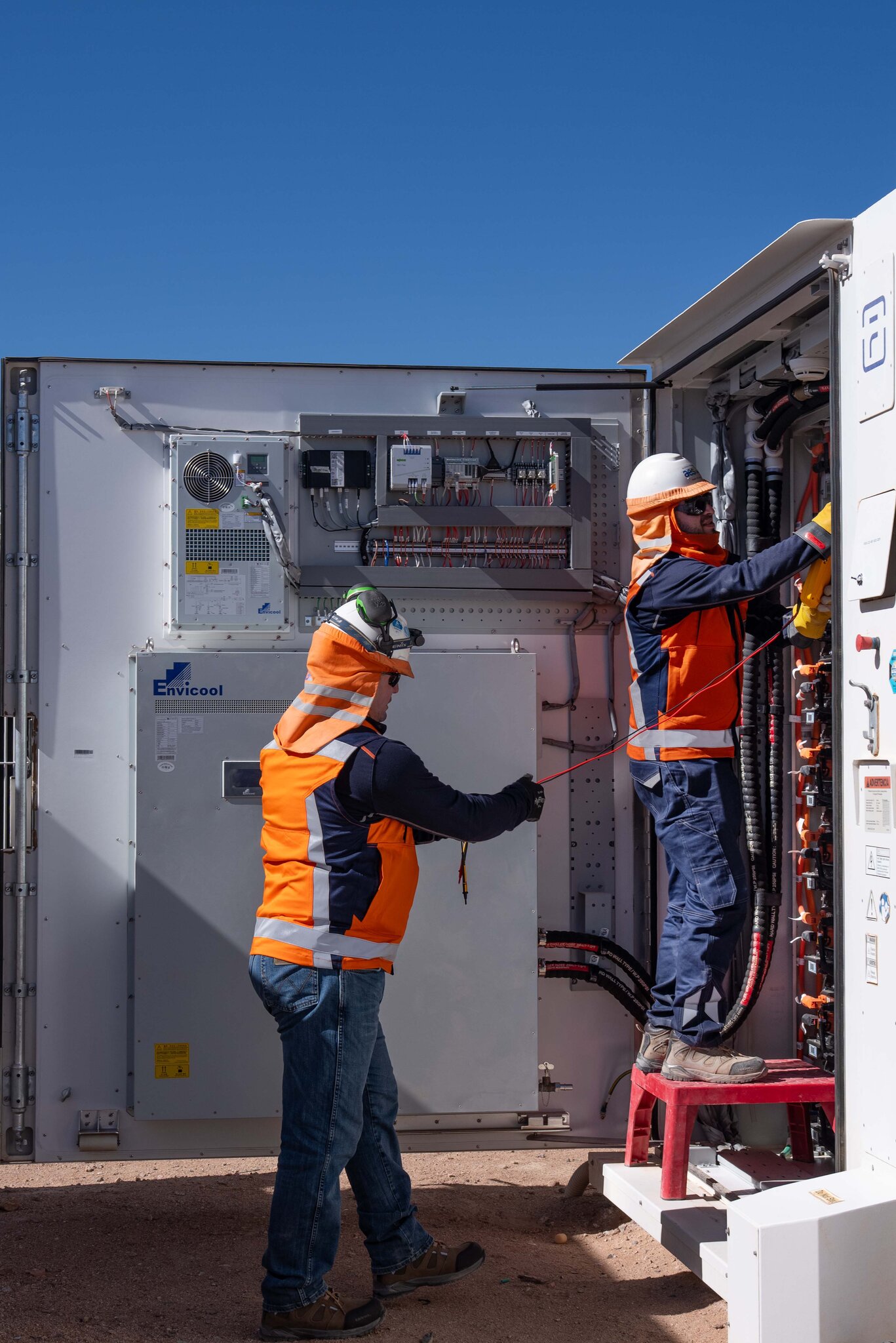
The transformative impact of battery technology cannot be overstated, particularly in the context of the modern electric grid. With advancements in manufacturing and material science, batteries have become more affordable, allowing for greater storage capacity and efficiency, which ultimately leads to a more reliable energy infrastructure. This change is especially relevant as we explore the evidence surrounding societal adaptations to emerging technologies.
Understanding the Background and Its Significance
As the world grapples with climate change and the need for sustainable energy sources, the electric grid has faced increasing demand for reliability and flexibility. Renewable energy sources, such as wind and solar, are intermittent making robust storage solutions crucial for maintaining grid stability. In light of this, understanding the role of innovative energy solutions has become essential.
An Analysis of Cost Comparisons and Selection Criteria
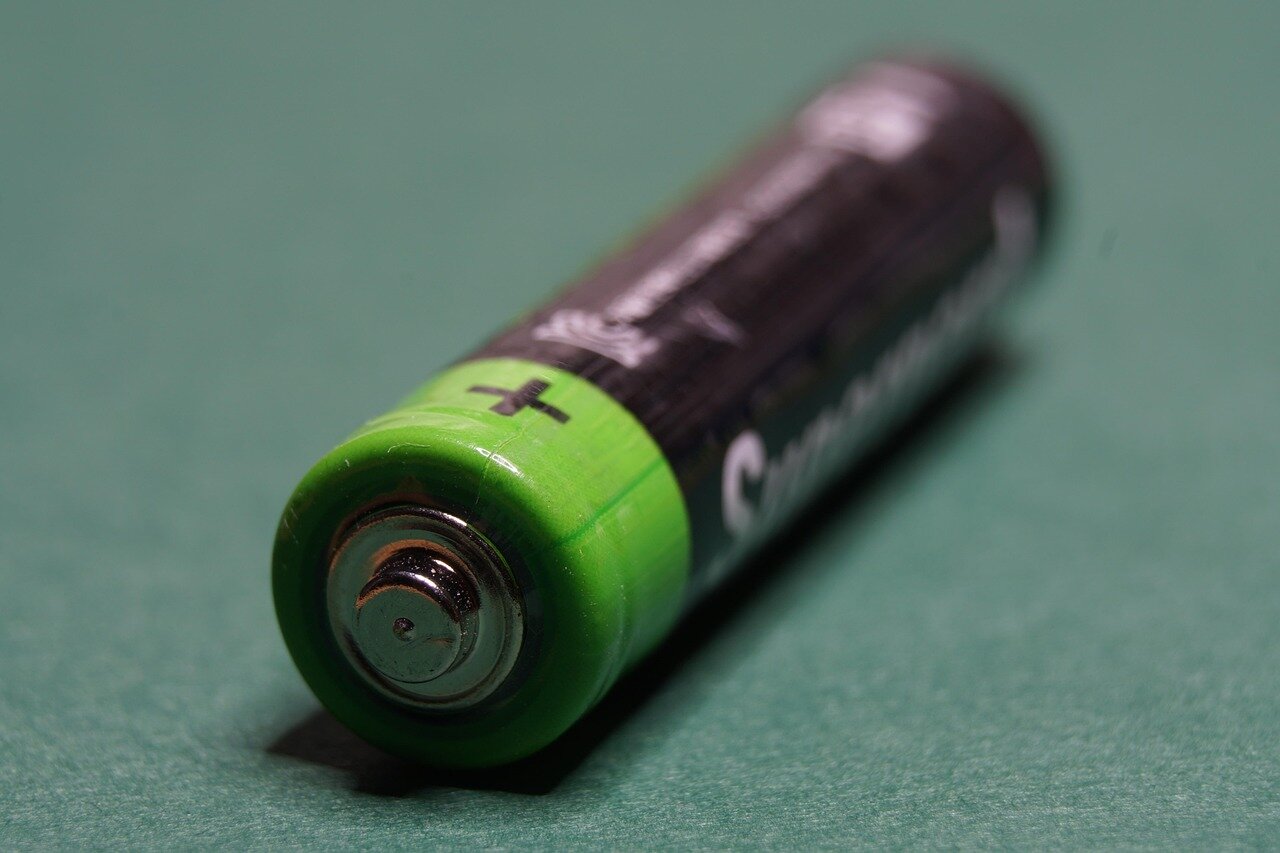
The reduction in battery prices has not occurred in isolation. Various factors have contributed to this trend, and understanding the criteria for assessing battery technologies is key. Cost, efficiency, lifespan, and environmental impact are pivotal metrics for evaluation. Recent developments in lithium-ion technology, for example, have led to a significant reduction in costs, making it the preferred choice for energy storage. Similarly, advancements in AI technology continue to reshape industries, including energy.
Key Factors Contributing to Price Reductions
- Advancements in manufacturing processes such as automation and economies of scale.
- Improvements in materials, including the use of alternative chemistries that are less expensive.
- Increased competition among producers fostering innovation and price drops.
Noteworthy Examples of Battery Services and Innovations
Several companies have emerged as leaders in the battery industry, demonstrating how decreased costs translate to reliable energy services. Tesla, with its Powerwall and Powerpack solutions, has been instrumental in popularizing home energy storage systems. Meanwhile, companies like BYD and LG Chem are scaling up production capacities and introducing new technologies that further reduce costs.
Success Stories in Various Regions
- In Australia, large-scale battery storage facilities have been deployed to stabilize the grid amid fluctuating renewable energy output.
- California’s energy market has increasingly integrated battery storage systems to optimize grid performance.
Utilization Strategies for Enhanced Grid Reliability
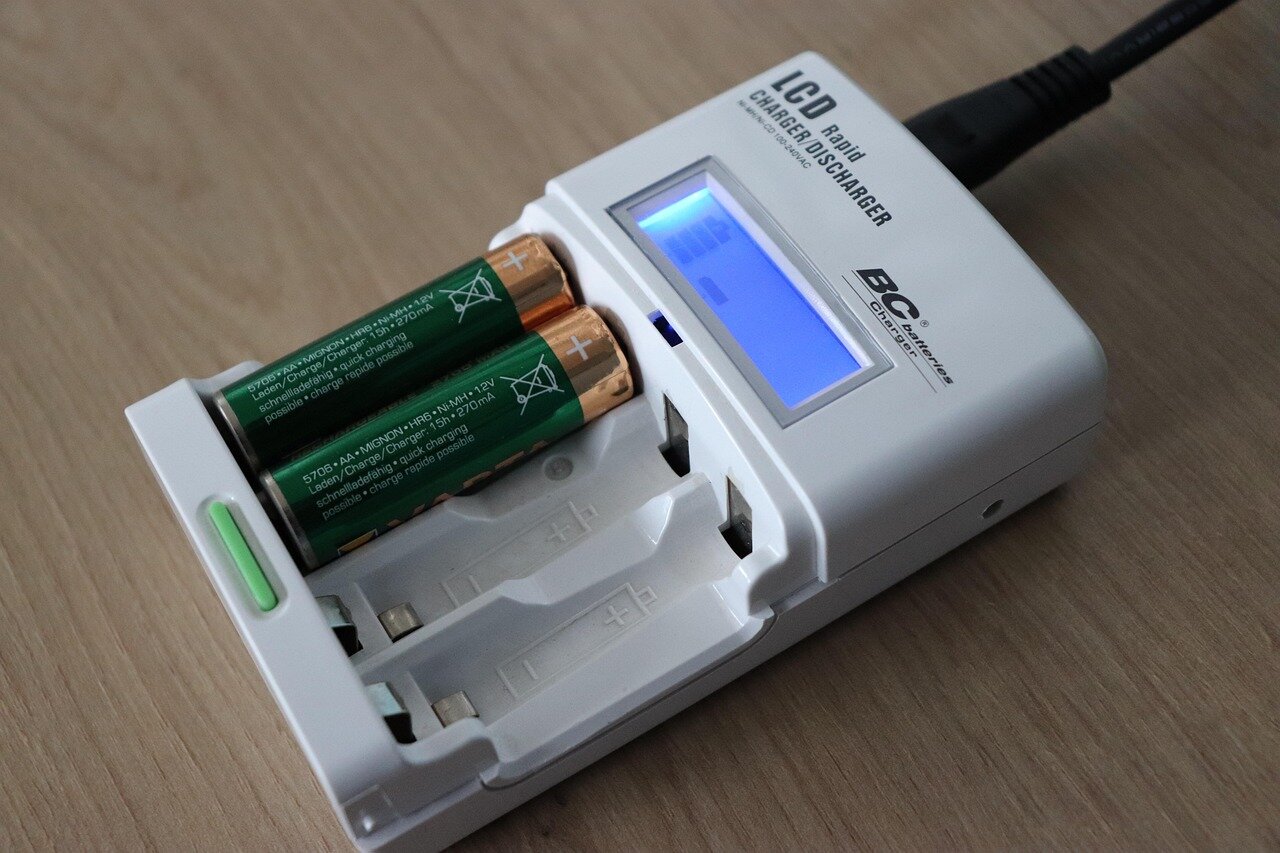
To maximize the benefits of cheaper batteries, innovative strategies are being devised. Utilities are now investing in battery systems alongside renewable installations, allowing for peak shaving and demand response capabilities. Furthermore, user participation in energy markets is on the rise, where local energy producers can sell excess energy back to the grid, effectively using batteries as intermediary storage.
Considerations and Challenges to Address
While the future looks promising, there are critical considerations to be mindful of. Investors and policymakers must consider not only the financial aspects but also the environmental ramifications of battery production and disposal. The circular economy modelwhere batteries are recycledneeds to be implemented to minimize the ecological impact.

Frequently Asked Questions about Battery Advances

Common Questions about Battery Technology and Energy Storage
A: Key factors include advancements in manufacturing processes, widespread adoption of technology, and increased competition in the market.
A: Batteries store excess energy generated during peak production times and release it during high demand, stabilizing grid fluctuations.
A: Battery production can have significant environmental impacts, including resource extraction and waste; thus, recycling efforts are critical.
Insights into Future Directions of Battery Technology
The path forward for battery technologies looks promising and is marked by continuous innovation. As the demand for sustainable energy grows, ongoing research into alternative materials, improved efficiency, and better recycling processes will play a crucial role in shaping the electric grid’s reliability. With increased investments from both private and governmental sectors, the integration of affordable battery storage is set to revolutionize how we consume and manage energy.