
Despite her imprisonment, Suu Kyi continues to be a symbol of resistance for many in Myanmar, which echoes the sentiment discussed in the Understanding The Inquiry and Its Implications.
The ongoing conflict between the military and various ethnic armed groups, along with the rise of the People’s Defense Force (PDF), has exacerbated the situation in Myanmar. The military junta’s violent crackdown on protests and dissent has led to thousands of deaths and widespread human rights abuses. International responses have included sanctions against military leaders and calls for a return to democracy.
In the face of these challenges, Aung San Suu Kyi’s legacy and ideals continue to resonate among her supporters. Her ability to inspire hope and mobilize resistance against the military regime remains significant, as many view her as a key figure in the struggle for democracy in Myanmar. The political landscape remains volatile, with her fate closely tied to the future of the country.
Historical Background of Aung San Suu Kyi’s Political Journey
Born in 1945, she is the daughter of Aung San, the founder of modern Myanmar and a national hero who was assassinated in 1947; this legacy has become increasingly relevant in light of the recent landmark Rohingya genocide case against Myanmar.
In 1988, a pro-democracy uprising swept across Myanmar, prompting Suu Kyi to return from abroad to support the movement. This marked the beginning of her political career as she co-founded the National League for Democracy (NLD) and quickly became its face. The military junta’s violent crackdown on demonstrators led to her first house arrest, which would become a recurring theme in her life, lasting nearly 15 of the next 21 years.
In 2010, Myanmar began a series of political reforms, leading to Suu Kyi’s release from house arrest. The 2012 by-elections saw her elected to parliament, and in 2015, the NLD won a historic landslide victory, allowing her to assume the role of State Counsellor. However, her tenure was marred by controversy, particularly regarding the Rohingya crisis, which drew international condemnation and raised questions about her leadership and commitment to human rights.
Key Milestones in Myanmar’s Political Landscape
The political journey of Aung San Suu Kyi is intertwined with significant milestones in Myanmar’s history. The 1988 uprising, the 2010 political reforms, and the 2015 elections represent crucial turning points that shaped the nation’s trajectory. Each event not only influenced Suu Kyi’s rise but also highlighted the ongoing struggle between democratic aspirations and military control. The 2021 coup d’état that ousted her government marked a dramatic regression in Myanmar’s democratic progress, leading to widespread protests and a violent military crackdown.
Today, even from behind bars, Aung San Suu Kyi remains a symbol of resilience and the enduring quest for democracy in Myanmar, casting a long shadow over the country’s political landscape and inspiring both hope and dissent among its people.
Key Stakeholders and Political Issues Surrounding Her Imprisonment
The political landscape in Myanmar is deeply influenced by the continued imprisonment of Aung San Suu Kyi, a figure synonymous with the country’s struggle for democracy. Her detention has far-reaching implications, affecting various stakeholders, including the military junta, opposition parties, international governments, and civil society organizations.

At the forefront is the Myanmar military junta, which seized power in February 2021. Their primary interest lies in maintaining control over the country and silencing dissent. The junta’s legitimacy has been challenged both domestically and internationally, leading to increasing isolation and sanctions. As they navigate this pressure, the junta’s strategies often involve suppressing opposition and consolidating power, which poses significant risks to Myanmar’s democratic aspirations.
Opposition groups, including the National Unity Government (NUG), have emerged in response to the coup, advocating for a return to democratic governance, much like the political shifts observed globally.
Internationally, governments and organizations such as the United Nations and ASEAN are grappling with how to respond to the crisis. Their interests range from promoting human rights to ensuring regional stability. However, differing approachessuch as sanctions versus diplomatic engagementcreate a complex web of interactions that may hinder unified action.
- The military junta’s focus on power consolidation often results in human rights violations.
- The NUG’s efforts to gain international recognition face hurdles due to the junta’s influence.
- International responses vary, leading to a fragmented approach to addressing the crisis.
- Local civil society organizations strive to advocate for citizens’ rights amidst repression.
- The economic impact of sanctions on Myanmar’s populace raises ethical concerns for foreign governments.
Impact of Aung San Suu Kyi’s Imprisonment on Myanmar’s Society
Aung San Suu Kyi’s imprisonment has far-reaching implications for various groups and sectors within Myanmar. The political landscape is heavily influenced by her absence, affecting not only her party, the National League for Democracy (NLD), but also the broader civil society that rallied behind her leadership. Ethnic minorities, who had looked to her for support in their struggles for autonomy and rights, are particularly affected as tensions in these regions may escalate without her mediating influence.
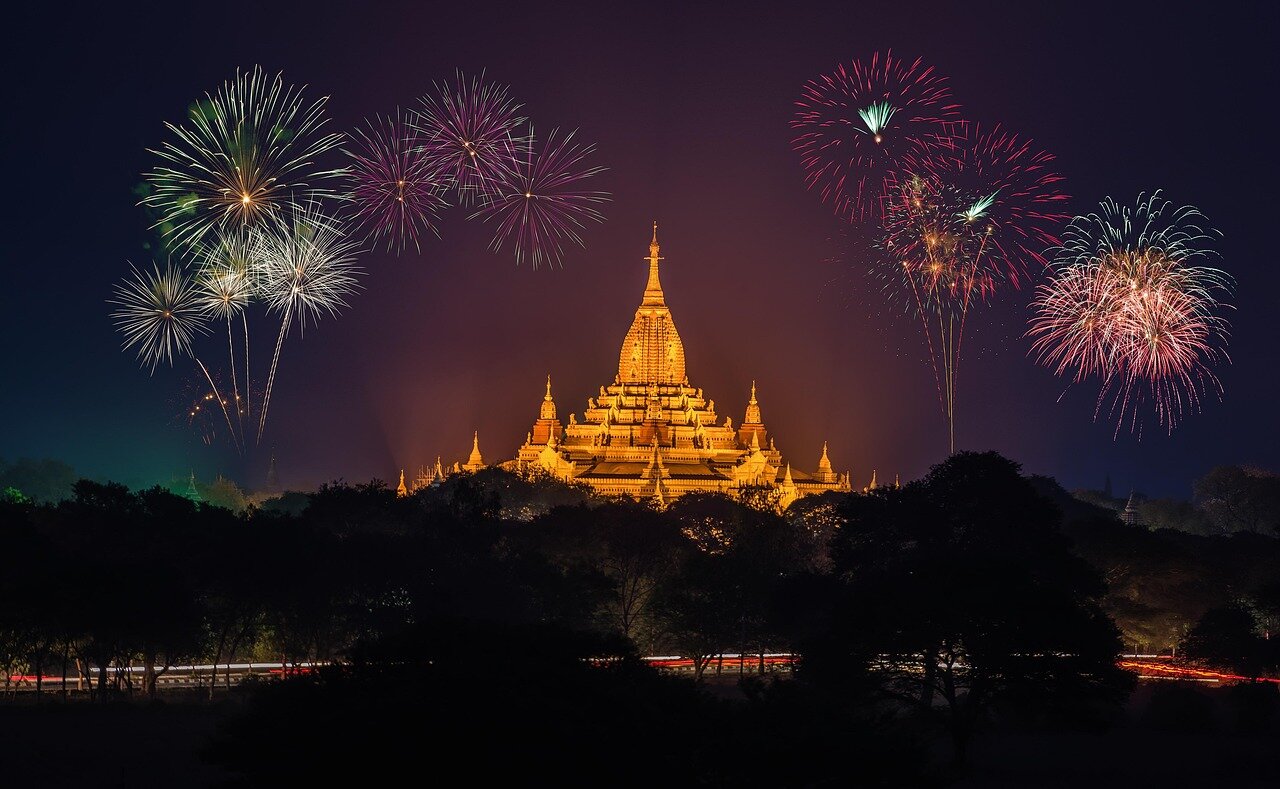
In the short term, daily life in Myanmar has become increasingly unstable. Businesses are facing uncertainty due to the lack of a clear political direction, leading to reduced foreign investment and a hesitant local market. The tourism industry, already hit hard by the pandemic, continues to suffer as international travelers remain wary of visiting a country embroiled in political turmoil. This could lead to significant job losses and economic stagnation.
In the mid-term, the political vacuum created by her absence may lead to a shift in policy-making, with the military government potentially tightening its grip on power. This could result in increased repression and a further decline in human rights, affecting the daily lives of citizens. However, there may also be opportunities for grassroots movements to emerge, as communities seek to fill the leadership void left by Suu Kyi.
- Political instability: Heightened tensions and potential conflict in ethnic regions.
- Economic downturn: Decline in foreign investment and local business confidence.
- Human rights concerns: Increased repression and suppression of dissent.
- Grassroots movements: Opportunities for new leadership and community organizing.
Overall, while the immediate consequences of Aung San Suu Kyi’s imprisonment are largely negative, the evolving situation may also pave the way for new dynamics within Myanmar’s society and politics, as citizens respond to the ongoing challenges they face.
A: Aung San Suu Kyi was imprisoned primarily due to charges related to corruption and violating COVID-19 regulations. Many believe these charges are politically motivated to suppress her influence. A: Her imprisonment has led to increased political unrest and resistance among her supporters, impacting the stability of the current military-led government. A: The international community has largely condemned her imprisonment, with calls for her release and sanctions imposed on the military junta by various countries. A: Yes, despite her incarceration, she remains a symbol of democracy in Myanmar, and her legacy continues to inspire political activism among her supporters. A: The future remains uncertain, as her absence creates a power vacuum, but many activists are determined to continue the fight for democracy in her name.
Frequently Asked Questions about Aung San Suu Kyi
Outlook on Myanmar’s Future in Light of Aung San Suu Kyi’s Legacy
Aung San Suu Kyi’s enduring influence continues to shape the political landscape of Myanmar, even from behind bars. Her legacy as a symbol of democracy and resilience remains a powerful force, inspiring both support and dissent among the populace. As Myanmar navigates its complex socio-political terrain, the implications of her imprisonment and the military’s grip on power will play a crucial role in determining the future of governance, civil rights, and national unity.
Moving forward, observers should remain vigilant about the evolving dynamics within Myanmar. The interplay between the military regime and the pro-democracy movement, as well as the international community’s response, will be pivotal in shaping the country’s trajectory. The potential for change hinges on various factors, including grassroots activism, regional stability, and global diplomatic efforts.
- Monitor the resilience of pro-democracy movements and their ability to mobilize support despite repression.
- Watch for shifts in international diplomatic strategies and sanctions that could impact Myanmar’s military leadership.
- Pay attention to the role of ethnic minority groups in advocating for a more inclusive political framework.
- Assess the economic consequences of ongoing political instability on Myanmar’s development and foreign investment.
- Evaluate the potential for dialogue between the military and opposition forces, which could pave the way for future reconciliation.