
The layoffs come amid a challenging economic environment, where many tech companies are reassessing their business models and workforce needs. Atlassian’s move reflects a growing trend in the industry, as organizations seek to integrate AI capabilities to enhance productivity and reduce costs.
In a statement, Atlassian’s co-founders emphasized the need to adapt to changing market demands and the importance of investing in AI as a key driver for future growth.
While the layoffs are seen as a necessary step for Atlassian’s long-term vision, they have raised concerns about the impact on employee morale and the potential loss of talent. The company plans to provide support for affected workers, including severance packages and job placement assistance, as it navigates this significant transition.
Understanding the backdrop of Atlassian’s workforce reduction
The decision to lay off 1,600 workers marks a pivotal moment in the company’s strategy as it seeks to pivot towards AI-driven solutions amidst a backdrop of economic uncertainty.
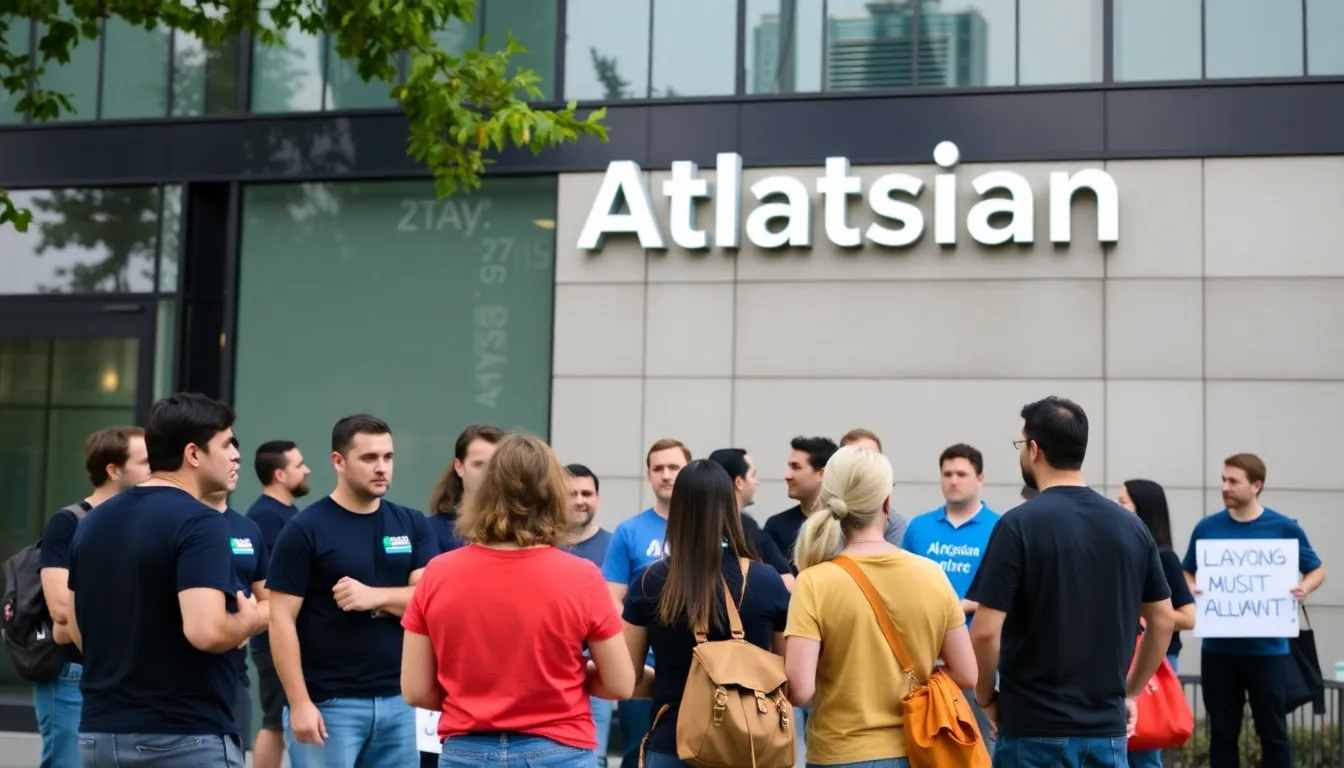
The layoffs come as part of a broader trend within the tech sector, where many companies have had to reassess their workforce in light of changing consumer behavior and economic pressures. Following the COVID-19 pandemic, there was an initial surge in demand for digital tools, leading to aggressive hiring. However, as the market has stabilized, companies like Atlassian are now facing the challenge of aligning their workforce with long-term strategic goals.
The Rise of AI and Its Implications
Atlassian’s shift towards artificial intelligence reflects a larger movement within the tech industry, where companies are increasingly investing in AI capabilities to enhance their products and services.
Historically, significant workforce reductions in the tech industry have often been followed by a period of restructuring and eventual recovery. Companies like IBM and Microsoft have previously undergone similar transformations, shedding jobs to focus on new technologies while eventually reinvesting in their workforces as new opportunities arise. Atlassian’s decision may be seen as a strategic move to position itself for future growth, albeit at a significant human cost.
As Atlassian embarks on this new chapter, the implications of these layoffs extend beyond the immediate workforce. The decision raises questions about the future of work in the tech industry, the balance between human talent and automation, and the ethical considerations of job displacement. Stakeholders will be closely watching how Atlassian navigates this transition and what it means for the broader tech ecosystem.
Examining the implications for stakeholders and the tech industry
The recent decision by Atlassian to lay off 1,600 workers marks a significant shift in the company’s operational strategy, particularly as it pivots towards artificial intelligence (AI) integration. This move not only affects the employees directly impacted but also has broader implications for various stakeholders, including investors, remaining employees, and the tech industry at large.
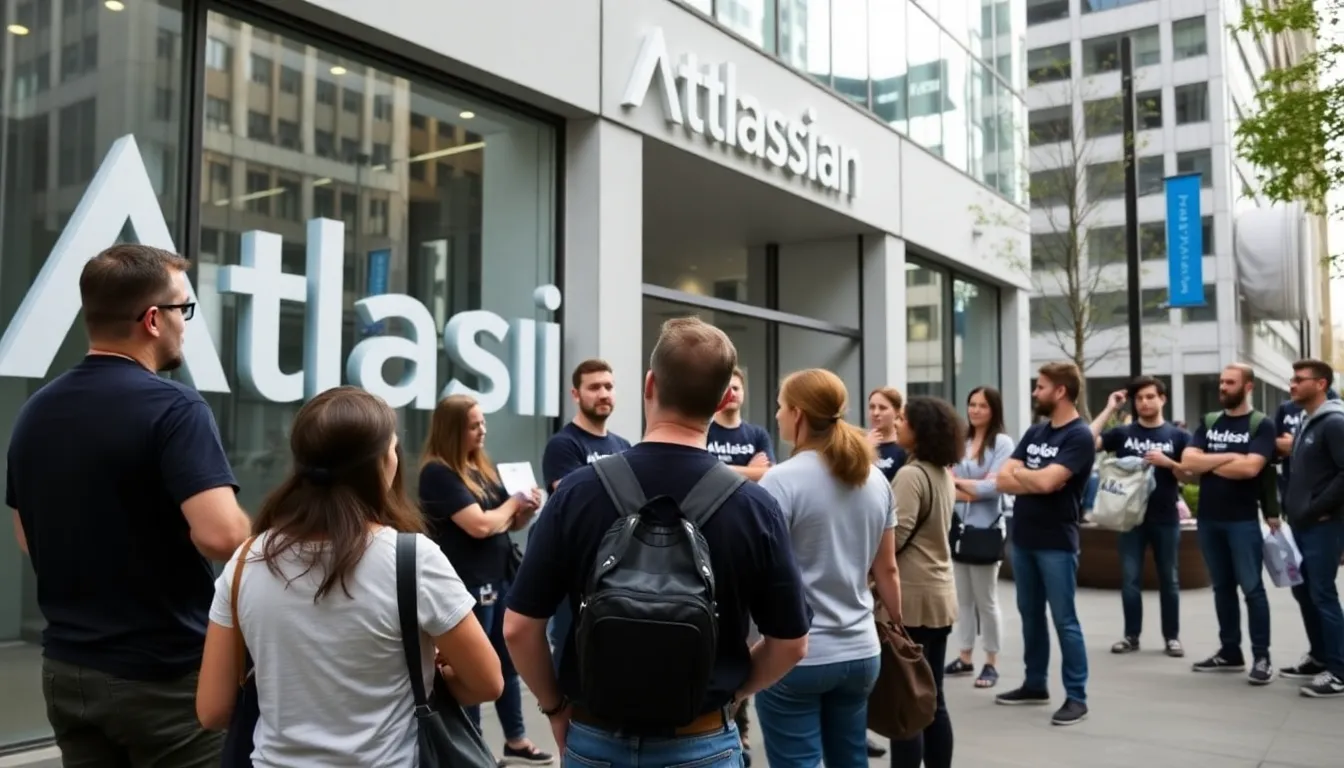
For Atlassian, the primary interest lies in enhancing productivity and competitiveness in a rapidly evolving market. By reallocating resources towards AI development, the company aims to streamline operations and innovate its product offerings. However, this shift raises concerns about job security and the morale of remaining employees who may feel uncertain about their future roles in an AI-driven environment.
Investors are closely monitoring these changes, as workforce reductions can lead to short-term cost savings but may also impact long-term growth and innovation. The trade-off here involves balancing immediate financial performance with the potential risks associated with losing skilled talent and institutional knowledge. Furthermore, the company’s commitment to AI could either position it as a leader in the tech sector or result in setbacks if the transition is not managed effectively.
- Employee Impact: The layoffs may lead to a talent drain, as skilled workers seek opportunities elsewhere, potentially benefiting competitors.
- Market Perception: Stakeholders may question the company’s stability and strategic direction, affecting stock prices and investor confidence.
- Legal Considerations: The layoffs could trigger legal scrutiny regarding compliance with labor laws and employee rights, especially if not handled transparently.
- Industry Trends: This move reflects a broader trend in the tech industry where companies are increasingly adopting AI, which may force others to follow suit or risk obsolescence.
- Economic Climate: The layoffs occur in a challenging economic environment, raising questions about the sustainability of tech companies and their workforce strategies.
In summary, the implications of Atlassian’s layoffs extend beyond the immediate workforce, touching on investor relations, employee morale, and the competitive landscape of the tech industry. As the company navigates this transition, the reactions of various stakeholders will play a crucial role in shaping its future trajectory.
Assessing the impact on employees and the market
The recent decision by Atlassian to lay off 1,600 workers has sent shockwaves across the tech industry, affecting not only the employees directly involved but also the broader market landscape. This move primarily impacts the software development and IT sectors, particularly in regions where Atlassian has a significant presence, such as Australia and the United States. The layoffs will likely lead to a ripple effect, influencing local economies and job markets.
In the short term, the affected employees face immediate challenges, including job loss and financial instability. Many of these workers, skilled in technology and innovation, will now be competing for fewer positions in an already saturated job market. Local businesses that rely on the disposable income of these employees may also experience a downturn, leading to reduced spending in retail and service sectors.

Mid-term effects could see a shift in the tech landscape as companies reassess their workforce strategies and budget allocations. The layoffs may prompt other firms to consider similar measures, fearing a decline in demand or profitability. This could lead to a contraction in the tech job market, further exacerbating unemployment rates and impacting economic growth.
- Risks: Increased unemployment rates, reduced consumer spending, and potential economic downturns in affected regions.
- Opportunities: A chance for innovation as laid-off employees may pursue entrepreneurial ventures, and a potential shift towards more efficient AI-driven solutions in business operations.
While the layoffs present significant challenges, they also highlight the ongoing transformation in the tech industry towards AI and automation. Companies may find new avenues for growth by investing in AI technologies, which could lead to the creation of new jobs in the long run, albeit requiring different skill sets. This transition will necessitate a focus on retraining and reskilling programs to prepare the workforce for the evolving job market.
A: Atlassian is shifting its focus towards artificial intelligence, which necessitated a reevaluation of its workforce to align with new strategic goals. A: The layoffs may lead to a temporary disruption in operations, but the company aims to enhance efficiency and innovation through its AI initiatives. A: Atlassian has stated that it will offer severance packages and career transition support to assist affected employees in finding new opportunities. A: This move indicates a significant shift in Atlassian’s strategy, potentially positioning the company as a leader in AI-driven solutions in the tech industry. A: Yes, many tech companies have been reducing their workforce recently as they adapt to changing market conditions and focus on new technologies.
Frequently asked questions about the layoffs
Key takeaways and future outlook for Atlassian
The recent decision by Atlassian to lay off 1,600 workers marks a significant shift in the company’s operational strategy as it pivots towards integrating artificial intelligence into its products. This move not only reflects the broader trend in the tech industry but also raises questions about the balance between workforce reduction and innovation. As Atlassian positions itself for future growth, stakeholders will need to closely monitor how these changes impact both employee morale and product development.
Investors and industry analysts should pay attention to how Atlassian’s AI initiatives unfold in the coming months. The company’s ability to leverage technology while maintaining a motivated workforce will be crucial in determining its long-term success in a competitive landscape.
- Monitor Atlassian’s AI product developments and their reception in the market.
- Evaluate the impact of workforce reductions on company culture and employee engagement.
- Watch for potential partnerships or acquisitions that may enhance Atlassian’s AI capabilities.
- Assess the competitive responses from other tech companies following Atlassian’s strategic shift.
- Keep an eye on financial performance indicators as the company navigates this transition.