
Recent events, such as the NBA and NFL’s partnerships with major betting companies, underscore the growing intersection of sports and gambling. In 2022, the NFL reported a record $7 billion in bets placed during the season, highlighting the financial stakes involved. However, this influx of money has also prompted discussions about responsible gambling practices and the protection of athletes from potential exploitation. For further insights on this topic, see Korean Content Leaders Reflect on Growth and Future Prospects.
High-profile incidents have further spotlighted the issue, with several athletes facing scrutiny for their involvement in gambling activities. For instance, in early 2023, a prominent NFL player was suspended for violating league policies related to betting. Such cases illustrate the risks athletes take in an environment where the allure of quick financial gain can lead to severe consequences.
The cultural acceptance of sports betting is evolving, yet it remains a controversial topic. Advocates argue that it enhances fan engagement and generates significant revenue for sports leagues, while critics caution against the potential for addiction and the undermining of competitive integrity. As Las Vegas continues to be a hub for this burgeoning industry, the implications for athletes and the broader sports ecosystem are profound.

The Historical Context of Gambling in Sports
The intertwining of gambling and sports dates back centuries, with roots tracing to ancient civilizations where athletic competitions were often accompanied by wagering. The Roman Empire, for instance, saw gladiatorial games attract bets from spectators, laying a foundation for the modern sports betting culture. However, it wasn’t until the 20th century that organized sports betting began to flourish, particularly in the United States, where the establishment of Las Vegas as a gambling hub marked a significant turning point.
In the mid-20th century, states began to legalize betting on horse racing, leading to the creation of state-run lotteries and eventually, sports betting. The Professional and Amateur Sports Protection Act (PASPA) of 1992 prohibited states from legalizing sports betting, effectively creating a federal ban that lasted for over two decades. This legislation was rooted in concerns about the integrity of sports, as well as the potential for gambling addiction and its societal impacts.
The landscape began to shift dramatically in 2018 when the U.S. Supreme Court struck down PASPA, allowing states to regulate sports betting as they saw fit. This ruling opened the floodgates for numerous states to legalize sports betting, creating a multi-billion dollar industry almost overnight. Las Vegas, already a prominent gambling destination, saw an influx of both tourists and athletes eager to engage in this newly legitimized form of wagering. This transformation is reminiscent of the financial discussions surrounding Musk’s SpaceX Unveils Financial Details Ahead of IPO.
The Economic Impact of Legalized Sports Betting
The legalization of sports betting has had profound economic implications, not just for Las Vegas but for the entire country. States that have embraced sports betting have reported significant increases in tax revenues, with funds often allocated to public services such as education and infrastructure. Moreover, the influx of betting has led to the creation of jobs, both in the gaming industry and indirectly in sectors such as hospitality and entertainment. As athletes become more involved in this lucrative landscape, the risks and rewards of gambling on sports have never been more prominent, similar to the way eating local yoghurt on holiday can impact one’s health.

Key Stakeholders and Issues Surrounding Athlete Gambling
The intersection of professional sports and gambling has drawn significant attention, particularly in Las Vegas, where the allure of high stakes can entice athletes to engage in risky behavior. Key stakeholders in this scenario include athletes, sports organizations, gambling companies, and regulatory bodies. Each of these actors has distinct interests that can lead to conflicts and trade-offs.
Athletes are often the most visible stakeholders, as they face immense pressure to perform while navigating personal financial challenges. The potential for lucrative endorsements and winnings can tempt athletes to gamble, raising concerns about their mental health and decision-making. Sports organizations, on the other hand, are primarily concerned with maintaining the integrity of their leagues. They must implement strict policies to prevent gambling-related scandals that could tarnish their reputations.
Gambling companies play a dual role as both promoters of sports betting and potential benefactors to athletes through sponsorships. Their interests lie in maximizing profits, which can sometimes conflict with the ethical considerations of athlete welfare. Regulatory bodies, including state governments, are tasked with overseeing gambling practices, ensuring compliance with laws, and safeguarding the public interest. This can lead to tensions between promoting economic growth through legalized gambling and protecting the integrity of sports.
- Integrity of Sports: The risk of match-fixing and other corrupt practices can undermine public trust in sports.
- Athlete Welfare: The mental health implications of gambling addiction can have devastating effects on athletes’ careers and lives.
- Economic Incentives: The financial benefits of legalized gambling can boost local economies but may come at a cost to ethical standards.
- Regulatory Challenges: Different jurisdictions have varying laws regarding sports betting, complicating enforcement and compliance.
- Public Perception: The normalization of gambling in sports can shift societal attitudes, potentially leading to increased addiction rates.
Ultimately, the landscape of athlete gambling in Las Vegas is fraught with complexities, as each stakeholder navigates their interests against a backdrop of legal and economic challenges. Understanding these dynamics is crucial for grasping the broader implications for the sports industry and society at large.

The Impact of Gambling on Athletes and the Sports Market
The advent of legalized sports betting in Las Vegas has created a seismic shift in the landscape of professional sports, affecting various groups including athletes, sports organizations, and fans. Athletes, particularly those competing in high-stakes environments, find themselves at the crossroads of immense financial opportunity and significant personal risk. The allure of gambling can lead to a culture where performance is overshadowed by the potential for financial gain, creating ethical dilemmas and pressures that could impact their careers.
Sports organizations are also navigating this new terrain, as the influx of betting revenue presents both opportunities and challenges. While partnerships with gambling companies can enhance sponsorship deals and increase overall revenue, they also raise concerns about the integrity of the sport. The potential for match-fixing and corruption looms large, necessitating strict regulations and monitoring to safeguard the authenticity of competitions.
Fans are not immune to the effects of this gambling boom. The excitement of betting can enhance the spectator experience, leading to increased engagement and viewership. However, it can also foster a culture of dependency and addiction, impacting individuals and families. The social implications are profound, as communities grapple with the consequences of gambling-related issues.
- Short-term impacts: Increased viewership and engagement, potential addiction issues, and heightened scrutiny on athlete behavior.
- Mid-term impacts: Changes in sponsorship dynamics, evolving policies around gambling in sports, and potential legal challenges regarding athlete rights.
- Opportunities: New revenue streams for sports organizations, enhanced fan experiences, and innovative partnerships with tech and gambling companies.
Regions with legalized sports betting are likely to see economic boosts, but this comes with the responsibility of ensuring that protections are in place for vulnerable populations. As this landscape continues to evolve, the balance between opportunity and risk will be a critical focus for all stakeholders involved.

A: Athletes risk their careers, reputations, and financial stability when they engage in gambling. The potential for addiction and the impact on their performance are significant concerns. A: Yes, gambling is legal in Las Vegas, but athletes must adhere to strict regulations set by their respective sports organizations to avoid conflicts of interest. A: Gambling can compromise the integrity of sports if athletes or officials are involved in match-fixing or other unethical practices to influence outcomes. A: Sports organizations implement educational programs and strict policies to help athletes understand the risks of gambling and maintain integrity in their sports. A: Yes, many sports organizations offer counseling and support services for athletes dealing with gambling issues to help them manage their behavior.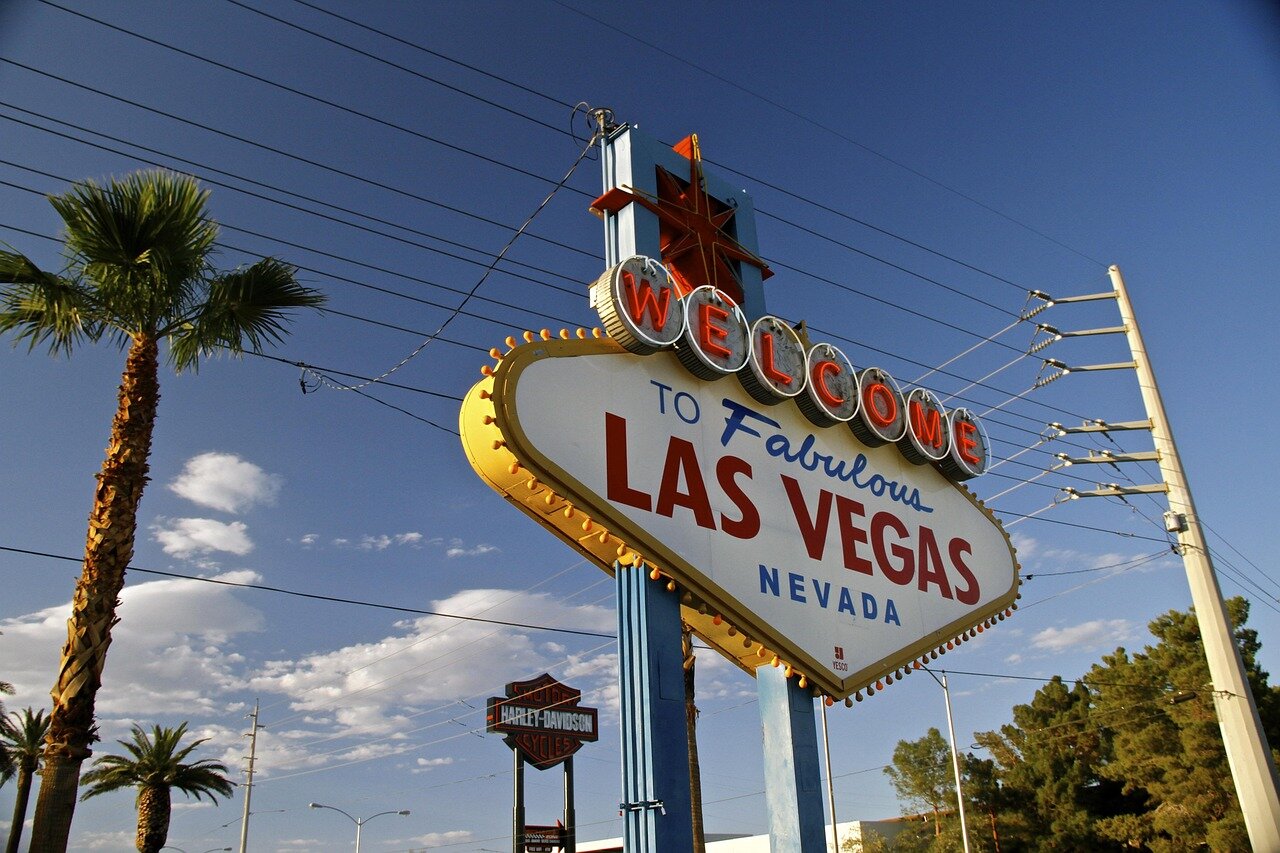
Frequently Asked Questions about Sports Gambling
Key Takeaways and Future Outlook on Athlete Gambling
The intersection of sports and gambling in Las Vegas presents both opportunities and significant risks for athletes. As the landscape of professional sports continues to evolve, the normalization of gambling may lead to increased scrutiny and potential regulatory changes. Athletes must navigate this complex environment carefully, weighing the financial benefits against the potential for personal and professional repercussions.
Looking ahead, the implications of this trend are profound. Stakeholders, including sports organizations, sponsors, and fans, will need to engage in open discussions about the ethical considerations surrounding athlete gambling. The future may see a shift in policies aimed at protecting athletes while still allowing them to capitalize on lucrative opportunities.
- Increased Regulation: Expect tighter regulations from sports leagues and governing bodies to address the risks associated with athlete gambling.
- Support Systems: Organizations may implement support systems and educational programs to help athletes understand the risks and responsibilities of gambling.
- Public Perception: Monitor how public sentiment shifts as more athletes engage in gambling, which could influence sponsorship deals and partnerships.
- Financial Implications: Athletes should consider the long-term financial implications of gambling, balancing immediate gains against potential future losses.
- Ethical Discussions: Anticipate ongoing debates about the ethics of athlete gambling, particularly regarding integrity and the influence of gambling on performance.