
The event features a diverse lineup of participants, including artists from Jordan, who bring unique perspectives shaped by their local environments, and students from Indian universities, who are exploring contemporary themes through traditional mediums. Additionally, Chinese universities are represented, emphasizing the importance of collaboration and cross-cultural dialogue in the creative process. For more insights, check out our article on Woody De Othello Showcases Diverse Artworks at Art Basel.
Workshops, panel discussions, and exhibitions are integral components of the event, allowing attendees to engage with industry leaders and gain insights into the evolving landscape of creative industries in Asia. This initiative not only showcases individual talents but also fosters a sense of community among young creatives, encouraging them to forge connections that transcend borders. Such events are crucial to understanding the dynamics of creativity, similar to the topics discussed in Taboo subjects addressed at women’s health event.
The significance of this gathering extends beyond artistic expression; it reflects a growing recognition of the role that creativity plays in economic development and cultural diplomacy. As Asian countries increasingly invest in their creative sectors, events like this one in Shanghai highlight the potential for innovation and collaboration in addressing global challenges.
The Cultural Significance of Shanghai as a Creative Hub
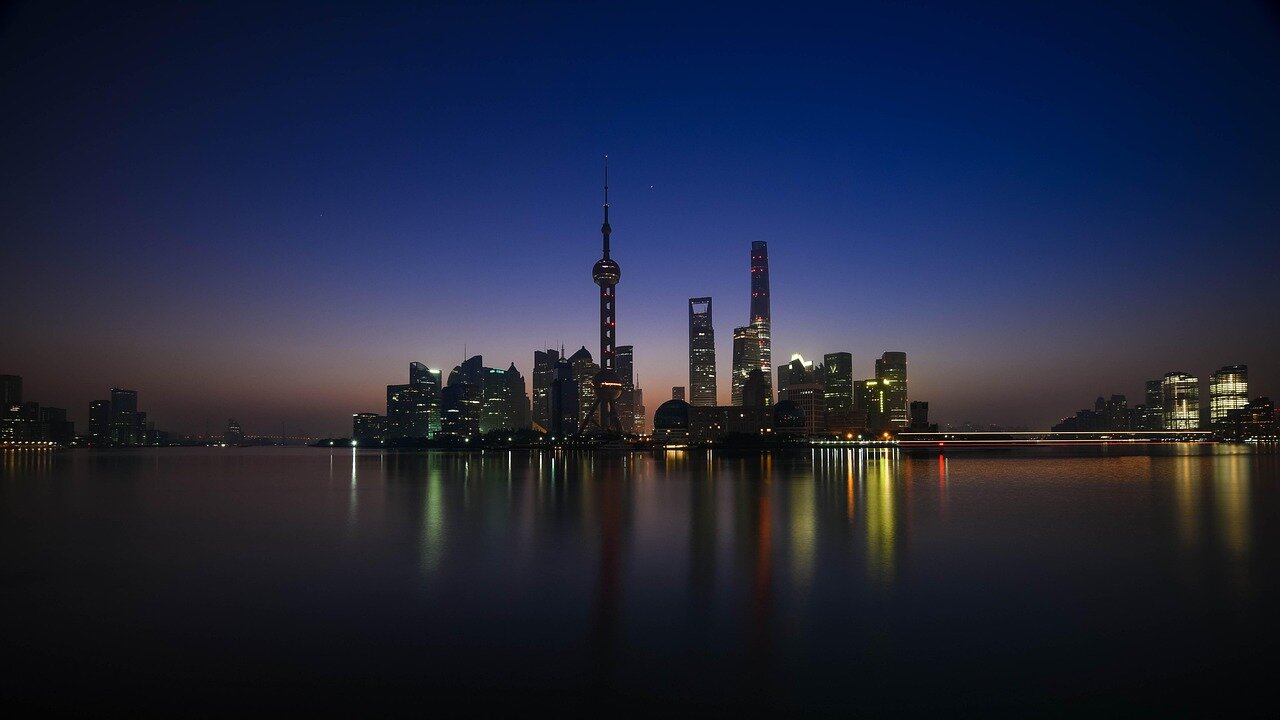
Shanghai has long been recognized as a vibrant cultural and economic center in Asia, attracting talent and innovation from around the globe. Its unique blend of Eastern and Western influences, stemming from its colonial past, has fostered a dynamic environment where creativity thrives. This city has become a magnet for artists, designers, and entrepreneurs, who seek to harness its resources and opportunities to propel their careers.
The historical backdrop of Shanghai’s development as a creative hub can be traced back to the early 20th century when it emerged as a major trading port. The influx of foreign cultures and ideas during this period laid the groundwork for a diverse artistic landscape. Over the decades, Shanghai has evolved, especially following China’s economic reforms in the late 20th century, which opened the door for greater cultural exchange and collaboration. This evolution mirrors the expanding reach of animation, highlighted by UTA Partner Jason Burns Highlights the Growth of Animation Ahead of Annecy Film Festival.
In recent years, the rise of digital technology and social media has further transformed the creative scene in Shanghai. Young talents from various parts of Asia, including Jordan and India, are increasingly drawn to the city, seeking to engage with its rich artistic community. These emerging artists often bring their unique cultural perspectives, enriching Shanghai’s creative tapestry and highlighting the interconnectedness of Asian cultures.
The Role of Education and Institutions
Shanghai’s educational institutions play a crucial role in nurturing new talent. Renowned universities and art schools offer programs that attract aspiring creatives from across Asia. These institutions not only provide formal training but also serve as incubators for innovative ideas and collaborations. As a result, students and emerging artists are better equipped to navigate the competitive creative landscape, contributing to Shanghai’s reputation as a leading center for artistic expression.
Today, the convergence of diverse cultures and the support of educational frameworks position Shanghai as a pivotal player in shaping the future of creative industries in Asia. The city’s ability to adapt and embrace new influences continues to inspire a new generation of talent, making it a focal point for those looking to chart their own creative paths.
Key Issues Facing Asian New Talent in the Creative Industry
The emergence of new talent in Asia’s creative industry has sparked a dynamic interplay among various stakeholders, including governments, educational institutions, and private organizations. Each actor has distinct interests that shape the landscape of creative expression and innovation across the region.
Governments in countries like Jordan, India, and China are keen to promote their cultural industries as a means of enhancing national identity and economic growth. They often support initiatives that provide funding and resources for emerging artists, yet this can lead to conflicts over censorship and artistic freedom. For instance, while funding may be available, the stipulations attached can restrict the creative processes of artists.
Educational institutions play a crucial role in nurturing talent, offering programs that equip students with the skills necessary for success in the creative sector. However, the quality and accessibility of these programs can vary significantly. In a competitive landscape, there is a trade-off between the quantity of graduates and the quality of education, which can impact the overall talent pool available to the industry.
- Funding and Support: Government initiatives can provide financial backing, but may impose restrictions that affect creative expression.
- Access to Education: Disparities in educational resources can create barriers for aspiring creatives, particularly in rural areas.
- Cultural Sensitivity: Navigating cultural norms and expectations can pose challenges for artists seeking to innovate while remaining respectful to traditions.
- Global Competition: As Asian talent gains recognition, they face the challenge of competing on a global scale against well-established international artists.
- Legal Framework: Intellectual property laws can be inconsistent across regions, complicating the protection of creative works.
Private organizations, including startups and established companies, are increasingly investing in creative talent, recognizing the potential for innovation and market growth. However, the profit-driven motives of these entities can sometimes clash with the artistic goals of creators, leading to tensions over creative control and ownership. Balancing commercial interests with artistic integrity remains a critical issue for the future of the creative industry in Asia.
The Impact of Globalization on Local Creative Expressions
The recent emergence of new talent from diverse regions such as Jordan, India, and China highlights the profound effects of globalization on local creative industries. This wave of creativity not only showcases unique cultural narratives but also influences various sectors including fashion, music, and digital arts. As these young creators gain international recognition, the local economies and cultural landscapes of their home countries are poised for significant transformation.
In the short term, the influx of creative talent can invigorate local markets. Artists and creators often bring fresh ideas and innovative approaches that can attract investment and tourism. For instance, cities like Amman and New Delhi may see increased interest from global brands seeking collaborations with local designers and artists. This can lead to job creation in creative sectors, enhancing the livelihoods of many.
However, there are risks associated with this rapid globalization. Local traditions and artistic expressions may be overshadowed by dominant global trends, potentially leading to cultural homogenization. Additionally, established artists may feel threatened by the competition from new entrants, which could create tension within creative communities.
In the mid-term, the impact on policy could be significant. Governments may need to adapt their cultural policies to support emerging talent while protecting local heritage. This could involve funding initiatives for local arts organizations or implementing regulations that promote cultural diversity in creative industries.
- Opportunities: Increased global collaborations can lead to innovative projects and cross-cultural exchanges.
- Risks: Potential loss of cultural identity and increased competition for local artists.
- Economic Growth: Boost in tourism and local business through creative events and festivals.
As these new talent contenders chart their creative paths, the interplay between globalization and local expression will continue to shape the cultural and economic landscapes across Asia, presenting both challenges and opportunities for communities involved.
Frequently Asked Questions about Asian New Talent in Shanghai
A: The event features a diverse range of talents, including artists, designers, and performers from various Asian countries, each bringing their unique cultural perspectives.
A: Shanghai provides various platforms for exposure, including art exhibitions, workshops, and networking events that connect new talents with industry leaders.
A: Shanghai is known for its vibrant arts scene, rich cultural heritage, and its role as a melting pot for international influences, making it an ideal place for creative expression.
A: Emerging talents often encounter challenges such as funding, visibility, and competition in a rapidly evolving creative landscape.
A: Audiences can engage through attending exhibitions, participating in workshops, and following these artists on social media to support their work.
Future Prospects for Asian Creative Talents in Global Markets
The emergence of new creative talents from diverse regions such as Jordan, India, and China highlights a significant shift in the global artistic landscape. As these young contenders navigate their unique cultural backgrounds and leverage their experiences, they are poised to make substantial contributions to the global creative economy. Their journeys reflect a growing interconnectedness and the potential for cross-cultural collaboration, which can enrich artistic expression and innovation.
As we observe this trend, it becomes clear that the global market is increasingly receptive to diverse voices. This opens up new avenues for Asian creative talents to thrive and influence international audiences. The ongoing development of digital platforms and global networks will further facilitate their reach, allowing them to showcase their work and connect with a wider audience.
- Watch for increased collaborations between Asian creatives and international brands, enhancing cultural exchange.
- Monitor the role of technology in amplifying the visibility of emerging talents through social media and digital art platforms.
- Note the potential for unique storytelling that arises from the blend of traditional and contemporary influences in their work.
- Stay alert to shifts in audience preferences as global consumers seek authenticity and diverse perspectives in creative content.
- Consider the impact of educational initiatives aimed at nurturing creative skills across different regions, fostering a new generation of innovators.