
Recent data from the National Oceanic and Atmospheric Administration (NOAA) indicates that Phoenix experienced its hottest summer on record in 2023, with several days exceeding 110 degrees Fahrenheit. The extreme heat poses significant risks, particularly for vulnerable populations, including the elderly and those with pre-existing health conditions. Local authorities are facing increasing pressure to develop effective heat mitigation strategies to protect residents.
In response to these challenges, a growing number of artists and community activists are using their platforms to raise awareness about climate issues and inspire action. Initiatives such as public art installations and community workshops, similar to those seen in recent high-profile events, aim to engage residents in discussions about sustainability and resilience.
Moreover, the city is exploring innovative solutions, including increased tree planting and the development of green spaces, to combat urban heat. These initiatives not only address the immediate effects of rising temperatures but also foster community cohesion and promote mental well-being. As Phoenix navigates these challenges, the intersection of art and environmental advocacy offers a glimmer of hope for a more sustainable future.
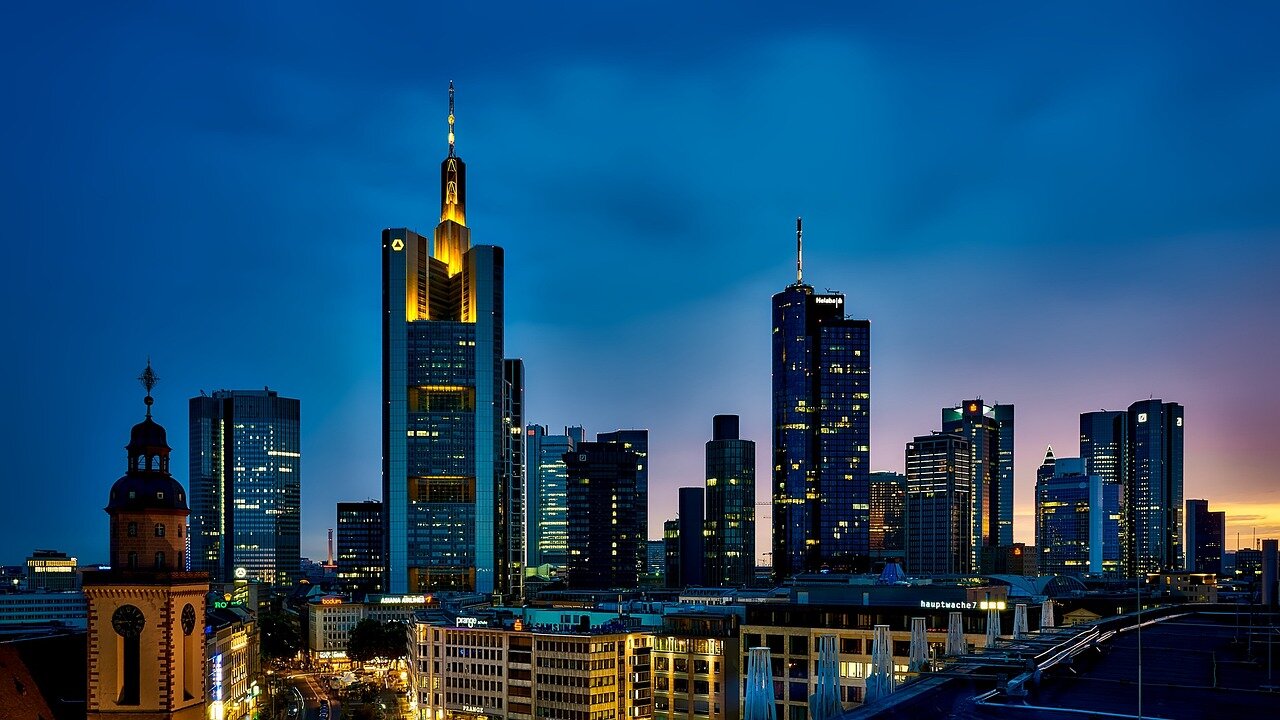
The Historical Context of Climate Change in Urban Areas
Urban areas have long been at the forefront of industrial development, which has significantly contributed to climate change. As cities expanded during the 19th and 20th centuries, they became centers of economic activity, attracting populations seeking jobs and opportunities. However, this rapid urbanization often came at the expense of the environment, leading to increased greenhouse gas emissions and the degradation of natural ecosystems.
In the United States, the effects of climate change have become increasingly pronounced, particularly in cities that are already vulnerable due to their geographical locations. For instance, cities in the Southwest, such as Phoenix, have experienced extreme heat waves, water shortages, and increased drought conditions. These challenges are compounded by socio-economic factors, as marginalized communities often bear the brunt of environmental degradation and lack the resources to adapt.
Key Milestones in Climate Awareness
The recognition of climate change as a pressing issue gained momentum in the late 20th century. The first Earth Day in 1970 and the establishment of the Environmental Protection Agency (EPA) marked significant steps towards environmental awareness. In the following decades, scientific research, such as the Intergovernmental Panel on Climate Change (IPCC) reports, provided critical evidence of human-induced climate change, leading to international agreements like the Kyoto Protocol in 1997 and the Paris Agreement in 2015.
However, grassroots movements and local artists have emerged as vital players in advocating for climate justice and resilience, illustrating how creativity can foster hope and inspire action in the face of adversity. This aligns with the ethos of various community organizations that work towards similar goals, emphasizing the strength of collaboration.

Key Stakeholders and Their Perspectives on Climate Action
In the context of climate change, particularly in the fastest-warming city in the U.S., various stakeholders are actively involved in shaping the narrative and response to this pressing issue. These stakeholders include local artists, community organizations, government agencies, and environmental activists, each bringing unique perspectives and interests to the forefront of climate action.
Local artists play a crucial role in raising awareness about climate change and its impacts on the community. Their work often reflects the emotional and cultural dimensions of environmental degradation, inspiring hope and resilience among residents. By using their platforms, artists aim to engage the public in discussions about sustainability and the importance of preserving their environment.
Community organizations, including non-profits and grassroots groups, are vital in mobilizing residents and advocating for policy changes. These organizations often represent marginalized voices that may be disproportionately affected by climate change. Their interests typically revolve around securing funding for climate adaptation projects, promoting social equity, and ensuring that the community’s needs are met in climate action plans.
- Government Agencies: Local and state governments are tasked with implementing regulations and policies aimed at mitigating climate change. Their interests often conflict with economic development goals, as they must balance environmental protection with job creation.
- Environmental Activists: These individuals and groups advocate for stronger climate policies and protections. They often face challenges in gaining traction against industries that prioritize profit over sustainability.
- Business Sector: Local businesses may have varying interests in climate action. While some support sustainability initiatives, others may resist regulations that threaten their profitability, leading to a complex web of trade-offs.
Conflicts among these stakeholders can arise from differing priorities. For instance, while artists and activists may push for immediate and aggressive climate action, some businesses and government agencies may advocate for a more gradual approach that considers economic implications. This tension highlights the need for collaborative dialogue and compromise to achieve effective climate solutions that benefit the entire community.
How Local Communities Are Affected by Rising Temperatures
The fastest-warming city in the U.S. is experiencing profound changes that impact various groups and industries. Local artists, small businesses, and residents are at the forefront of these transformations, paralleling the significant shifts observed in other sectors. As temperatures rise, the cultural fabric and economic landscape of the community are being reshaped in both challenging and innovative ways.
In the short term, artists face immediate challenges such as heat-related disruptions to outdoor events and exhibitions. This can lead to decreased attendance and engagement, posing risks to their livelihoods. The local tourism industry, which often relies on seasonal visitors, may also suffer as extreme heat deters travelers. However, this same heat can inspire new forms of artistic expression, pushing creatives to adapt and innovate.
Mid-term impacts may include shifts in local policies aimed at climate adaptation and sustainability. Communities might see increased investment in green infrastructure, which can create job opportunities in construction and maintenance. Additionally, local businesses may pivot to offer climate-resilient products and services, fostering a new market that caters to the needs of a changing environment.
- Risks: Decreased tourism, heat-related health issues, and disruption of cultural events.
- Opportunities: New artistic expressions, investment in green infrastructure, and growth of climate-resilient businesses.
As the community grapples with these changes, the resilience of its residents and artists becomes evident. Their ability to adapt not only highlights the risks posed by rising temperatures but also showcases the potential for growth and innovation in the face of adversity. This duality of risk and opportunity is shaping the future of the fastest-warming city in the U.S.
A: Artists are using their work to highlight the impacts of climate change and inspire action. Through various mediums, they communicate the urgency of the crisis and engage the community. A: The article features several projects where artists create installations and performances that reflect the challenges posed by climate change, aiming to foster dialogue and hope. A: The city has experienced significant temperature increases over the past few decades, attributed to a combination of urbanization and climate change effects. A: The public can support these artists by attending their exhibitions, participating in community events, and advocating for policies that address climate change. A: Community involvement is crucial as it fosters collaboration and ensures that the art resonates with local experiences and concerns about climate change.
Frequently Asked Questions About Climate Change and Art
Looking Ahead: The Role of Art in Climate Resilience
As the fastest-warming city in the U.S. grapples with the realities of climate change, the artistic community emerges as a vital force for hope and resilience. Artists are not only reflecting the challenges posed by a changing environment but are also actively engaging their communities in dialogues about adaptation and sustainability. This intersection of art and climate action underscores the potential for creative expression to inspire collective responses to environmental crises.
Moving forward, the contributions of artists in raising awareness and fostering community engagement will be crucial. Their ability to visualize complex issues and evoke emotional responses can mobilize individuals and communities towards innovative solutions. Observing how these artistic initiatives evolve will provide insights into the broader cultural shifts necessary for addressing climate challenges.
- Community Engagement: Watch for increased collaboration between artists and local communities to develop projects that address specific environmental issues.
- Innovative Solutions: Expect artists to lead initiatives that incorporate sustainable practices into their work, setting examples for eco-friendly approaches.
- Emotional Resonance: The capacity of art to evoke emotions will continue to play a pivotal role in motivating action and raising awareness about climate change.
- Policy Influence: Artistic movements may begin to influence local policies by highlighting the cultural importance of sustainability and climate resilience.
- Global Connections: Look for artists to connect with global movements, sharing insights and strategies that empower communities facing similar challenges worldwide.