
This expansion is attributed to a combination of factors, including enhanced conservation efforts and increased public awareness about the importance of preserving these vital ecosystems. Notably, local communities and environmental organizations have played a crucial role in advocating for the protection and restoration of ancient woodlands, which are vital for biodiversity and carbon sequestration. For more on the impact of conservation efforts, see this article on environmental plans.
Ancient woodlands are defined as areas that have been continuously wooded since at least 1600 AD, making them irreplaceable habitats for many species. The survey highlights that the increase in these woodlands is essential not only for wildlife but also for combating climate change and promoting sustainable forestry practices, which is similar to the themes explored in the recent article about climate-related challenges.
The findings have prompted calls for further investment in woodland conservation and management. Stakeholders, including government officials and conservationists, are now discussing strategies to ensure the continued protection of these ancient ecosystems, which are increasingly threatened by urban development and climate-related challenges. To learn more about the broader impact of climate issues, check the article on activism in changing environments.
Understanding the importance of ancient woodlands
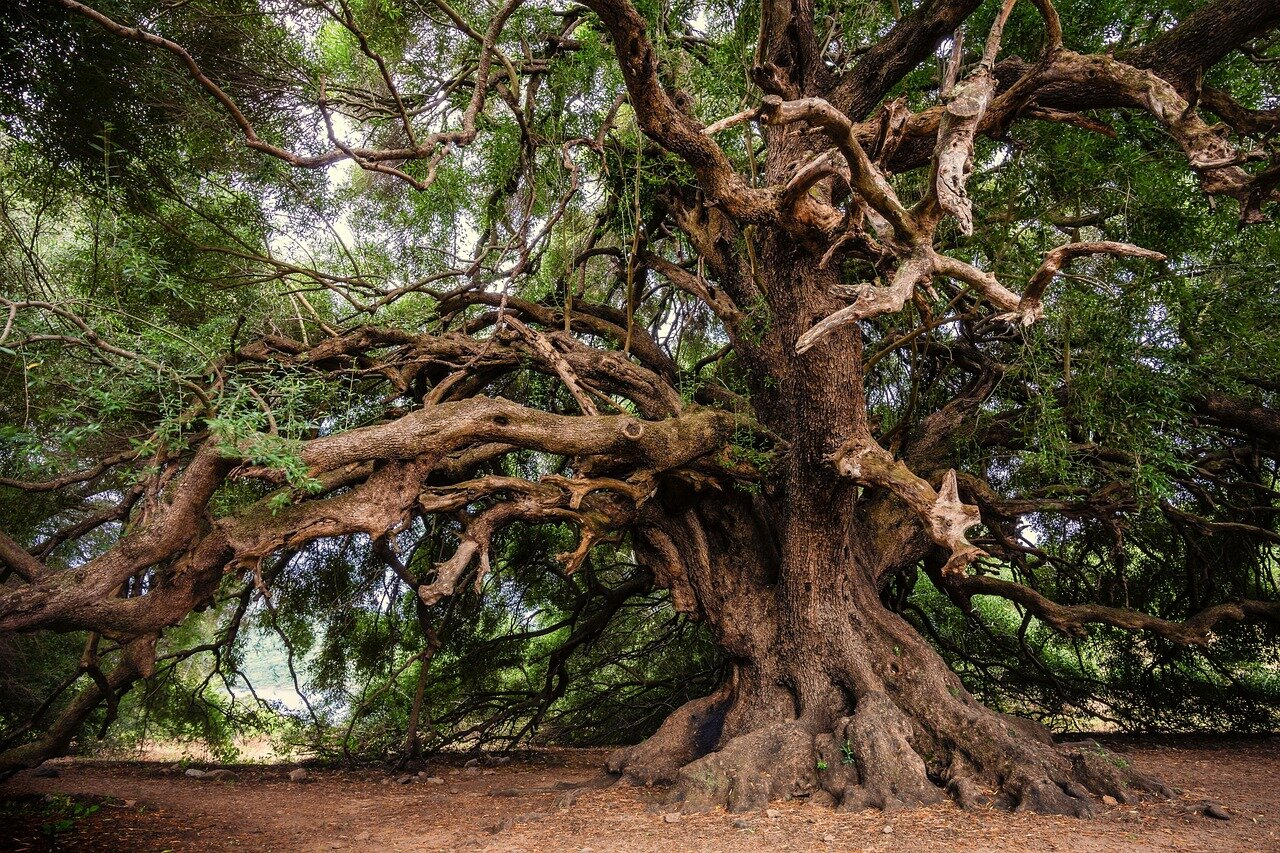
Ancient woodlands are vital ecosystems that have developed over centuries, often housing unique flora and fauna. These woodlands are defined as areas that have been continuously wooded since at least 1600 AD in England, making them irreplaceable in terms of biodiversity and cultural heritage. Historically, they have served not only as habitats for wildlife but also as resources for local communities, providing timber, fuel, and food.

The significance of ancient woodlands extends beyond their ecological value; they are also intertwined with the social and political fabric of the regions they inhabit. Over the years, these woodlands have faced pressures from agricultural expansion, urban development, and logging. The Industrial Revolution marked a turning point, as vast areas of forest were cleared to make way for factories and housing, leading to a dramatic decline in woodland areas across the UK.
In recent decades, however, there has been a growing recognition of the importance of preserving ancient woodlands. Environmental movements have gained momentum, advocating for the protection of these ecosystems and their restoration. Legislation such as the Countryside and Rights of Way Act 2000 has aimed to safeguard ancient woodlands, but challenges remain as economic interests often clash with conservation efforts.
Key milestones in woodland conservation
Several key milestones have shaped the current landscape of woodland conservation. The establishment of the Forestry Commission in 1919 marked the beginning of organized forest management in the UK. More recently, initiatives like the England Tree Strategy, launched in 2020, aim to increase tree planting and enhance the management of existing woodlands. These efforts reflect a shift in public and governmental attitudes towards valuing natural habitats, particularly in light of climate change and biodiversity loss.
Key stakeholders and issues surrounding ancient woodland conservation
The recent survey indicating a significant increase in ancient woodland has brought various stakeholders into the spotlight. These include environmental organizations, government bodies, local communities, and landowners, each with distinct interests and concerns regarding the preservation and management of these vital ecosystems.
Environmental organizations, such as the Woodland Trust and the Royal Society for the Protection of Birds, advocate for the protection of ancient woodlands due to their biodiversity and ecological value. They often push for stricter regulations to prevent deforestation and habitat destruction, emphasizing the importance of these areas for carbon storage and wildlife conservation.
On the governmental side, local and national authorities face the challenge of balancing conservation efforts with economic development. Policies designed to protect ancient woodlands may conflict with agricultural expansion, urban development, or infrastructure projects, leading to tensions between environmental goals and economic interests.
- Landowners may seek to manage their properties for economic gain, which can lead to conflicts with conservation efforts if their land includes ancient woodlands.
- Local communities often rely on the resources provided by these woodlands for recreation and tourism, creating a vested interest in their preservation.
- Legal frameworks surrounding land use and conservation can create trade-offs, as stakeholders navigate regulations that may protect ancient woodlands but also restrict land development.
As the conversation around ancient woodlands evolves, stakeholders must engage in dialogue to address these conflicts and work towards sustainable solutions that honor both ecological integrity and economic viability.
The impact of increased ancient woodland on biodiversity and climate
The recent survey indicating a significant increase in ancient woodland has far-reaching implications for various groups, industries, and regions. Environmental organizations, local communities, and the forestry industry are among those most directly affected. Additionally, policymakers will need to consider these findings as they shape future environmental regulations and conservation efforts.
In the short term, local businesses, especially those in tourism and recreation, may experience a boost as more visitors are drawn to the enhanced natural landscapes. This could lead to increased spending in nearby towns and cities. However, there may also be challenges for industries reliant on land for agriculture or development, as the presence of ancient woodlands may limit land use and alter land value.
Mid-term impacts could include shifts in local economies as communities adapt to the growing importance of conservation and eco-tourism. Businesses may need to pivot towards sustainable practices, creating opportunities for innovation and growth in green technology and conservation services. On the other hand, there is a risk of conflict arising between conservation efforts and land development interests.

- Opportunities: Growth in eco-tourism and related services.
- Risks: Potential land use conflicts affecting agriculture and development.
- Policy Changes: Increased regulations on land use and conservation initiatives.
Ultimately, the increase in ancient woodland presents a unique intersection of challenges and opportunities that will require careful navigation by affected stakeholders. Collaboration among communities, industries, and policymakers will be essential to maximize the benefits while mitigating potential downsides.
A: Ancient woodland is defined as land that has been continuously wooded since at least 1600 AD in England, and earlier in other parts of the UK. These areas are rich in biodiversity and are crucial for wildlife. A: The survey is significant as it indicates a notable increase in ancient woodland areas, which can have positive implications for biodiversity and climate change mitigation. A: Protection of ancient woodlands can be achieved through conservation policies, legal protections, and community engagement in sustainable land management practices. A: Ancient woodlands provide numerous benefits including habitat for wildlife, carbon storage, and recreational spaces for communities. They also contribute to ecosystem services. A: The survey was conducted by a team of environmental researchers and organizations dedicated to forest conservation and biodiversity.
Frequently asked questions about ancient woodland
Insights and future outlook on ancient woodland conservation
The recent survey indicating a significant increase in ancient woodland areas presents a promising opportunity for biodiversity conservation and climate resilience. As these ecosystems are crucial for supporting various species and mitigating climate change, this development underscores the importance of continued protection and restoration efforts. It also highlights the need for effective management strategies that balance ecological integrity with human activities.
Looking ahead, stakeholders in conservation, policy-making, and community engagement must remain vigilant and proactive. The increase in ancient woodland is not just a statistic; it reflects the ongoing efforts of conservationists and local communities. However, challenges such as urban development and climate change still pose risks that require coordinated action and innovative solutions.
- Monitor the health of newly identified ancient woodland areas to ensure their long-term viability.
- Encourage community involvement in conservation efforts to foster a sense of stewardship and awareness.
- Advocate for policies that protect ancient woodlands from development pressures and promote sustainable land use practices.
- Explore funding opportunities for restoration projects that enhance the ecological value of these woodlands.
- Utilize technology and research to better understand the role of ancient woodlands in carbon sequestration and biodiversity preservation.