
The deal, expected to close in the coming months, will allow Amazon to expand its reach into satellite communications, enhancing its existing cloud services and potentially offering new internet solutions to underserved areas.
Amazon’s entry into the satellite internet space is poised to intensify competition, particularly against Elon Musk’s Starlink, which has rapidly gained users with its high-speed internet services. With this acquisition, Amazon is not only diversifying its portfolio but also positioning itself to play a crucial role in the future of global internet connectivity.
The implications of this acquisition are vast, as it could lead to lower prices and improved services for consumers. As both Amazon and SpaceX continue to innovate, the race for dominance in satellite internet services is set to reshape the landscape of telecommunications in the coming years.
The background of satellite internet and the rise of competitors
Satellite internet has evolved significantly since its inception in the late 20th century, initially serving as a niche solution for remote areas lacking terrestrial broadband infrastructure. The launch of the first commercial satellite internet services in the 1990s marked a pivotal moment, allowing users in rural and underserved regions to access the internet. However, these early services faced challenges such as high latency and limited bandwidth, which hampered their appeal compared to terrestrial options.

In recent years, the landscape of satellite internet has undergone a transformation, primarily driven by advancements in technology and the entry of new players into the market. Companies like SpaceX, with its Starlink project, have revolutionized the sector by deploying large constellations of low Earth orbit (LEO) satellites. This approach significantly reduces latency and increases bandwidth, making satellite internet a viable alternative to traditional broadband services. Starlink’s rapid growth has attracted millions of subscribers and has positioned it as a formidable competitor in the global internet market.
The competitive landscape
The increasing demand for reliable internet access, especially in remote and rural areas, has spurred interest from various tech giants and investors. Amazon’s recent announcement to acquire Globalstar for $11.57 billion is a strategic move to bolster its position in the satellite internet arena. This acquisition not only aims to enhance Amazon’s existing satellite capabilities but also serves as a direct challenge to SpaceX’s Starlink, reflecting the intensifying competition among major players in the industry.
As the race for satellite internet dominance heats up, regulatory challenges and geopolitical considerations also come into play. Governments worldwide are beginning to recognize the strategic importance of satellite communications, leading to increased scrutiny and regulation of satellite launches and operations. This evolving regulatory landscape will likely shape the future of the satellite internet industry, influencing how companies like Amazon and SpaceX navigate their growth strategies.
In summary, the rise of satellite internet has been marked by significant technological advancements and the emergence of competitive players. Amazon’s acquisition of Globalstar represents a critical juncture in this evolving landscape, as it seeks to challenge established competitors and expand access to high-speed internet globally.
Key stakeholders and implications of the Amazon-Globalstar deal
The acquisition of Globalstar by Amazon for $11.57 billion marks a significant shift in the competitive landscape of satellite communications. Key stakeholders in this deal include Amazon, Globalstar, SpaceX, and regulatory bodies. Each of these entities has distinct interests that could shape the future of satellite internet services.

Amazon, as the acquirer, aims to enhance its technological capabilities and expand its reach in the satellite communications sector. By integrating Globalstar’s satellite network, Amazon could potentially offer improved connectivity solutions, particularly in underserved areas. This move directly challenges SpaceX’s Starlink, which has established a strong foothold in the market and is known for its rapid deployment and extensive coverage.
Globalstar, the satellite firm being acquired, stands to benefit from Amazon’s resources and technological expertise. However, this acquisition raises questions regarding the future of Globalstar’s existing partnerships and contracts. The transition could lead to shifts in service delivery and pricing structures, impacting current users and stakeholders.
- SpaceX and Starlink: As the primary competitor, SpaceX may face increased pressure to innovate and improve its services in response to Amazon’s entry into the market.
- Regulatory bodies: The deal will likely attract scrutiny from government regulators, particularly concerning antitrust laws and market competition.
- Consumers: End-users could benefit from enhanced service options and competitive pricing, but they may also experience disruptions during the transition period.
- Investors: Shareholders in both Amazon and Globalstar will be closely monitoring the financial implications of the acquisition and its impact on stock performance.
Legal and economic issues surrounding the deal include potential regulatory hurdles that Amazon must navigate to gain approval for the acquisition. Additionally, the financial implications for both companies could alter their market strategies and influence future investments in technology and infrastructure. The outcome of this acquisition could redefine the competitive dynamics in the satellite communications industry, with far-reaching implications for all stakeholders involved.
Potential impacts on the satellite internet market and consumers
The acquisition of Globalstar by Amazon for $11.57 billion is set to disrupt the satellite internet landscape significantly. Various stakeholders will feel the effects, including consumers, competing satellite firms, and industries reliant on satellite connectivity. Regions with limited internet access, especially rural and remote areas, stand to benefit from enhanced services, while established players like SpaceX’s Starlink may face increased competition.
In the short term, consumers could experience improved satellite internet options, leading to more competitive pricing and service offerings. Amazon’s entry into the market may prompt existing providers to enhance their services or lower their rates to retain customers. This could result in a better overall experience for users who have long been underserved by traditional internet providers.
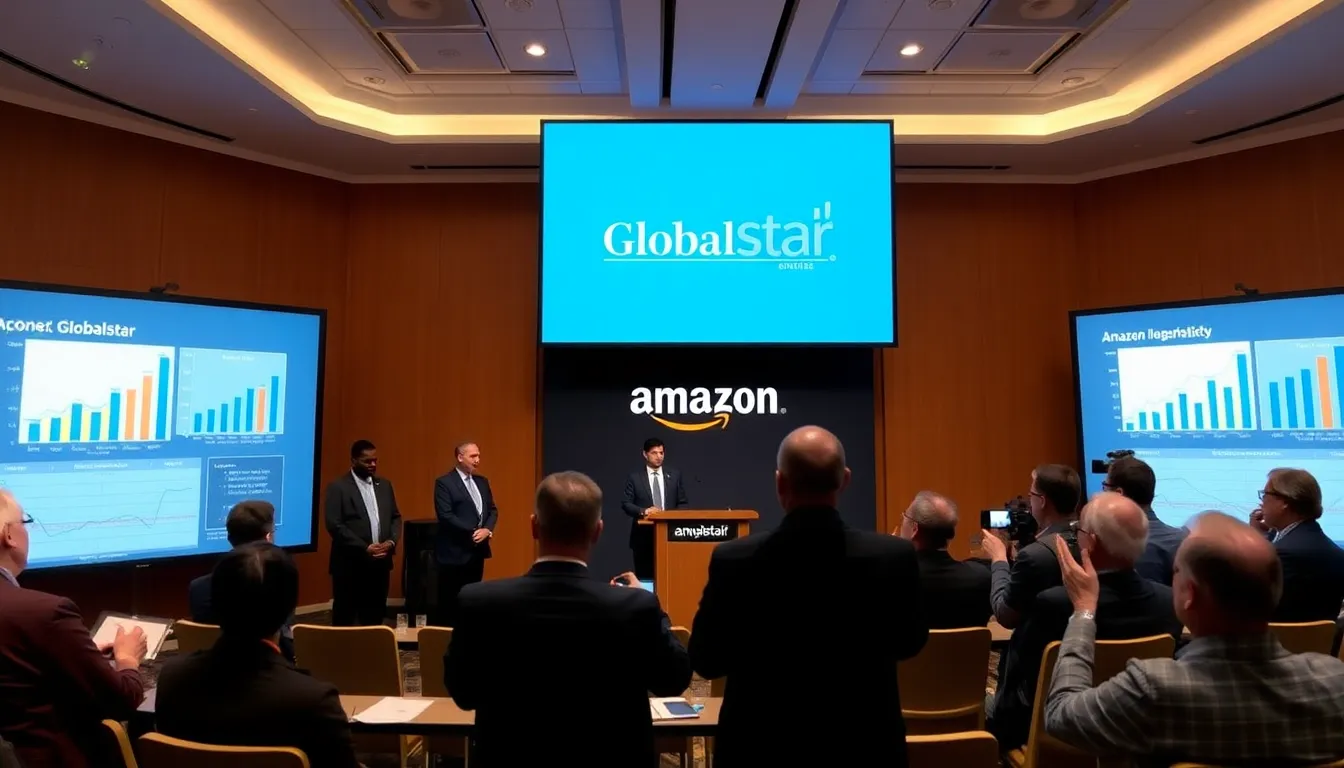
Mid-term impacts may include changes in regulatory policies as governments assess the implications of increased competition in the satellite sector. Enhanced satellite services could lead to more robust internet infrastructure, particularly in underserved regions, potentially stimulating economic growth and innovation. Industries such as agriculture, logistics, and remote work could see significant advancements due to improved connectivity.
- Increased competition: More options for consumers, potentially leading to lower prices.
- Regulatory changes: Governments may implement new policies to accommodate the evolving market.
- Economic growth: Enhanced connectivity could boost industries reliant on satellite internet.
- Risks of market consolidation: Potential for larger firms to dominate, stifling smaller competitors.
However, there are risks associated with this acquisition. If Amazon consolidates its market position too aggressively, it could lead to a monopolistic environment, limiting choices for consumers in the long run. Additionally, the technological and operational challenges of integrating Globalstar’s assets could pose hurdles for Amazon, impacting service delivery during the transition period.
A: Amazon’s acquisition is likely to intensify competition in the satellite internet market, particularly against established players like SpaceX’s Starlink. It may lead to improved services and pricing for consumers. A: Existing Globalstar customers may experience changes in service offerings and pricing structures as Amazon integrates the company into its operations. However, Amazon has a history of improving customer experiences. A: Globalstar provides advanced satellite technology that can enhance Amazon’s capabilities in satellite communications, potentially expanding its reach in remote areas. A: Yes, the acquisition could pose a significant challenge to SpaceX’s Starlink by increasing competition and potentially leading to innovations that could disrupt the current market dynamics. A: The $11.57 billion deal represents a substantial investment for Amazon, which could yield significant returns if the satellite internet service becomes successful and widely adopted.
Frequently asked questions about the Amazon-Globalstar acquisition
Looking ahead: implications for the future of satellite internet
The acquisition of Globalstar by Amazon for $11.57 billion marks a significant shift in the competitive landscape of satellite internet services. With Amazon’s entry into this sector, the race against established players like SpaceX’s Starlink intensifies, potentially leading to innovations and improved services for consumers. This move not only highlights Amazon’s commitment to expanding its technological footprint but also raises questions about the future dynamics between major tech corporations in the satellite communications arena.
As Amazon leverages Globalstar’s existing infrastructure and expertise, stakeholders should monitor how this acquisition might influence pricing, service availability, and technological advancements in satellite internet. The implications extend beyond just competition; they may reshape customer expectations and regulatory considerations in the rapidly evolving market.
- Watch for potential pricing strategies that could emerge as Amazon seeks to capture market share from Starlink.
- Consider the impact on service quality and coverage areas as Amazon integrates Globalstar’s capabilities.
- Monitor regulatory responses to increased competition in the satellite internet sector.
- Evaluate how this acquisition could spur further investments in satellite technology and infrastructure.
- Observe consumer reactions and preferences as new options become available in the market.