
Throughout these concerts, Beisembayev showcased works by renowned composers such as Chopin, Liszt, and Schumann. The choice of repertoire not only highlights his affinity for the Romantic era but also underscores the relevance of these timeless pieces in today’s musical landscape. His ability to convey intimacy and conviction has resonated deeply with listeners, leading to sold-out performances.
In addition to his live performances, Beisembayev has engaged with audiences through masterclasses and Q&A sessions, further emphasizing his commitment to nurturing the next generation of musicians. These interactions have sparked discussions about the importance of emotional expression in classical music, a theme that has become increasingly significant in contemporary discourse.
This recent tour not only solidifies his reputation as a leading figure in the classical music scene but also highlights a growing appreciation for Romantic music in modern performances.
Understanding the significance of Romanticism in music
The Romantic era in music, which spanned from the late 18th century to the early 20th century, marked a profound shift in artistic expression. It emerged as a reaction against the structured forms and ideals of the Classical period, emphasizing individualism, emotion, and a deep connection to nature. Composers sought to convey their innermost feelings and experiences through their music, leading to a rich tapestry of diverse styles and innovative techniques.
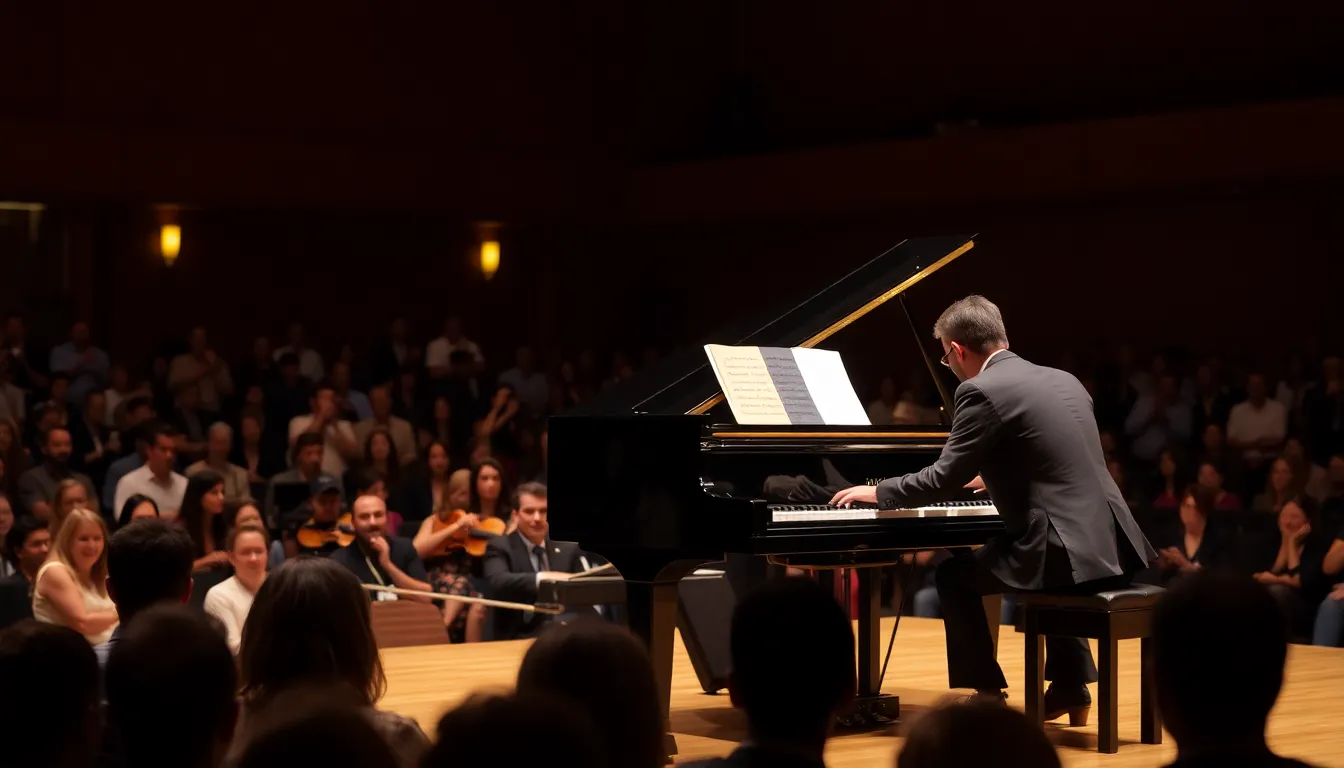
The music of this period became a vessel for expressing the complexities of human experience, resonating with audiences on a profound level, much like the themes explored in contemporary narratives.
Key milestones in the development of Romantic music include the works of composers such as Franz Schubert, Robert Schumann, and Johannes Brahms, who each contributed unique perspectives to the genre. The expansion of the orchestra and the use of new instruments allowed for greater emotional depth and color in compositions. Additionally, the rise of the virtuoso performer, exemplified by figures like Franz Liszt and Niccolò Paganini, showcased the technical prowess and expressive capabilities of musicians, further captivating audiences.
The influence of Romanticism on contemporary music
Musicians like Alim Beisembayev draw upon this rich heritage, infusing their performances with the intimacy and conviction that characterized the Romantic era, thus bridging the gap between past and present, a concept similar to the innovative approaches seen in modern creative campaigns.
Key themes and interpretations in Beisembayev’s performance
Alim Beisembayev’s recent performance has sparked discussions among various stakeholders, including music critics, cultural institutions, and audiences. Each group brings distinct perspectives and interests that influence their interpretation of his work. Critics often focus on the technical aspects of his playing, while audiences may connect more with the emotional resonance of his interpretations.
One of the key actors in this landscape is the classical music community, which includes organizations such as orchestras and music festivals. These entities are interested in promoting artists who can attract audiences and elevate the cultural profile of their events. Beisembayev’s unique approach to Romanticism, characterized by intimacy and conviction, positions him as a compelling figure for these organizations to support.
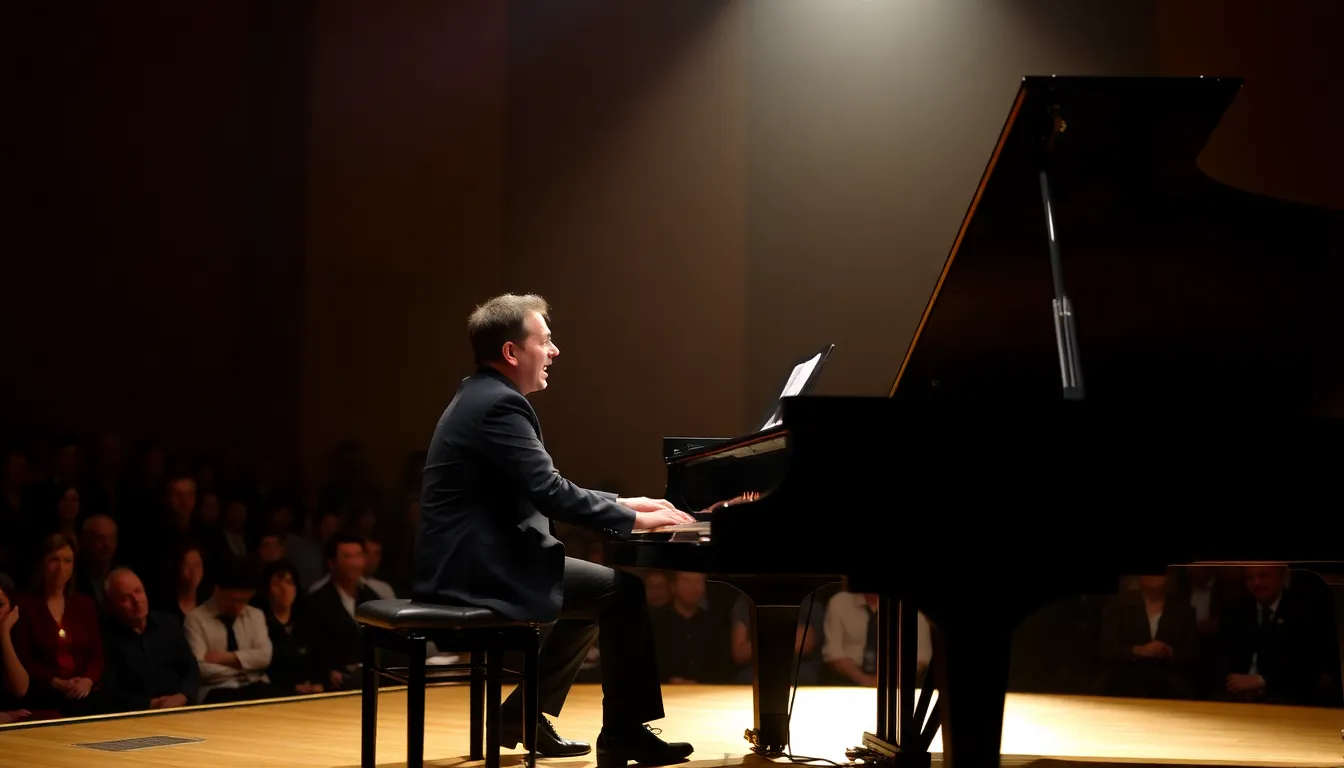
Furthermore, government arts funding bodies play a crucial role in shaping the environment in which artists operate. Their interests lie in fostering cultural heritage and ensuring that national artistic voices are amplified on the global stage. Conflicts may arise when funding priorities shift, potentially sidelining emerging artists like Beisembayev in favor of more established names.
- Audience Engagement: The emotional connection that Beisembayev fosters with his audience can lead to increased attendance at performances, benefiting both him and the venues.
- Critics’ Reception: The varying opinions of music critics can influence public perception and, consequently, the commercial success of Beisembayev’s work.
- Funding Dynamics: Changes in government arts funding can impact Beisembayev’s ability to perform and reach wider audiences.
- Global Competition: As an emerging artist, Beisembayev faces competition from both local and international musicians, which can affect his marketability.
In this context, the interplay between these stakeholders reveals a complex web of interests that shapes the narrative surrounding Beisembayev’s artistic journey. Understanding these dynamics is essential for grasping the broader implications of his work within the classical music landscape.
Audience reception and critical response to the performance
The performance of Alim Beisembayev has resonated deeply with various groups, particularly music enthusiasts, cultural critics, and the broader arts community. His interpretation of Romanticism has drawn attention from both local and international audiences, creating a ripple effect across the music industry and cultural sectors.
In the short term, concert-goers and classical music aficionados are likely to experience heightened engagement with Romantic-era compositions, leading to increased attendance at similar performances. This surge in interest could benefit local venues and orchestras, enhancing their revenue streams and promoting cultural tourism in regions hosting such events.
Mid-term impacts may include a shift in programming for music festivals and educational institutions, as they may prioritize Romantic works or similar thematic performances. This could lead to a revitalization of classical music curricula and a renewed focus on training musicians in this genre, potentially affecting music schools and conservatories.
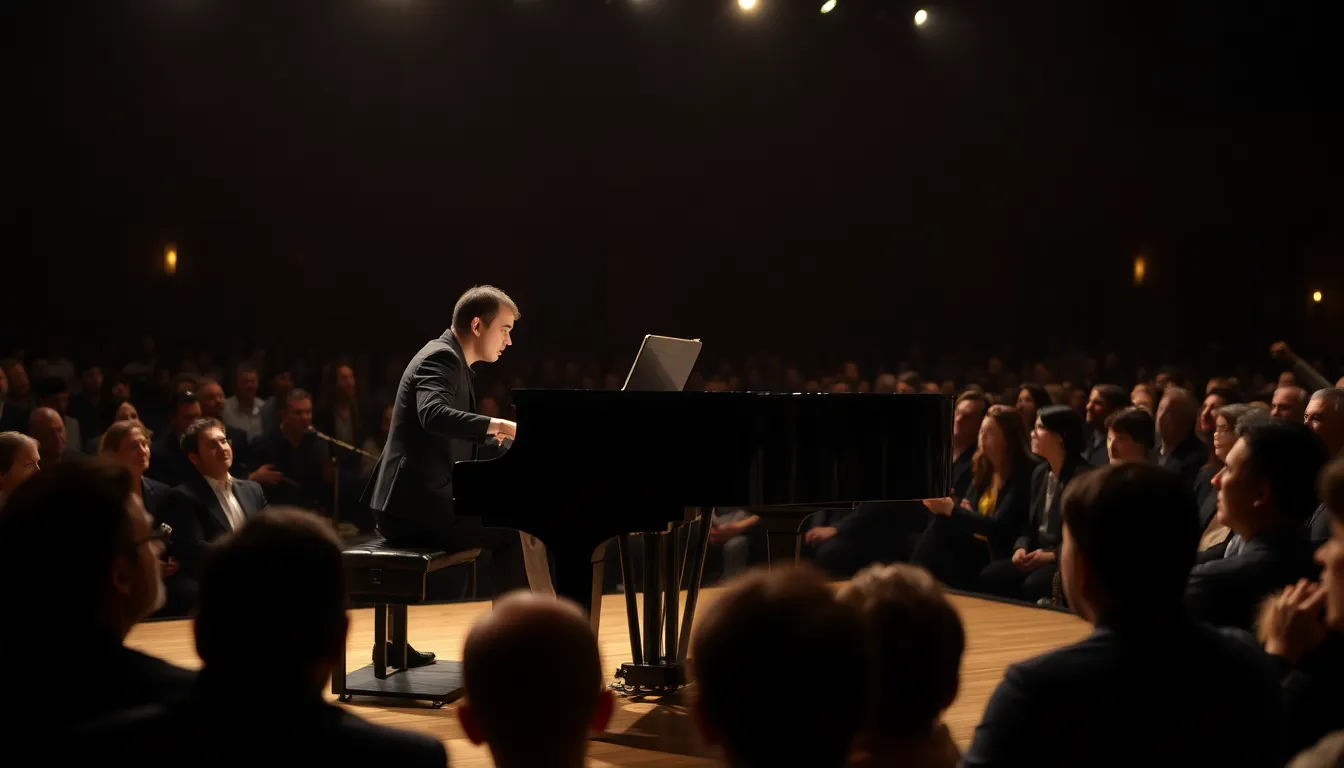
- Risks: A potential oversaturation of Romantic-themed performances could alienate audiences seeking diversity in musical programming.
- Opportunities: Increased collaboration among artists and institutions could foster innovative interpretations and new compositions inspired by Romantic ideals.
Regions known for their rich musical heritage may see a resurgence in local pride and cultural identity, as Beisembayev’s performance highlights the emotional depth of the Romantic era. This cultural renaissance could stimulate local economies and encourage investment in the arts.
A: Beisembayev performed a selection of Romantic compositions, showcasing his ability to convey deep emotion and technical skill. A: The audience responded enthusiastically, with many praising Beisembayev’s passionate interpretation and connection to the music. A: Romanticism emphasizes emotional expression and individualism, making it a pivotal period that shaped modern classical music. A: While specific future performances are not confirmed, his recent success suggests a strong possibility of continued exploration of Romantic repertoire. A: Notable interpreters include pianists like Martha Argerich and Lang Lang, who also bring unique interpretations to Romantic works.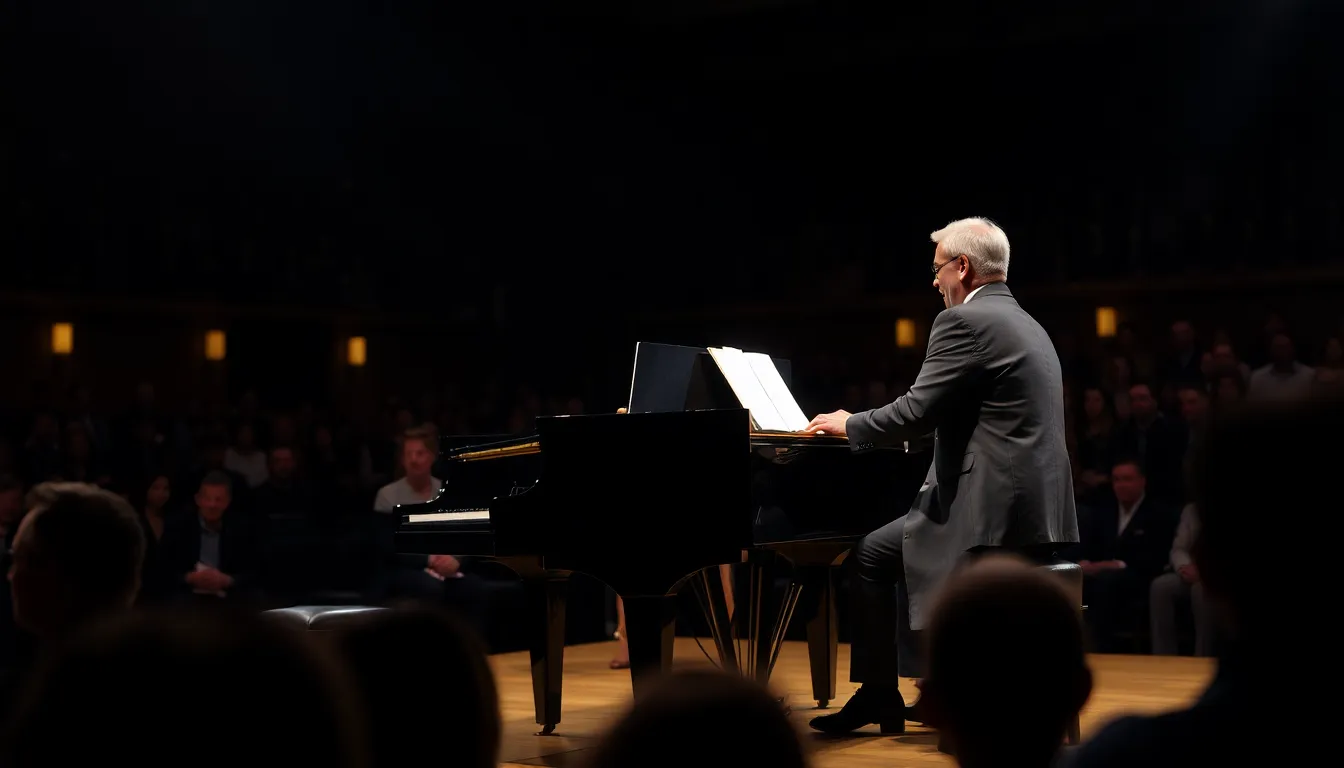
Frequently asked questions about the performance
Key takeaways and future implications of Beisembayev’s work
Alim Beisembayev’s recent performances have illuminated the profound emotional depth and technical prowess inherent in the Romantic repertoire. His ability to convey intimacy through nuanced interpretations suggests a renewed appreciation for the subtleties of this musical era. As audiences increasingly seek connection and authenticity in performances, Beisembayev’s approach may serve as a model for emerging artists and established musicians alike.
Looking ahead, the implications of Beisembayev’s artistry extend beyond individual performances. His focus on the emotional landscape of Romantic music encourages a broader dialogue about the role of personal expression in classical music today. As the industry evolves, the demand for performances that resonate on a deeper level could redefine concert expectations and programming choices.
- Watch for a growing trend among artists to prioritize emotional connection over technical perfection in performances.
- Expect concert programming to increasingly feature Romantic works that highlight personal narratives and intimate interpretations.
- Consider the potential for collaborative projects that merge classical music with other art forms, inspired by Beisembayev’s innovative approach.
- Monitor audience responses to performances that emphasize authenticity, as this may influence future artistic directions.