
Local activists and opposition politicians have voiced their discontent, arguing that the resort will prioritize profit over the needs of the Albanian people. Protests have erupted in major cities, with demonstrators calling for transparency and accountability in the approval process. Critics are particularly worried about the lack of public consultation regarding the project’s implications, similar to concerns raised during other controversial projects.
The timing of the announcement is also noteworthy, as it comes amid Albania’s ongoing efforts to attract foreign investment and boost its economy. However, many citizens feel that such high-profile projects should not come at the expense of local interests or environmental sustainability. The government has yet to respond adequately to the backlash, leaving many questions unanswered.
As the situation unfolds, international observers are closely monitoring the reactions from both the Albanian government and the project’s developers. The outcome of this controversy may have lasting implications for future foreign investments in the region and the relationship between local communities and international business interests.

Understanding the background of the Kushner-Trump project
The recent announcement of a $1.6 billion luxury resort project in Albania, backed by Jared Kushner and Donald Trump, has ignited significant outrage among the Albanian public and political circles. This project comes against a backdrop of Albania’s complex socio-economic landscape, characterized by a struggle for foreign investment and the historical context of corruption and political favoritism. The involvement of high-profile American figures has raised questions about the motivations behind such investments and their potential implications for local communities, akin to discussions in international investment strategies.
Historically, Albania has faced challenges in attracting foreign direct investment due to perceptions of corruption, a weak legal system, and political instability. Following the fall of communism in the early 1990s, the country has made strides towards democratization and economic reform, yet skepticism remains regarding the true benefits of foreign investments. The Kushner-Trump project is seen by many as a continuation of a trend where foreign entities exploit local resources without adequate regard for the socio-economic welfare of the residents.
Political Reactions and Public Sentiment
The political response to the Kushner-Trump resort project has been polarized. Some officials view it as an opportunity for economic growth and tourism development, while others criticize it as a symbol of elite exploitation. Protests have erupted in major cities, with citizens expressing their concerns over the prioritization of luxury developments over essential public services and infrastructure. This backlash highlights a growing awareness and resistance among the Albanian populace to foreign investments perceived as detrimental to their national interests, paralleling sentiments in the cultural realm found in cross-cultural exchanges.
Moreover, the timing of this project coincides with Albania’s aspirations for European Union membership, which has increased scrutiny on the country’s governance and economic practices. The juxtaposition of a lavish resort against the backdrop of ongoing social issues, such as poverty and unemployment, has fueled discontent and calls for accountability. As the situation unfolds, it remains to be seen how the government will navigate the pressures of international investment while addressing the legitimate concerns of its citizens.
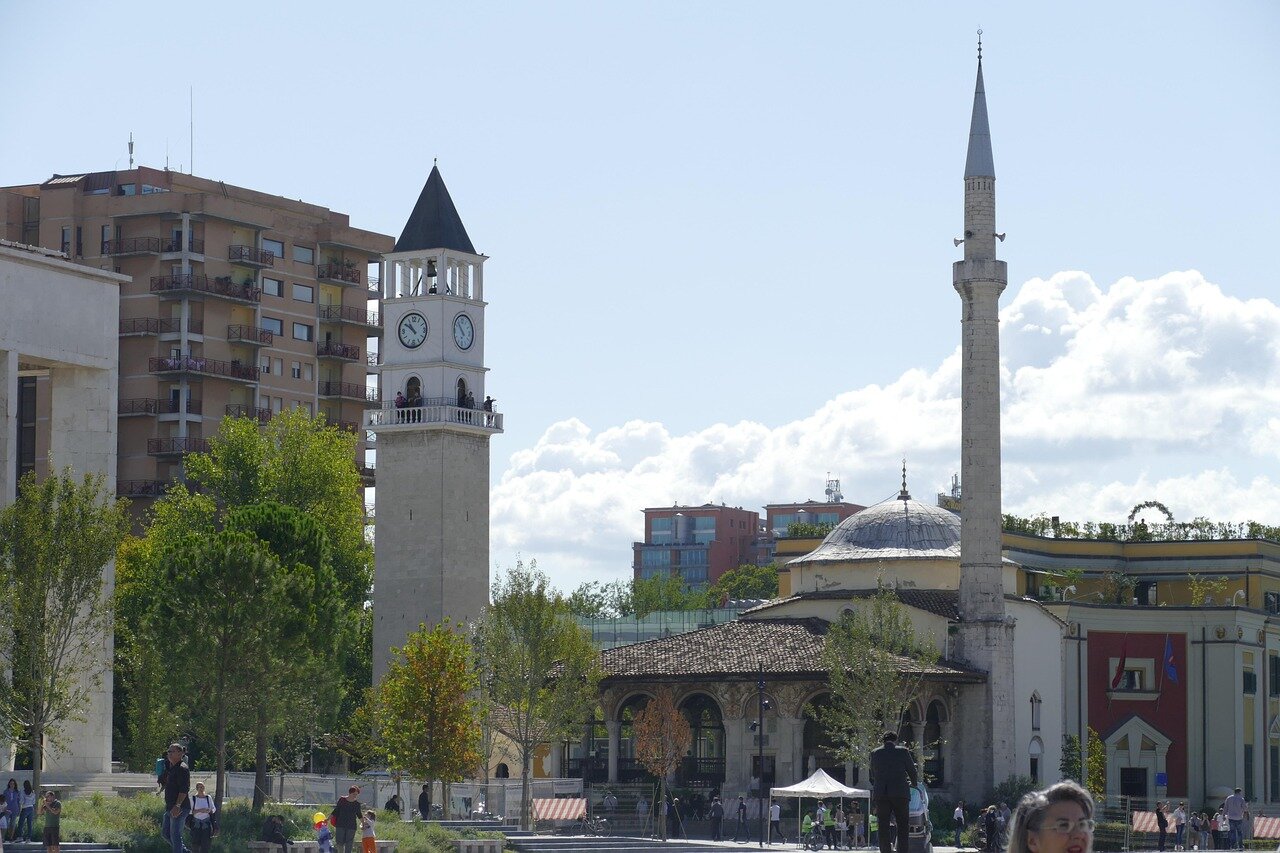
Key stakeholders and issues surrounding the resort
The proposed $1.6 billion luxury resort in Albania, backed by Jared Kushner and former President Donald Trump, has stirred significant controversy among various stakeholders. The main actors include the Albanian government, the Kushner Companies, local residents, and environmental advocacy groups. Each of these stakeholders has distinct interests and concerns regarding the development.
The Albanian government is primarily interested in economic growth and foreign investment. The resort promises to create jobs and boost tourism, which can be pivotal for the country’s economy. However, this interest is complicated by the need for transparency and adherence to legal standards, especially given the high-profile nature of the investors involved.
Local residents express a mix of hope and skepticism. While some look forward to potential job opportunities and improved infrastructure, others fear the resort may lead to environmental degradation and displacement. The concerns revolve around the impact on local ecosystems and the cultural identity of the region.
Environmental advocacy groups are another critical stakeholder. They argue that the construction of a luxury resort could threaten natural habitats and contribute to unsustainable tourism practices. Their position highlights the trade-off between economic development and environmental preservation, raising questions about the long-term sustainability of such projects.
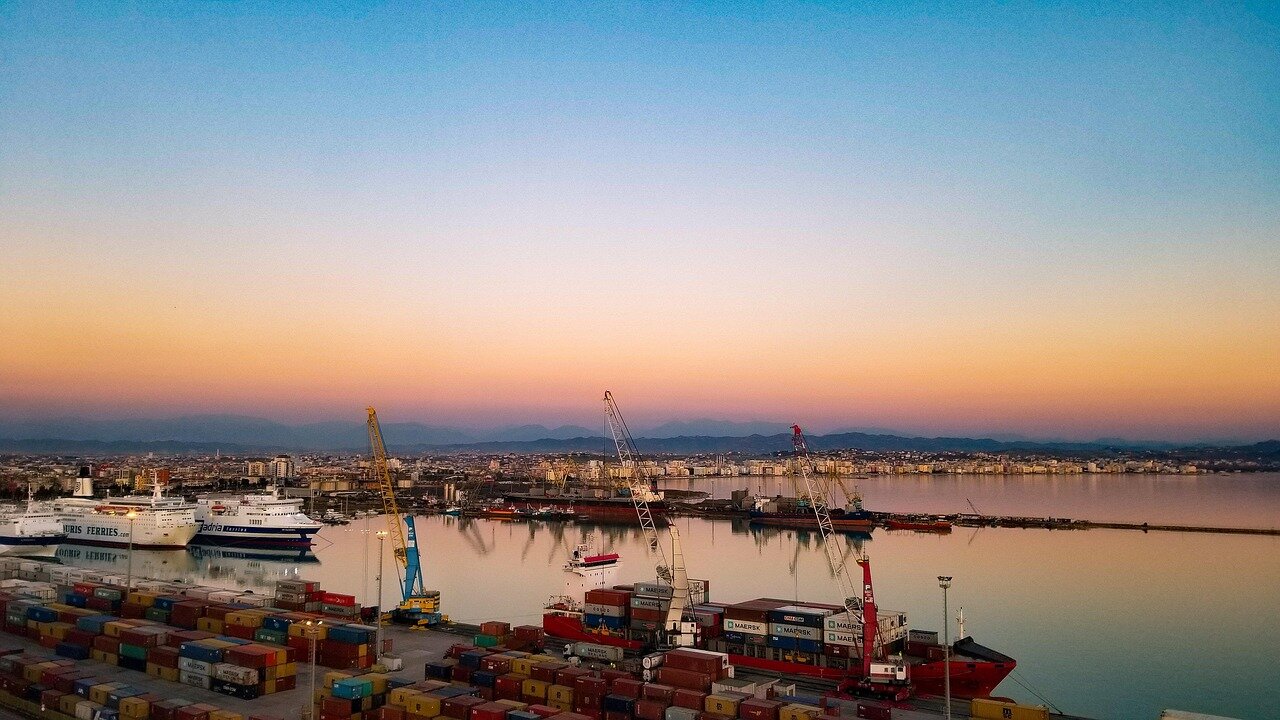
- Economic Interests: Job creation and increased tourism revenue for Albania.
- Legal Concerns: Potential violations of land use regulations and transparency issues.
- Environmental Impact: Risks to local ecosystems and biodiversity.
- Community Response: Divided opinions among local residents about the benefits and drawbacks.
- Political Ramifications: The influence of foreign investment on local governance and policy-making.
Potential effects on local communities and the economy
The announcement of the Kushner-Trump $1.6 billion luxury resort in Albania has sparked significant outrage among various groups, particularly local residents and environmental activists. These stakeholders are concerned about the potential displacement of communities and the impact on the natural landscape. The resort’s development could threaten local ecosystems, which are vital to the region’s biodiversity and tourism appeal.
In the short term, the construction phase may bring temporary employment opportunities for local workers, which could provide a boost to the economy. However, this influx of jobs may be overshadowed by the long-term consequences of increased living costs and potential gentrification in the area. Local businesses may face challenges as larger corporate entities dominate the market, making it difficult for small enterprises to compete.
Mid-term impacts could include shifts in local policies as the government may prioritize the interests of large investors over community needs. This could lead to a decrease in public services and infrastructure development that directly benefits residents. Additionally, there is a risk of increased social tensions between those who support the resort for its economic promise and those who oppose it due to its environmental and social implications.
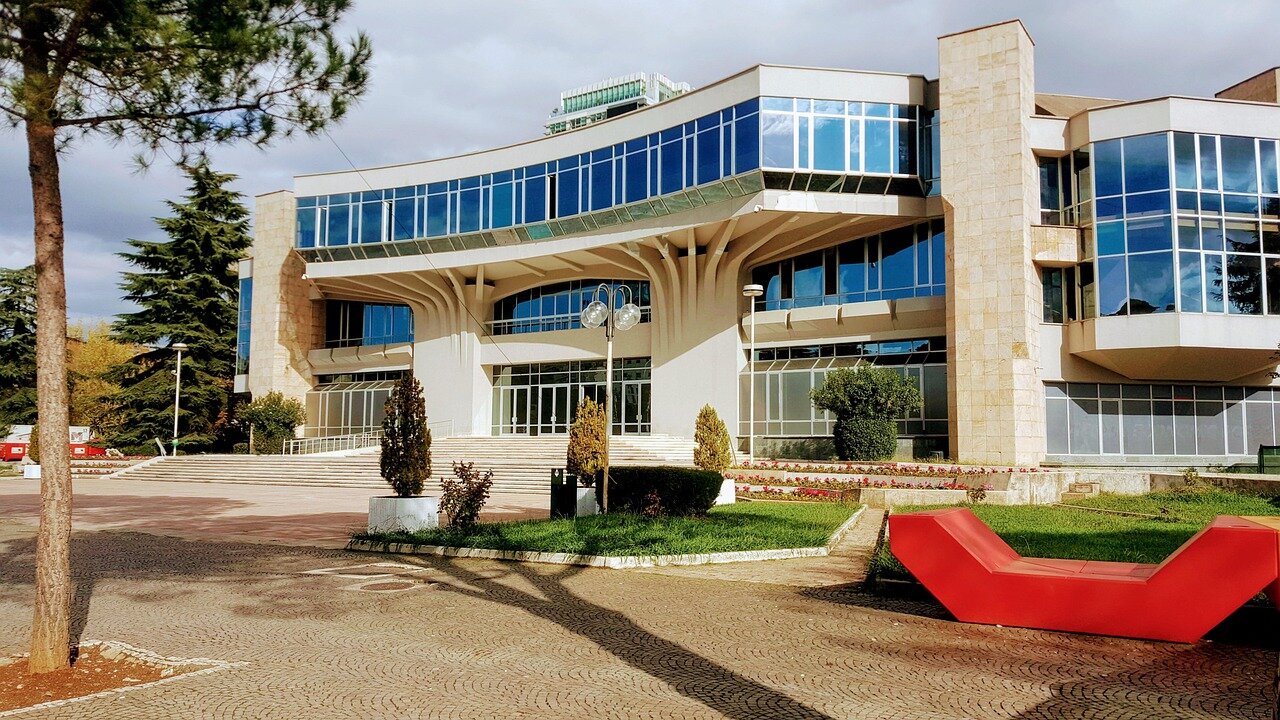
- Risks: Displacement of local communities, environmental degradation, increased living costs.
- Opportunities: Job creation during construction, potential growth in tourism, and infrastructure improvements.
As the situation unfolds, it will be crucial for local stakeholders to engage in dialogue with developers and government officials to ensure that community interests are represented. The balance between economic development and environmental sustainability will be a key factor in determining the overall impact of the resort on Albanian society.
A: The outrage stems from concerns over environmental impact, potential displacement of local communities, and the involvement of controversial figures like Jared Kushner and Donald Trump. A: The luxury resort is projected to cost around $1.6 billion, which has raised eyebrows regarding its feasibility and the source of funding. A: The local government has expressed mixed feelings, with some officials supporting economic development while others prioritize community concerns. A: Yes, various local groups have organized protests to voice their opposition and raise awareness about the potential negative impacts of the resort. A: Proponents argue that the resort could create jobs, boost tourism, and stimulate economic growth in the region.
Frequently asked questions about the resort controversy
Key takeaways and future outlook on the project
The proposed luxury resort in Albania, backed by Kushner Companies and the Trump Organization, has ignited significant public outcry and concerns regarding transparency and governance. As the project unfolds, it is essential to monitor the reactions from local communities, government officials, and international observers, as these will shape the project’s trajectory and its long-term implications for foreign investment in the region.
Furthermore, the controversy surrounding the resort highlights broader issues of economic inequality and environmental sustainability in Albania. Stakeholders must consider how this development aligns with the country’s strategic goals and the potential backlash from citizens who feel marginalized by such high-profile investments.
- Watch for potential changes in public sentiment and activism that may influence the project’s progress.
- Monitor government responses and regulatory actions that could impact foreign investments in Albania.
- Assess the environmental implications of the resort and how they may affect local ecosystems and communities.
- Consider the potential for similar projects in the region and how they might be received in light of this controversy.
- Evaluate the long-term economic benefits versus the immediate backlash from local populations.