
The event, studied by scientists from various institutions, has brought attention to the geological processes that can lead to similar occurrences. The research utilized advanced modeling techniques to analyze the wave’s impact and its implications for future tsunami risks. Understanding these dynamics is crucial for coastal communities that may be vulnerable to similar natural disasters.
Experts note that while the 1958 event was an extraordinary case, it serves as a reminder of the latent dangers associated with underwater landslides and earthquakes. With climate change affecting sea levels and coastal stability, the need for preparedness and risk assessment in coastal areas is more pressing than ever. Local authorities are encouraged to review and enhance their tsunami response plans in light of these findings.
This new information not only contributes to the scientific community’s understanding of tsunamis but also highlights the importance of public awareness regarding natural disasters. As researchers continue to study the event, they aim to provide more insights that could help mitigate the effects of future tsunamis and protect communities at risk.
Recommended Articles
- Will AI lead to more accurate opinion polls
- The dumb machine promising a clean energy breakthrough
- Instagram privacy tech is turned off today and its implications for your DMs
- New Platform Mr Raffle Aims to Change Instant Win Competitions Market
- FDA blocks studies on Covid and shingles vaccine safety according to HHS official
- Will AI lead to more accurate opinion polls
- The dumb machine promising a clean energy breakthrough
- Instagram privacy tech is turned off today and its implications for your DMs
- New Platform Mr Raffle Aims to Change Instant Win Competitions Market
- FDA blocks studies on Covid and shingles vaccine safety according to HHS official
Understanding the geological factors behind megatsunamis
Megatsunamis, massive waves generated by significant geological events, have been a subject of fascination and concern for scientists and coastal communities alike. The recent occurrence of a massive megatsunami in Alaska, the second largest ever recorded, has highlighted the complex interplay of geological forces that can lead to such catastrophic events. Understanding these factors is essential to grasp the implications of this phenomenon on both a local and global scale.
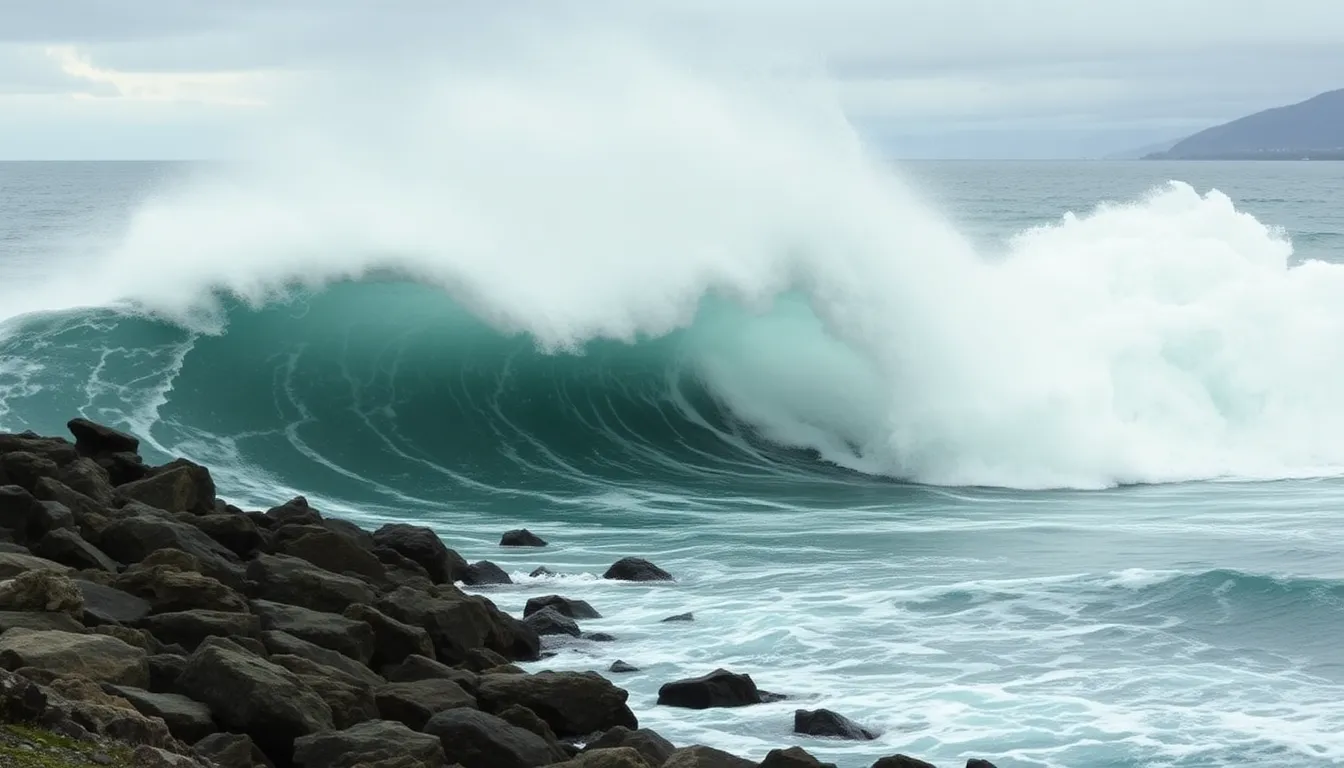
The primary cause of megatsunamis is often attributed to underwater landslides, volcanic eruptions, or meteorite impacts. In the case of the Alaska megatsunami, the event was triggered by a large landslide that occurred in a remote area, displacing a significant volume of water. This displacement can generate waves that travel at high speeds across the ocean, reaching heights that can devastate coastal regions. Historical records indicate that similar events have occurred in the past, providing a context for understanding the potential risks associated with such geological activities.
Historical Precedents of Megatsunamis
One notable historical precedent is the 1958 Lituya Bay megatsunami, which was triggered by a massive earthquake that caused a landslide into the bay. This event produced a wave that reached an astonishing height of 1,720 feet, making it the tallest wave ever recorded. Such events serve as stark reminders of the power of nature and the importance of monitoring geological stability in coastal areas. The Alaska megatsunami, while not as tall, shares similar characteristics, emphasizing the need for ongoing research and preparedness.
Economically, the implications of megatsunamis can be severe, particularly for coastal communities that rely on tourism and fishing industries. The destruction of infrastructure, loss of life, and long-term environmental impacts can hinder recovery efforts and lead to significant financial losses. Politically, the occurrence of such natural disasters often prompts discussions about disaster preparedness, response strategies, and the need for improved monitoring systems to mitigate risks in vulnerable areas.
Socially, the psychological impact on communities affected by megatsunamis can be profound. Survivors may experience trauma and loss, leading to long-term mental health challenges. The recent Alaska event serves as a reminder of the interconnectedness of geological events and human society, highlighting the need for resilience and adaptability in the face of natural disasters.
Key stakeholders and their concerns regarding the megatsunami
The recent megatsunami in Alaska has drawn the attention of multiple stakeholders, each with distinct interests and concerns. These stakeholders include local communities, government agencies, environmental organizations, and the scientific community. Understanding their perspectives is crucial for grasping the broader implications of this natural disaster.
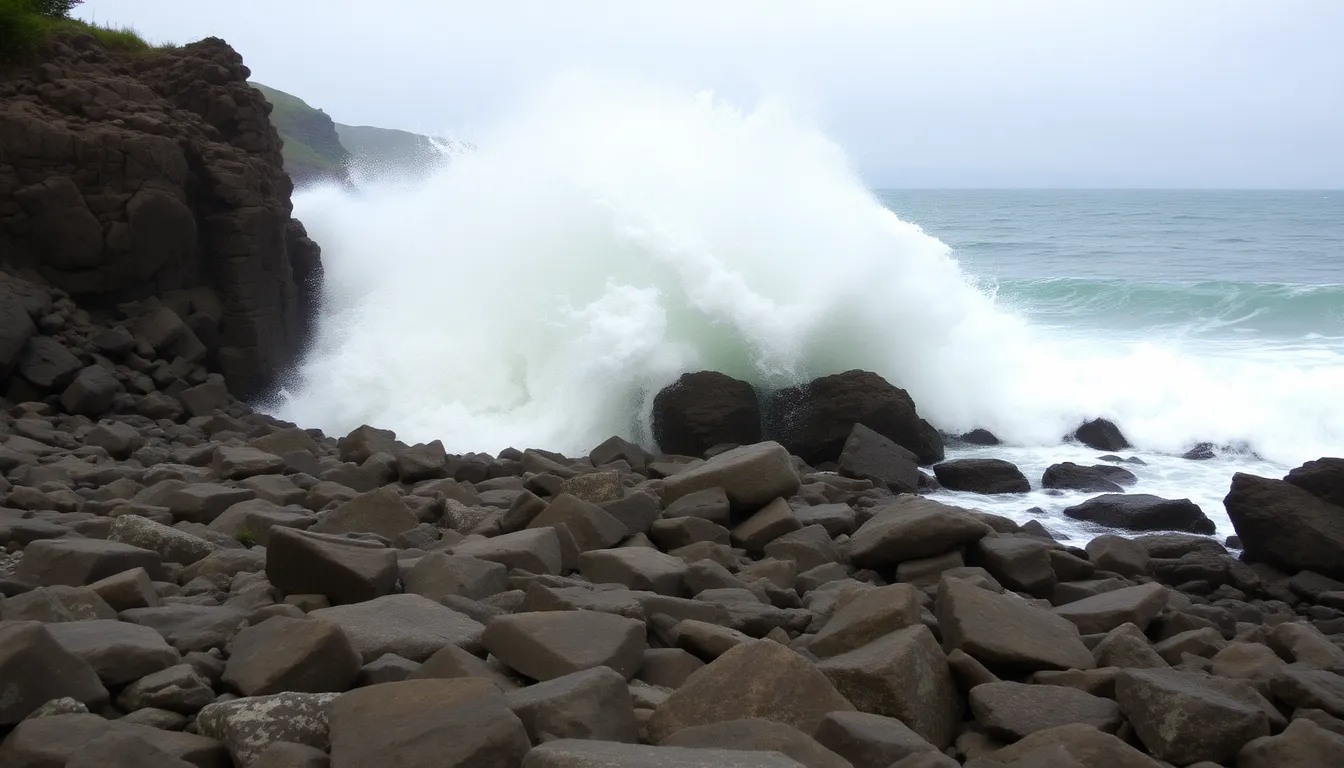
Local communities affected by the megatsunami are primarily concerned about immediate safety and recovery efforts. Residents are worried about the potential for future tsunamis and the long-term impacts on their homes and livelihoods. Economic stability is a significant issue, as many depend on tourism and fishing, industries that may be adversely affected by the disaster.
Government agencies at both state and federal levels play a critical role in disaster response and recovery. Their interests lie in ensuring public safety, coordinating emergency services, and facilitating recovery funding. However, conflicts may arise between different governmental jurisdictions regarding resource allocation and the prioritization of recovery efforts.
Environmental organizations are also stakeholders, focusing on the ecological consequences of the megatsunami. They advocate for sustainable recovery practices and the protection of local ecosystems that may have been disrupted. These groups often face challenges in balancing economic recovery with environmental preservation.
Finally, the scientific community has a vested interest in studying the megatsunami to understand its causes and implications better. Their research can inform future preparedness strategies and enhance public awareness of tsunami risks. However, there may be trade-offs in terms of funding and resources, as immediate recovery efforts may take precedence over long-term scientific studies.
- Local communities seek immediate recovery and safety measures.
- Government agencies focus on coordinated disaster response and funding allocation.
- Environmental organizations advocate for ecological protection and sustainable recovery.
- The scientific community aims to study the event for future preparedness.
- Potential conflicts may arise over resource allocation and priorities among stakeholders.
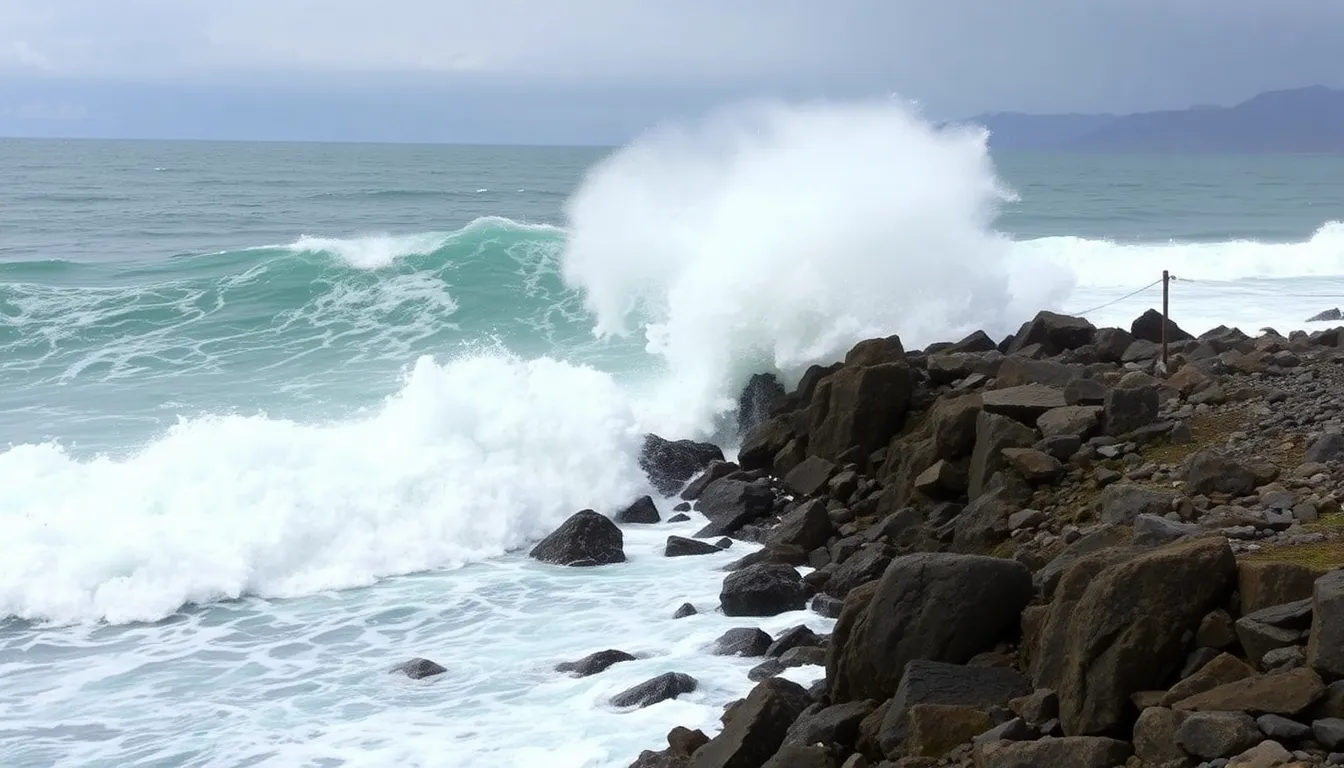
Potential impacts on coastal communities and ecosystems
The recent massive megatsunami in Alaska has far-reaching consequences for various groups and industries, particularly those in coastal regions. Local communities, fishermen, tourism operators, and environmental organizations are among the most directly affected. The immediate aftermath of such a disaster can lead to significant disruptions in daily life and the local economy.
Coastal communities face a range of challenges, including damage to infrastructure, loss of livelihoods, and potential displacement of residents. The fishing industry, which is vital for many Alaskan communities, may experience a decline in fish populations due to habitat destruction and altered ecosystems. Additionally, tourism, which relies heavily on the natural beauty and recreational opportunities of the coast, may suffer as beaches and trails become hazardous or inaccessible.
In the short term, emergency response efforts will be critical. Local governments may implement policies to provide aid and support for affected residents, but these measures could strain public resources. Over the mid-term, rebuilding efforts will require significant investment, which could lead to shifts in policy regarding coastal development and environmental protections.
- Disruption of local economies, particularly fishing and tourism.
- Increased demand for emergency services and infrastructure repair.
- Potential changes in environmental regulations and coastal management policies.
- Opportunities for innovation in disaster preparedness and response technologies.
While the risks are substantial, there are also potential opportunities for growth. The disaster may prompt advancements in coastal resilience strategies and sustainable practices that could better protect communities from future events. Additionally, there may be increased funding for research and development in environmental monitoring and disaster recovery, benefiting both local economies and ecosystems in the long run.
A: The Alaska megatsunami was triggered by a massive landslide that occurred under the ocean, displacing a significant volume of water. A: This megatsunami is noted as the second largest ever recorded, following the 1958 Lituya Bay event, which was the largest. A: Coastal communities face increased risks of flooding and erosion, which could lead to significant property damage and loss of life. A: Communities can prepare by developing early warning systems, conducting risk assessments, and implementing evacuation plans. A: Yes, researchers are actively studying the event to understand its causes and potential future risks.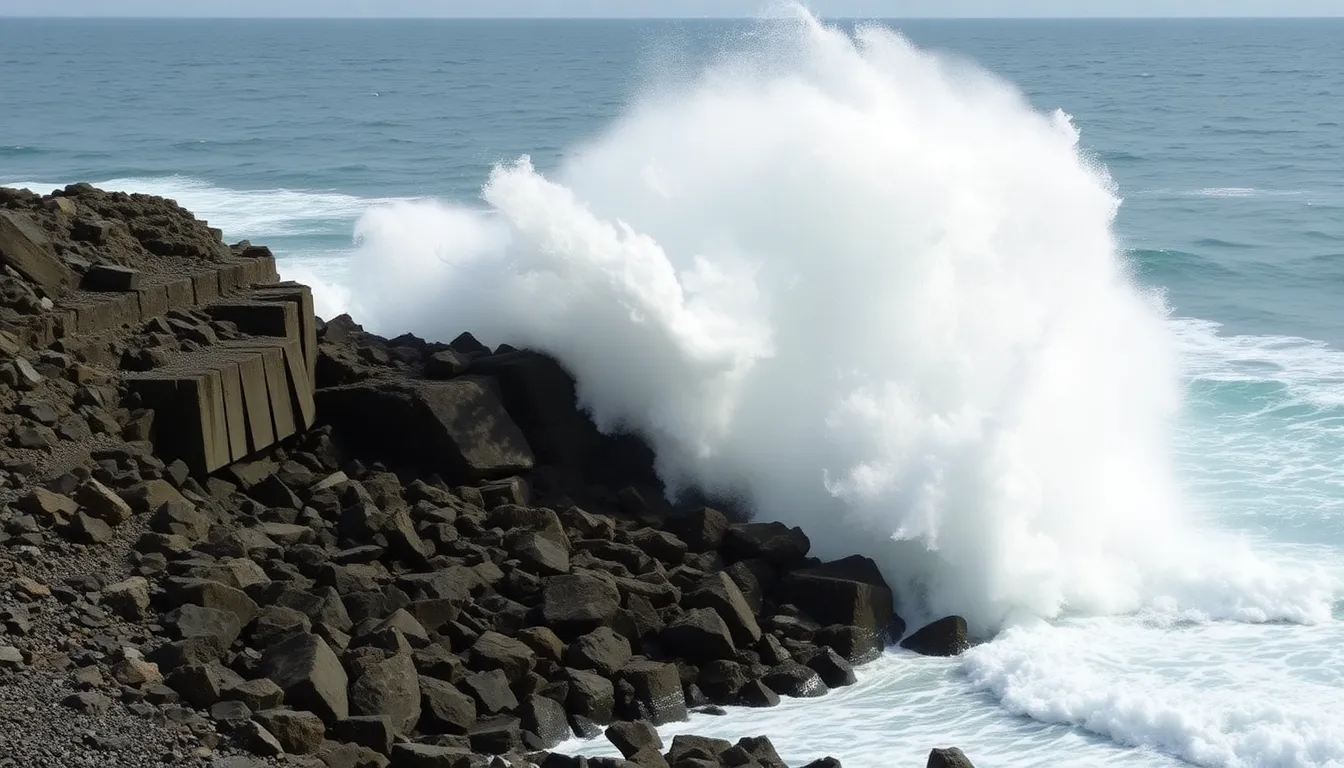
Frequently asked questions about the Alaska megatsunami
Key takeaways and future outlook on megatsunami research
The recent discovery of the massive Alaska megatsunami, now recognized as the second largest ever recorded, highlights the urgent need for enhanced monitoring and research of such natural phenomena. This event not only serves as a reminder of the potential scale of megatsunamis but also emphasizes the importance of preparedness and resilience in coastal communities vulnerable to such disasters.
As scientists continue to analyze the implications of this megatsunami, several key areas warrant attention. Understanding the geological triggers, improving early warning systems, and enhancing community preparedness are essential steps in mitigating the risks associated with future events. The collaboration between researchers, policymakers, and local communities will be crucial in addressing these challenges effectively.
- Increased investment in coastal monitoring systems to detect potential megatsunami triggers.
- Development of community preparedness programs focused on evacuation and response strategies.
- Enhanced research into the geological causes of megatsunamis to better predict future occurrences.
- Collaboration between scientists and local governments to implement effective risk management policies.
- Public education campaigns to raise awareness about the risks and safety measures related to megatsunamis.