
The evacuees have expressed feelings of betrayal, citing broken promises from the U.S. government regarding their swift relocation. Despite assurances that they would be resettled quickly, many have been living in the camp for over two years, with little clarity on their future or the status of their applications for asylum. This situation highlights the broader issues surrounding the U.S. withdrawal from Afghanistan.
Reports indicate that the conditions in the camp are challenging, with limited access to healthcare, education, and employment opportunities. The psychological toll of prolonged uncertainty is significant, as families grapple with the trauma of their past experiences while facing an uncertain future.
International organizations and advocacy groups have called for urgent action to expedite the resettlement process, emphasizing the need for robust support systems to assist these vulnerable populations. The situation underscores broader issues surrounding the U.S. withdrawal from Afghanistan and the ongoing humanitarian crisis faced by those left behind.
Understanding the evacuation process and its aftermath
The evacuation of Afghan nationals following the U.S. withdrawal from Afghanistan in August 2021 marked a significant turning point in the country’s history. As the Taliban rapidly regained control, many Afghans who had worked alongside U.S. forces or supported Western initiatives found themselves in peril. The urgency of the situation led to frantic efforts to evacuate these individuals and their families, resulting in chaotic scenes at Kabul’s Hamid Karzai International Airport.
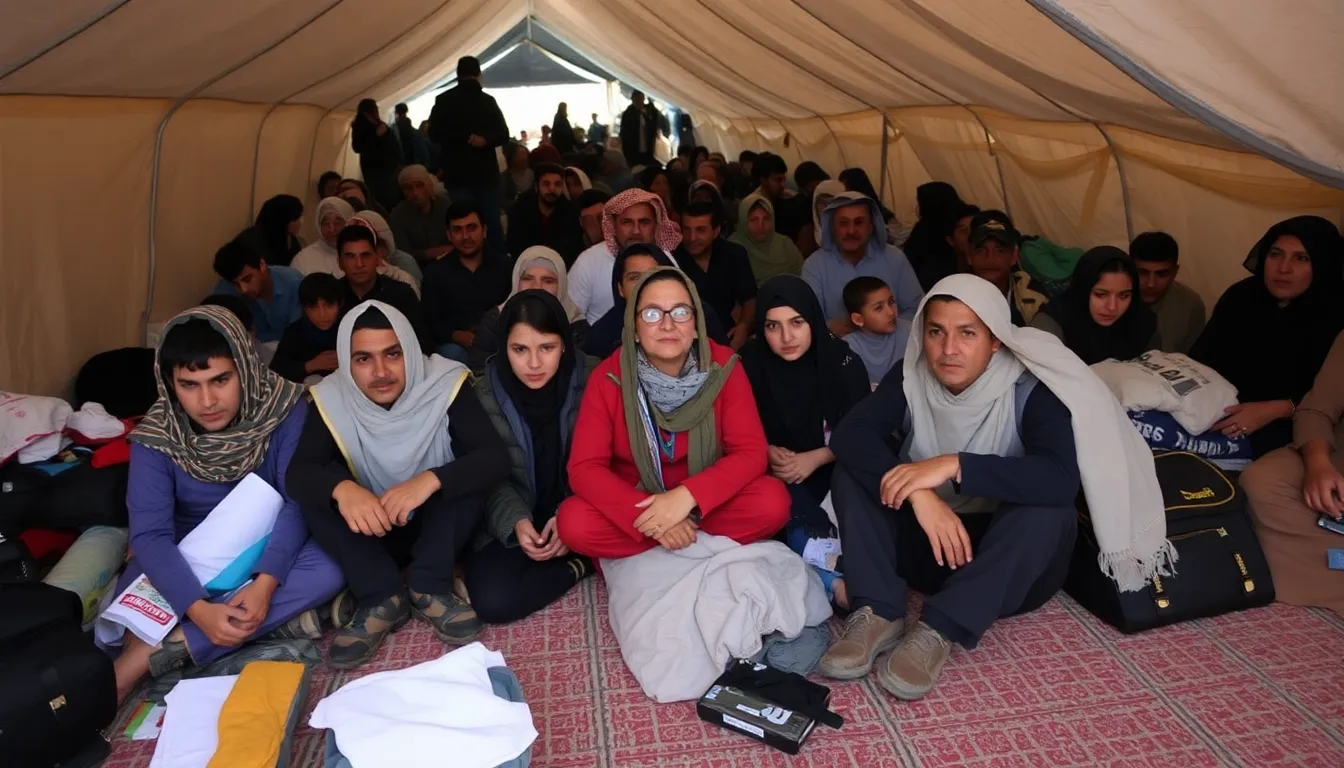
In the wake of the U.S. military’s exit, the Biden administration initiated Operation Allies Refuge, aiming to relocate thousands of Afghans to safety. However, logistical challenges and bureaucratic delays meant that many eligible evacuees were left behind. Those who managed to escape often found themselves in temporary camps, such as the Al Udeid Air Base in Qatar, where they faced uncertainty regarding their future status and the resettlement process.
The plight of Afghan evacuees in Qatar
As evacuees settled into life in the Qatari camp, reports emerged of growing frustration and feelings of betrayal among those who had relied on U.S. promises of safety and support. Many evacuees expressed concern over the lack of clear communication regarding their immigration status and the lengthy processing times for resettlement applications. This situation has been exacerbated by the complex political landscape, including strained U.S.-Taliban relations and shifting immigration policies. Advocates argue that the U.S. has a moral obligation to ensure the safety and well-being of those who risked their lives in support of American efforts in Afghanistan.
The emotional toll on these individuals cannot be understated. Many evacuees left their homes, family members, and livelihoods behind, only to find themselves in a state of limbo. The psychological impact of such displacement, combined with the uncertainty of their future, has led to an atmosphere of despair, further complicating their integration into a new life.
As the situation continues to evolve, the U.S. government’s commitment to supporting Afghan evacuees remains under scrutiny. Advocates argue that the U.S. has a moral obligation to ensure the safety and well-being of those who risked their lives in support of American efforts in Afghanistan. The ongoing struggle of these evacuees highlights broader issues of accountability and the long-term consequences of foreign intervention.
Examining the key stakeholders in the evacuation crisis
The situation of Afghan evacuees currently residing in a camp in Qatar highlights a complex web of stakeholders, each with distinct interests and concerns. The primary actors include the Afghan evacuees themselves, the U.S. government, the Qatari government, and various humanitarian organizations. Understanding their roles and motivations is crucial for grasping the broader implications of this ongoing crisis.
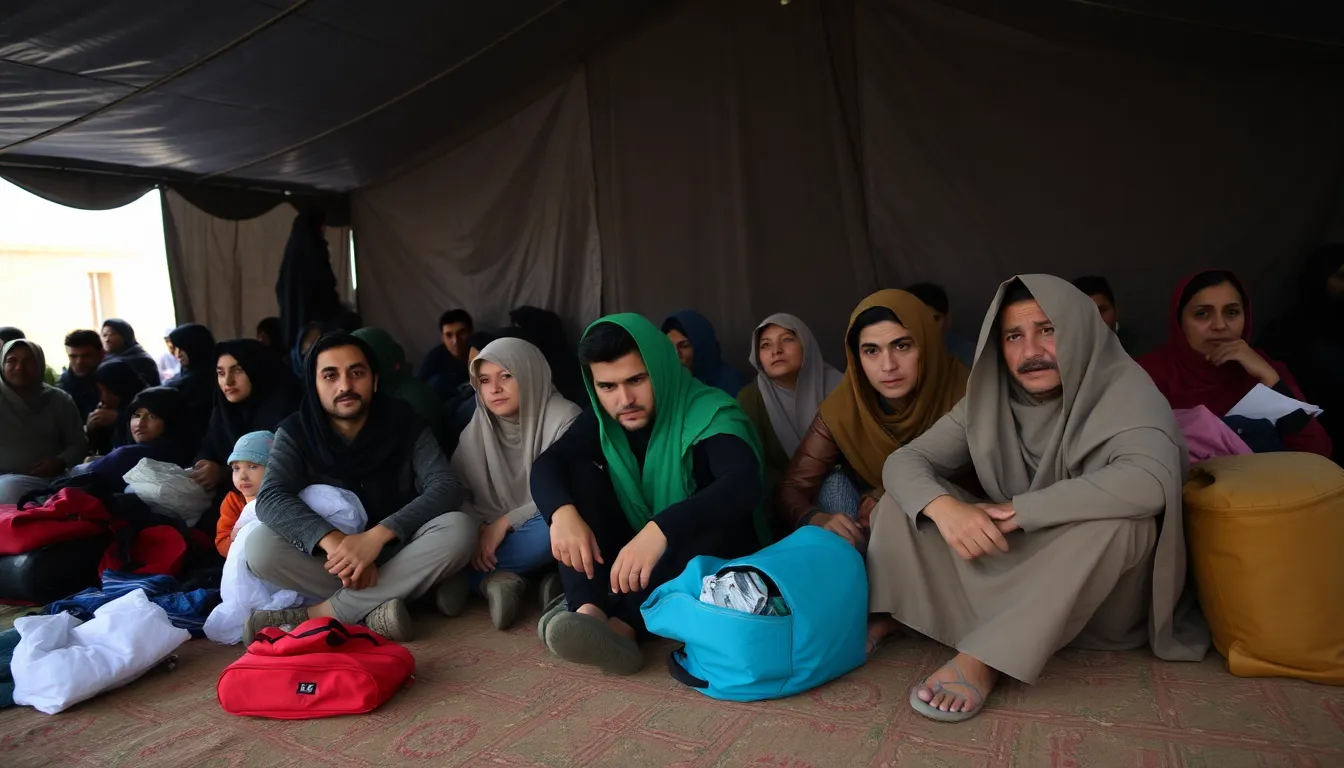
Afghan evacuees, who fled their homeland following the Taliban’s resurgence, are at the heart of this issue. Their primary interest lies in securing permanent resettlement and stability, as many have faced threats due to their previous affiliations with U.S. forces or the Afghan government. The uncertainty of their status in Qatar has led to feelings of betrayal and abandonment, particularly as they await decisions regarding their future, underscoring the ongoing humanitarian crisis.
The U.S. government, having facilitated the evacuation, faces significant scrutiny over its handling of the situation. While the U.S. aims to uphold its commitment to protect those who aided its mission in Afghanistan, logistical challenges and bureaucratic delays have resulted in a protracted limbo for evacuees. The U.S. must balance its diplomatic relations with Qatar, which is hosting these evacuees, while also addressing the growing discontent among them.
The Qatari government plays a pivotal role as the host nation. Qatar has positioned itself as a mediator in regional conflicts and has gained international recognition for its humanitarian efforts. However, the prolonged stay of Afghan evacuees presents challenges, including resource allocation and public sentiment within Qatar. The government must navigate these complexities while maintaining its international image.
- Evacuees’ Rights: The legal status of evacuees raises issues regarding their rights to asylum and resettlement.
- U.S. Obligations: The U.S. faces pressure to fulfill its commitments to those who supported its mission in Afghanistan.
- Humanitarian Aid: Organizations providing support must address the immediate needs of evacuees while advocating for longer-term solutions.
- International Relations: The dynamics between the U.S. and Qatar influence the overall management of the crisis.
- Public Perception: The sentiments of both Afghan evacuees and the Qatari populace can affect future policies and actions.
The effects on Afghan evacuees and their families
The ongoing situation for Afghan evacuees in Qatar has left many families in a state of uncertainty and distress. These individuals, who were promised safety and support by the United States, now find themselves in a precarious position, facing challenges that affect their daily lives and future prospects.
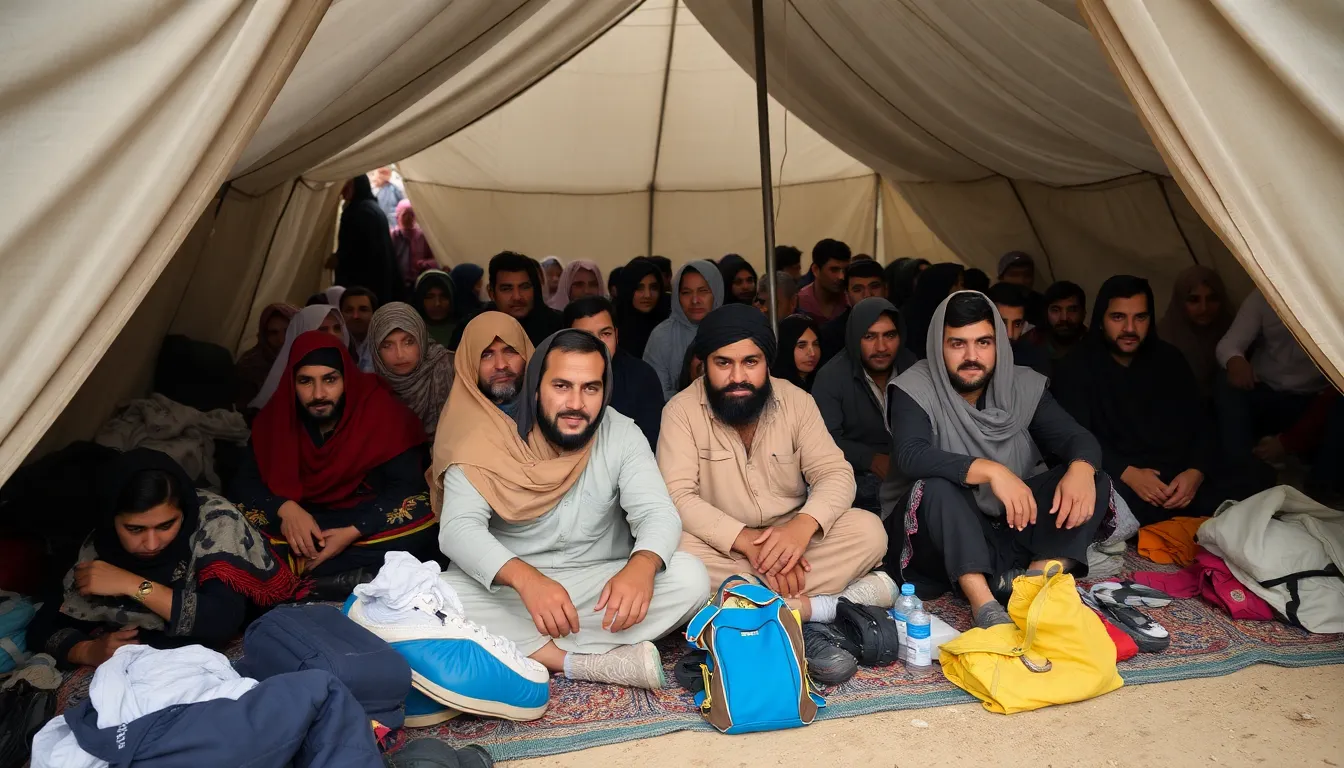
Families are directly impacted as they grapple with the psychological toll of living in limbo. The lack of clarity regarding their immigration status and the potential for resettlement creates anxiety and fear. This situation extends beyond the evacuees themselves, affecting their relatives who remain in Afghanistan, as uncertainty can hinder communication and support.
Industries related to humanitarian aid and resettlement services are also feeling the strain. Non-profit organizations and government agencies tasked with assisting these evacuees may face increased pressure to provide resources, leading to potential funding shortages. In the mid-term, this could impact the availability of services for other vulnerable populations, as resources are diverted to address the immediate needs of Afghan evacuees.
- Short-term risks: Increased mental health issues among evacuees due to prolonged uncertainty.
- Mid-term impacts: Strain on humanitarian organizations leading to reduced support for other groups.
- Potential opportunities: Increased awareness of the plight of refugees may galvanize public support and funding for resettlement initiatives.
Moreover, the situation may influence U.S. foreign policy and its approach to refugee resettlement. A failure to adequately support Afghan evacuees could lead to broader implications for international relations, particularly with nations that have committed to aiding refugees. Conversely, a successful resolution could enhance the U.S. reputation as a leader in humanitarian efforts.
A: Many evacuees believe they were promised support and resettlement, but have faced delays and uncertainty in the Qatar camp. A: The camp is overcrowded, and evacuees report inadequate resources and lack of communication from US authorities. A: Thousands of Afghan evacuees remain in Qatar, awaiting processing and potential resettlement in other countries. A: Humanitarian organizations are providing basic needs, but many evacuees feel that more comprehensive support is necessary. A: Evacuees are hoping for expedited processing and resettlement options, while advocating for their rights and needs.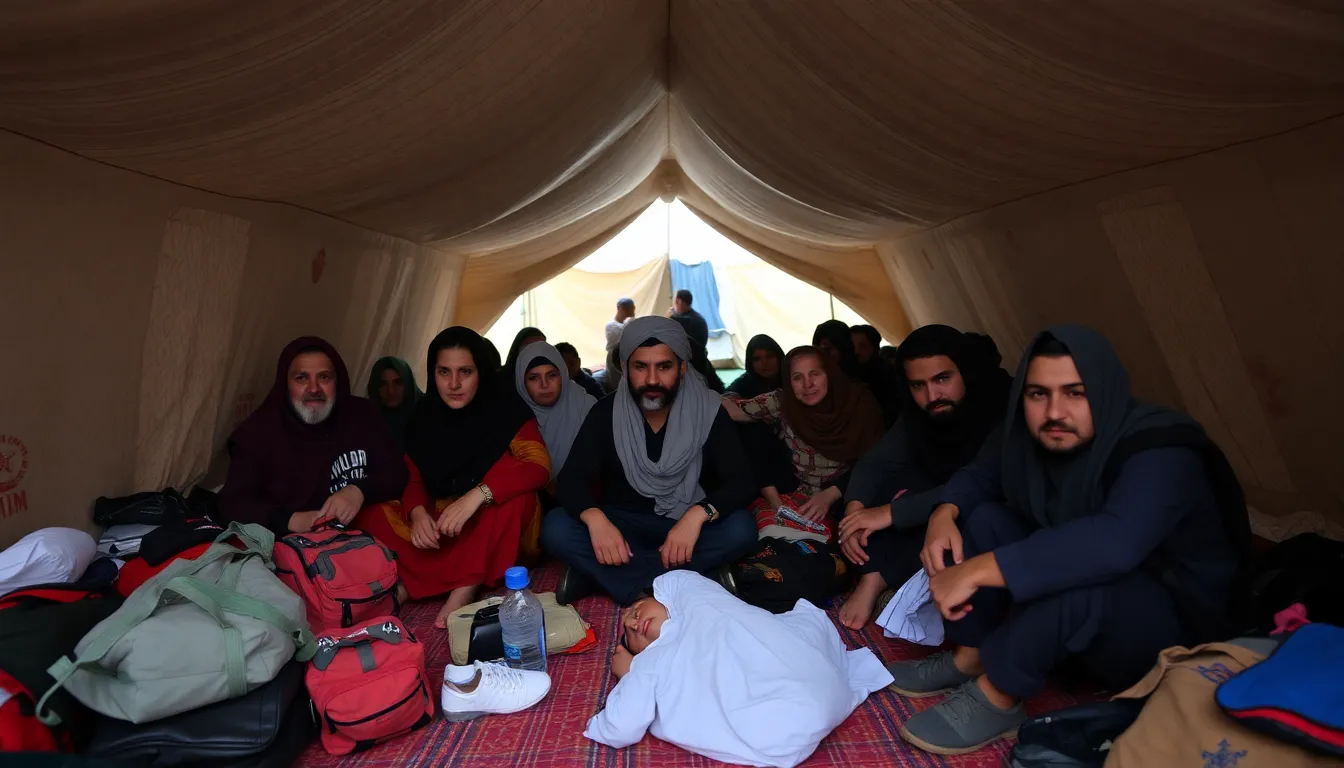
Frequently asked questions about Afghan evacuees
Looking ahead: the future for Afghan evacuees in Qatar
The situation for Afghan evacuees currently residing in Qatar remains precarious as many express feelings of abandonment and uncertainty. With the U.S. government facing criticism for its handling of the evacuation process, the implications of this ongoing limbo extend beyond individual experiences to broader geopolitical concerns. The future of these evacuees hinges on diplomatic negotiations, resettlement opportunities, and the evolving political landscape in both Afghanistan and the host country.
As international attention shifts, it will be critical to monitor how the U.S. and its allies respond to the needs of these vulnerable populations. The outcomes will not only affect the lives of those in the camps but will also shape perceptions of U.S. commitment to humanitarian efforts and its role in global refugee crises.
- Resettlement Opportunities: Watch for developments in resettlement agreements between Qatar and Western nations, which could provide a pathway for evacuees.
- Humanitarian Aid: Increased international pressure may lead to enhanced humanitarian support for evacuees, addressing immediate needs such as healthcare and education.
- Geopolitical Dynamics: The evolving relationship between the Taliban and international actors could influence the stability and safety of Afghan evacuees in Qatar.
- Public Sentiment: Pay attention to shifts in public opinion regarding the U.S. response to the Afghan crisis, which may impact future foreign policy decisions.
- Long-term Integration: Consider the long-term implications for Afghan evacuees in terms of cultural integration and community support in host countries.