
Abdiqadir sustained injuries that threaten his ability to walk, necessitating an urgent surgical intervention estimated to cost $750. His family, struggling with the aftermath of the airstrike, faces financial hardships that make it nearly impossible to afford the required medical care. This dire situation echoes the need for greater awareness and support for victims of armed conflict.
The situation highlights the broader humanitarian crisis in Somalia, where access to healthcare is limited, and many families are caught in the crossfire of military operations. International organizations are calling for immediate support to assist affected civilians and to ensure that children like Abdiqadir receive the medical attention they desperately need, similar to the advocacy shown for other vulnerable populations in conflict zones.
This incident underscores the ongoing debate surrounding the ethical implications of airstrikes in populated areas, particularly regarding the protection of innocent lives. As Abdiqadir’s family seeks help, the urgency of addressing both immediate medical needs and long-term solutions becomes increasingly clear.
Understanding the background of US airstrikes in conflict zones
The use of airstrikes by the United States in conflict zones has a complex history that intertwines with global politics, national security, and humanitarian concerns. Since the early 2000s, following the events of September 11, 2001, the US has engaged in military operations across various regions, particularly in the Middle East and parts of Africa, under the banner of combating terrorism. This military strategy has often involved airstrikes aimed at eliminating perceived threats, but the consequences of these actions have frequently extended beyond their intended targets, affecting civilian populations and drawing parallels to calls for accountability in military operations.

In Somalia, the US has conducted airstrikes intermittently since the early 1990s, initially in response to the humanitarian crisis and later as part of efforts to dismantle terrorist organizations like Al-Shabaab. These operations have been justified by the US government as necessary for national security; however, they have also drawn criticism for their impact on innocent civilians, with reports of collateral damage leading to loss of life and injury among non-combatants, including children.
The case of seven-year-old Abdiqadir, who was severely injured in a recent airstrike, highlights the tragic outcomes of these military actions. Without a $750 operation, he faces the possibility of losing his ability to walk, underscoring the dire humanitarian implications of conflict. This incident is not isolated; it reflects a broader pattern where civilian casualties often accompany military interventions, raising ethical questions about the conduct of war and the responsibilities of powerful nations towards vulnerable populations.
The humanitarian impact of military interventions
As military interventions continue, the humanitarian impact becomes increasingly concerning. Organizations such as the United Nations and various NGOs have reported significant civilian casualties resulting from airstrikes, prompting calls for greater accountability and the protection of non-combatants. The international community is faced with the challenge of balancing national security interests with the moral obligation to protect innocent lives, a dilemma that has yet to find a satisfactory resolution.
Examining the implications for children caught in warfare
The tragic case of seven-year-old Abdiqadir, who was severely injured in a US airstrike, highlights the dire consequences of armed conflict on innocent civilians, particularly children. As the international community grapples with the repercussions of military interventions, the interests of various stakeholders come into sharp focus.
Key actors in this scenario include the US government, which conducts airstrikes as part of its military strategy, local governments in conflict zones, humanitarian organizations, and the affected families. Each of these stakeholders has distinct interests, often leading to conflicting priorities. For instance, the US may prioritize national security and counter-terrorism efforts, while local governments may seek to maintain stability and protect their citizens.
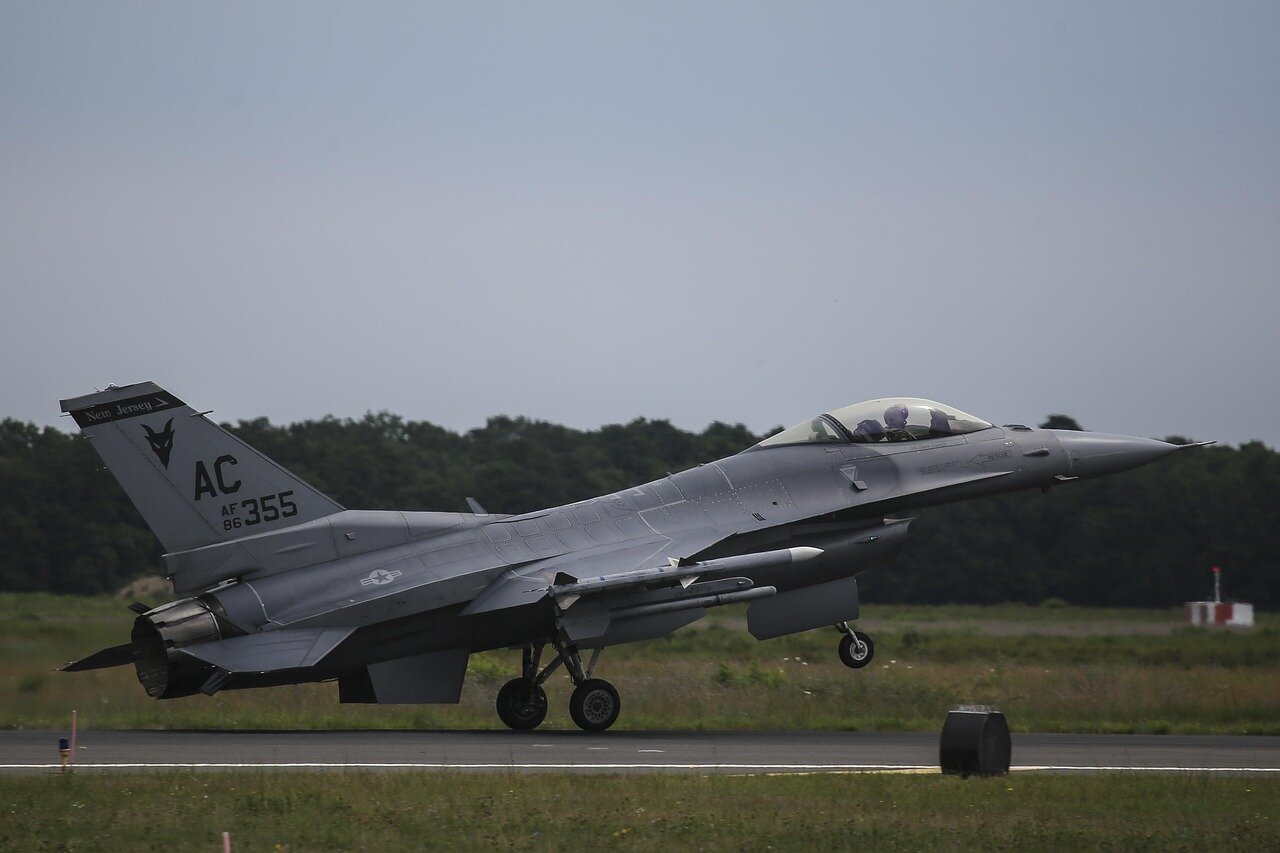
Humanitarian organizations play a crucial role in addressing the immediate needs of victims like Abdiqadir. They advocate for medical assistance and rehabilitation, often facing challenges such as funding constraints and access to conflict-affected areas. The economic implications are significant, as the cost of medical operations, like the $750 needed for Abdiqadir, can be prohibitively high for families in war-torn regions, exacerbating their vulnerability.
- Legal Issues: The legality of airstrikes under international law raises questions about accountability and the protection of civilians.
- Humanitarian Access: Organizations often struggle to reach affected populations due to ongoing hostilities and bureaucratic obstacles.
- Economic Burden: The financial strain on families seeking medical care can lead to long-term socioeconomic challenges.
- Advocacy and Awareness: Raising awareness about such cases is crucial for garnering international support and pressure on governments.
Ultimately, the situation of children like Abdiqadir serves as a poignant reminder of the human cost of warfare, necessitating a concerted effort from all stakeholders to mitigate the impact on the most vulnerable populations.
The broader effects of military actions on civilian lives
The tragic case of seven-year-old Abdiqadir, who was severely injured in a US airstrike, highlights the profound impact military actions can have on civilian populations, particularly vulnerable groups such as children. The immediate consequences of such strikes extend beyond the loss of life or injury, affecting entire communities and their socio-economic fabric.
In regions where military interventions occur, local populations often face disruptions in their daily lives. Families may struggle with the loss of income if a breadwinner is killed or injured. In Abdiqadir’s case, the necessity of a costly $750 operation to restore his ability to walk signifies the financial strain placed on families already grappling with the aftermath of violence. This can lead to a cycle of poverty and increased reliance on humanitarian aid.
Short-term impacts include heightened fear and anxiety among civilians, which can disrupt education and community cohesion. Schools may close or become unsafe, leaving children like Abdiqadir without access to education. In the mid-term, businesses may suffer as local economies decline due to instability, leading to job losses and reduced consumer spending.

- Increased healthcare demands: The need for medical care rises significantly, placing additional strain on already limited healthcare resources.
- Displacement of families: Many families may be forced to flee their homes, leading to refugee crises and overcrowded living conditions.
- Long-term psychological effects: Children exposed to violence may face lasting mental health issues, affecting their future prospects.
While the risks associated with military actions are evident, there are also potential opportunities for change. Increased international focus on humanitarian needs can lead to greater support for health and education initiatives in affected regions. Additionally, advocacy for policy changes regarding military engagement may arise, pushing for more stringent measures to protect civilian lives in conflict zones.
A: Abdiqadir was injured in a US airstrike, which left him in need of urgent medical attention to avoid losing his ability to walk. A: The operation needed to help Abdiqadir costs $750, a significant amount for many families in conflict zones. A: Long-term effects can include physical disabilities, psychological trauma, and challenges in accessing education and healthcare. A: Donations can be made to organizations that support children affected by war, specifically those providing medical assistance. A: Children are often in close proximity to conflict zones and are vulnerable during military operations, leading to tragic outcomes.
Frequently asked questions about Abdiqadir’s situation
Key insights and future outlook on child welfare in conflict
The tragic case of seven-year-old Abdiqadir highlights the urgent need for increased attention to the welfare of children affected by armed conflicts. As military actions continue to impact civilian populations, particularly the most vulnerable, it is essential to recognize the long-term implications of such incidents on child development and health. The situation underscores the critical importance of humanitarian assistance and the role of international organizations in providing necessary medical care and support.
Looking ahead, the international community must prioritize the establishment of frameworks that ensure the protection of children in conflict zones. This includes advocating for ceasefires, promoting access to healthcare, and facilitating rehabilitation efforts for injured children. The case of Abdiqadir serves as a poignant reminder of the broader systemic issues that need to be addressed to safeguard the future of children in war-torn regions.
- Increased Advocacy: There is a pressing need for advocacy efforts aimed at securing funding for medical operations and rehabilitation services for children affected by conflict.
- International Cooperation: Collaboration between governments, NGOs, and international organizations is essential to create a comprehensive response to the health crises faced by children in war zones.
- Long-term Support: Establishing programs that provide ongoing psychological and physical support for injured children will be crucial for their recovery and reintegration into society.
- Monitoring and Reporting: Enhanced monitoring of child welfare in conflict areas can help raise awareness and drive policy changes to protect vulnerable populations.