
In an interview, Ojomoh highlighted the importance of resilience and maintaining focus on his club performance. He stated, “Nothing is ever promised,” emphasizing the unpredictable nature of sports careers. His commitment to improving his game at Bath, where he has developed a strong rapport with head coach Johann van Graan, remains unwavering. For more on club challenges, see the article on Eddie Howe’s crucial challenges.
Ojomoh’s journey has been marked by significant milestones, including his debut for Bath in 2021. Since then, he has become a key player for the team, showcasing his skills in the Premiership. His relationship with teammates and coaching staff has been pivotal in his development, and he is determined to continue making an impact on the field.
The Bath Rugby club is currently focused on the upcoming season, and Ojomoh’s performance will be crucial as they aim for a strong finish. Fans and analysts alike are watching closely to see how he will respond to this setback and whether it will fuel his ambition to secure a future spot on the national team.
Understanding the background of Ojomoh’s rugby journey
Max Ojomoh’s journey in rugby has been shaped by a myriad of social and economic factors that reflect the evolving landscape of the sport in England. The sport, traditionally dominated by private schools and affluent communities, has seen a gradual shift towards inclusivity, allowing players from diverse backgrounds to emerge. This change has been particularly evident in recent years, as rugby organizations strive to broaden their reach and support grassroots initiatives.

Ojomoh’s rejection from the England national team is a poignant reminder of the competitive nature of rugby at the elite level. Historically, the selection process has been influenced by a combination of player performance, team dynamics, and sometimes, political considerations within the sport. The pressure to perform consistently at a high level can often overshadow the potential of emerging talents, leading to tough decisions that can impact a player’s career trajectory.
The rise of Bath Rugby
Bath Rugby, where Ojomoh currently plays, has a rich history and has been a significant force in English rugby. Established in 1865, the club has produced numerous international players and has a reputation for nurturing talent. The relationship between Ojomoh and Bath’s coaching staff, particularly with head coach Johann van Graan, has been instrumental in his development as a player. This rapport has allowed him to showcase his skills and resilience, providing a platform for future opportunities, despite the setback of national selection. For insights on other influential figures in sport, check out Morcheeba’s discussion.
The economic landscape of rugby has also shifted, with increased funding and sponsorship opportunities leading to greater investment in player development. This financial backing has enabled clubs like Bath to enhance their training facilities and support systems, creating an environment conducive to nurturing young talent. Ojomoh’s experience at Bath exemplifies how clubs can play a pivotal role in shaping a player’s career, even amidst the challenges posed by national selection processes.
Ultimately, Ojomoh’s story is one of perseverance and dedication, reflecting the broader narrative of rugby in England. As the sport continues to evolve, the experiences of players like Ojomoh highlight the importance of resilience in the face of rejection and the potential for growth within the club system.
Analyzing the implications of Ojomoh’s rejection and his Bath connection
The recent decision by Max Ojomoh to turn down an opportunity with the England national team has sparked considerable discussion among fans and analysts alike. This rejection not only reflects Ojomoh’s personal ambitions but also highlights the intricate dynamics within English rugby and the Bath Rugby Club, where he currently plays. Understanding the motivations of the key players involved can provide valuable insights into the broader implications for both the player and the sport. For a different perspective on team dynamics, see Robertson’s comments.

Ojomoh’s choice may stem from a desire to solidify his position at Bath, where he has developed a strong rapport with head coach Johann van Graan. This relationship is crucial, as it allows Ojomoh to refine his skills and gain valuable game experience. The Bath Rugby Club, in turn, has a vested interest in nurturing emerging talent like Ojomoh to enhance their competitive edge in the Premiership.
However, this situation also raises questions about the selection process for the national team and the pressures faced by young players. Ojomoh’s rejection could indicate a conflict between personal development and the expectations of national selectors. The England Rugby Union may need to reassess how they engage with players who are at a crossroads in their careers, balancing the need for fresh talent with the importance of player welfare and career longevity.
- Player Development: Ojomoh’s focus on Bath may hinder his chances of national selection, impacting his long-term career prospects.
- Club vs. Country Dynamics: The relationship between club commitments and national duties can create tension for players navigating their careers.
- Coaching Influence: The rapport between Ojomoh and his coach at Bath could play a significant role in his decision-making process.
- Talent Identification: The England Rugby Union must consider how to better identify and support young players who may be hesitant to join the national setup.
- Future Implications: Ojomoh’s journey may serve as a case study for future players facing similar choices, influencing how they approach their careers.
In conclusion, the intersection of personal ambition, club loyalty, and national expectations creates a complex landscape for players like Max Ojomoh. The outcomes of such decisions will not only shape individual careers but could also influence the future of rugby in England as a whole.
The impact of Ojomoh’s situation on his career and Bath’s team dynamics
Max Ojomoh’s recent rejection from the England squad not only affects his personal aspirations but also resonates throughout the rugby community, particularly for his club, Bath. Players, coaches, and fans alike are impacted by the emotional and competitive dynamics that emerge from such pivotal moments in an athlete’s career.
The short-term effects may include a shift in team morale at Bath, as players rally around Ojomoh to support him during this challenging time. This solidarity could strengthen team cohesion and create a more resilient locker room atmosphere. However, it may also lead to increased pressure on Ojomoh to perform in upcoming matches, as he seeks to prove his worth and regain his standing in the national conversation.

In the mid-term, Bath’s performance in the league could be influenced by Ojomoh’s response to his rejection. If he channels his disappointment into motivation, it could lead to improved performances on the pitch, benefiting the entire team. Conversely, if he struggles to overcome this setback, it may negatively impact his play and, consequently, the team’s results.
Key impacts include:
- Team Dynamics: Enhanced solidarity among players or increased pressure on Ojomoh.
- Performance Outcomes: Potential for improved or diminished team success based on Ojomoh’s reaction.
- Market Interest: Increased attention from fans and media regarding Bath’s upcoming matches.
Additionally, Ojomoh’s situation presents opportunities for Bath to showcase their resilience and depth as a team. By leveraging this moment, they can engage their fanbase, promote team spirit, and potentially attract new supporters who appreciate the narrative of overcoming adversity.
A: Max Ojomoh’s rejection was influenced by the competitive nature of the selection process and the depth of talent in the England rugby team. Despite his skills, the coaching staff had to make tough decisions. A: Ojomoh’s rapport with Russell has been pivotal in enhancing his skills and understanding of the game. Their collaboration has fostered a supportive environment that encourages growth. A: Following the rejection, Ojomoh plans to focus on improving his performance at Bath, aiming to regain attention from national selectors. He remains optimistic about future opportunities. A: Ojomoh acknowledges the disappointment but emphasizes the importance of resilience in sports. He believes that setbacks can lead to greater motivation and improvement. A: Ojomoh brings agility, strategic thinking, and a strong work ethic to the Bath team. His ability to adapt and learn quickly makes him a valuable player.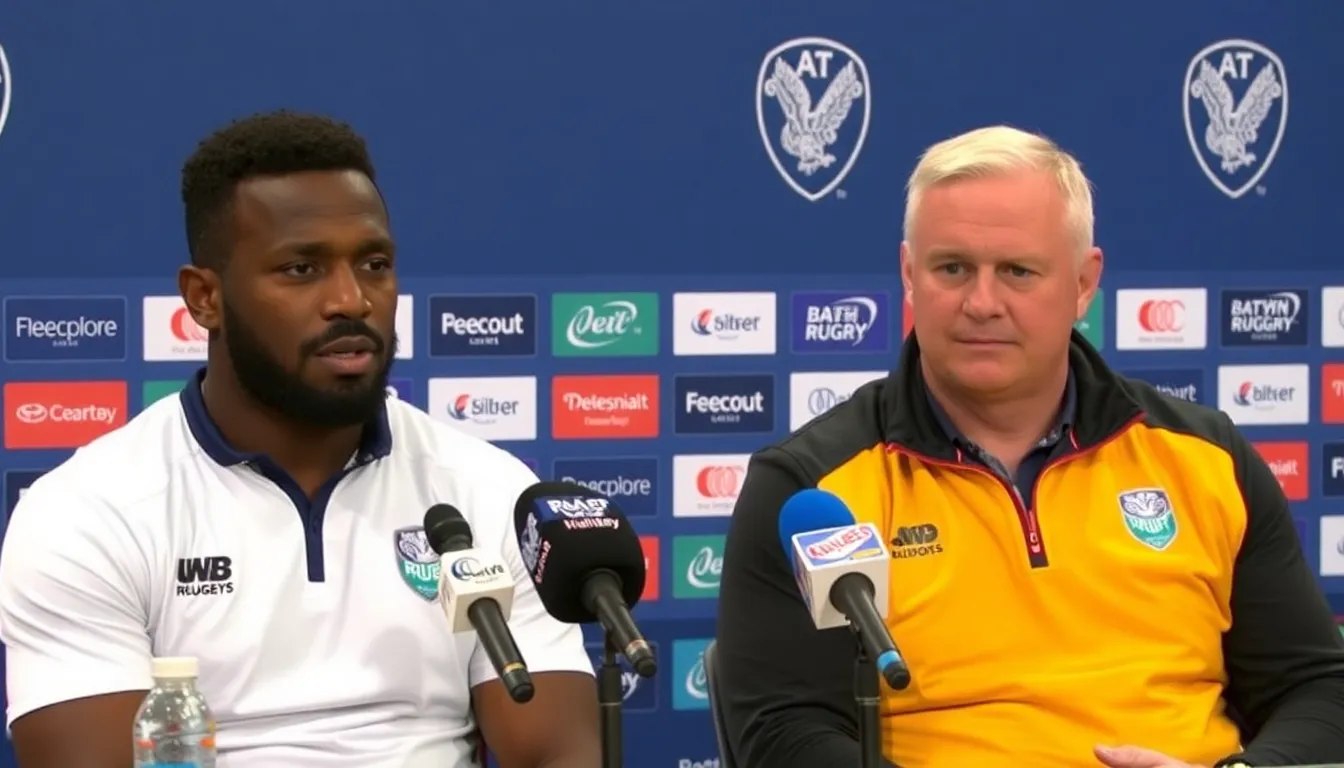
Frequently asked questions about Max Ojomoh’s rugby career
Key insights and future outlook for Max Ojomoh
Max Ojomoh’s recent experience with England’s selection process highlights the unpredictable nature of sports and the importance of resilience. His strong rapport with Russell at Bath not only showcases his adaptability but also suggests a promising future as he continues to develop his skills in a supportive environment. As Ojomoh navigates this transitional phase, his focus on growth and performance will be crucial in shaping his career trajectory.
Looking ahead, Ojomoh’s journey serves as a reminder for young athletes about the significance of perseverance and the potential for growth even in the face of setbacks. The dynamics at Bath, particularly his relationship with Russell, could play a pivotal role in his development and future opportunities.
- Monitor Ojomoh’s performance at Bath as he seeks to solidify his position and enhance his skill set.
- Observe how his relationship with Russell evolves and influences team dynamics and personal growth.
- Consider the impact of England’s selection criteria on young talents and how it may shape their career decisions.
- Watch for potential call-ups or opportunities in national selections as Ojomoh continues to impress at the club level.
- Reflect on the broader implications of rejection in sports and how it can motivate athletes to strive for excellence.