
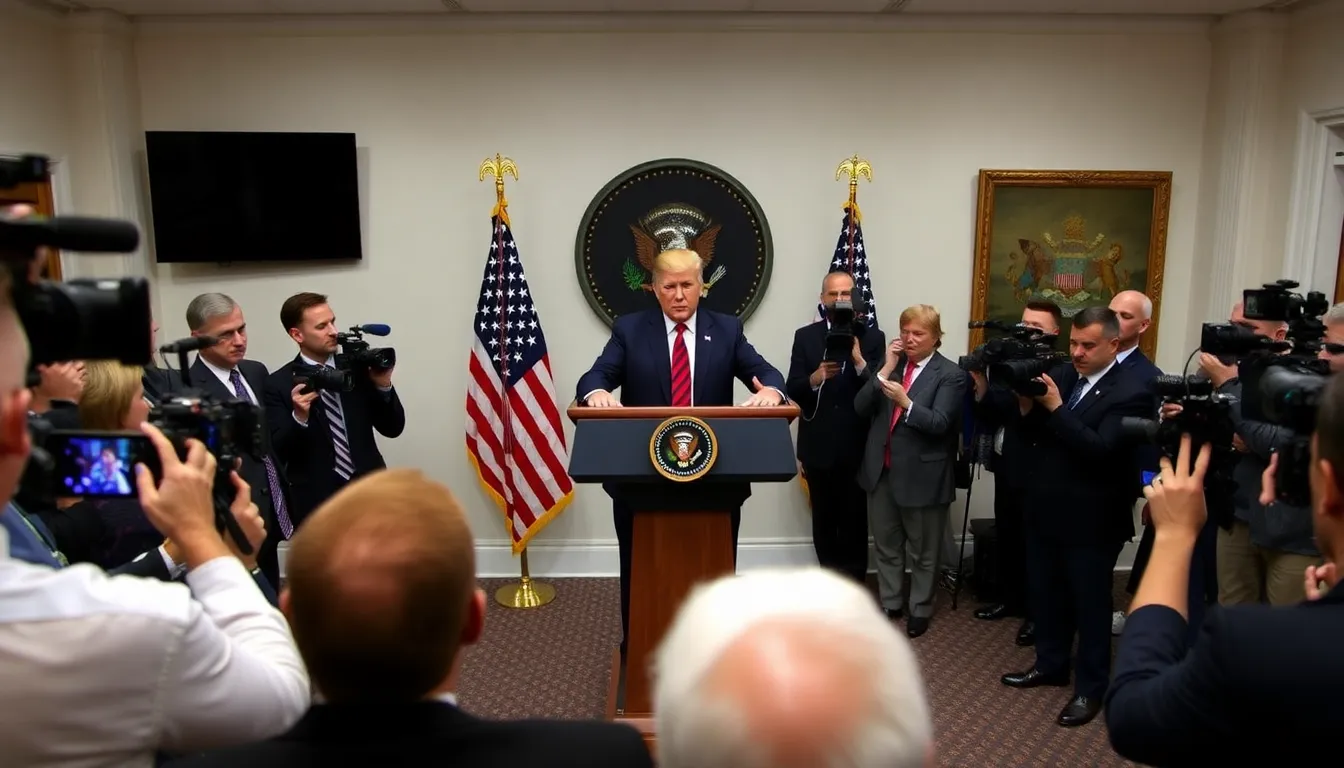
During a press conference on January 8, 2020, Trump emphasized the importance of de-escalation, stating that he does not seek war with Iran. However, his remarks left several key questions unanswered, including the future of U.S. troops in the region and the administration’s broader strategy for dealing with Iranian aggression. This ambiguity has led to mixed reactions among lawmakers and the public alike.
In the wake of these developments, Congress is increasingly involved in discussions about military engagement and oversight. Some lawmakers have called for a reevaluation of the Authorization for Use of Military Force (AUMF) that has been used to justify U.S. military actions abroad. As tensions continue to simmer, the political landscape is shifting, with both parties grappling with the implications of a potential conflict.
The situation is further complicated by Iran’s response, which includes missile strikes on U.S. bases in Iraq, raising fears of a broader regional conflict. As the administration navigates these challenges, the American public remains divided on the issue, with many seeking clarity on the government’s next steps. The unfolding events will likely have lasting effects on U.S.-Iran relations and the global geopolitical landscape.
Background on the escalating tensions with Iran
The relationship between the United States and Iran has been fraught with tension for decades, rooted in a complex history that dates back to the 1953 CIA-backed coup that overthrew Iran’s democratically elected Prime Minister, Mohammad Mossadegh. This event set the stage for a long-standing adversarial relationship, culminating in the 1979 Iranian Revolution, which led to the establishment of the Islamic Republic and the subsequent hostage crisis that further soured relations.
In the years that followed, U.S. policies towards Iran have oscillated between attempts at diplomacy and periods of heightened military engagement. The imposition of economic sanctions, particularly after Iran’s nuclear program came to light in the early 2000s, has been a key tool in U.S. foreign policy aimed at curtailing Iran’s influence in the region. These sanctions have had profound economic impacts on Iran, contributing to widespread discontent among its populace and driving the government to pursue aggressive regional policies.
The situation escalated significantly in 2018 when President Donald Trump unilaterally withdrew the U.S. from the Joint Comprehensive Plan of Action (JCPOA), an agreement aimed at limiting Iran’s nuclear capabilities in exchange for sanctions relief. This move not only strained relations further but also sparked a series of retaliatory actions, including attacks on U.S. interests in the region and the assassination of Iranian General Qassem Soleimani in January 2020, which brought the two nations to the brink of war.
Key Milestones in U.S.-Iran Relations
Several key milestones have shaped the current landscape of U.S.-Iran relations. The 1980 hostage crisis, the Iran-Iraq War, and the 2003 invasion of Iraq, which saw Iran’s influence expand in the region, are pivotal events that have contributed to the ongoing conflict. Additionally, the 2015 nuclear deal represented a rare moment of diplomatic engagement, yet its collapse has left a vacuum that has been filled with renewed hostilities and military posturing.
As tensions rise once more, President Trump’s efforts to address concerns over the potential for war with Iran have been met with skepticism. Critics argue that his administration’s inconsistent messaging and failure to provide concrete answers regarding U.S. military strategy and diplomatic intentions leave many questions unanswered, contributing to an atmosphere of uncertainty both domestically and internationally.
Key issues and stakeholders in the Iran conflict
The ongoing tensions between the United States and Iran have drawn the attention of various stakeholders, each with distinct interests and concerns. Key actors include the U.S. government, Iranian leadership, regional allies, and international organizations. Each of these entities plays a significant role in shaping the narrative and potential outcomes of the conflict.
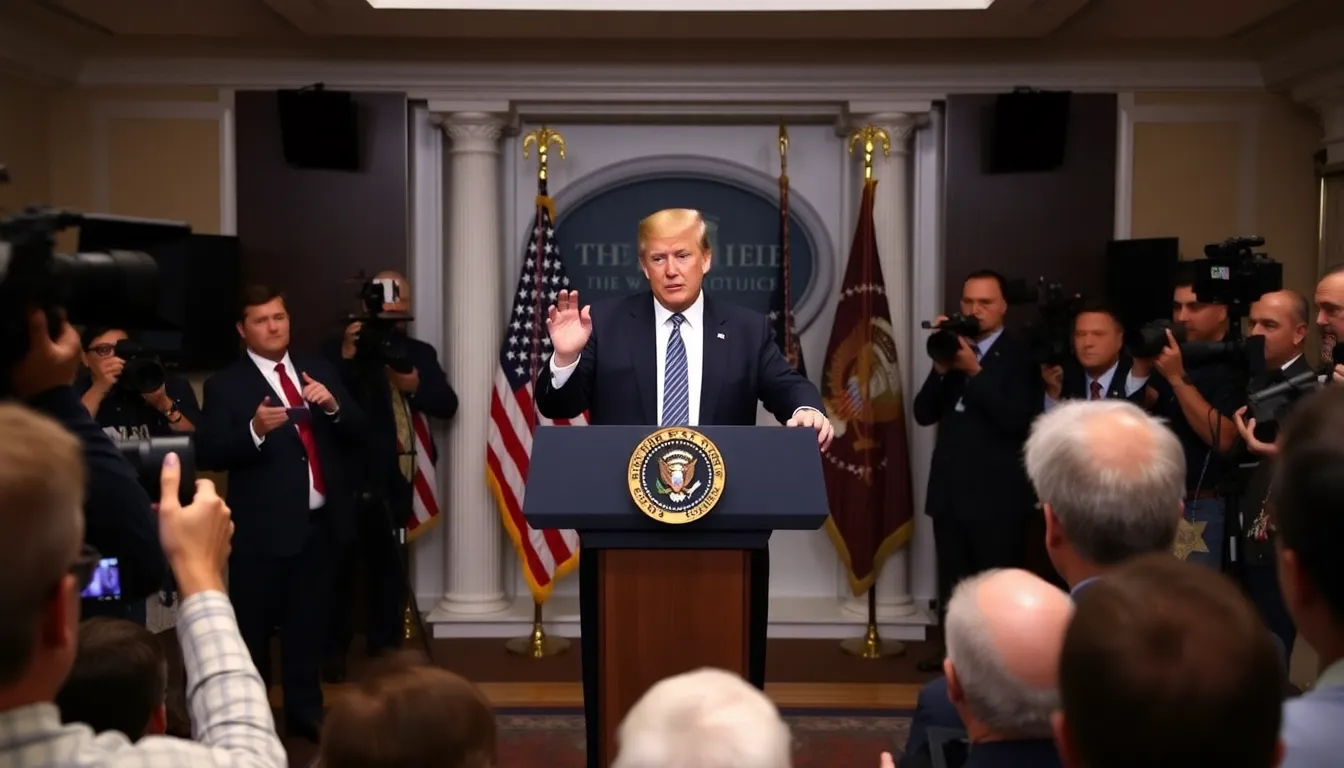
The U.S. government, led by President Trump, aims to assert its influence in the Middle East while ensuring the safety of its allies, particularly Israel and Saudi Arabia. Trump’s administration has focused on countering Iran’s nuclear ambitions and its support for militant groups in the region. However, the lack of clear communication and strategic direction raises uncertainties about the U.S. approach and its long-term implications.
On the Iranian side, the government seeks to maintain its sovereignty and regional influence. Iran’s leadership views U.S. actions as aggressive and a direct threat to its national security. This has led to a cycle of escalation, where Iran responds to perceived threats with military posturing and rhetoric, further complicating diplomatic efforts.
Regional allies, such as Israel and Saudi Arabia, have vested interests in the outcome of the conflict. They perceive a nuclear-armed Iran as an existential threat and advocate for a strong U.S. response. However, their involvement also raises questions about the potential for broader regional conflict and the impact on civilian populations.
- Military Escalation: The risk of direct military confrontation increases tensions and affects global oil markets.
- Diplomatic Relations: The future of U.S.-Iran negotiations remains uncertain, impacting international alliances.
- Humanitarian Concerns: Civilian casualties and the humanitarian crisis in the region are critical issues that need addressing.
- Economic Sanctions: Ongoing sanctions against Iran have significant economic repercussions, affecting both local and global economies.
- International Law: The legality of military actions and sanctions raises questions about compliance with international norms.
Potential impacts on the economy and international relations
The ongoing tensions surrounding Iran have far-reaching implications for various groups, industries, and regions. Key stakeholders include government officials, military personnel, energy companies, and international markets. Each of these entities faces unique challenges and opportunities as the situation evolves.
In the short term, the uncertainty created by Trump’s comments may lead to increased volatility in financial markets. Investors are likely to react to any news regarding military actions or diplomatic efforts, which could affect stock prices, particularly in sectors such as defense, oil, and technology. Businesses reliant on stable international relations may find themselves reassessing their strategies.
Regions with significant ties to Iran, such as the Middle East and parts of Europe, are particularly vulnerable. Countries that engage in trade with Iran or depend on its oil exports may experience economic disruptions. Conversely, nations that can offer alternative energy sources may find new opportunities for trade and partnerships.
- Short-term risks: Increased market volatility, potential supply chain disruptions, and heightened security concerns.
- Mid-term risks: Long-term economic sanctions, shifts in diplomatic relations, and possible military engagements.
- Opportunities: Growth in defense and security sectors, increased demand for alternative energy sources, and potential for new trade agreements.
As the situation develops, policymakers will need to navigate these complexities carefully. The decisions made in the coming weeks could shape the geopolitical landscape and influence economic stability for years to come.
A: The primary concerns include the potential for military conflict, economic sanctions, and the impact on global oil prices. A: Trump has made public statements aimed at calming fears, but many feel that key questions about strategy and objectives remain unanswered. A: This situation could lead to a reevaluation of U.S. foreign policy in the Middle East, especially regarding alliances and military presence. A: The handling of the Iran situation could influence voter sentiment and impact Trump’s re-election campaign. A: Many experts believe that while the risk of conflict is heightened, diplomatic solutions are still possible.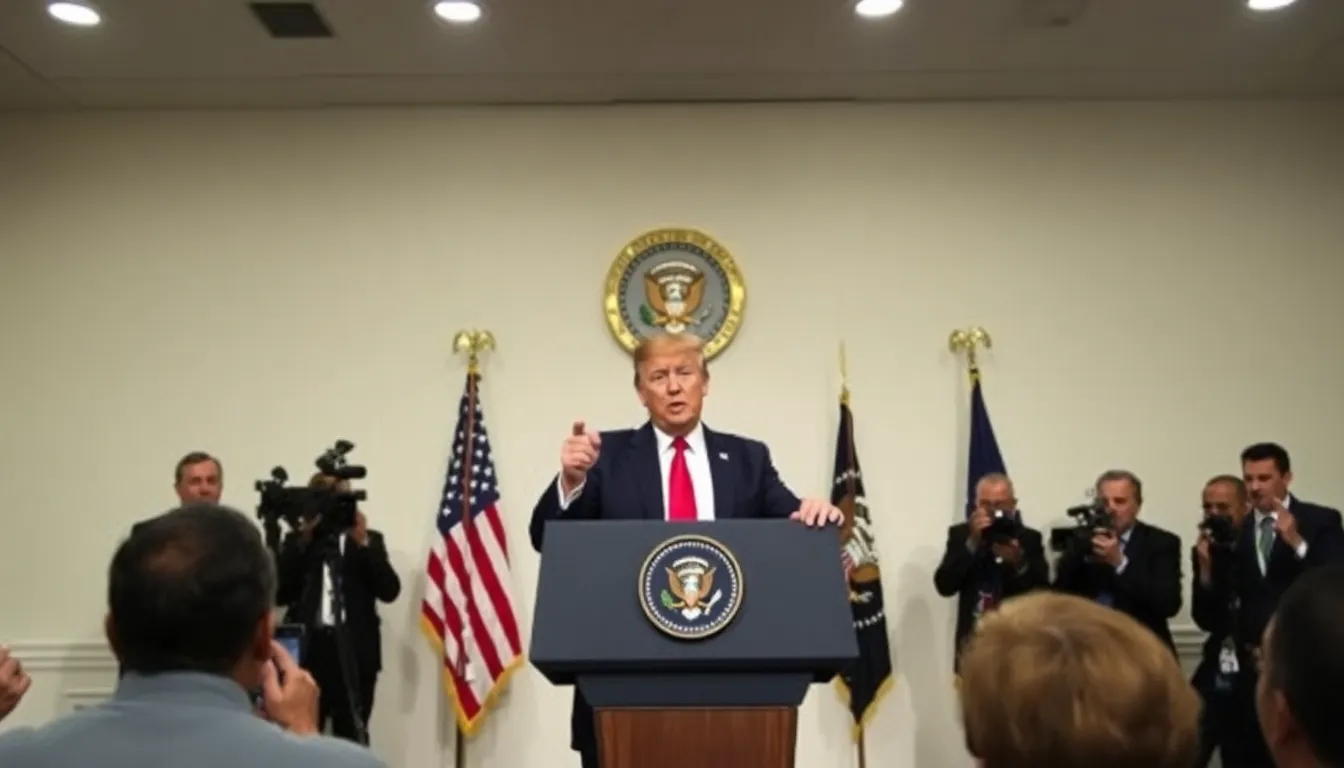
Frequently asked questions about the situation
Looking ahead: key points and future implications
As tensions surrounding Iran continue to escalate, the responses from key political figures, including former President Trump, will play a crucial role in shaping public perception and policy direction. While Trump attempts to reassure the public, his failure to address critical questions leaves room for uncertainty regarding future U.S.-Iran relations and potential military actions.
Observing the political landscape will be essential as stakeholders navigate the complexities of foreign policy and national security. The implications of Trump’s statements and the broader geopolitical context will likely influence both domestic and international responses in the coming weeks.
- Monitor how Trump’s messaging evolves as new developments arise in Iran.
- Watch for potential shifts in public opinion regarding military intervention and diplomatic negotiations.
- Consider the reactions from key allies and adversaries in the region, which may impact U.S. strategy.
- Pay attention to congressional responses and any legislative actions that may emerge in response to the situation.
- Assess the implications for U.S. energy policy and economic stability as tensions affect global markets.