
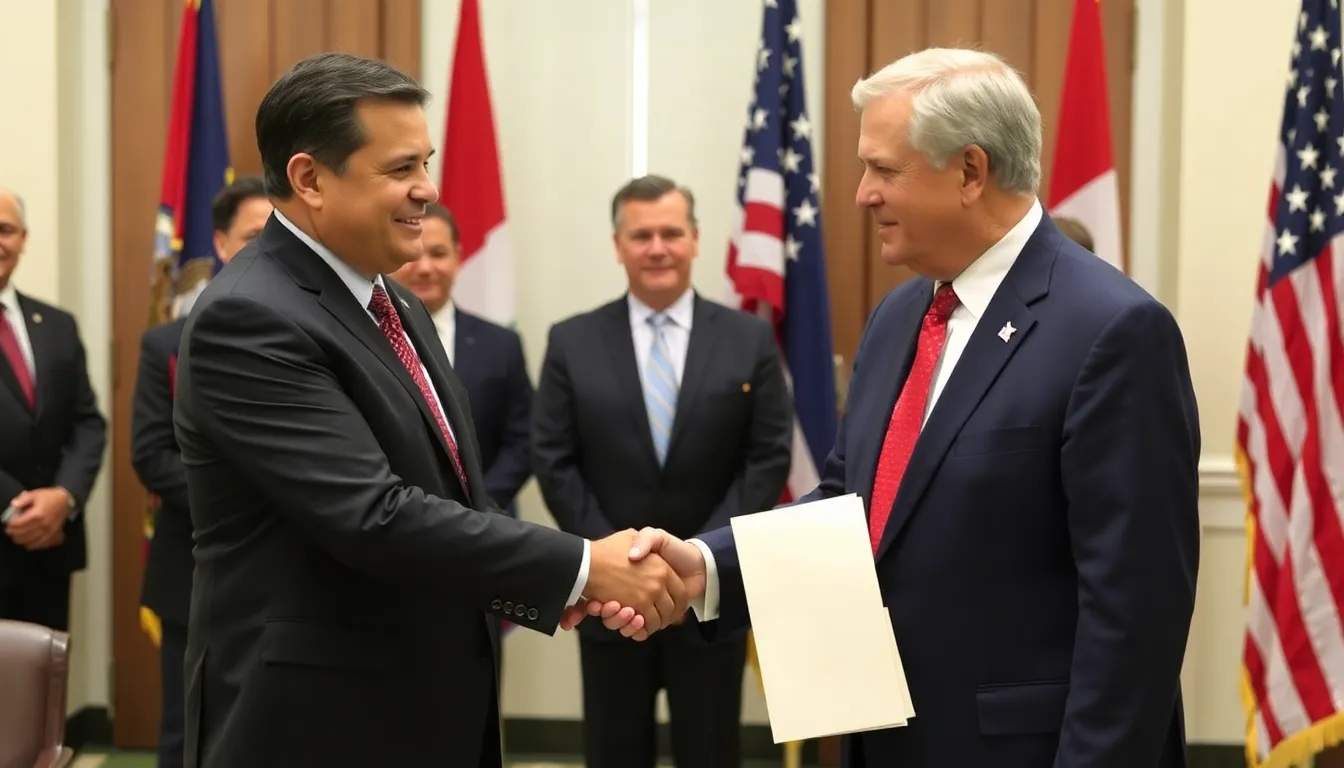
The agreement was finalized during a meeting between Costa Rican President Rodrigo Chaves and US Secretary of State Antony Blinken. Both leaders emphasized the importance of regional cooperation in addressing migration challenges, a topic that has been gaining significant attention in recent years. The deal is expected to facilitate the safe and orderly return of deportees while also enhancing security and humanitarian efforts in the region.
Under the terms of the agreement, Costa Rica will receive deportees from countries such as Venezuela, Nicaragua, and Haiti. This move is seen as a way to alleviate the burden on the US immigration system while also providing a temporary refuge for those in need. It reflects a growing trend of collaboration between nations in addressing complex migration issues.
The arrangement has sparked mixed reactions among various stakeholders. Advocates for migrants express concerns about the potential risks for deportees, while government officials highlight the necessity of such agreements to maintain stability. As the situation evolves, the impact of this deal on regional migration patterns and bilateral relations will be closely monitored.
Understanding the background of the deportation deal
The recent agreement between Costa Rica and the United States to accept third-country deportees marks a significant development in the ongoing discourse surrounding immigration policy in Central America. Historically, Costa Rica has positioned itself as a haven for refugees and asylum seekers, largely due to its stable political environment and commitment to human rights. However, the increasing pressures from the U.S. government to manage migration flows have led to a reevaluation of its role in regional immigration dynamics.
In the past, Costa Rica has been a destination for many fleeing violence and instability in neighboring countries such as Nicaragua and Honduras. The country has consistently advocated for humane treatment of migrants, emphasizing the need for international cooperation to address the root causes of migration. However, as the U.S. grapples with its own immigration challenges, it has sought to bolster its border security and reduce the influx of migrants, leading to negotiations with Central American nations like Costa Rica.
Key milestones in immigration policy
One pivotal moment in this evolving narrative was the implementation of the Migrant Protection Protocols (MPP) in 2019, which required asylum seekers to remain in Mexico while their claims were processed. This policy not only strained resources in Mexico but also shifted the burden onto neighboring countries, including Costa Rica. The new deportation deal can be seen as an extension of these policies, as the U.S. looks for ways to manage its southern border by outsourcing some of its immigration challenges to Central American nations and addressing issues highlighted in various news articles.
Furthermore, the economic implications of accepting deportees cannot be overlooked. Costa Rica, while relatively stable, faces its own economic challenges, including rising unemployment and a need for sustainable development. The influx of deportees could strain local resources and social services, raising questions about how the government will balance humanitarian obligations with domestic economic realities. As such, this agreement represents not only a shift in immigration policy but also a complex interplay of historical, political, and economic factors that will shape the future of Costa Rica’s immigration landscape.
Key stakeholders and issues surrounding the agreement
The recent agreement between Costa Rica and the United States to accept third country deportees has brought together a range of stakeholders, each with distinct interests and concerns. The primary actors include the governments of Costa Rica and the United States, humanitarian organizations, local communities, and the deportees themselves.
The Costa Rican government, led by President Rodrigo Chaves, aims to strengthen its relationship with the U.S. while addressing its own immigration challenges. By accepting deportees, Costa Rica hopes to secure financial aid and support from the U.S. for its efforts in managing migration. This move, however, raises concerns about the capacity of local resources to handle an influx of deportees, many of whom may lack support systems in the country.
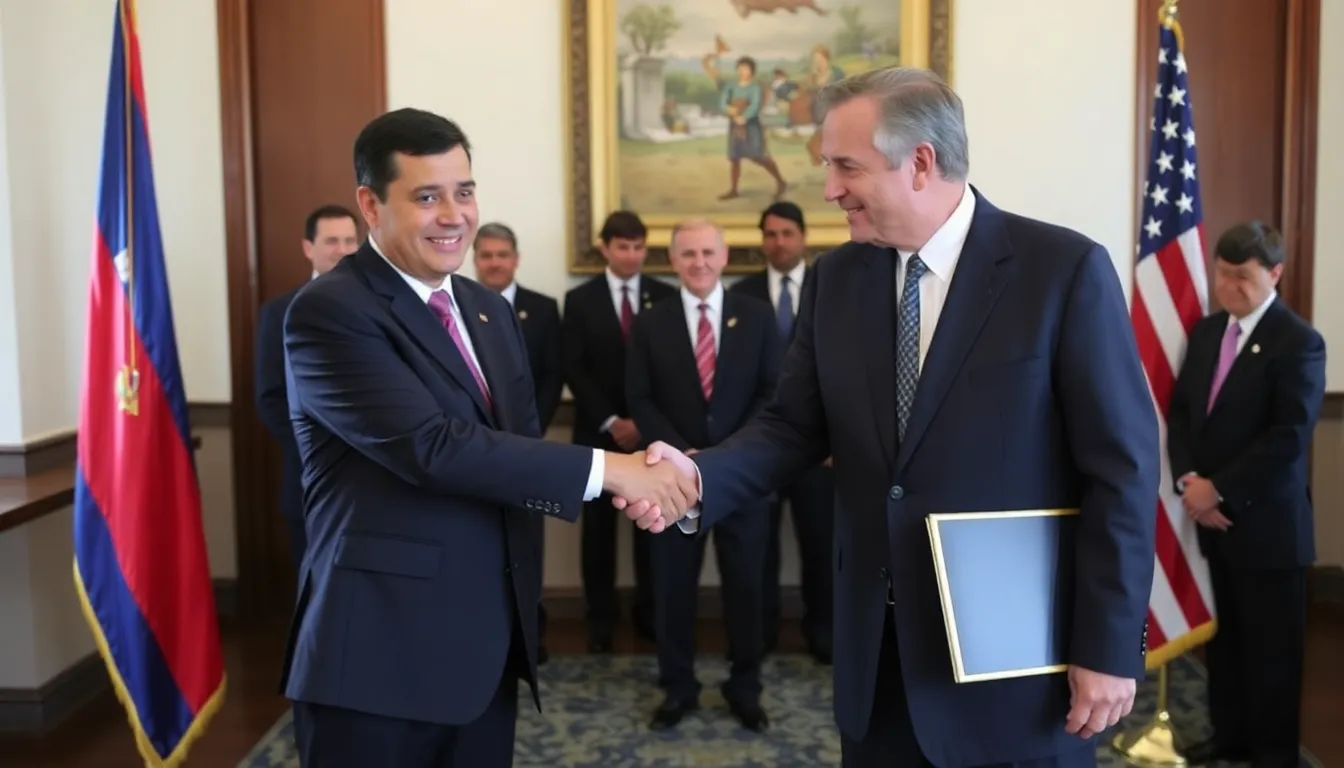
The U.S. government, under the Biden administration, is focused on managing its immigration policy more effectively by providing alternative solutions for deportees. The agreement reflects an attempt to alleviate pressure on U.S. border facilities while also addressing humanitarian concerns. However, critics argue that this could lead to further complications for deportees, especially regarding their legal status and integration into Costa Rican society as discussed in recent analyses regarding immigration policies.
- Humanitarian Organizations: Groups such as the International Organization for Migration (IOM) are concerned about the welfare of deportees and the adequacy of support provided by Costa Rica.
- Local Communities: Residents in areas where deportees may settle might face challenges related to social integration, economic competition, and resource allocation.
- Legal Issues: The agreement raises questions about the legal rights of deportees and the processes involved in their resettlement in Costa Rica.
- Economic Considerations: Costa Rica may benefit economically from U.S. aid but also risks straining its social services with an increased population of deportees.
Overall, the agreement highlights a complex interplay of interests and challenges that will require careful navigation to ensure the well-being of all parties involved. As discussions continue, the focus will likely remain on finding a balance between humanitarian obligations and national interests.
Potential impacts on Costa Rica and the region
The recent agreement between Costa Rica and the United States to accept third country deportees is poised to affect various groups and sectors within the country and the broader region. The most immediate impact will likely be felt by local communities, particularly those near the borders and urban areas where deportees may settle. This influx can strain public services and resources, leading to challenges in housing, healthcare, and education.
Industries such as housing, healthcare, and social services will experience both pressures and opportunities. In the short term, there may be an increased demand for affordable housing and public health services as deportees arrive. Local businesses might benefit from a larger customer base, but they may also face challenges if the labor market becomes saturated.
The policy may also influence Costa Rica’s international relations and immigration policies. By aligning more closely with U.S. immigration strategies, Costa Rica could enhance its standing in regional politics, but it risks backlash from local citizens who may oppose the agreement. This could lead to protests or political unrest, affecting the stability of the government and its ability to implement other policies.

- Short-term impacts: Increased demand for housing and public services, potential strain on local economies.
- Mid-term impacts: Changes in immigration policy, potential political unrest, shifts in labor market dynamics.
- Opportunities: Growth in local businesses, improved international relations, and potential for community support initiatives.
While there are risks associated with this agreement, such as social tensions and resource allocation challenges, there are also opportunities for economic growth and community development. How Costa Rica navigates these changes will be crucial in determining the overall impact on its society and economy in the coming years.
A: The agreement allows Costa Rica to accept deportees from the US who are originally from third countries, providing a solution for managing migration. A: The exact number of deportees has not been specified, but it is expected to be a significant influx based on current trends. A: This deal may lead to changes in Costa Rican immigration policy, potentially increasing the country’s role as a transit point for migrants. A: The agreement is likely to strengthen diplomatic ties between Costa Rica and the US as they collaborate on immigration issues. A: Yes, some human rights organizations have expressed concerns about the treatment of deportees and the implications for their rights.
Frequently asked questions about the deportation deal
Insights and outlook on the future of the agreement
The recent agreement between Costa Rica and the United States to accept deportees from third countries marks a significant shift in regional immigration dynamics. This collaboration not only aims to alleviate the burden on U.S. immigration facilities but also positions Costa Rica as a key player in addressing the complexities of migration in Central America. The implications of this deal extend beyond immediate logistics, potentially influencing diplomatic relations and migration policies across the region.
As the agreement unfolds, it will be crucial to monitor how it impacts both countries’ immigration systems, the experiences of deportees, and the broader socio-political landscape in Central America. The effectiveness of the arrangement will largely depend on the implementation strategies adopted by Costa Rica and the U.S., as well as the response from neighboring countries and international organizations.
- Increased diplomatic engagement: This agreement could lead to enhanced cooperation between Costa Rica and the U.S. on broader regional issues, including economic development and security.
- Humanitarian considerations: The treatment and reintegration of deportees will be critical; monitoring their experiences can provide insights into the human impact of such policies.
- Potential for regional ripple effects: Other Central American nations may respond to this agreement by adjusting their own immigration policies or negotiating similar deals.
- Public sentiment influence: The reaction of Costa Rican citizens to the influx of deportees may shape future political discourse and policy decisions.
- Monitoring compliance and outcomes: Success of the agreement will depend on effective monitoring mechanisms to ensure that deportees receive necessary support and services.