
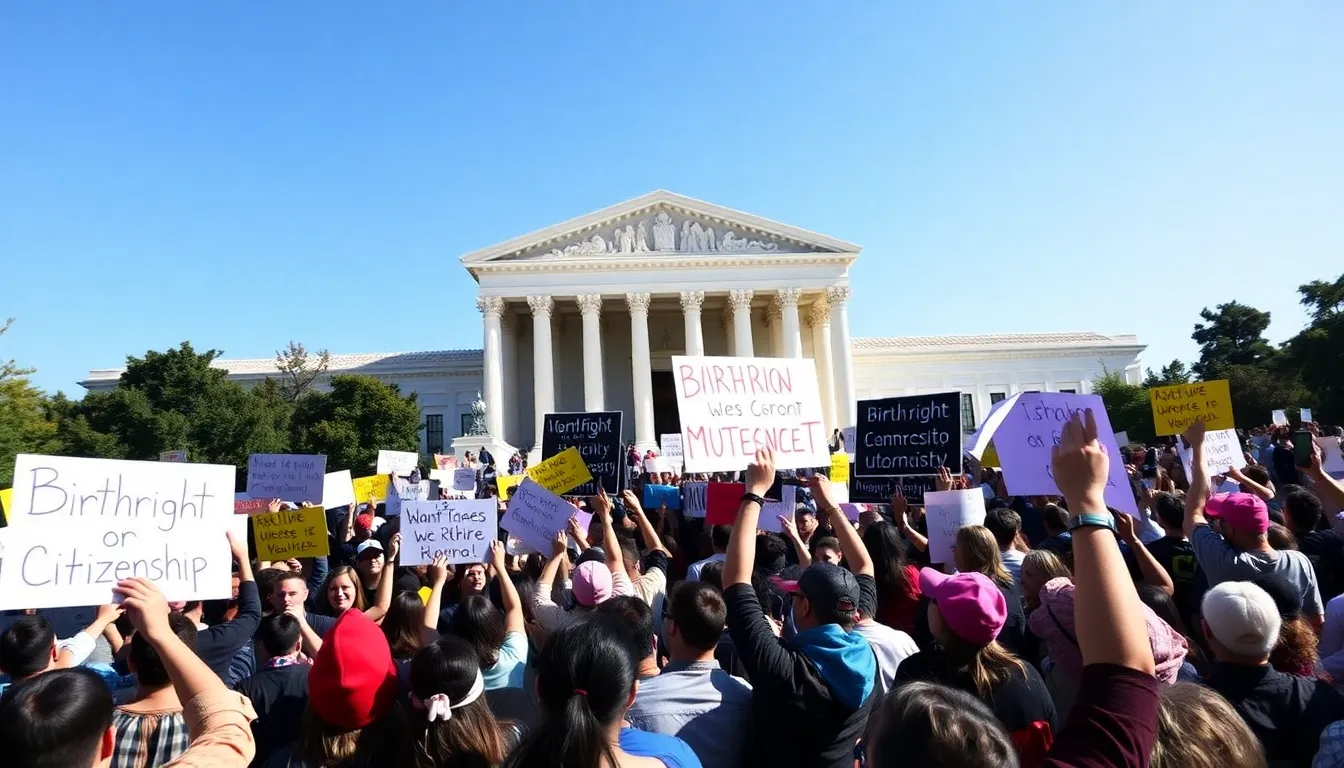
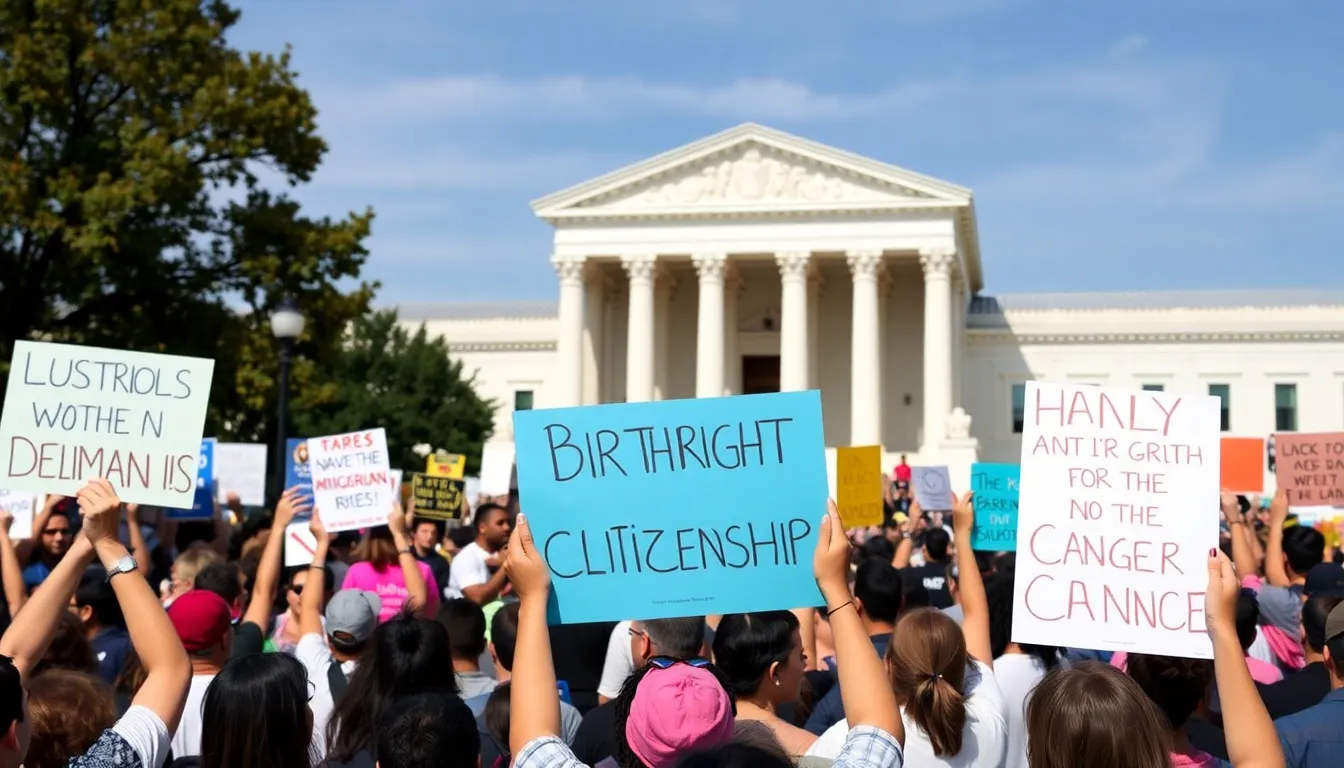
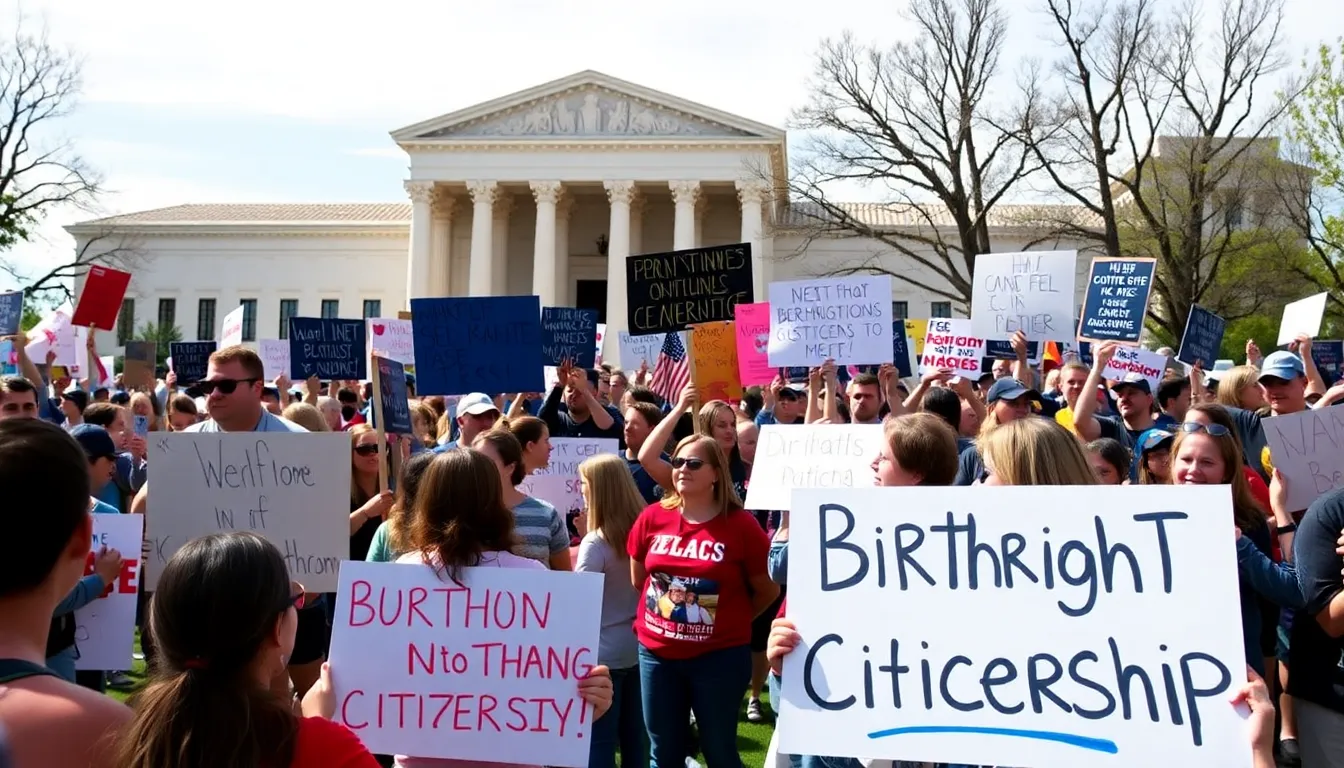
The event featured speeches from various community leaders, lawmakers, and immigrant rights advocates who highlighted the potential implications of any changes to birthright citizenship laws, including those discussed in recent rallies. They argued that such alterations could undermine the core values of equality and inclusion that the nation was built upon. Many attendees carried signs reading slogans such as ‘We are an immigrant nation’ and ‘Defend our rights,’ showcasing their commitment to the cause.
Legal experts and scholars have noted that the Supreme Court’s decisions on this issue could have far-reaching consequences for millions of families across the country. As the court prepares to hear cases related to immigration and citizenship, the rally served as a reminder of the public’s stake in these discussions. The outcome may not only affect current policies but also set precedents for future immigration legislation.
As the rally concluded, participants expressed a renewed sense of solidarity and determination to fight for their rights. The event underscored a growing movement that seeks to protect the rights of all individuals, regardless of their immigration status, and to affirm the belief that citizenship should not be contingent upon one’s parentage. With the Supreme Court’s docket filled with critical cases, the voices of those advocating for birthright citizenship are likely to resonate in the coming months, just as they did during recent speeches at various public events.
Historical context of birthright citizenship in the United States
Birthright citizenship in the United States has its roots in the 14th Amendment, ratified in 1868, which states that “all persons born or naturalized in the United States, and subject to the jurisdiction thereof, are citizens of the United States.” This amendment was a pivotal outcome of the Civil War, aimed at ensuring that former slaves and their descendants were granted full citizenship rights. Over the years, this legal framework has been interpreted to include anyone born on U.S. soil, regardless of their parents’ immigration status.
The concept of birthright citizenship has been a contentious issue throughout American history. In the late 19th and early 20th centuries, waves of immigration led to debates about national identity and the rights of newcomers. Legal challenges arose, particularly concerning the citizenship status of children born to immigrant parents. Notably, the Supreme Court case United States v. Wong Kim Ark in 1898 affirmed that a child born in the U.S. to Chinese immigrants was indeed a citizen, reinforcing the principle of jus soli, or the right of anyone born in the territory to nationality or citizenship, a topic often highlighted in current discussions around immigration.
In recent decades, the political landscape surrounding birthright citizenship has shifted dramatically. The rise of anti-immigrant sentiment and policies has sparked renewed discussions about the 14th Amendment’s interpretation. Critics argue that birthright citizenship encourages illegal immigration, while supporters maintain that it is a fundamental American value that reflects the nation’s identity as a melting pot of cultures and backgrounds. This ongoing debate has led to various legislative proposals aimed at altering or repealing birthright citizenship, further intensifying the public discourse.
Key milestones in the birthright citizenship debate
Several key milestones have shaped the current debate over birthright citizenship. In 1982, the Supreme Court ruled in Plyler v. Doe that states could not deny public education to children based on their immigration status, underscoring the importance of protecting the rights of all children. More recently, in 2018, President Trump expressed a desire to end birthright citizenship through executive order, prompting widespread protests and legal challenges. These events highlight the ongoing struggle over the interpretation and future of birthright citizenship in the United States, revealing deep divisions in public opinion and policy.
Key stakeholders and issues surrounding birthright citizenship
The debate over birthright citizenship in the United States has drawn a wide array of stakeholders, each with distinct interests and perspectives. Key actors include immigrant advocacy groups, legal experts, government officials, and citizens both in favor of and against the current interpretation of the 14th Amendment. These stakeholders play crucial roles in shaping the discourse and policy surrounding citizenship rights.
Immigrant advocacy organizations, such as the American Civil Liberties Union (ACLU) and the National Immigration Law Center, are staunch defenders of birthright citizenship. Their primary interest lies in protecting the rights of immigrants and ensuring that children born in the U.S. to non-citizen parents receive the same citizenship rights as those born to citizens. They argue that the principle of birthright citizenship is foundational to American identity and democracy.
On the other hand, some political groups and individuals argue for a re-evaluation of birthright citizenship, citing concerns over illegal immigration and national security. Their stance is that the current interpretation of the 14th Amendment encourages undocumented immigration and places an undue burden on social services. This perspective has led to calls for legislative changes that would limit or redefine citizenship rights based on parental immigration status.
The legal landscape surrounding birthright citizenship is complex, with potential conflicts arising from differing interpretations of the Constitution. Key issues include:
- The constitutional basis for birthright citizenship as outlined in the 14th Amendment.
- The implications of potential Supreme Court rulings on immigration policy and citizenship rights.
- Economic considerations regarding the costs and benefits of immigration and citizenship.
- The social impact of altering birthright citizenship on families and communities.
- The historical context of birthright citizenship in American law and its evolution over time.
As the Supreme Court prepares to hear cases related to this contentious issue, the outcomes could have far-reaching implications for the future of immigration policy and the rights of millions of individuals in the United States. The intersection of legal, social, and economic factors makes this a pivotal moment in the ongoing debate over what it means to be an American citizen.
Who is affected by the birthright citizenship debate
The birthright citizenship debate significantly impacts various groups, including immigrants, their families, and communities across the United States. Immigrant families, particularly those from Latin America and other regions, are directly affected as they navigate the complexities of citizenship for their children born in the U.S. This issue resonates deeply within communities that have historically relied on the assurance of citizenship for their children as a means of securing their future in the country.
Industries that depend heavily on immigrant labor, such as agriculture, hospitality, and construction, are also impacted by the ongoing discussions surrounding birthright citizenship. A shift in policy could lead to labor shortages in these sectors, affecting productivity and economic stability. Regions with large immigrant populations, particularly urban areas, may face heightened tensions and uncertainty as families grapple with the potential implications of policy changes.
In the short term, the rallying of support for birthright citizenship may lead to increased public awareness and advocacy efforts. This could prompt lawmakers to reconsider their positions and engage in more inclusive policy-making. However, there are risks associated with heightened political polarization, which could result in backlash against immigrant communities and exacerbate divisions.
- Short-term impacts: Increased advocacy and public awareness, potential policy reconsideration.
- Mid-term impacts: Possible labor shortages in key industries, shifts in local economies.
- Risks: Political polarization, backlash against immigrant communities.
- Opportunities: Strengthened community alliances, potential for comprehensive immigration reform.
Overall, the birthright citizenship debate not only affects individuals and families but also has broader implications for the economy and social fabric of the nation. The outcome of these discussions could redefine what it means to be an American in the years to come.
A: Birthright citizenship is the right of anyone born in the territory of a state to nationality or citizenship. In the U.S., this is guaranteed by the 14th Amendment. A: Many believe that birthright citizenship is a fundamental right that should be protected, especially in light of recent legal challenges. A: There are ongoing discussions and court cases that could redefine or challenge the interpretation of birthright citizenship in the U.S. A: Birthright citizenship provides a sense of security and belonging for children of immigrants, impacting their access to rights and benefits. A: The Supreme Court’s decisions can set nationwide precedents that affect immigration laws and the rights of citizens and non-citizens alike.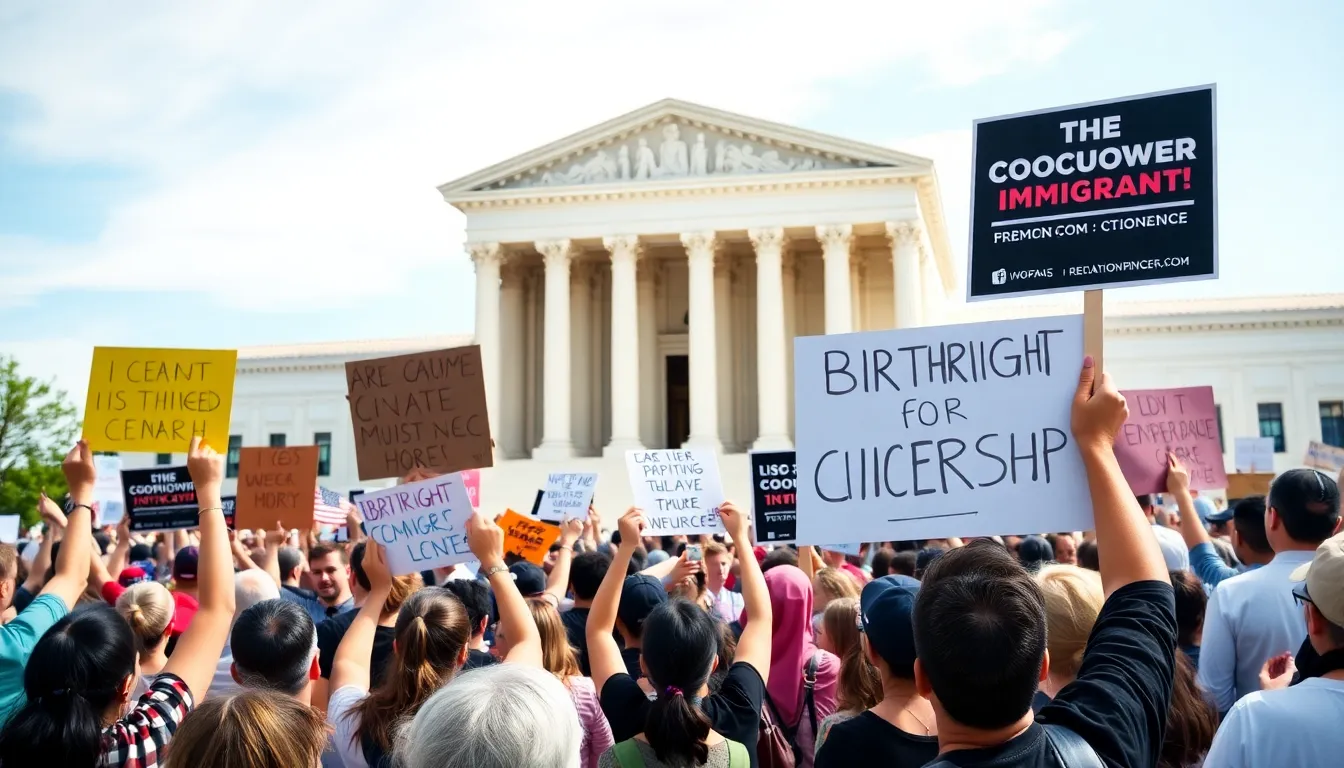
Frequently asked questions about birthright citizenship
Key takeaways and future outlook on birthright citizenship
The recent rally at the Supreme Court underscored the deep-seated belief among many that birthright citizenship is a fundamental aspect of American identity. As the debate continues, the implications of potential changes to this policy could resonate across various sectors, affecting not only legal frameworks but also the social fabric of the nation. Advocacy for maintaining birthright citizenship reflects a commitment to inclusivity and the historical narrative of the United States as a nation built by immigrants.
As legal challenges unfold, stakeholders should remain vigilant regarding the evolving landscape of immigration policy. The outcome of these discussions may influence public sentiment and legislative actions, making it essential to monitor developments closely.
- Watch for potential legal precedents that could arise from the Supreme Court’s decisions regarding birthright citizenship.
- Consider the implications for immigrant communities and their integration into American society if birthright citizenship is altered.
- Stay informed about how public opinion shifts in response to these legal debates and rallies.
- Observe how advocacy groups mobilize and strategize in response to changes in immigration policy.
- Evaluate the potential economic impacts on the workforce and demographic trends resulting from alterations to citizenship laws.