
Sarah Everard was abducted in March 2021 while walking home in London, leading to widespread outrage and protests against violence towards women. The case highlighted issues of safety and trust in law enforcement, particularly given that the perpetrator was a serving police officer. For more on this topic, read about the impact of government policies on public safety.
The drama has been described as “respectful,” aiming to honor Everard’s memory while addressing critical conversations about gender-based violence. The production has involved consultations with advocacy groups to ensure sensitivity in its portrayal of the events and their aftermath.
As the release date approaches, discussions about the impact of the drama on public awareness and policy change are gaining momentum. Activists and community leaders are hopeful that the show will contribute to ongoing dialogues about women’s safety and the need for systemic change in addressing violence against women.
Understanding the background of Sarah Everard’s case
The murder of Sarah Everard in March 2021 became a pivotal moment in the conversation surrounding women’s safety in the UK. Sarah, a 33-year-old marketing executive, was abducted while walking home from a friend’s house in London. Her case drew widespread media attention and public outrage, highlighting the ongoing issues of violence against women and the societal attitudes that contribute to such crimes.
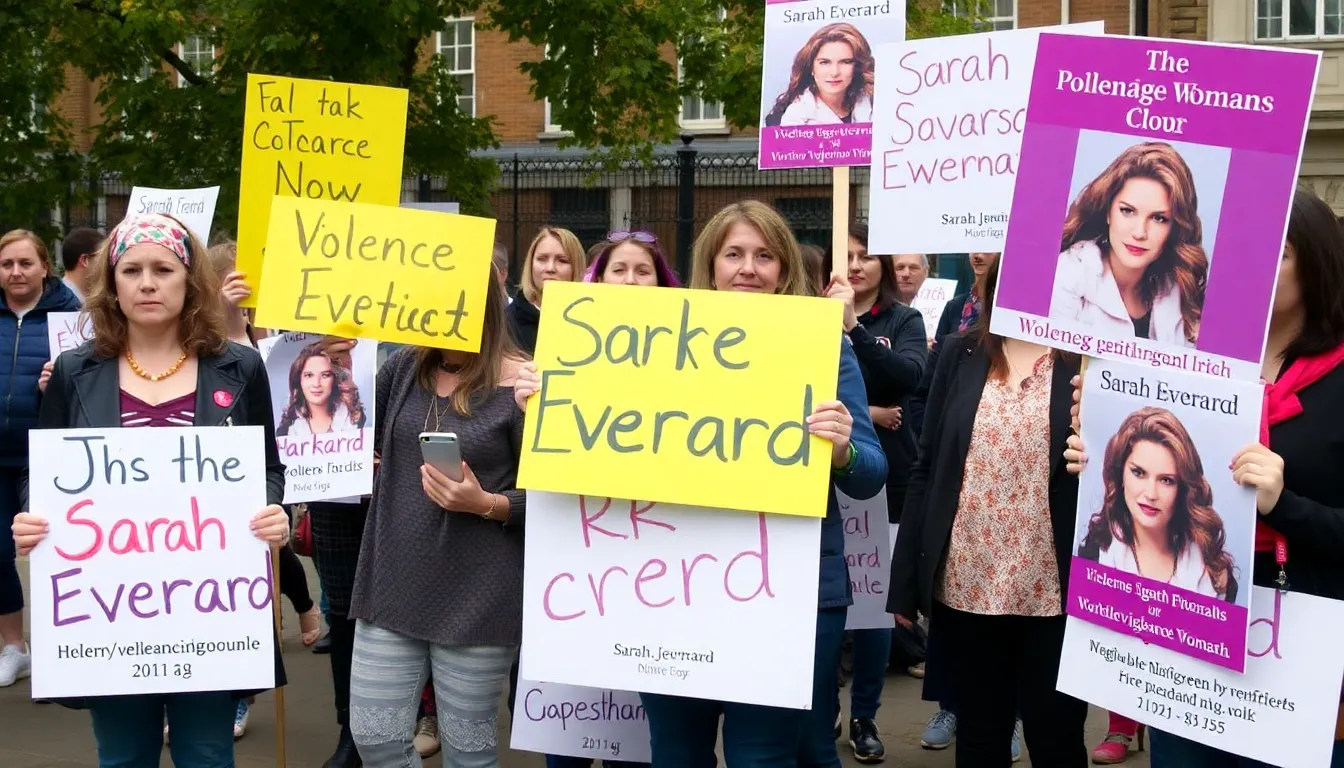
Historically, the issue of violence against women has been a persistent problem in many societies, often exacerbated by cultural norms that downplay the seriousness of harassment and assault. The #MeToo movement, which gained momentum in 2017, brought to light many of these issues, but Sarah’s case reignited the discussion in the UK specifically, leading to protests and calls for reform in policing and public safety measures. This cultural shift can be seen as a response to events like high-profile cases that challenge societal norms.
Politically, Sarah Everard’s murder prompted a critical examination of the police’s role in ensuring public safety, especially for women. The initial response from law enforcement, which included the use of heavy-handed tactics during vigils held in her memory, faced backlash and raised questions about police accountability and the treatment of women in public spaces. This incident led to a broader discourse on the need for systemic changes within the police force and society at large.
Key Milestones in the Fight for Women’s Safety
Over the years, there have been several key milestones in addressing violence against women in the UK. The introduction of the Domestic Violence Act in 1976 marked a significant step forward, providing legal protections for victims. More recently, the 2015 “This is Not an Invitation to Rape Me” campaign aimed to challenge societal attitudes towards consent. However, despite these efforts, the statistics remain alarming, with many women still reporting incidents of harassment and violence, indicating that more work is needed to create a safe environment for all.
Key issues surrounding the portrayal of sensitive topics in media
The upcoming BBC drama centered on the murder of Sarah Everard has sparked significant discussion among various stakeholders, including media organizations, advocacy groups, and the general public. Each of these actors has distinct interests that shape their perspectives on the portrayal of such sensitive topics. The BBC aims to create compelling content while adhering to ethical standards, whereas advocacy groups focus on the potential impact of media representations on public perception and policy. For an example of media responsibility, see the discussion surrounding healthcare narratives in journalism.
One of the primary concerns is the risk of sensationalism. Media portrayals of violent crimes can sometimes prioritize drama over accuracy, potentially leading to misconceptions about the nature of violence against women. This raises important questions about the responsibility of media organizations to balance storytelling with factual integrity. Advocacy groups argue that responsible portrayals can contribute to greater awareness and understanding of issues like gender-based violence.
- Public Sensitivity: The portrayal of real-life tragedies can evoke strong emotional responses, particularly from those directly affected by similar events.
- Legal Implications: Media organizations must navigate legal frameworks surrounding defamation, privacy, and the representation of victims and their families.
- Economic Considerations: The commercial success of such dramas may conflict with ethical storytelling, as producers may prioritize viewer ratings over respectful representation.
- Advocacy and Activism: Groups focused on women’s rights may leverage the drama’s platform to promote discussions on systemic issues but may also criticize the portrayal if it is deemed exploitative.
Furthermore, the potential for backlash from the public and advocacy groups highlights the delicate balance that media creators must achieve. If the drama is perceived as trivializing the experiences of victims or failing to accurately depict the societal context of such crimes, it could lead to significant criticism and diminish the intended impact of raising awareness.
Ultimately, the portrayal of sensitive topics in media, particularly in the case of the BBC drama on Sarah Everard’s murder, underscores the complex interplay between storytelling, ethical responsibility, and societal implications. Stakeholders must engage in thoughtful dialogue to navigate these challenges effectively.
The impact of the drama on public perception and discussions
The upcoming BBC drama centered on the murder of Sarah Everard is poised to affect various groups and industries, particularly those involved in media, law enforcement, and women’s rights advocacy. The portrayal of this tragic event is likely to resonate deeply with the public, prompting discussions around safety, justice, and the systemic issues surrounding violence against women.
In the short term, the drama may lead to heightened awareness and sensitivity regarding issues of gender-based violence. This could influence public discourse, as viewers engage with the themes presented in the show. Social media platforms may see an uptick in conversations and campaigns related to women’s safety, potentially impacting the way these issues are addressed in public forums.
Mid-term impacts may include shifts in policy discussions, particularly concerning law enforcement practices and women’s rights legislation. Stakeholders in government and advocacy groups might feel pressured to respond to the heightened public interest, leading to potential reforms in policies aimed at protecting women and addressing violence. Additionally, businesses that cater to women’s safety products or services could see increased demand.
- Increased awareness about gender-based violence and safety concerns.
- Potential policy changes in law enforcement and women’s rights advocacy.
- Opportunities for businesses focused on women’s safety and support services.
- Risks of backlash from groups opposing the drama’s portrayal of law enforcement or societal issues.
While the drama could foster a more informed public, it also carries the risk of polarizing opinions. Some may view the representation of events as either too sensationalized or not reflective of the realities faced by women. This polarization could lead to further debates about media responsibility and the portrayal of sensitive topics in entertainment.
A: The drama focuses on the tragic murder of Sarah Everard and aims to respectfully depict the events surrounding her case. A: Public reactions have been mixed, with some expressing support for raising awareness about women’s safety, while others are concerned about the sensitivity of the topic. A: The exact air date has not been announced yet, but it is expected to be released in the coming months. A: The drama features a talented cast and crew, including well-known actors and directors committed to handling the subject matter with care. A: Yes, the drama aims to not only tell Sarah’s story but also to spark conversations about the wider societal issues of violence against women.
Frequently asked questions about the BBC drama
Key takeaways and future implications of the drama
The upcoming BBC drama centered on the tragic murder of Sarah Everard serves as a poignant reminder of the ongoing issues surrounding women’s safety and societal attitudes towards violence against women. As it prepares to air, the drama not only seeks to honor Sarah’s memory but also aims to spark important conversations about the systemic changes needed to prevent such tragedies in the future.
Viewers and critics alike will be watching closely to see how the narrative unfolds and the impact it has on public discourse. This drama has the potential to influence perceptions and policies regarding women’s safety, as well as encourage further discussions on the role of law enforcement in protecting citizens.
- Expect heightened discussions on women’s safety and societal responsibilities in the wake of the drama’s release.
- Monitor the response from advocacy groups and how they leverage the drama to push for policy changes.
- Observe potential shifts in public sentiment regarding law enforcement’s role in protecting vulnerable populations.
- Watch for viewer engagement and feedback, which may inform future programming on similar sensitive topics.