
Overview of the Current Music Landscape
In the ever-evolving music scene, two prominent figures, Paul McCartney and Robyn, have captured the spotlight this week with their latest releases and public appearances. McCartney, a legendary figure from The Beatles, continues to influence the industry with his enduring creativity, while Robyn, a modern pop icon, has been making waves with her innovative sound and lyrical depth.
As of October 2023, McCartney has recently announced a new project that revisits some of his classic hits, offering fans a fresh take on beloved songs. This initiative not only highlights his timeless appeal but also underscores the ongoing relevance of classic rock in today’s music landscape. Meanwhile, Robyn has been featured in various music festivals, showcasing her latest singles that blend electronic and pop elements, further solidifying her status as a trailblazer in contemporary music.
The discussions surrounding their works are not merely about nostalgia or entertainment; they reflect broader trends in the industry, such as the resurgence of interest in older music and the blending of genres. With McCartney’s project set to release on November 10, 2023, and Robyn’s tour dates confirmed for early next year, fans and critics alike are eager to see how these artists will shape the musical narrative in the coming months.
Moreover, both artists have been vocal about the importance of music as a form of connection and expression during challenging times. Their ability to resonate with audiences across generations highlights the enduring power of music to inspire and unite. As they continue to make headlines, the impact of their contributions on the current music landscape remains significant.
Understanding the Significance of McCartney and Robyn
Paul McCartney and Robyn represent two distinct yet influential eras in music, each shaping the cultural landscape in their own right. McCartney, a member of the legendary Beatles, has a legacy that spans over six decades, influencing countless artists and genres. His work has not only defined pop and rock music but has also reflected societal changes and movements throughout the years. On the other hand, Robyn emerged as a pop icon in the late 1990s, known for her innovative sound and lyrical depth, which often explores themes of love, identity, and empowerment.
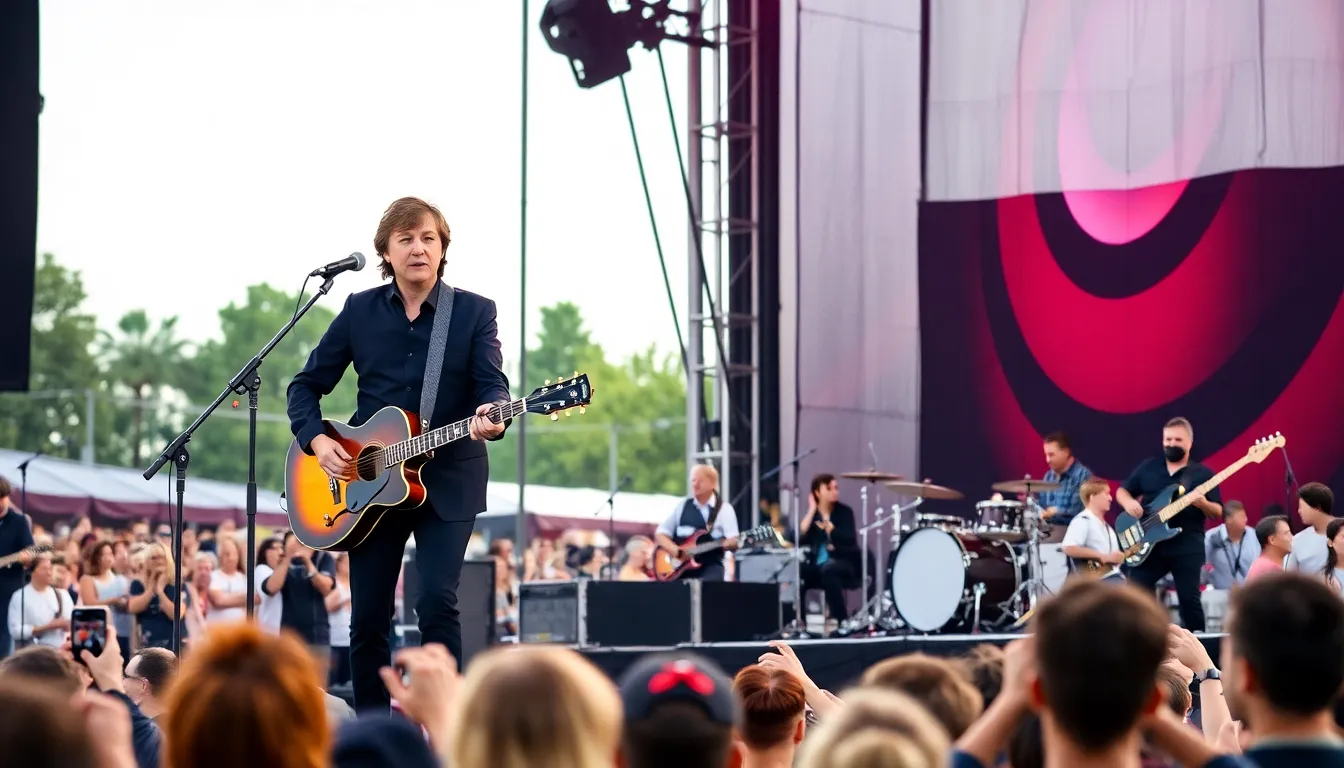
The connection between these two artists highlights a broader conversation about the evolution of the music industry and the ways in which artists navigate their careers amidst changing societal norms. McCartney’s transition from the Beatles to a successful solo career mirrors the shifts in the music landscape, particularly with the rise of digital streaming and social media, which have altered how music is produced, marketed, and consumed. Meanwhile, Robyn’s ability to reinvent herself and her sound speaks to the adaptability required of contemporary artists in a fast-paced industry.
Key Milestones in Their Careers
Throughout their careers, both McCartney and Robyn have achieved significant milestones that have influenced their artistic trajectories. McCartney’s groundbreaking work with the Beatles, including albums like “Sgt. Pepper’s Lonely Hearts Club Band,” set new standards for songwriting and production. His later projects, such as “Band on the Run” and collaborations with artists across genres, showcase his versatility and enduring relevance.
Robyn’s rise to fame began with her early hits in the 90s, but it was her 2010 album “Body Talk” that marked a turning point, featuring chart-topping singles like “Dancing on My Own.” This album not only solidified her status as a pop innovator but also paved the way for a new wave of artists who blend electronic music with personal storytelling. Both artists have faced challenges in their careers, including shifts in public taste and industry dynamics, yet they have continually found ways to connect with audiences, making their contributions to music both significant and lasting. This connection to their audience speaks volumes about their impact.
Key Themes and Issues in Their Recent Work
Paul McCartney and Robyn, two iconic figures in the music industry, have recently captured public attention with their latest releases. As they navigate the complexities of the contemporary music landscape, several key stakeholders emerge, each with distinct interests that influence their creative directions.
For McCartney, a legendary figure and former member of The Beatles, maintaining his legacy while exploring new musical avenues is paramount. His involvement with various charitable organizations and environmental causes also highlights a commitment to social issues that resonate with his fan base. Conversely, Robyn, known for her innovative pop sound, is focused on pushing artistic boundaries and connecting with younger audiences, while also addressing themes of empowerment and personal struggle in her work.

Key stakeholders in this dynamic include record labels, streaming platforms, and fans. Each group has a vested interest in how these artists distribute their music and engage with their audience. For instance, record labels may prioritize commercial success, while streaming platforms seek to maximize user engagement through algorithm-driven recommendations. Fans, on the other hand, often advocate for authenticity and artistic freedom, creating a potential conflict between commercial interests and artistic integrity.
- Commercial vs. Artistic Interests: The balance between creating commercially viable music and staying true to artistic vision poses ongoing challenges for both artists.
- Impact of Streaming Services: The rise of streaming has transformed how music is consumed, affecting revenue models and artists’ relationships with their labels.
- Social Responsibility: Both McCartney and Robyn engage with social issues, raising questions about the role of artists in activism and the expectations of their audiences.
In addition to these themes, there are legal and economic issues at play. Copyright laws and intellectual property rights continue to shape the music industry, influencing how songs are created, shared, and monetized. As both artists release new tracks, they must navigate these regulations while also considering the potential for collaboration or conflict with other artists and stakeholders in the industry.
Who is Affected by Their Music This Week?
The recent releases by Paul McCartney and Robyn resonate with a diverse array of groups, including music fans, industry professionals, and cultural commentators. Fans of both artists, spanning various age demographics, are likely to engage deeply with their new music, influencing social media discussions and streaming trends. This engagement can create a ripple effect, impacting the broader music industry, including record labels, streaming services, and live event organizers.
In the short term, the release of new songs can lead to increased streaming numbers and sales, benefiting the artists and their associated record labels. Music retailers and online platforms may see a surge in traffic as fans seek to purchase or stream the latest tracks. Additionally, radio stations may experience shifts in their playlists, incorporating the new releases to cater to audience demand, which can alter the airplay landscape.
In the mid-term, the impact can extend to concert promoters and venues as successful singles often lead to increased ticket sales for upcoming tours. Local economies may benefit from the influx of concert-goers, who contribute to hospitality and tourism sectors. Furthermore, the cultural relevance of these artists can influence fashion, media trends, and even political discourse, as their music often reflects or challenges societal norms.
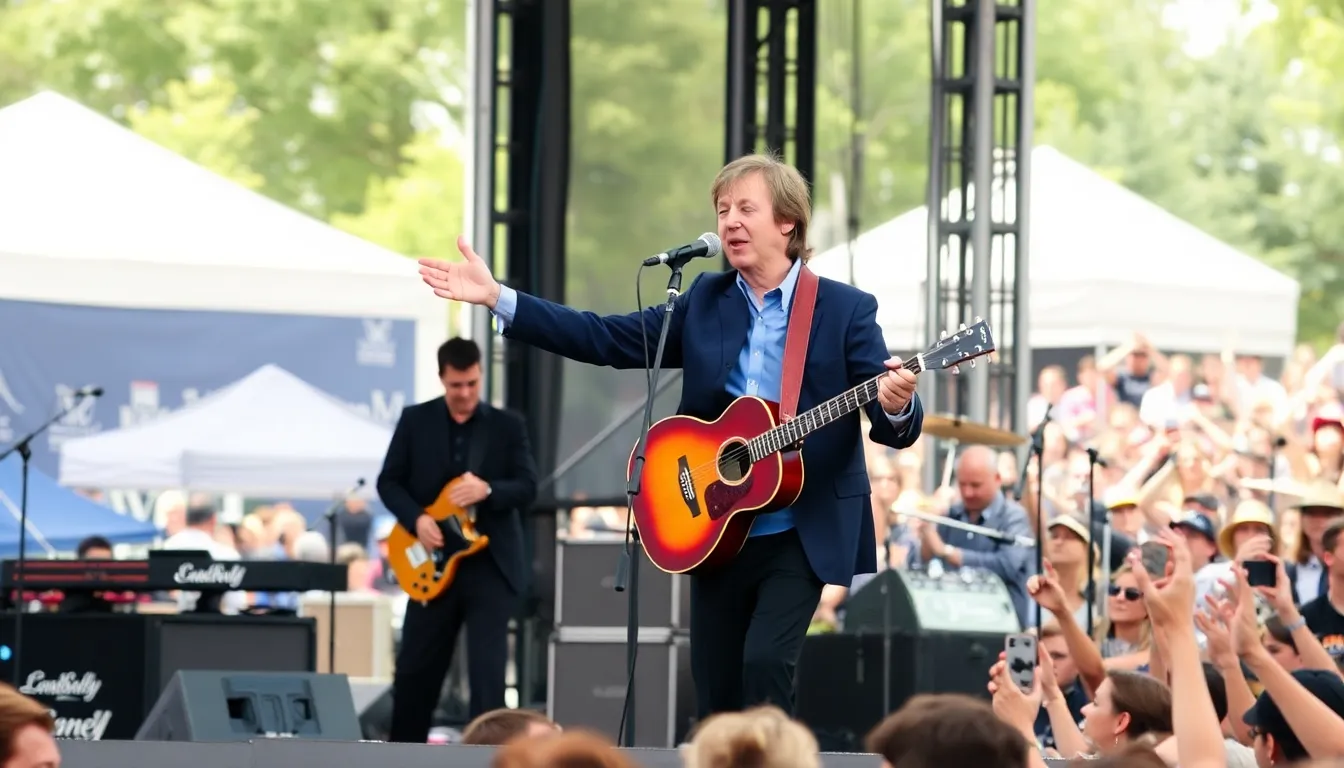
- Music Fans: Increased engagement and community building around new releases.
- Record Labels: Potential for higher revenue through sales and streaming.
- Concert Promoters: Opportunities for increased ticket sales and event planning.
- Local Economies: Boost in local businesses during concert events.
- Cultural Commentary: Shifts in trends and discussions in media and society.
However, there are risks involved as well. If the songs do not resonate with audiences, it could lead to disappointing sales and affect the artists’ future projects. Additionally, the competitive nature of the music industry means that even successful songs can quickly be overshadowed by new releases, making it crucial for artists to maintain momentum in their careers.
A: This week, we are focusing on eight notable songs from Paul McCartney and Robyn that have garnered significant attention. A: Both artists have recently released new music and are engaging with fans through various platforms, making their work particularly relevant. A: The songs showcase a blend of classic and contemporary styles, reflecting the evolving landscape of the music industry. A: The songs are available on major streaming platforms such as Spotify, Apple Music, and YouTube. A: Yes, both artists have upcoming performances and appearances that fans can look forward to.
Frequently Asked Questions About This Week’s Songs
Key Takeaways and Future Outlook
This week, the music landscape has been notably influenced by the releases and discussions surrounding Paul McCartney and Robyn, highlighting their enduring impact on contemporary music. As both artists continue to evolve, their latest works prompt a deeper exploration of themes such as nostalgia, innovation, and the intersection of different musical genres.
Looking ahead, it will be essential to monitor how these artists shape the industry trends and inspire emerging musicians. Their ability to blend classic elements with modern sensibilities could redefine listener expectations and influence future collaborations across genres.
- Paul McCartney’s resilience: His ongoing relevance showcases the importance of adaptability in the music industry.
- Robyn’s unique sound: Her innovative approach continues to challenge conventional pop structures, inviting new interpretations of the genre.
- Collaboration potential: The synergy between established and new artists may lead to groundbreaking projects that blend diverse influences.
- Audience engagement: As both artists leverage social media, their strategies may set new standards for fan interaction and marketing.