
The Pentagon had sought to limit Anthropic’s operations, arguing that the company’s technology could pose risks to national security. However, the judge found that the government’s actions were excessive and not justified by the evidence presented. This ruling underscores the tension between technological innovation and regulatory measures in the rapidly evolving AI landscape.
The implications of this ruling extend beyond Anthropic, as it sets a precedent for how government agencies may interact with technology firms in the future. Legal experts suggest that this case could influence similar disputes involving other AI companies, shaping the regulatory environment for the industry as a whole, much like the discussions around military regulation.
As the AI sector continues to grow, the balance between fostering innovation and ensuring safety remains a critical issue. This ruling may encourage other tech firms to challenge government restrictions, potentially leading to a more open and competitive marketplace for AI technologies.
Understanding the background of the case
The recent ruling by a judge to reject the Pentagon’s attempt to limit the operations of Anthropic, an artificial intelligence company, has drawn significant attention in both legal and technological circles. This case is emblematic of the broader tensions between government oversight and the rapidly evolving AI sector. Historically, the U.S. government has sought to regulate emerging technologies to ensure national security and ethical standards, but the pace of innovation often outstrips the ability of regulators to keep up.
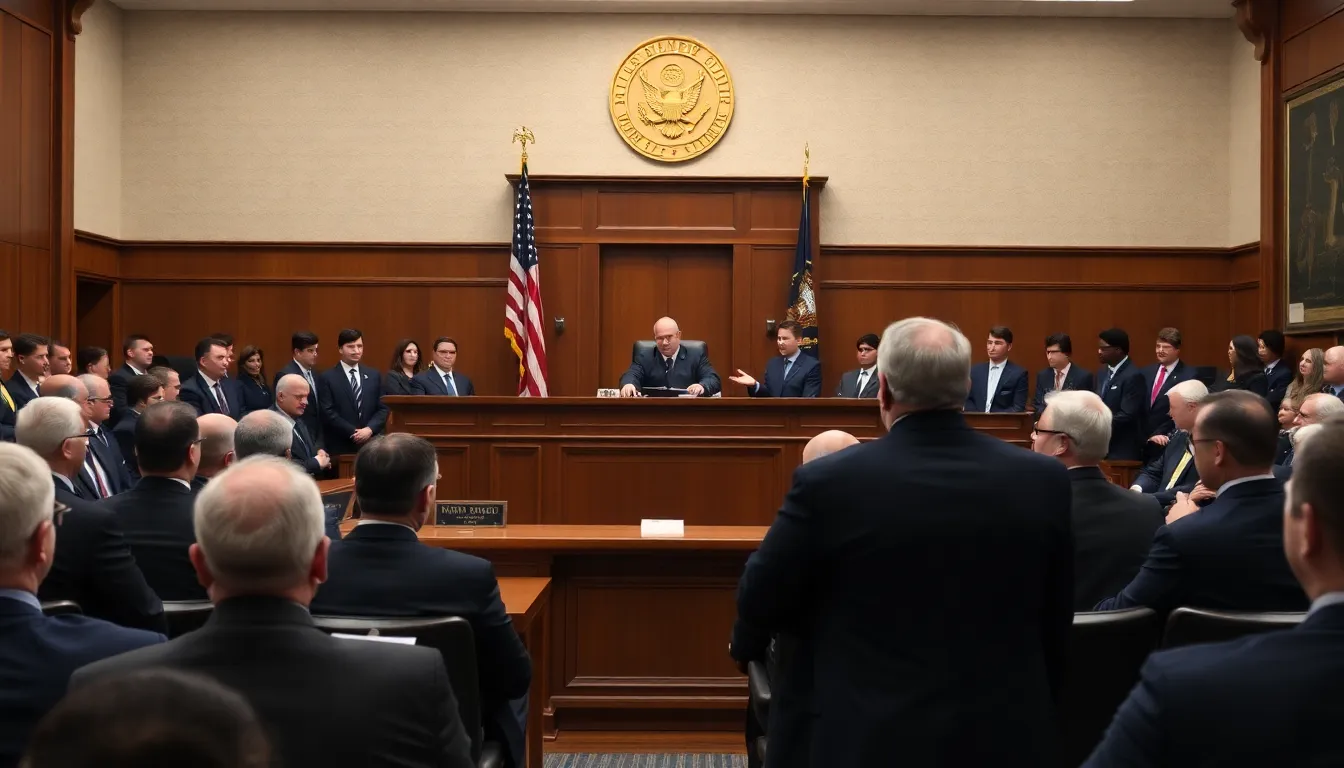
Anthropic, founded in 2020 by former OpenAI employees, has positioned itself as a leader in the development of safe and responsible AI technologies. The company’s mission is rooted in the belief that AI can be developed in a way that is beneficial to society. However, the Pentagon’s concerns stem from the potential misuse of AI technologies, particularly in military applications. This reflects a long-standing apprehension about how advanced technologies can be weaponized or used in ways that could compromise public safety.
Key milestones in the evolution of AI regulation include the establishment of the National AI Initiative Act in 2020, which aimed to promote American leadership in AI while addressing ethical implications. Furthermore, various high-profile incidents involving AI misuse have prompted calls for stricter regulations. These events have set the stage for the current legal battles, highlighting the urgent need for a framework that balances innovation with safety considerations.
The Role of Precedent Cases
Precedent cases, such as the legal battles surrounding data privacy and technology monopolies, have shaped the landscape of tech regulation. Courts have often been tasked with interpreting vague laws in the context of rapidly changing technologies. The Anthropic case may set important precedents regarding the limits of government intervention in private sector innovation, potentially influencing future regulatory approaches to AI and other emerging technologies.
Key stakeholders and issues at play
The recent ruling by a judge rejecting the Pentagon’s attempt to limit the operations of Anthropic has highlighted a complex web of stakeholders and interests. At the forefront are the Pentagon, Anthropic, and the broader tech industry, each with distinct motivations and concerns regarding the implications of artificial intelligence regulation.
The Pentagon, representing the U.S. government, is primarily interested in national security and the potential risks posed by advanced AI technologies. Their concerns center around the need to ensure that AI systems do not compromise military operations or fall into the hands of adversaries. This drive for regulation reflects a broader trend within governmental bodies to establish frameworks that can govern the use of AI in sensitive areas.
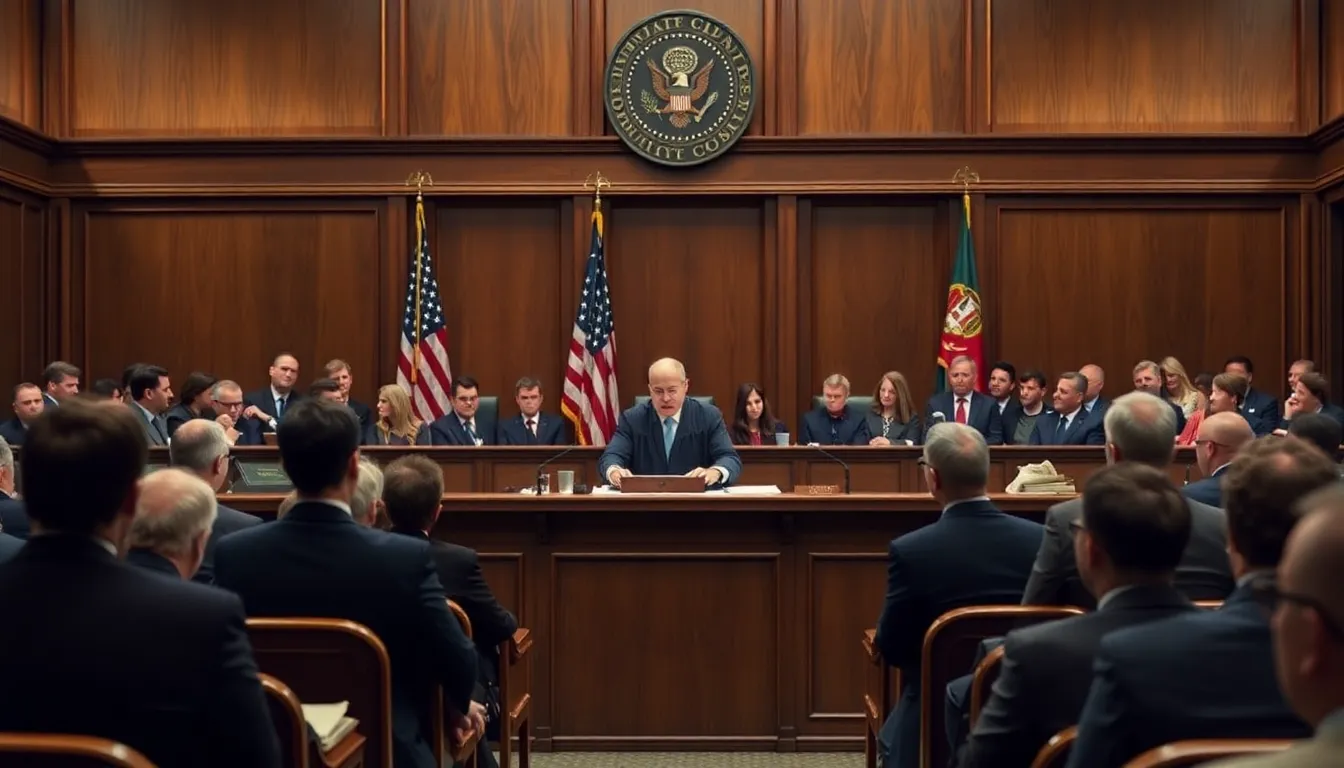
On the other hand, Anthropic, an AI safety and research organization, aims to promote the responsible development of AI technologies. Their interests lie in advocating for innovation and ensuring that regulatory measures do not stifle progress or impose undue burdens on research and development. Anthropic’s position underscores a significant trade-off between fostering technological advancement and addressing potential risks associated with AI.
- National Security vs. Innovation: The Pentagon’s focus on security may conflict with the tech industry’s desire for unencumbered innovation.
- Regulatory Frameworks: The need for clear regulations that balance safety and progress is a pressing issue for both stakeholders.
- Public Perception: How the public perceives AI technologies can influence both governmental policies and corporate strategies.
- International Competition: The global race in AI development raises concerns about maintaining a competitive edge while ensuring safety.
This case also raises important legal issues regarding the extent of government authority in regulating private sector activities, particularly in emerging technologies. The balance between ensuring safety and allowing for innovation will be a critical area of focus as stakeholders navigate the evolving landscape of AI regulation.
Potential effects on the AI industry and stakeholders
The recent judicial decision rejecting the Pentagon’s efforts to limit Anthropic’s operations has significant implications for various groups, particularly within the tech and defense sectors. Stakeholders including AI companies, government agencies, and private investors will feel the immediate effects, as this ruling may set a precedent for future interactions between the military and AI developers.
In the short term, companies involved in artificial intelligence development may experience a boost in confidence and investment, as the ruling allows for greater autonomy in their operations. This could lead to increased innovation and collaboration between private firms and government entities, fostering a more dynamic AI landscape. Conversely, defense contractors may face uncertainty as they navigate new regulatory environments and the potential for heightened scrutiny in their partnerships with AI firms.
Mid-term impacts could manifest in shifts in policy and funding allocation for AI research and development. As the Pentagon reassesses its strategies, there may be an increased focus on ethical AI practices and transparency, which could influence how AI technologies are integrated into defense operations. This could also lead to opportunities for startups that specialize in compliance and ethical frameworks within the AI space.
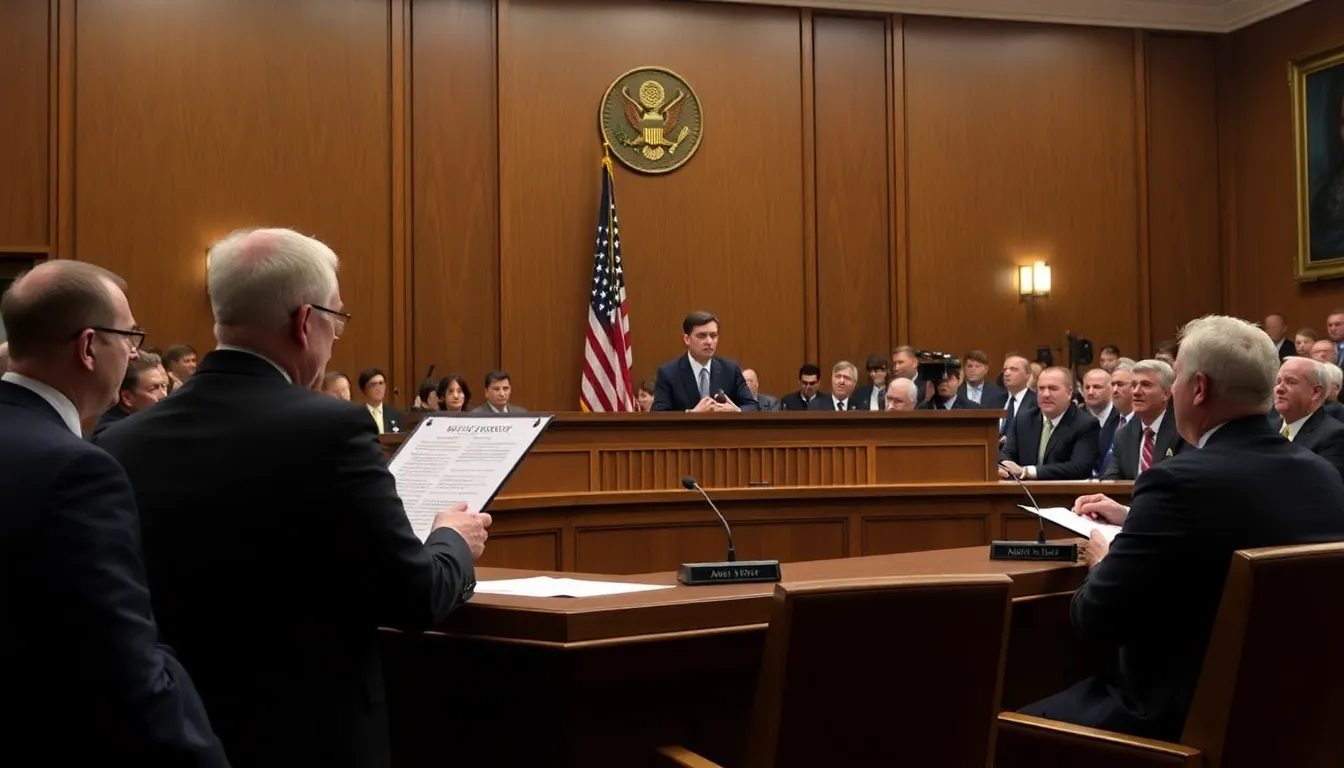
- Increased investment in AI startups and innovation.
- Potential for more collaborative projects between private AI firms and government.
- Shifts in policy regarding AI ethics and transparency in defense.
- Emergence of new compliance-focused businesses.
However, there are risks associated with this ruling as well. The potential for unregulated AI development could lead to ethical concerns, particularly in military applications. Stakeholders must remain vigilant to ensure that advancements do not compromise safety or privacy, which could lead to public backlash and stricter regulations in the future.
A: The Pentagon sought to impose restrictions on Anthropic’s operations, claiming national security concerns related to AI development. This attempt aimed to limit the company’s capabilities in the AI sector. A: The judge found that the Pentagon’s measures were overly broad and lacked sufficient justification. The ruling emphasized the importance of balancing national security with innovation in the AI field. A: This ruling may set a precedent for how government agencies interact with AI companies, potentially encouraging more innovation and reducing excessive regulatory pressure. A: While the ruling protects Anthropic’s operations, it also highlights the need for a careful approach to national security that does not stifle technological advancement. A: The Pentagon may choose to appeal the ruling or revise its approach to regulation. The ongoing discussions will likely shape future policies regarding AI development.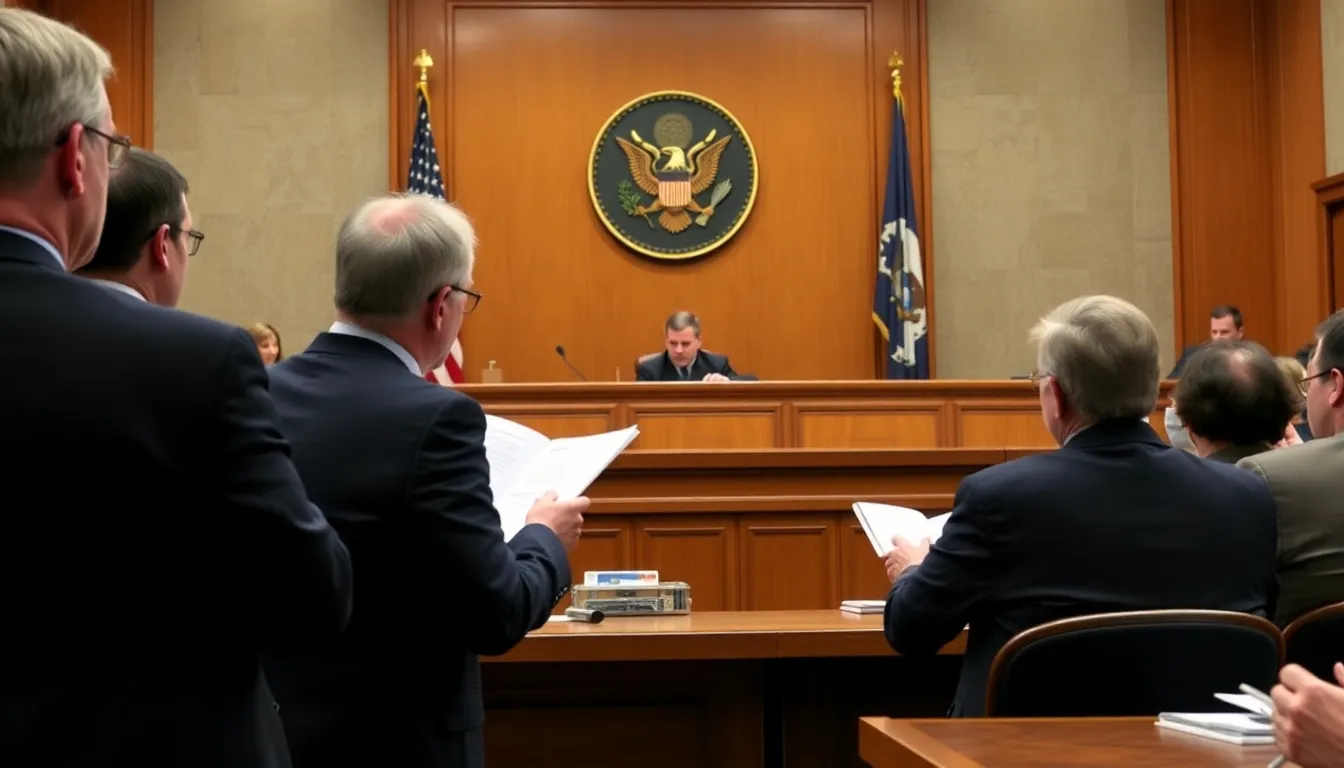
Frequently asked questions about the ruling
Key takeaways and future implications
The recent ruling against the Pentagon’s efforts to restrict Anthropic underscores the ongoing tension between government oversight and technological innovation in the field of artificial intelligence. This decision not only highlights the judiciary’s role in mediating disputes over AI development but also sets a precedent for how similar cases may be handled in the future. As AI continues to evolve, the balance between regulation and freedom in this sector will be crucial for fostering innovation while addressing ethical concerns.
Stakeholders in both the public and private sectors will need to navigate this complex landscape carefully. The implications of this ruling may influence how other tech companies approach their development strategies, especially those involved in AI research and deployment.
- Monitor how this ruling influences future government actions regarding AI regulation.
- Observe potential shifts in investment patterns within the AI sector as companies reassess their risk in light of regulatory environments.
- Watch for the emergence of new legal frameworks that may arise from ongoing debates about AI governance.
- Consider the impact on public perception of AI technologies and their role in society.