
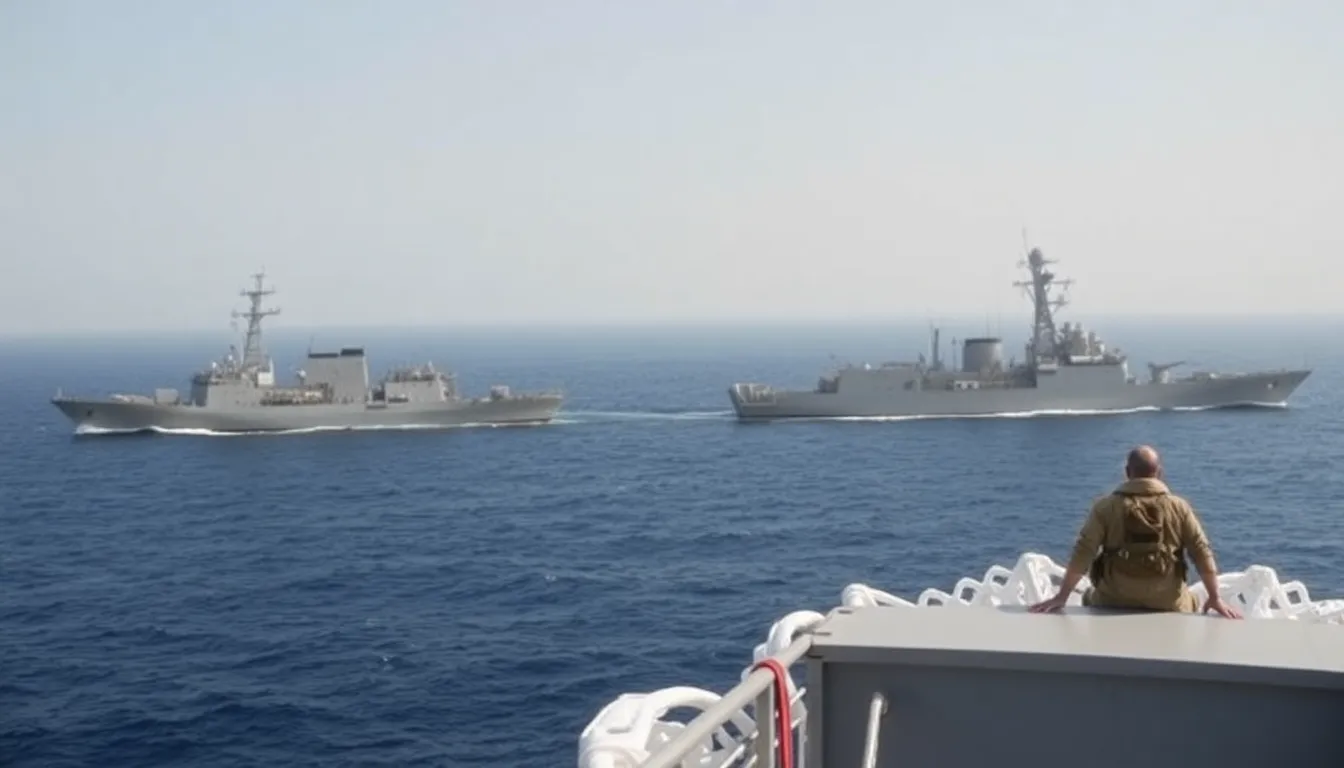
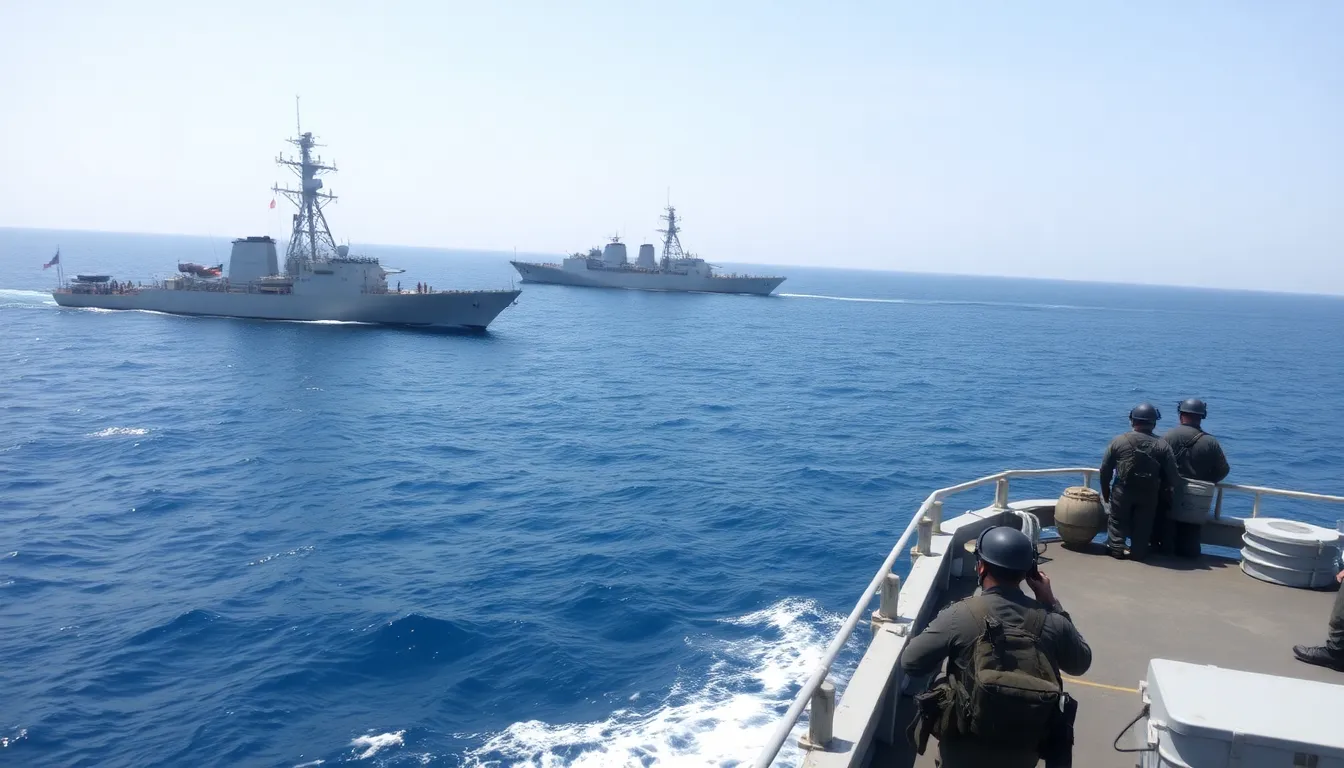
As of October 2023, military maneuvers and threats from Iran have intensified, prompting concerns among international shipping companies and governments. The U.S. and allied nations have increased their naval presence in the area to deter any aggressive actions that may impede maritime traffic. The implications of a closure could be severe, affecting not only oil prices but also the availability of essential goods.
Food supplies are particularly vulnerable, as many countries in the region rely on imports that traverse the Strait of Hormuz. A blockade could disrupt the flow of grains and perishables, leading to increased prices and potential shortages. Similarly, the pharmaceutical industry, which depends on timely deliveries of raw materials and finished products, may face significant delays, impacting healthcare systems worldwide. For further insights on the global impact of these supply issues, check out our article on Trump’s May meeting with Xi Jinping amid Iran war postponement.
Moreover, the smartphone market could experience ripple effects due to supply chain disruptions. Many components for smartphones are sourced from Asia and transported through this strategic route. A prolonged closure could lead to production delays and increased costs for consumers, as manufacturers scramble to find alternative shipping routes or sources.
Background on the Importance of the Hormuz Strait
The Strait of Hormuz is a narrow waterway that connects the Persian Gulf to the Gulf of Oman and the Arabian Sea. It is one of the most strategically important maritime chokepoints in the world, as a significant percentage of the world’s oil supply passes through it. Historically, the strait has been a focal point for geopolitical tensions, particularly among nations in the Middle East and beyond, due to its critical role in global energy security.
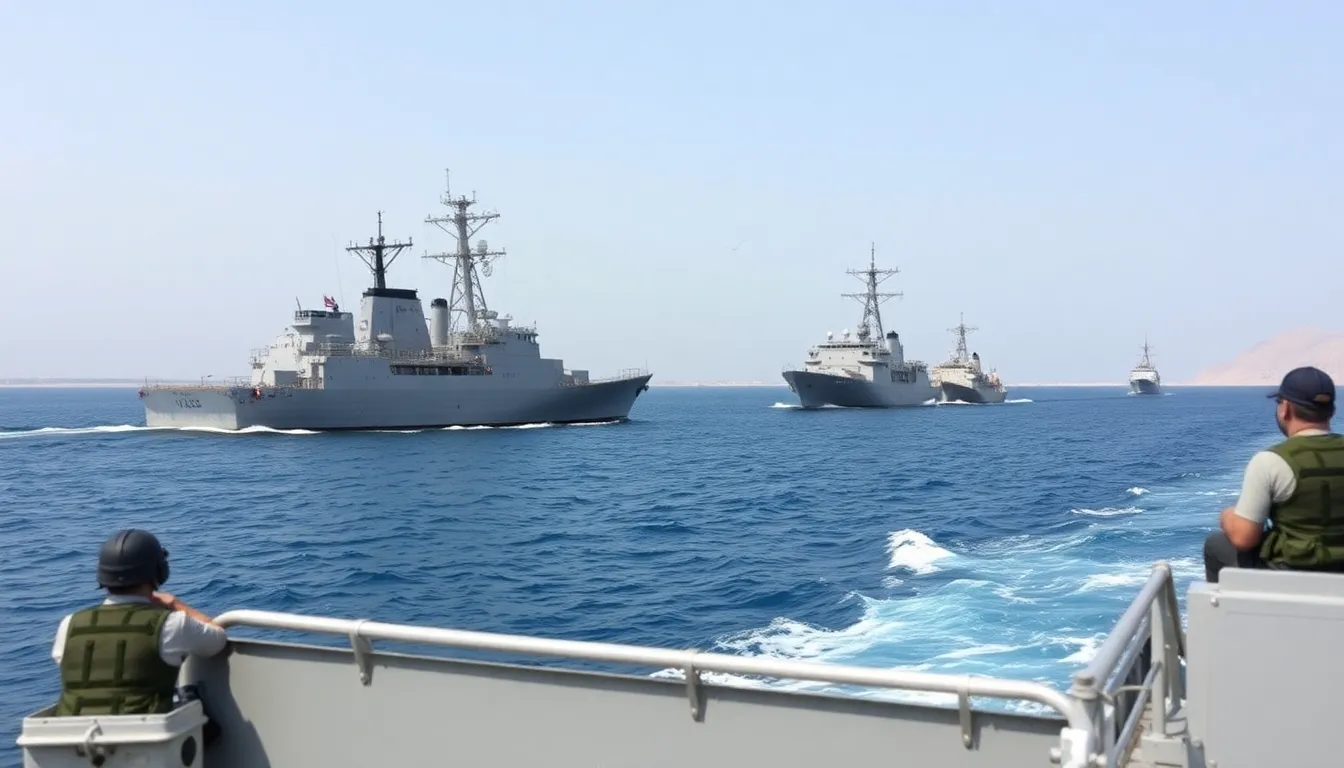
In the late 20th century, the Iran-Iraq War (1980-1988) highlighted the vulnerabilities associated with the strait. Both countries engaged in naval confrontations, which disrupted shipping and raised international concerns about oil supplies. This conflict set a precedent for the militarization of the region and increased foreign naval presence, particularly from the United States, aimed at ensuring safe passage for commercial vessels.
Fast forward to the 21st century, rising tensions between Iran and Western nations, particularly the United States, have led to a series of incidents and threats regarding the closure of the strait. The U.S. withdrawal from the Iran nuclear deal in 2018 intensified these tensions, with Iran threatening to block the strait in response to sanctions that have severely impacted its economy. This ongoing conflict has created an atmosphere of uncertainty that could disrupt not only oil shipments but also the broader supply chains for essential goods.
Impact on Global Supply Chains
The potential closure of the Hormuz Strait would have far-reaching implications beyond oil. Key commodities, including food, medicines, and electronics, rely on the shipping routes that traverse this narrow passage. Countries in the Gulf region, particularly those that import a large portion of their food and medical supplies, would face immediate shortages. Furthermore, the global supply chain for smartphones and other electronics, which often involves parts sourced from multiple countries, would also be severely affected, leading to increased prices and delays in product availability. For more on related technological implications, see our article on Higgs boson breakthrough highlights UK achievements but raises concerns over funding cuts.
Analysis of Stakeholders and Major Concerns
The closure of the Strait of Hormuz has significant implications for various stakeholders, including governments, multinational corporations, and consumers worldwide. The strait is a critical chokepoint for global oil shipments, but its impact extends beyond energy to essential goods such as food, medicines, and consumer electronics like smartphones.
Key stakeholders in this scenario include:
- Governments of oil-exporting nations: Countries like Iran, Saudi Arabia, and the UAE have vested interests in maintaining open shipping lanes to ensure their economies remain stable.
- International shipping companies: These organizations rely on the strait for the efficient transport of goods. A closure could lead to increased shipping costs and delays.
- Global consumers: Individuals relying on imported goods, including food and technology, may face shortages or price hikes due to disrupted supply chains.
- Pharmaceutical companies: The availability of critical medicines could be jeopardized, affecting healthcare systems globally.
- Environmental organizations: Concerns about potential oil spills or environmental damage from military actions in the region could escalate, prompting advocacy for sustainable practices.
Conflicts arise as different stakeholders prioritize their interests. For instance, oil-exporting nations may push for military protection of shipping routes, while environmental groups advocate for diplomatic solutions that avoid escalation. Additionally, the potential for increased shipping costs could lead to trade-offs where consumers bear the burden of higher prices for essential goods.
Legal issues also come into play, particularly concerning international maritime law and the rights of nations to navigate through the strait. Any military intervention could spark disputes over sovereignty and freedom of navigation, complicating the already tense geopolitical landscape.
Economically, the closure of Hormuz could result in a ripple effect, impacting global markets. Prices for oil may spike, leading to inflation in food and consumer goods. This scenario could create a challenging environment for policymakers as they attempt to balance national security concerns with the economic well-being of their citizens. To understand more about current geopolitical scenarios, you can read about experiencing flight without skis.
Potential Impacts on Consumers and Markets
The closure of the Hormuz Strait, a critical chokepoint for global oil and trade, poses significant challenges to various groups, industries, and regions. Consumers around the world could see immediate effects, particularly in the availability and pricing of essential goods such as food, medicines, and smartphones. The ripple effects of this closure could be felt across multiple sectors, impacting both daily life and business operations.
In the short term, food prices may surge due to disrupted supply chains. Countries reliant on imports for staple goods, especially those in the Middle East and parts of Asia, could face shortages. The agricultural sector may also experience increased costs, as transportation becomes more expensive and less reliable.
- Rising food prices affecting low-income households.
- Potential delays in medicine delivery leading to health risks.
- Increased smartphone prices due to supply chain disruptions.
Mid-term impacts could include shifts in policy as governments seek alternative trade routes or increase local production capacities. This may lead to a re-evaluation of international trade agreements and partnerships, particularly for nations heavily reliant on maritime shipping. Businesses may also need to adapt by seeking new suppliers or investing in technology to mitigate delays.
While risks abound, there are potential opportunities as well. Companies that innovate in logistics or local production may find new markets and demand for their services. Additionally, a push for diversification in supply chains could lead to a more resilient global economy in the long run. The situation could encourage investments in alternative energy sources, reducing dependency on oil and fostering sustainability.
A: The closure could disrupt the supply of essential food items, leading to increased prices globally as shipping routes are altered. A: Many medicines are transported through the Hormuz Strait, and disruptions could lead to shortages and higher costs for consumers. A: Yes, as many components for smartphones are shipped through this route, delays could affect production and availability. A: The duration of the impact will depend on the length of the closure and the ability of suppliers to find alternative routes. A: Governments are monitoring the situation closely and may implement measures to stabilize markets and ensure supply.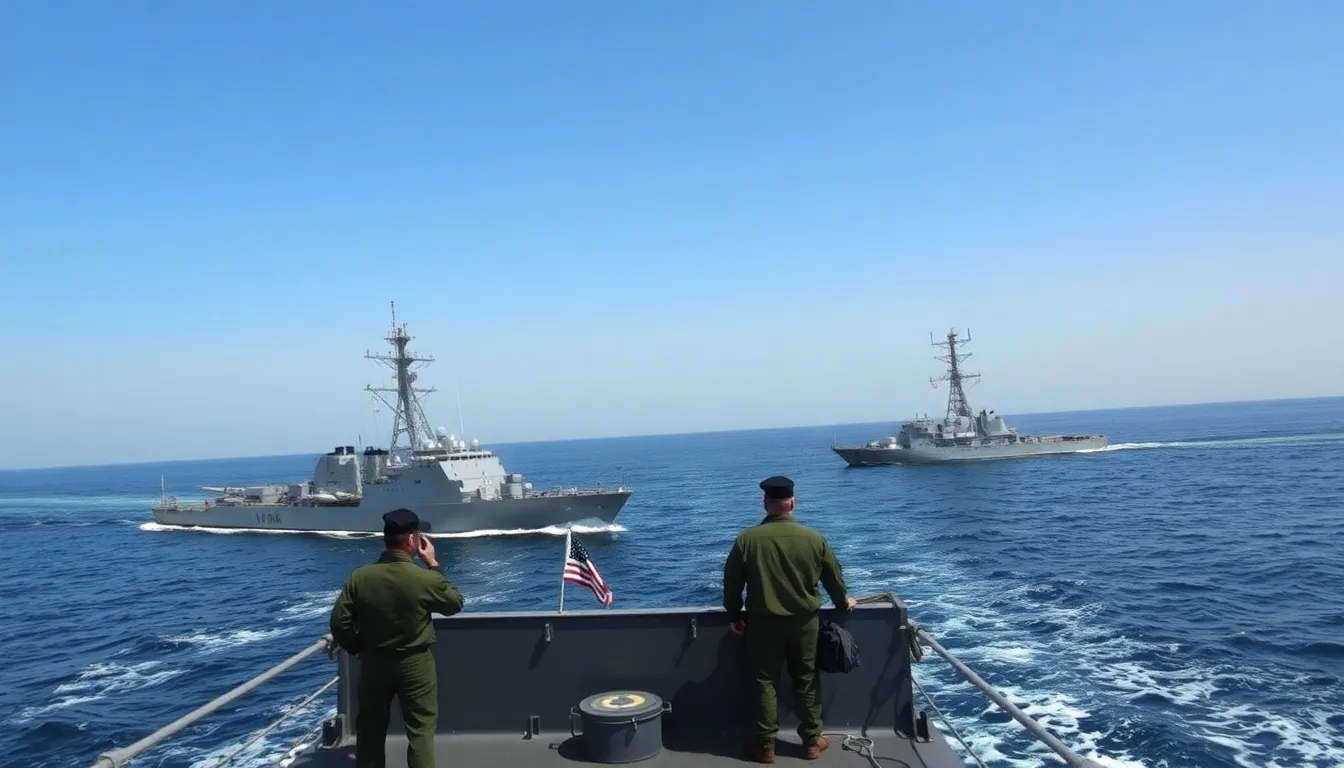
Frequently Asked Questions About the Hormuz Closure
Key Takeaways and Future Outlook on the Situation
The closure of the Hormuz Strait presents significant challenges for global supply chains, particularly in the sectors of food, medicine, and technology. As one of the world’s most critical maritime chokepoints, any disruption here could lead to increased costs and delays in the delivery of essential goods. Stakeholders must remain vigilant as the situation evolves, monitoring both geopolitical developments and market responses.
In the coming months, the interplay between supply chain resilience and geopolitical tensions will be crucial. Companies and consumers alike should prepare for potential volatility in prices and availability of key products. Strategic planning and diversification of supply sources may become essential to mitigate risks associated with this critical maritime route.
- Increased Costs: Expect higher prices for food and medical supplies as shipping routes are disrupted.
- Supply Chain Diversification: Companies may need to explore alternative routes and suppliers to ensure product availability.
- Technological Impact: The smartphone industry could face delays in component deliveries, affecting production timelines.
- Geopolitical Monitoring: Stay informed about diplomatic efforts and military movements in the region that could influence the situation.
- Consumer Behavior: Anticipate shifts in purchasing patterns as consumers react to potential shortages and price increases.