
The National Center of Meteorology in the UAE has issued multiple weather warnings, advising residents to stay indoors during peak storm activity. The rainfall has been particularly intense in areas such as Dubai and Abu Dhabi, where some regions recorded over 100 millimeters of rain within a short period, making it essential to stay updated through reliable sources on weather conditions.
In Saudi Arabia, the storms have also impacted cities like Riyadh and Jeddah, prompting local authorities to activate emergency response measures. The heavy rains have raised concerns about flash floods, especially in low-lying areas, emphasizing the need for preparedness among residents, which can be supported by understanding previous weather events in the region.
This weather pattern is attributed to a combination of seasonal changes and atmospheric conditions that have converged over the Arabian Peninsula. As climate change continues to influence weather events globally, the increasing frequency and intensity of such storms in the region highlight the importance of monitoring and addressing potential impacts, akin to how New Mexico adapted to health coverage challenges.
Understanding the weather patterns leading to the storms
The recent thunderstorms that have drenched the UAE and Saudi Arabia can be traced back to complex meteorological phenomena influenced by both regional and global climatic conditions. The Arabian Peninsula is characterized by its arid climate, but it is not immune to seasonal variations that bring sporadic rainfall. Historically, the months of April and May have marked the transition from the cooler winter months to the intense summer heat, often leading to the development of convective storms.
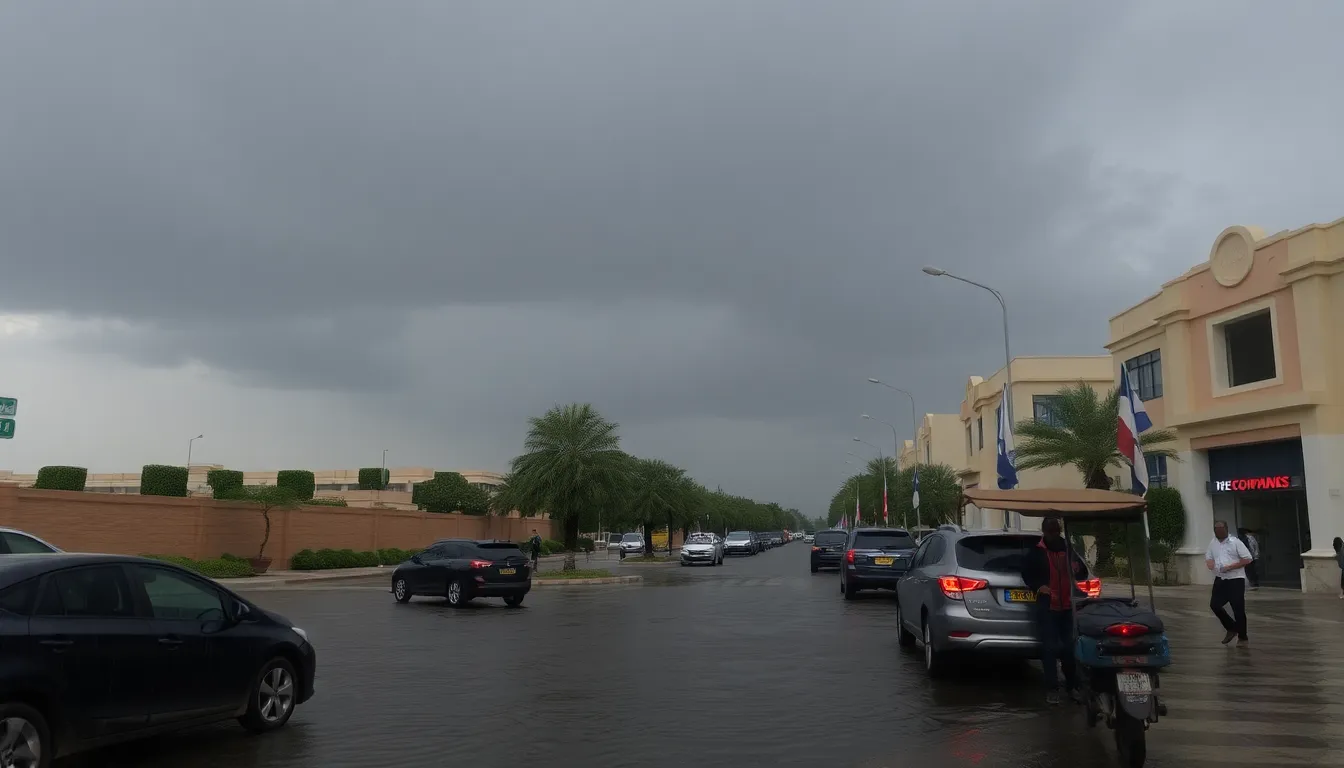
In recent years, climate change has altered traditional weather patterns, resulting in more intense and unpredictable weather events. The warming of the Arabian Sea has contributed to increased moisture levels in the atmosphere, which, when combined with rising temperatures, creates ideal conditions for thunderstorms. This phenomenon has been observed more frequently, raising concerns about the implications for water resources and agricultural practices in the region.
Historical context of rainfall in the region
Historically, the Gulf region has experienced cycles of drought and rainfall, with significant events recorded over the decades. For instance, the 1990s saw a notable increase in rainfall, which was attributed to the El Niño phenomenon. Such historical patterns are essential to understanding the current weather events, as they highlight the variability and unpredictability of rainfall in an otherwise dry landscape.
Economically, the reliance on oil and gas exports has often overshadowed the importance of sustainable water management in the Gulf countries. However, the increasing frequency of thunderstorms and the accompanying rainfall could provide a temporary reprieve from water scarcity, emphasizing the need for effective water conservation strategies. As the region grapples with the dual challenges of climate change and economic diversification, understanding these weather patterns becomes crucial for future planning.
Socially, the impact of these thunderstorms extends beyond agriculture and water supply. Communities in both the UAE and Saudi Arabia are becoming more aware of the implications of weather events on their daily lives. Infrastructure, housing, and emergency services must adapt to these changing weather patterns, as the frequency and intensity of storms pose significant challenges to urban planning and disaster preparedness.
Key stakeholders and their responses to the weather events
The recent thunderstorms impacting the UAE and Saudi Arabia have drawn attention from various stakeholders, each with distinct interests and concerns. Government agencies, emergency services, local businesses, and environmental organizations are all involved in addressing the immediate challenges posed by the severe weather conditions.
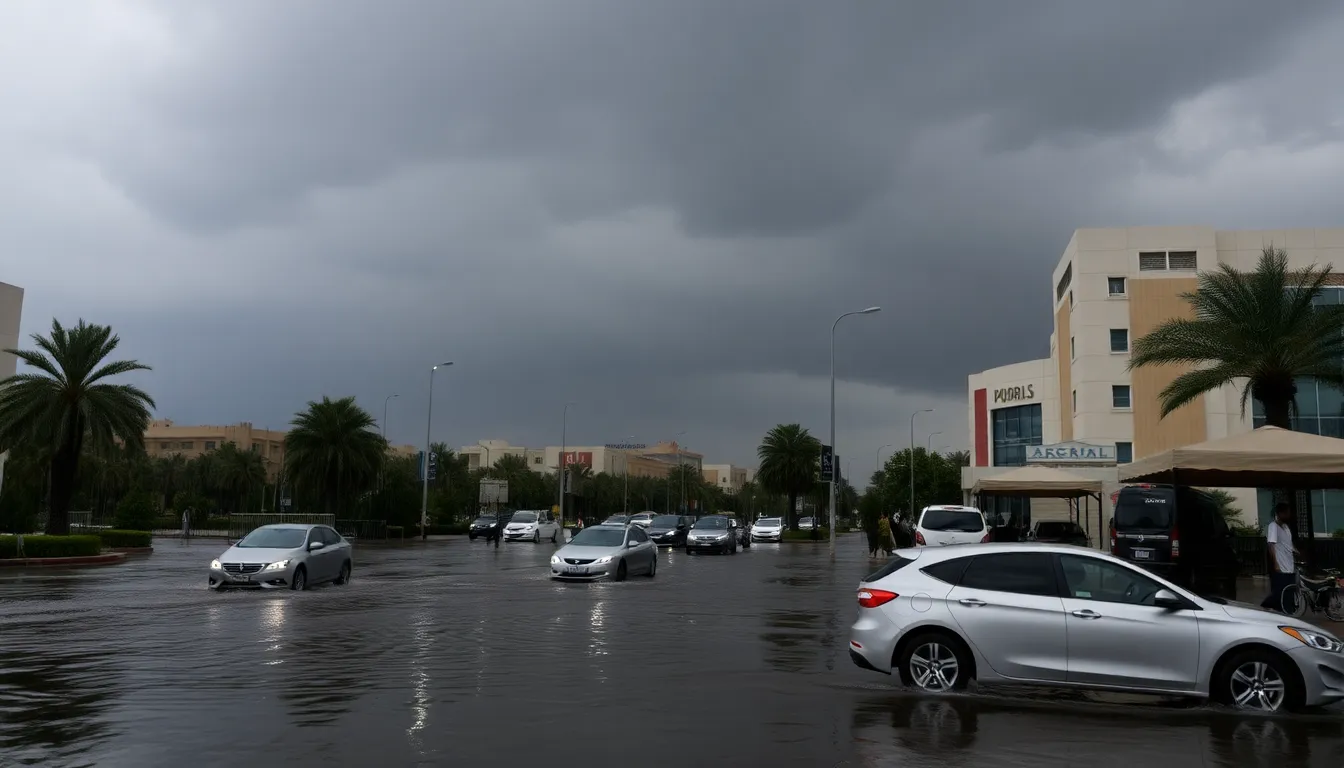
Governments in both countries are primarily focused on public safety and infrastructure resilience. The National Center of Meteorology in the UAE and the Saudi Arabian Meteorological Authority are actively monitoring weather patterns and issuing warnings to minimize risks to citizens. Their efforts aim to ensure that emergency services are prepared to respond effectively, which is crucial in mitigating the impact of flooding and other related hazards.
Local businesses, particularly those in sectors such as construction and tourism, face significant disruptions due to the weather. The heavy rainfall can lead to project delays and damage to property, impacting revenue and employment. In response, some businesses are advocating for improved drainage systems and infrastructure investments to better cope with future weather events.
- Environmental Organizations: These groups are concerned about the implications of climate change on weather patterns and advocate for sustainable practices.
- Insurance Companies: They are assessing the potential financial impact of the storms on claims and payouts, which could lead to increased premiums for policyholders.
- Community Leaders: They play a vital role in disseminating information and coordinating local responses to ensure that vulnerable populations receive the necessary support.
Conflicts may arise between the need for immediate disaster response and long-term planning for climate resilience. While governments prioritize short-term safety measures, environmental advocates emphasize the importance of addressing underlying issues related to climate change. Balancing these interests will be crucial as both nations navigate the aftermath of the storms and prepare for future weather challenges.
Effects of the storms on daily life and infrastructure
The recent thunderstorms affecting the UAE and Saudi Arabia have significant implications for various groups and industries. Residents in urban areas, particularly those in low-lying regions, are experiencing disruptions due to flooding, which poses immediate risks to safety and mobility. Infrastructure such as roads, bridges, and public transport systems is under strain, leading to delays and potential hazards for commuters.
Key industries such as agriculture, tourism, and construction are also feeling the impact. Farmers may face crop damage due to heavy rainfall and flooding, which could affect food supply and prices in the short term. The tourism sector, particularly in coastal areas, may see a decline in visitors as adverse weather conditions deter travel plans. Construction projects may be delayed, leading to increased costs and extended timelines.
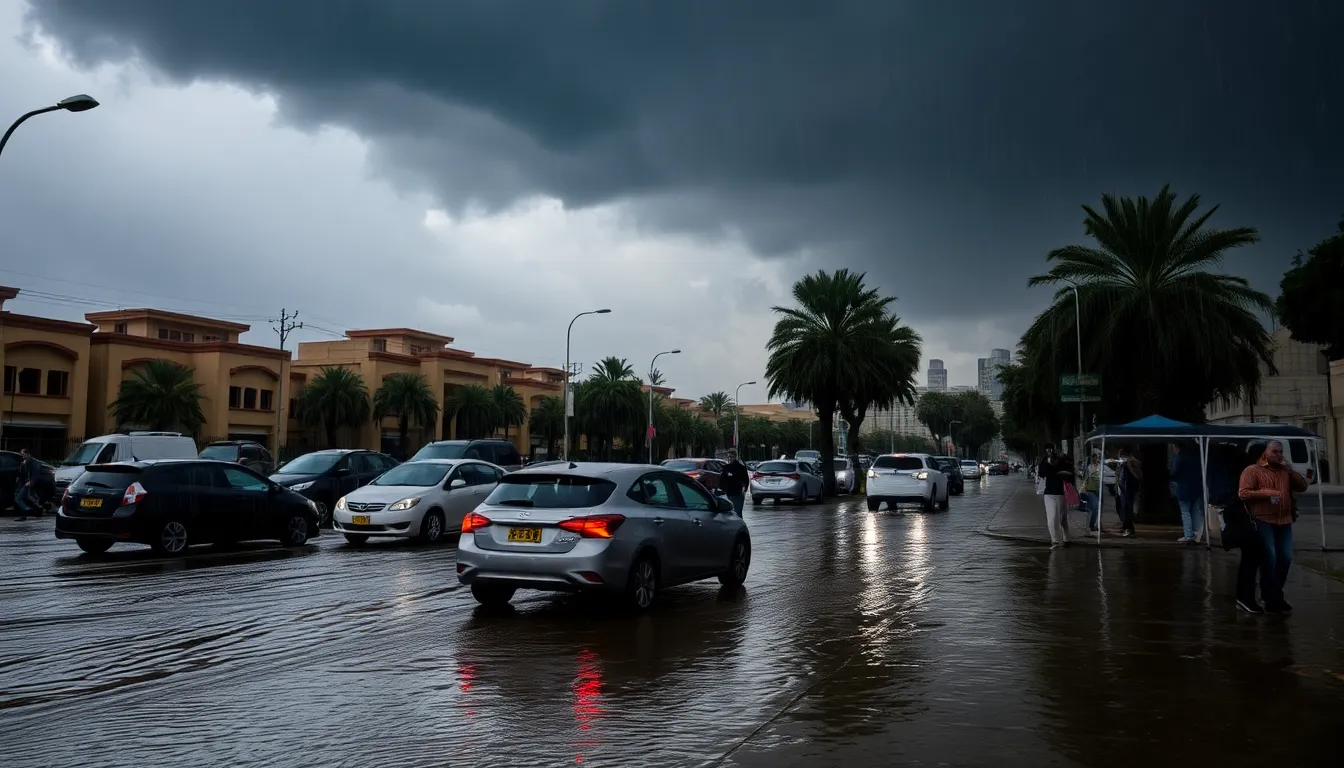
In the short term, the storms could lead to increased insurance claims as businesses and homeowners seek to recover from damages. This may prompt insurance companies to reassess their risk models for future weather events. In the mid-term, there may be a push for improved infrastructure resilience, leading to policy changes that prioritize flood management and disaster preparedness.
- Disruption of daily commuting and transport services
- Potential crop damage affecting food supply
- Decline in tourism impacting local economies
- Increased insurance claims and financial strain on businesses
- Opportunities for infrastructure upgrades and disaster preparedness initiatives
While the immediate risks are significant, there are potential opportunities for innovation in weather forecasting and emergency response strategies. Companies specializing in weather-resistant construction materials or flood management solutions may find new markets as the region adapts to changing climate conditions. Additionally, community engagement in disaster preparedness can foster resilience and enhance public safety in the face of future storms.
A: The thunderstorms have primarily impacted urban areas in the UAE and Saudi Arabia, including major cities like Dubai and Riyadh, where heavy rainfall has caused flooding. A: Meteorologists predict that the thunderstorms may continue for several days, with varying intensity throughout the week. A: Residents are advised to stay indoors during severe weather, avoid driving in flooded areas, and stay updated with local weather alerts. A: Yes, many flights have been delayed or canceled, and road conditions have worsened, leading to traffic disruptions in several regions. A: Local authorities are actively working to clear drainage systems and provide assistance to affected residents while monitoring the weather closely.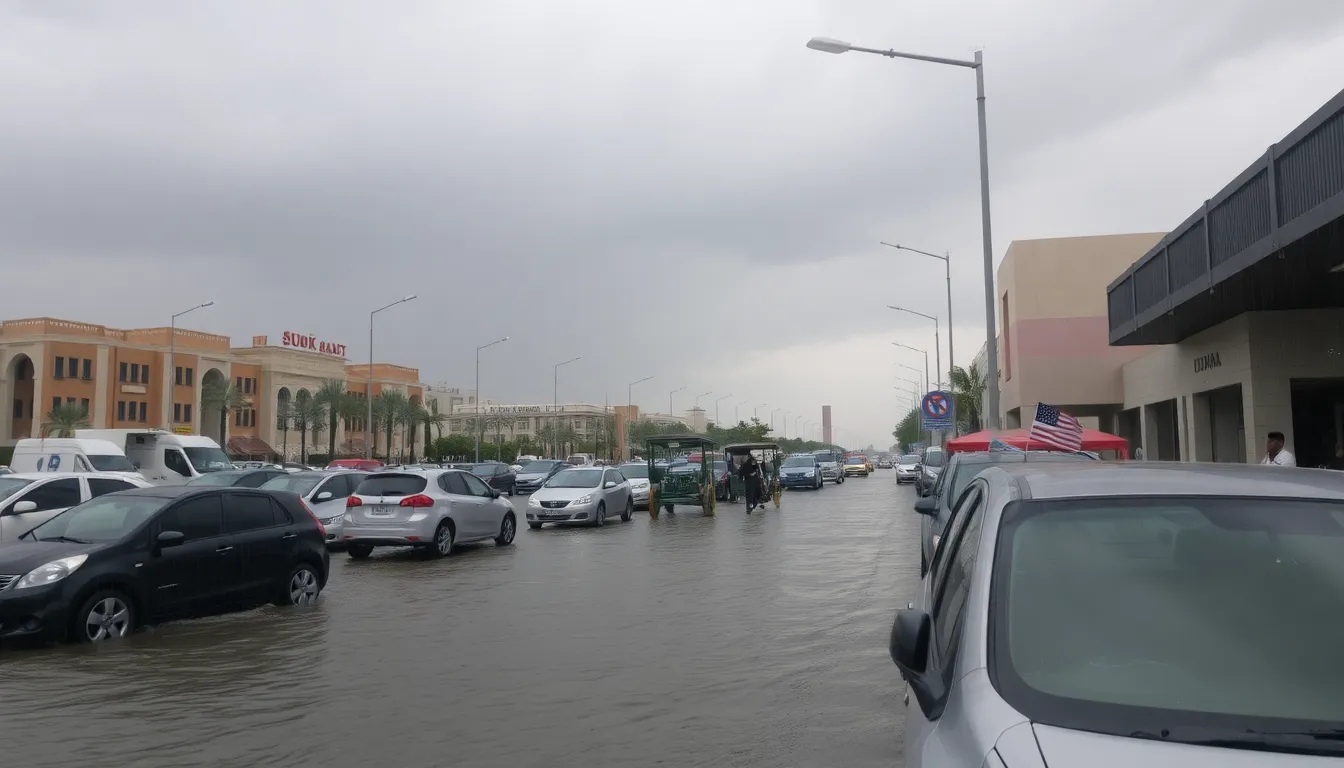
Frequently asked questions about the thunderstorms
Looking ahead: Future weather predictions and implications
The recent thunderstorms that have impacted the UAE and Saudi Arabia serve as a reminder of the region’s vulnerability to extreme weather events. As climate patterns continue to shift, the frequency and intensity of such storms may increase, leading to significant implications for infrastructure, agriculture, and daily life. Understanding these changes is crucial for effective preparedness and response strategies.
Looking forward, stakeholders in both countries should focus on enhancing weather monitoring systems and improving infrastructure resilience to mitigate the effects of severe weather. Additionally, public awareness campaigns can play a vital role in ensuring that communities are informed and ready to respond to future weather events.
- Infrastructure investment: Prioritize upgrades to drainage and stormwater management systems to handle increased rainfall.
- Agricultural adaptation: Implement strategies for crop resilience against heavy rainfall and potential flooding.
- Public awareness: Enhance community education on emergency preparedness and response to severe weather events.
- Collaboration efforts: Foster regional cooperation on weather tracking and disaster response initiatives.
- Long-term planning: Integrate climate change considerations into urban planning and development policies.