
Viewers have responded positively to the series, with many expressing a desire to escape the pressures of urban life and reconnect with nature. The program features interviews with park rangers and conservationists who discuss the ongoing challenges these areas face, including climate change and over-tourism, making the issues feel immediate and relevant. For more on environmental challenges, check out our article on Melanie Martinez and climate change.
As the series progresses, it has sparked conversations about mental health and well-being, emphasizing the therapeutic benefits of spending time outdoors. This has resonated particularly with audiences during a time when many are seeking solace from the stresses of modern life, making the show not just a visual feast but also a source of inspiration.
Moreover, the series has prompted discussions among policymakers and conservation groups about the future of national parks in the UK. With increased public interest, there is potential for greater investment in conservation efforts and infrastructure, which could lead to improved visitor experiences and enhanced protection for these vital ecosystems.
Understanding the significance of Britain’s national parks
Britain’s national parks hold a unique place in the country’s cultural and natural heritage, representing a commitment to preserving stunning landscapes and biodiversity for future generations. Established primarily in the mid-20th century, these parks were born out of a growing awareness of the need to protect the countryside from the pressures of industrialization and urban expansion. The National Parks and Access to the Countryside Act of 1949 marked a significant milestone, laying the groundwork for the creation of these protected areas. To learn about how these parks are influenced by broader policies, read about the Higgs boson breakthrough and funding concerns.
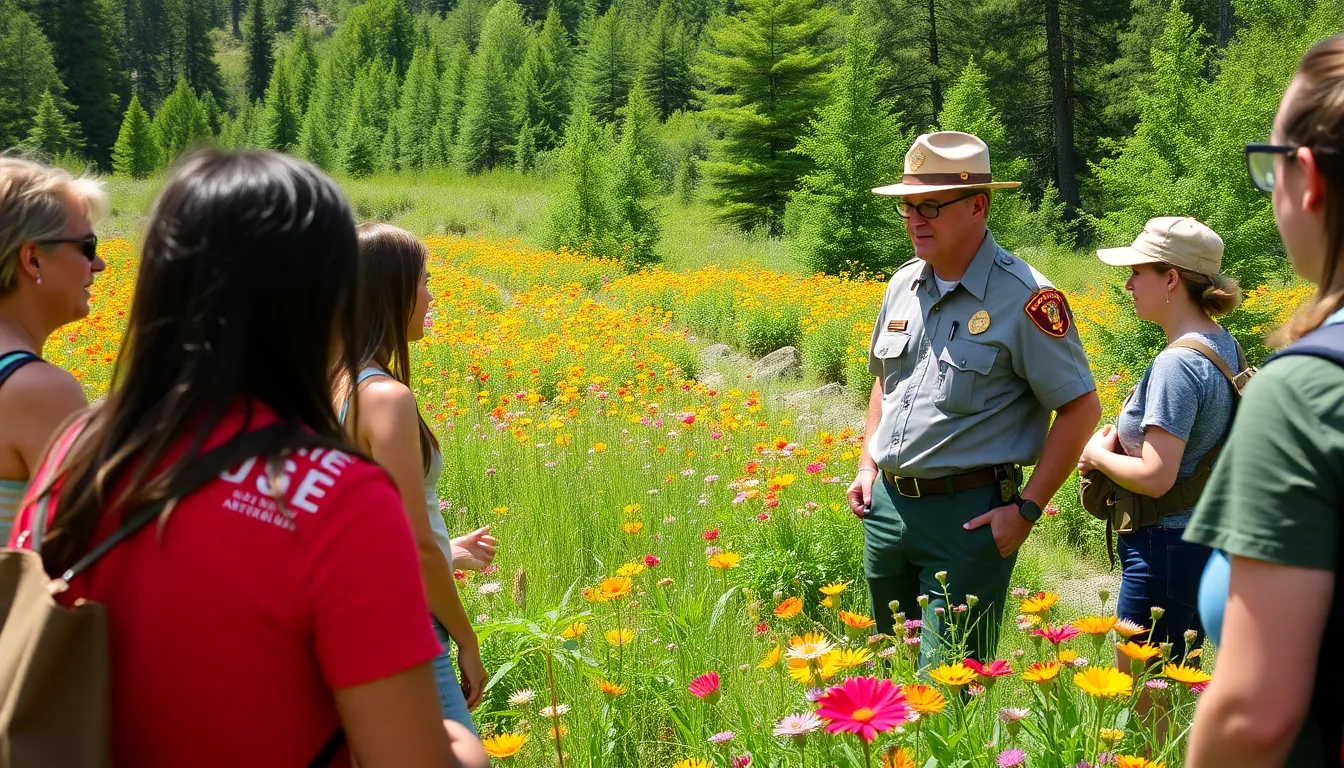
Historically, the movement to create national parks in Britain was influenced by various social and political factors. The aftermath of World War II sparked a desire for a return to nature and a simpler way of life, as many sought solace in the beauty of the countryside. This period also saw the rise of environmentalism, with activists advocating for the protection of natural spaces against encroaching development. The establishment of the first national parks, such as the Lake District and Snowdonia, reflected these changing attitudes towards land use and conservation.
Economically, national parks have become vital to local communities, providing opportunities for tourism and outdoor recreation. The influx of visitors to these areas generates significant revenue, supporting local businesses and promoting sustainable development. However, this economic benefit has also led to challenges, including the need to balance conservation efforts with the demands of tourism. The ongoing debate over land use, agricultural practices, and visitor management continues to shape the future of these cherished landscapes.
The role of media in shaping perceptions
Television programs, like ‘Inside Britain’s National Parks’, play a crucial role in shaping public perceptions of these natural spaces. By showcasing the beauty and serenity of the parks, such programs inspire viewers to reconnect with nature and consider the importance of conservation. They also highlight the challenges faced by these areas, such as climate change and habitat loss, fostering a greater understanding of the need for sustainable practices. As audiences engage with these narratives, they are encouraged to reflect on their own relationship with the environment, often leading to a desire for a more fulfilling and nature-oriented lifestyle. For more insights into how art influences environmental awareness, see our piece on Nepal’s new prime minister from the music industry.
Key themes and messages presented in the series
The review of ‘Inside Britain’s National Parks’ highlights a variety of stakeholders involved in the management and preservation of these natural landscapes. Key actors include government bodies, conservation organizations, local communities, and tourists, each with distinct interests that can sometimes conflict.
One of the primary stakeholders is the UK government, which plays a crucial role in establishing policies and funding for national parks. Their interest lies in promoting tourism and economic growth while ensuring environmental protection. However, this often leads to trade-offs between development and conservation, raising questions about sustainable practices.
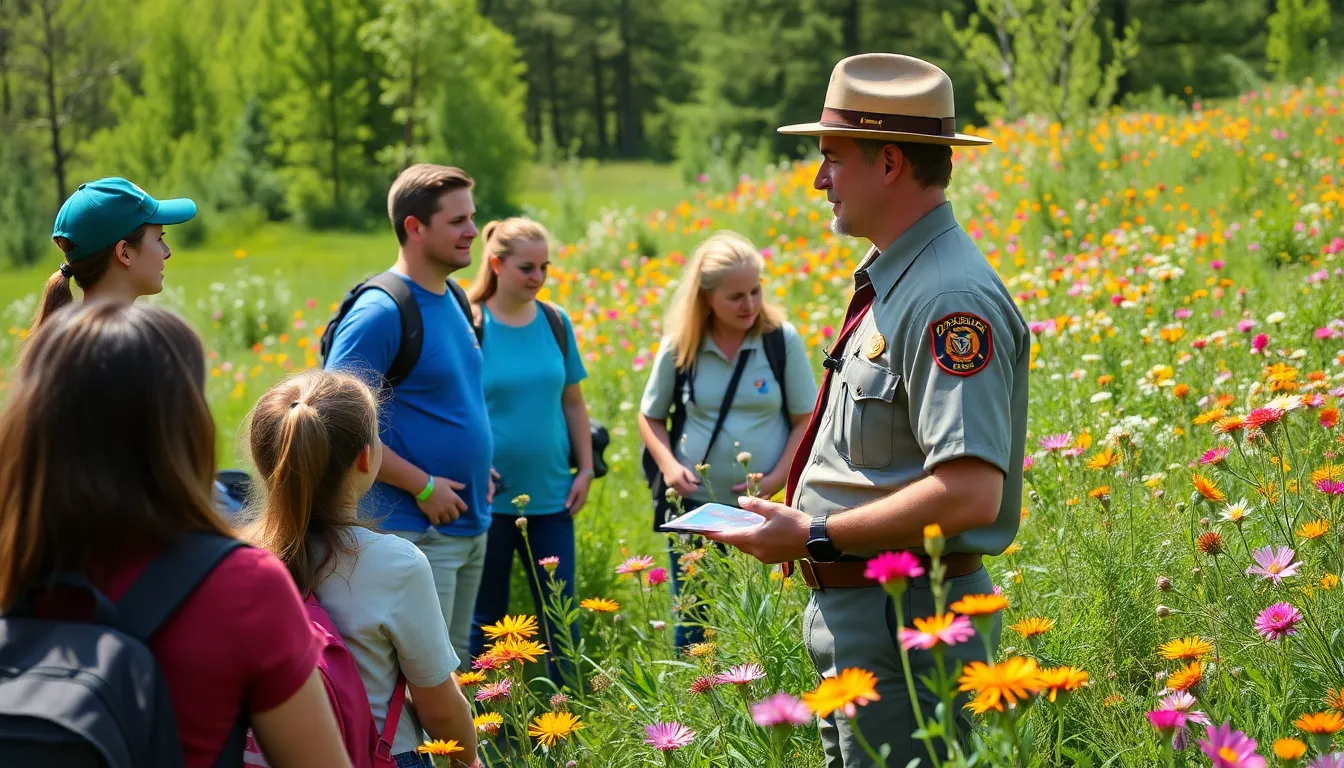
Conservation organizations, such as the National Trust and the Royal Society for the Protection of Birds, advocate for the protection of natural habitats and wildlife. Their goals often clash with economic interests, particularly when it comes to land use for agriculture or tourism. This tension is a central theme in the series, as it showcases the delicate balance required to maintain biodiversity while accommodating human activity.
- Tourism vs. Conservation: The influx of visitors can generate revenue but may also lead to environmental degradation.
- Local Communities: Residents often seek to benefit economically from national parks, creating conflicts with conservation efforts.
- Legal Framework: Existing laws may not adequately address the evolving challenges faced by national parks, necessitating reforms.
- Climate Change: The series emphasizes the impact of climate change on natural landscapes and the importance of adaptive management strategies.
Ultimately, the series presents a multifaceted view of the challenges facing Britain’s national parks, encouraging viewers to consider the broader implications of their preservation and the diverse interests at play.
How the series influences public perception of nature
The review of ‘Inside Britain’s National Parks’ highlights the profound impact that nature-focused media can have on various groups and industries. Viewers are increasingly drawn to the serene landscapes and the simplicity of life portrayed in the series, which may influence their lifestyle choices and consumer behaviors.
One of the most affected groups is the tourism industry, particularly in regions surrounding national parks. As the series showcases the beauty of these areas, there is a potential surge in visitors seeking to experience the tranquility and natural wonders themselves. This could lead to increased revenue for local businesses, such as hotels, restaurants, and outdoor activity providers.
However, this influx of visitors also presents risks. Overcrowding in popular spots can lead to environmental degradation and strain on local resources. Communities may need to implement policies to manage visitor numbers, ensuring that the natural beauty that attracts tourists is preserved for future generations.
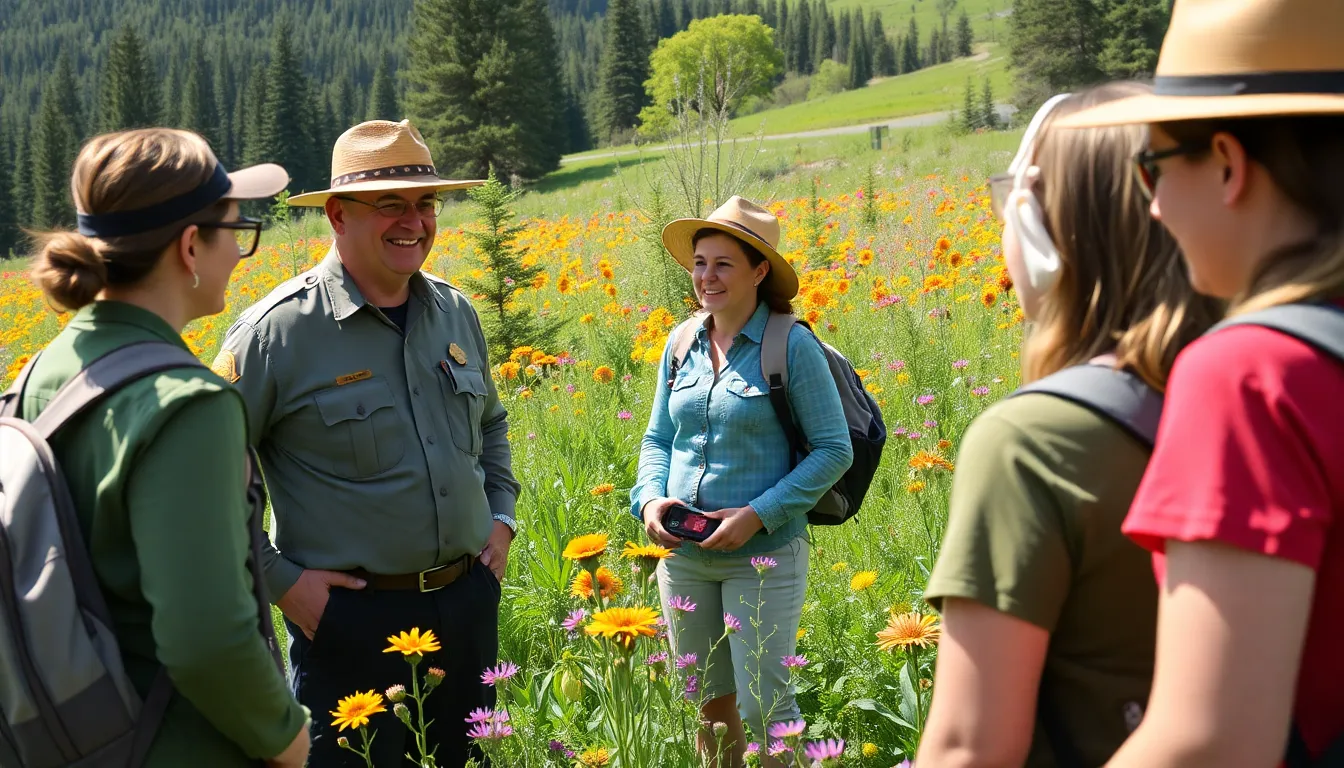
In the short term, local economies could benefit from increased tourism, but in the mid-term, there may be a need for more sustainable practices to balance economic growth with environmental conservation. This could lead to opportunities for businesses that focus on eco-friendly practices and promote responsible tourism.
- Increased tourism revenue for local businesses.
- Potential environmental risks due to overcrowding.
- Opportunities for eco-friendly tourism initiatives.
- Community engagement in conservation efforts.
A: Inside Britain’s National Parks is a television series that explores the beauty and diversity of the UK’s national parks, highlighting their natural wonders and the importance of conservation. A: The series is narrated by well-known presenters who guide viewers through the stunning landscapes and share insightful stories about the parks and their ecosystems. A: The series is available on various streaming platforms and may also be broadcast on television networks that feature nature documentaries. A: This series uniquely combines breathtaking visuals with personal stories and experiences, encouraging viewers to connect emotionally with nature and consider their own happiness. A: Yes, the series emphasizes the importance of protecting natural habitats and promotes awareness about environmental issues affecting national parks.
Frequently asked questions about the series
Final thoughts on the series and its broader implications
The recent review of ‘Inside Britain’s National Parks’ highlights the profound impact that nature and outdoor living can have on our mental well-being. As viewers are drawn into the serene landscapes and the simplicity of life within these parks, the series invites a collective reflection on our own lifestyles and the often overwhelming demands of modern life. It serves as a reminder of the importance of reconnecting with nature as a pathway to happiness and fulfillment.
As we navigate a world increasingly dominated by technology and urbanization, the insights gleaned from this series may inspire individuals to seek balance and prioritize time spent in natural settings. This shift in perspective could lead to broader societal changes, encouraging more people to embrace outdoor activities and advocate for the preservation of natural spaces.
- Consider incorporating regular outdoor activities into your routine to enhance mental well-being.
- Support initiatives aimed at preserving natural parks and promoting access to green spaces.
- Reflect on personal values and priorities, potentially leading to a lifestyle more aligned with nature.
- Engage with community programs that encourage outdoor exploration and education.
- Stay informed about the environmental impact of urbanization and advocate for sustainable practices.