
Current guidelines recommend the MenB vaccine primarily for infants and certain at-risk groups, but teenagers, who are also vulnerable to this disease, are left unprotected. This gap in vaccination strategy has sparked debate among public health experts, who argue that adolescents should be included in the vaccination schedule to prevent potential outbreaks, as highlighted in discussions surrounding related public health policies. The Joint Committee on Vaccination and Immunisation (JCVI) has yet to make a definitive recommendation regarding the inclusion of teenagers.
In recent months, several advocacy groups have called for a review of the vaccination policy, citing evidence from studies that indicate the effectiveness of the MenB vaccine in older age groups. They emphasize that the teenage years are critical for developing immunity against various infections, including meningococcal disease. With the current increase in reported cases, the urgency for reevaluating the vaccination strategy has become more pronounced.
The lack of a comprehensive vaccination program for teenagers not only poses a public health risk but also raises questions about the equity of healthcare access in the UK. Parents and health advocates are increasingly vocal about the need for proactive measures to safeguard the health of young people. As discussions continue, the future of MenB vaccination for teenagers remains a key issue in public health policy.
Background on MenB Vaccine and Its Availability
The MenB vaccine, designed to protect against meningococcal disease caused by serogroup B bacteria, has been a topic of considerable debate in the UK since its introduction. Initially, the vaccine was rolled out to infants under the age of one in 2015 as part of the national immunisation programme, primarily due to the high incidence of MenB infections in this age group. However, the absence of a routine vaccination program for teenagers has raised questions about the long-term effectiveness of the current strategy, similar to those observed in other health intervention strategies.
Historically, meningococcal disease has been a significant public health concern in the UK. Before the introduction of the MenB vaccine, the UK experienced outbreaks that led to severe health implications, including long-term disabilities and fatalities among young people. The decision to limit the vaccine’s availability to infants was influenced by factors such as the cost-effectiveness of the vaccine, the epidemiological data available at the time, and the need to prioritize resources within the National Health Service (NHS).
Political and Economic Considerations
Political decisions surrounding vaccine availability often involve complex economic evaluations. The Joint Committee on Vaccination and Immunisation (JCVI) assesses the cost-effectiveness of vaccines before recommending them for inclusion in the NHS immunisation schedule. In the case of the MenB vaccine, the JCVI concluded that while it was beneficial for infants, extending the vaccination to teenagers did not meet the threshold for cost-effectiveness based on the data available at the time. This has led to ongoing discussions about whether the vaccine should be offered to older adolescents, particularly in light of rising infection rates in this demographic.
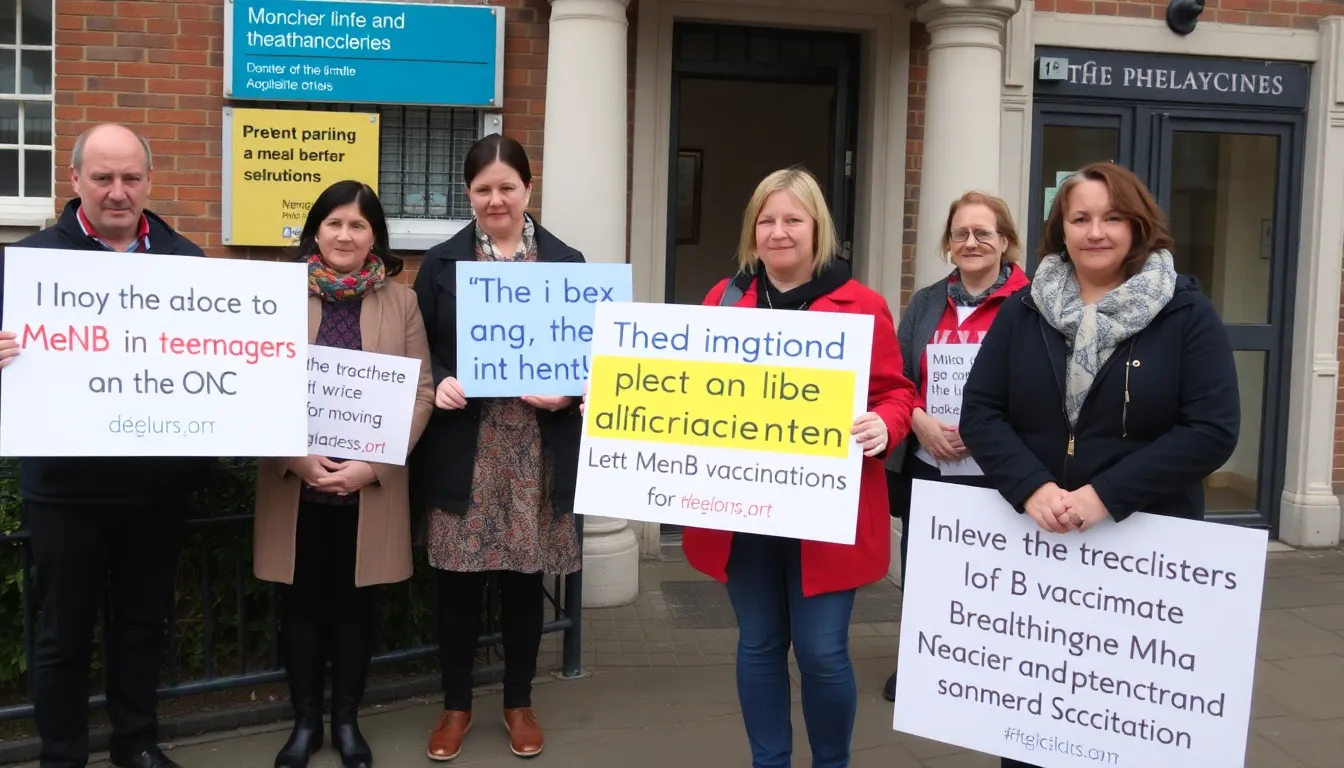
Social factors also play a critical role in the discourse surrounding the MenB vaccine. Many parents and health advocates have voiced concerns about the lack of vaccination for teenagers, particularly with increasing reports of MenB cases among adolescents. Advocacy groups argue that the current strategy may leave a vulnerable population unprotected, emphasizing the need for a reevaluation of vaccination policies to ensure comprehensive protection against meningococcal disease across all age groups.
Key Stakeholders and Issues Surrounding MenB Vaccination
The debate over the MenB vaccine for teenagers in the UK involves multiple stakeholders, each with distinct interests and concerns. Key actors include public health organizations, government health agencies, parents, and advocacy groups. Understanding their perspectives is essential for analyzing the broader implications of the vaccination policy.
Public health organizations, such as the National Health Service (NHS) and Public Health England, prioritize the reduction of meningococcal disease incidence. Their interest lies in promoting vaccines that are deemed effective and safe for the population. However, these organizations face challenges in balancing limited resources and prioritizing which vaccines to offer, especially when considering cost-effectiveness and public health impact.
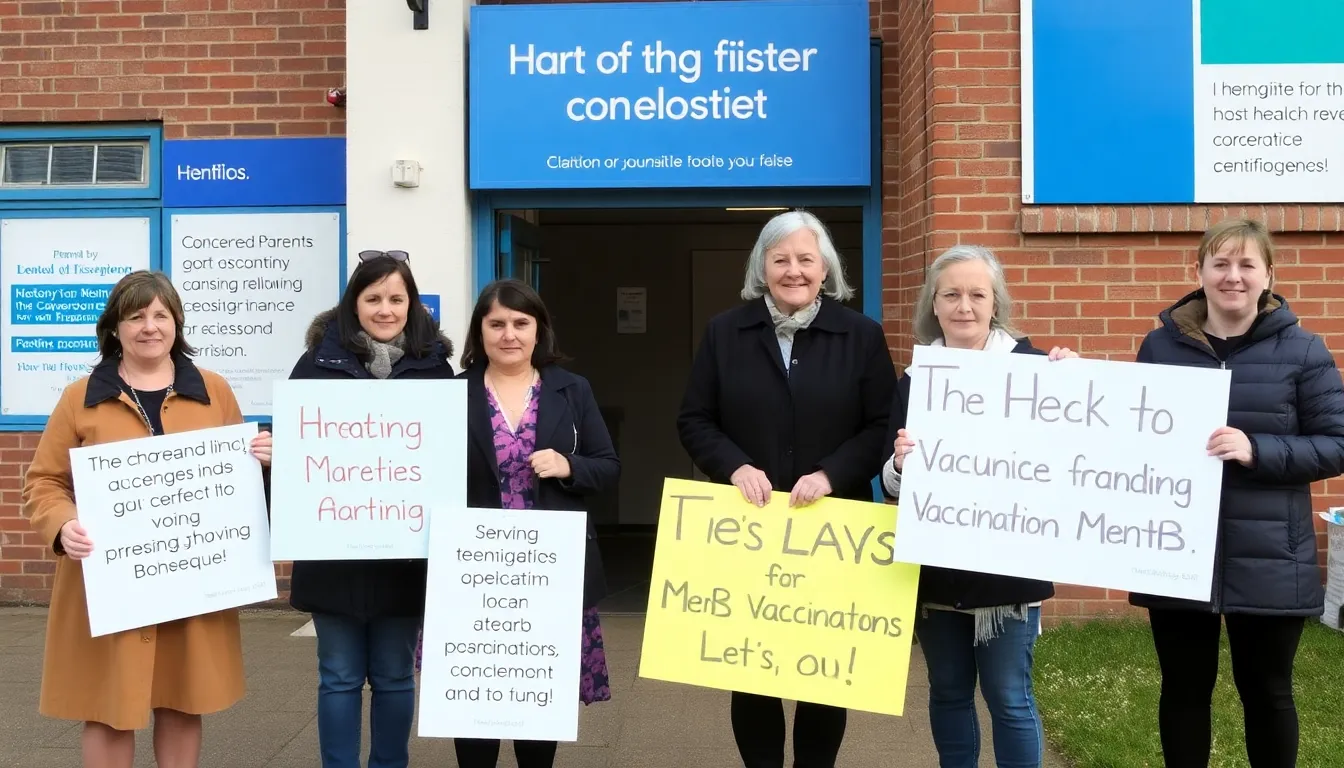
Parents of teenagers represent another crucial stakeholder group. Many parents are concerned about the health risks associated with meningitis and the potential benefits of vaccination. However, there is a divide among parents regarding the necessity of the MenB vaccine for older adolescents, particularly as they weigh the vaccine’s availability against potential side effects and the overall risk of contracting the disease.
Additionally, advocacy groups play a significant role in raising awareness and influencing public opinion on the necessity of the MenB vaccine. These organizations often push for policy changes, citing the importance of protecting vulnerable populations, such as teenagers who are at increased risk of MenB infection, much like the discussions observed in political debates surrounding health policies. Their efforts can lead to heightened public pressure on government agencies to reconsider vaccination policies.
- Cost-Effectiveness: The economic implications of introducing the MenB vaccine for teenagers must be evaluated against potential healthcare savings from preventing severe cases of meningitis.
- Public Perception: The general perception of the MenB vaccine’s safety and efficacy can influence vaccination rates and policy decisions.
- Legal Framework: The existing legal and regulatory frameworks governing vaccination programs may impact the ability to implement changes in vaccination schedules.
- Health Equity: Ensuring equitable access to the MenB vaccine for all teenagers, regardless of socioeconomic status, is a critical issue that needs addressing.
Impact of Not Vaccinating Teenagers Against MenB
The decision not to offer the MenB vaccine to teenagers in the UK primarily affects adolescents, their families, and the broader healthcare system. Teenagers, who are at a critical age for social interactions and increased risk of meningococcal infections, face heightened vulnerability without this vaccination. Parents and guardians are also impacted, as they must navigate the risks associated with potential outbreaks and the emotional toll of illness in their children.
In terms of industries, the healthcare sector may experience increased pressure due to potential outbreaks of MenB, leading to higher hospitalization rates and increased healthcare costs. Schools and universities could also be affected, as outbreaks may lead to temporary closures or increased absenteeism, disrupting education and impacting academic performance.
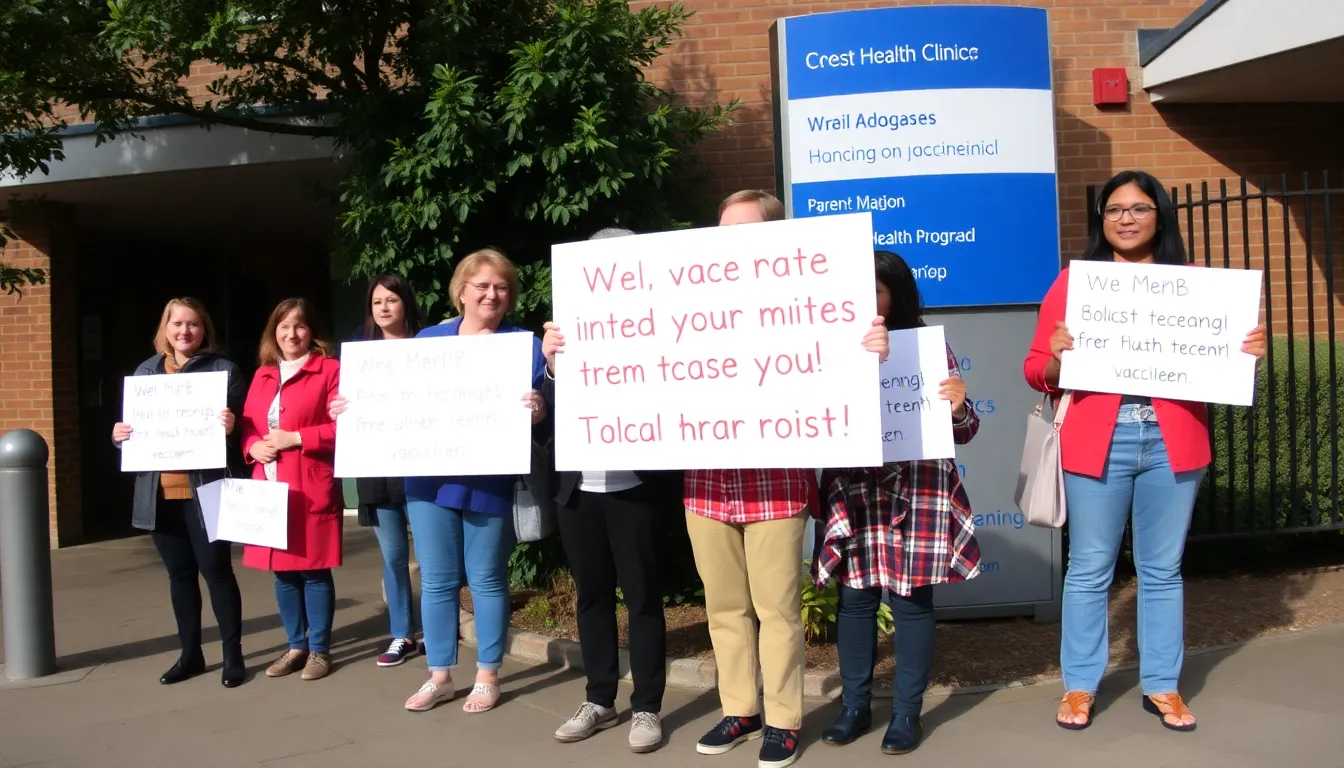
Short-term impacts include heightened anxiety among parents regarding their children’s health and safety. The lack of vaccination can lead to outbreaks, which can strain local healthcare resources and lead to emergency responses. Mid-term impacts may involve policy discussions around vaccine availability and public health strategies, as well as potential shifts in public opinion regarding vaccination programs.
- Increased risk of MenB outbreaks among teenagers.
- Higher healthcare costs due to treatment and hospitalizations.
- Potential disruptions in educational settings.
- Emotional and financial strain on families.
While the risks are significant, there are potential opportunities for public health advocacy and awareness campaigns. Engaging communities in discussions about the importance of vaccinations can lead to increased support for future vaccine programs. Additionally, pharmaceutical companies may see a market opportunity in developing and promoting vaccines tailored for this age group, leading to innovations in preventive healthcare.
A: The MenB vaccine is not routinely offered to teenagers in the UK due to cost-effectiveness assessments and the perceived lower risk of the disease in this age group compared to younger children. A: Offering the MenB vaccine to teenagers could significantly reduce the incidence of meningococcal disease, which can lead to severe health complications and even death. A: Yes, several countries, including parts of the United States and Australia, offer the MenB vaccine to teenagers as part of their immunization programs. A: Meningococcal disease can cause severe infections, including meningitis and septicemia, which can lead to long-term health issues or be fatal if not treated promptly. A: Parents can advocate by discussing the importance of the vaccine with healthcare providers, joining support groups, and raising awareness in their communities.
Frequently Asked Questions About MenB Vaccination
Key Takeaways and Future Outlook on MenB Vaccination
The discussion surrounding the MenB vaccine for teenagers in the UK highlights a complex interplay of public health policy, vaccine efficacy, and the evolving landscape of infectious diseases. While the vaccine is currently not offered to this age group, ongoing research and surveillance of meningococcal disease trends may influence future recommendations. Understanding the implications of these decisions is crucial for parents, healthcare providers, and policymakers alike.
As awareness of MenB and its potential impact on adolescents grows, it is essential to consider the balance between individual protection and community immunity. The vaccination landscape may shift as new evidence emerges, prompting a reevaluation of current practices and potentially leading to expanded vaccination programs.
- Monitoring trends in meningococcal disease among teenagers will be vital in assessing the need for MenB vaccination in this demographic.
- Increased public awareness campaigns could play a significant role in informing parents about the risks of MenB and the benefits of vaccination.
- Healthcare providers should stay updated on the latest research and guidelines to effectively counsel families regarding MenB vaccination.
- Future policy decisions may hinge on cost-effectiveness analyses and the burden of disease data, potentially reshaping vaccination strategies.
- Engagement with advocacy groups may foster a more robust dialogue about the importance of MenB vaccination for teenagers.