
In addition to the new gecko species, the research team documented various other organisms, including unique insects and plants, further illustrating the caves’ ecological value.
The discoveries come at a time when Cambodia faces increasing threats to its natural habitats due to deforestation and climate change, making the need for effective conservation strategies ever more urgent.
Local conservation groups are now advocating for increased protections for these caves, which are home to species that may be endemic to the region. The findings may influence future policies aimed at preserving biodiversity in Cambodia, emphasizing the need for sustainable practices that balance development and conservation.
Understanding the significance of limestone caves in Cambodia
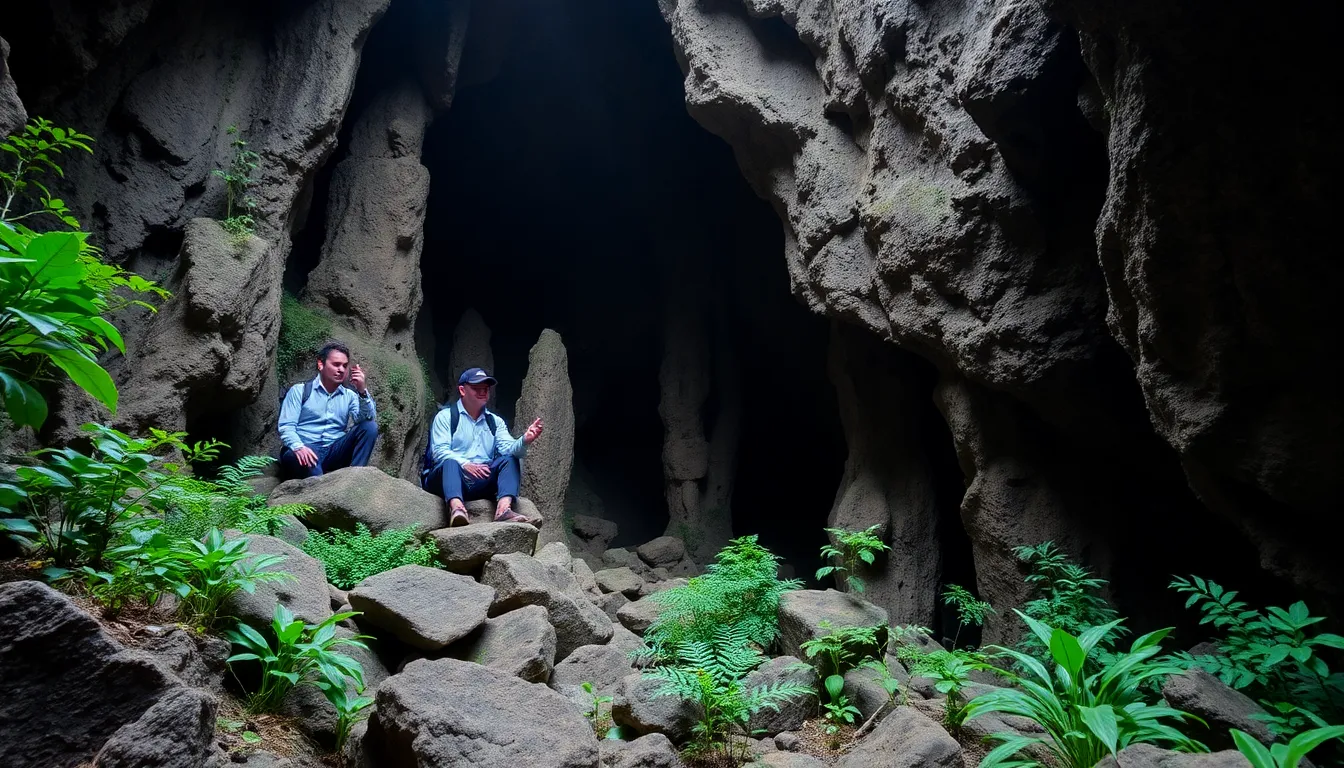
Limestone caves in Cambodia are not only geological marvels but also rich ecosystems that harbor unique biodiversity. These caves have formed over millions of years through the dissolution of soluble rocks, creating intricate networks that provide habitats for various species, including the recently discovered geckos. The significance of these caves extends beyond their natural beauty; they are crucial for understanding the ecological history of the region and the evolutionary processes that have shaped its fauna.
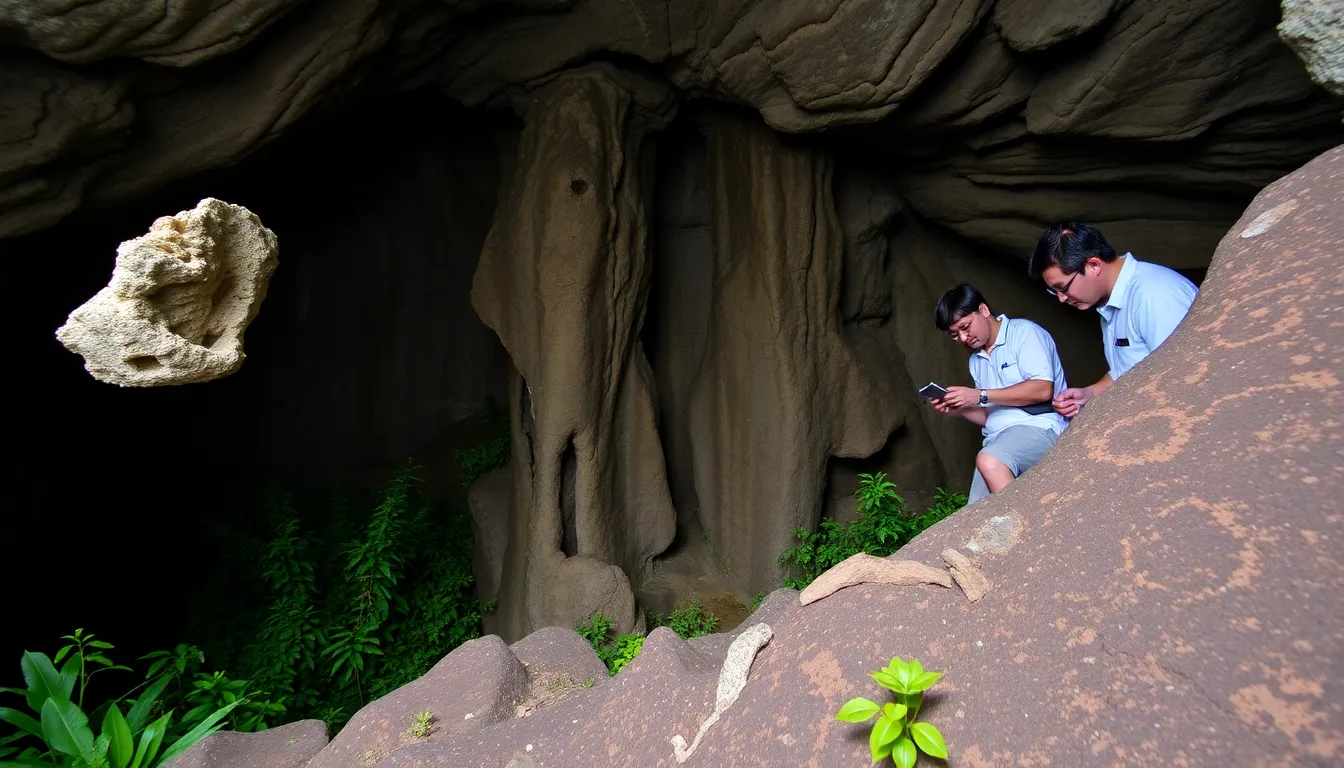
Historically, Cambodia’s limestone formations have been of interest to both scientists and conservationists. The country’s diverse topography, combined with its tropical climate, creates ideal conditions for a wide range of flora and fauna. However, the exploration of these caves has often been overshadowed by political and economic turmoil, particularly during the Khmer Rouge regime in the 1970s, which led to a significant loss of biodiversity and disruption of scientific research.
In recent years, as Cambodia has stabilized politically and economically, there has been a renewed interest in biodiversity conservation. This shift has been marked by efforts from both local and international organizations to document and protect the country’s unique wildlife. The discovery of new species, such as the three geckos found in the limestone caves, highlights the importance of ongoing research and conservation initiatives in understanding and preserving Cambodia’s natural heritage.
The Role of Conservation Efforts
Conservation efforts in Cambodia have gained momentum due to increasing awareness of environmental issues and the need for sustainable development. Organizations are working to promote the preservation of habitats, including limestone caves, which are often threatened by mining and deforestation. These efforts not only aim to protect existing species but also to uncover and study new ones, contributing to the global understanding of biodiversity and the impacts of climate change.
Exploring the implications of new species on conservation efforts
The discovery of three new gecko species in Cambodia’s limestone caves has significant implications for various stakeholders, including local communities, conservation organizations, and government agencies. Each of these actors has unique interests that may align or conflict with one another, influencing the future of biodiversity in the region.
Local communities often rely on the natural resources surrounding them for their livelihoods. The presence of newly identified species can enhance ecotourism opportunities, providing economic benefits. However, increased tourism may also lead to habitat degradation if not managed properly. Balancing economic growth with environmental sustainability is a key challenge.
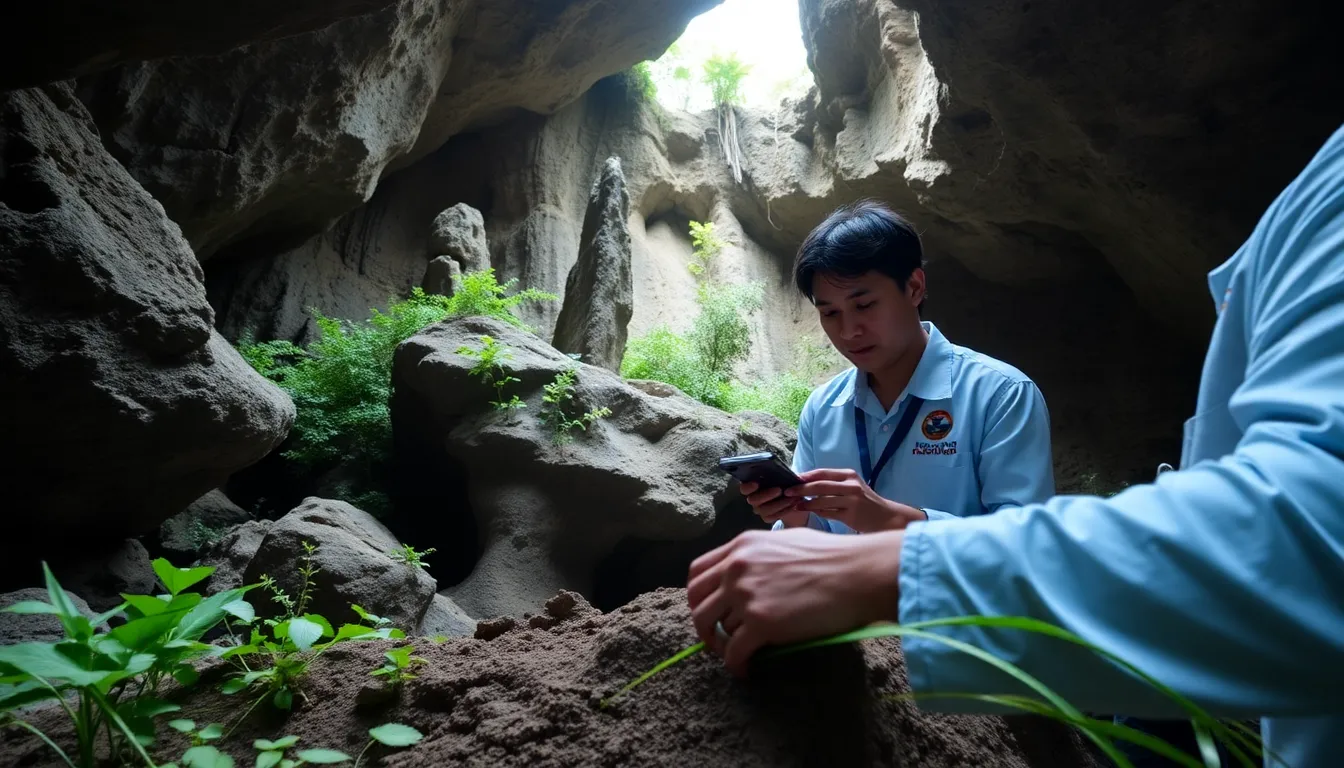
Conservation organizations are particularly invested in protecting these newly discovered geckos and their habitat. They advocate for the establishment of protected areas and sustainable practices to ensure the survival of these species. However, these efforts may face opposition from industries such as mining or agriculture, which may see conservation measures as a hindrance to economic development.
- Legal Issues: The need for updated environmental regulations to protect newly discovered species.
- Economic Trade-offs: Weighing the benefits of ecotourism against potential environmental impacts.
- Community Engagement: Involving local populations in conservation efforts to ensure their support and participation.
- Government Policies: The role of government in balancing development and conservation interests.
- Research Funding: Securing financial resources for ongoing studies and conservation programs.
In summary, the discovery of these geckos opens up a complex dialogue among stakeholders, highlighting the need for collaborative approaches to conservation that consider both ecological and economic dimensions.
Effects of new discoveries on local ecosystems and research
The discovery of three new gecko species in Cambodia’s limestone caves has significant implications for various groups, including local communities, researchers, and conservationists. These findings highlight the ecological richness of the region, drawing attention to the need for sustainable practices that protect these unique habitats.
Local communities may experience both challenges and opportunities as a result of these discoveries. Increased interest in biodiversity can lead to eco-tourism, providing new revenue streams. However, there is also a risk that heightened tourism could strain local resources and disrupt traditional ways of life.
For researchers and conservationists, these findings present an opportunity to deepen our understanding of biodiversity and the evolutionary processes that shape it. This can lead to increased funding for conservation efforts and research initiatives aimed at protecting these newly discovered species and their habitats.
- Short-term impacts: Increased awareness and funding for conservation efforts.
- Mid-term impacts: Potential growth in eco-tourism and related businesses.
- Risks: Environmental degradation due to tourism and habitat disruption.
- Opportunities: Strengthened conservation policies and community engagement in sustainable practices.
Overall, the discovery of these geckos not only enhances our scientific knowledge but also underscores the importance of balancing economic development with ecological preservation in Cambodia’s limestone caves.
A: The three new gecko species have been named after their unique characteristics and the locations where they were found, contributing to the understanding of biodiversity in the region. A: Limestone caves provide unique habitats that support various species, including those that are endemic and endangered, making them crucial for conservation efforts. A: Discovering new species can lead to increased awareness and funding for conservation initiatives, highlighting the importance of protecting these fragile ecosystems. A: The research was conducted by a team of biologists and conservationists specializing in herpetology, who collaborated with local organizations in Cambodia. A: In addition to the new geckos, researchers also discovered several other species, including unique insects and plants that thrive in the cave environment.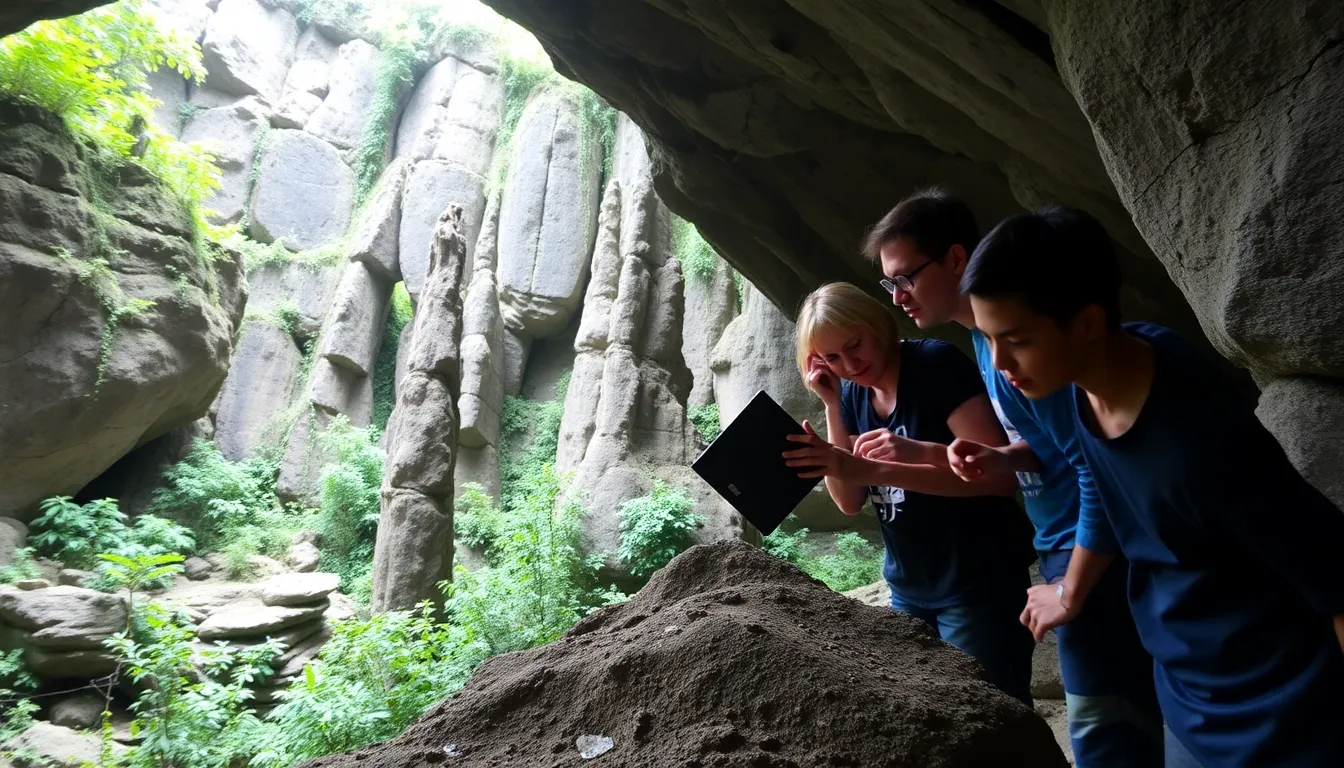
Frequently asked questions about the new gecko discoveries
Key insights and future directions for research and conservation
The discovery of three new gecko species in Cambodia’s limestone caves highlights the rich biodiversity that remains to be explored in this region. These findings not only contribute to our understanding of evolutionary processes but also emphasize the urgent need for conservation efforts in fragile ecosystems. As researchers continue to uncover the hidden treasures of these caves, it becomes increasingly clear that protecting such habitats is vital for preserving unique species and their ecological roles.
Future research should focus on the ecological interactions within these caves, as well as the potential impacts of climate change and human activities on these delicate environments. Collaborative efforts between scientists, conservationists, and local communities will be essential in ensuring the survival of these newly discovered species and their habitats.
- Increased biodiversity awareness: The discovery of new species can drive public interest and funding for conservation initiatives.
- Conservation priorities: Identifying critical habitats for protection will be essential to safeguard these species and their ecosystems.
- Research collaboration: Engaging local communities and international researchers can enhance conservation strategies and biodiversity studies.
- Monitoring ecological health: Establishing long-term monitoring programs will help assess the impacts of environmental changes on these species.