
In 2022, the International Union for Conservation of Nature (IUCN) reported that nearly one-third of all migratory fish species are now at risk of extinction. This alarming trend has sparked concern among conservationists, scientists, and policymakers, who recognize the essential role these fish play in aquatic ecosystems and their importance to human livelihoods. The loss of migratory fish can disrupt food webs and negatively impact local economies dependent on fishing, as highlighted in discussions about sustainable practices.
Efforts to address this crisis have gained momentum in recent months, with various stakeholders advocating for stronger regulations and conservation initiatives. In June 2023, a coalition of environmental organizations launched a campaign aimed at raising awareness and pushing for the establishment of protected migratory corridors. These corridors are critical for the survival of many species, allowing them to migrate freely between spawning and feeding grounds, which is a core focus of the conservation initiatives.
As international attention turns to the plight of migratory fish, some countries are beginning to implement measures to safeguard these species. For instance, the European Union has proposed new fishing quotas and habitat restoration projects to support declining fish populations. However, the effectiveness of these initiatives remains to be seen, as ongoing challenges such as illegal fishing and pollution continue to threaten the recovery of migratory fish.
Understanding the factors contributing to population decline
The decline in migratory fish populations has been a growing concern over the past few decades, driven by a combination of historical, political, and economic factors. Historically, overfishing has played a significant role in depleting these populations. Species such as salmon, herring, and eel have been heavily targeted due to their commercial value. This exploitation has been exacerbated by advancements in fishing technology, which have made it easier to catch large quantities of fish, often without regard for sustainability.
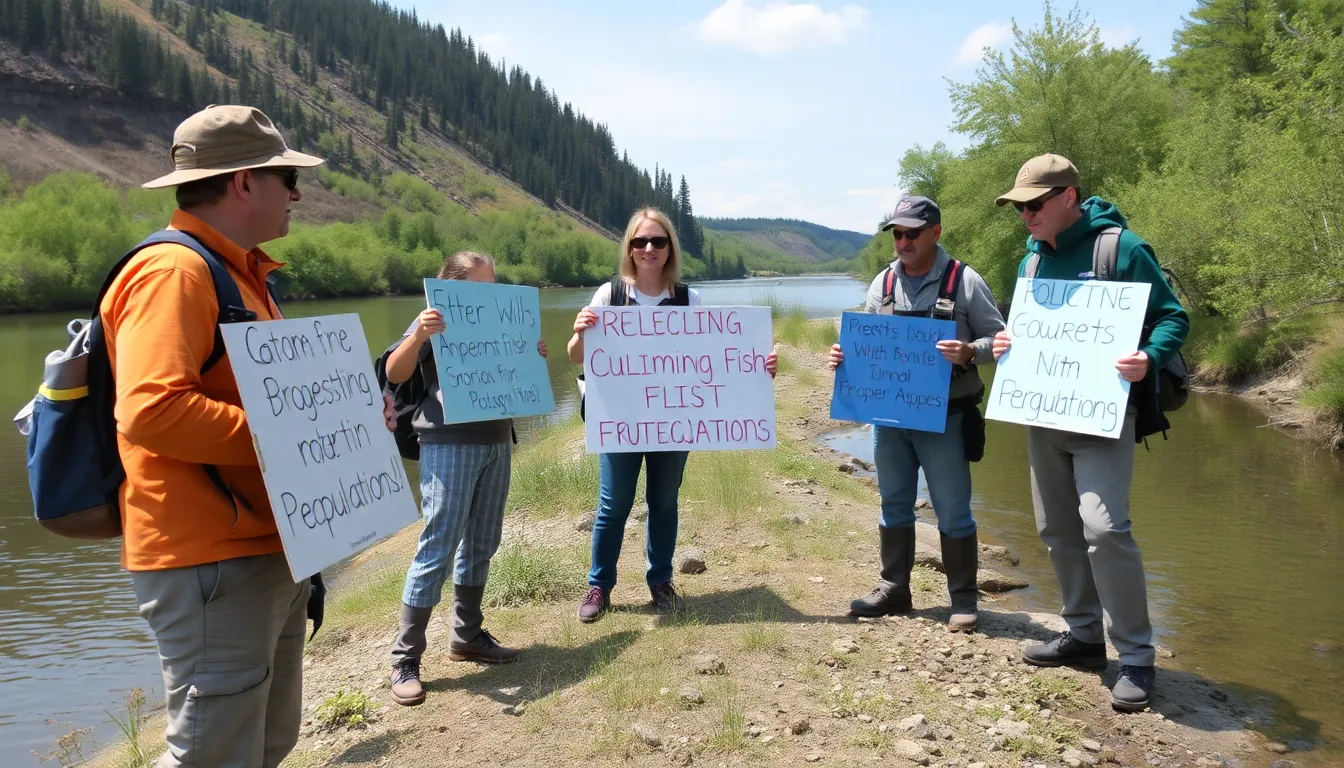
Politically, the governance of fisheries has often been fragmented, with multiple jurisdictions managing overlapping waters. This has led to inconsistent regulations and enforcement, allowing overfishing to continue unchecked in some areas. International agreements aimed at protecting migratory fish species have faced challenges, as countries prioritize their own economic interests over collective conservation efforts. The lack of a unified approach has resulted in a patchwork of protections that are often inadequate to address the scale of the problem, as seen in wider discussions about economic impacts.
Economically, the demand for fish has surged, driven by both domestic consumption and global markets. In many regions, fish is a primary source of protein, and the economic benefits derived from fishing industries have led to increased pressure on fish stocks. As populations decline, the race to catch the remaining fish intensifies, perpetuating a cycle of depletion. This has significant implications not only for the fish populations themselves but also for communities that rely on fishing for their livelihoods.
Key Milestones in Conservation Efforts
Over the years, various milestones have marked the struggle for the protection of migratory fish populations. The establishment of the Magnuson-Stevens Fishery Conservation and Management Act in the United States in 1976 aimed to prevent overfishing and rebuild depleted stocks. Similarly, the Convention on the Conservation of Migratory Species of Wild Animals, adopted in 1979, sought to protect migratory species across international borders. However, despite these initiatives, enforcement remains a significant challenge, and many species continue to face the threat of extinction.
Key stakeholders and their roles in fish conservation
The decline in migratory fish populations has drawn attention from various stakeholders, each with distinct interests and responsibilities. These actors include governmental bodies, environmental organizations, fishing industries, and local communities. Understanding their roles is essential to grasp the complexities of the ongoing fight for fish protection.
Government agencies, such as the National Oceanic and Atmospheric Administration (NOAA) in the United States, play a crucial role in regulating fish populations and enforcing conservation measures. Their interest lies in balancing ecological sustainability with economic activities, such as commercial and recreational fishing. Conflicts often arise when regulations are perceived as too restrictive by the fishing industry, which argues that such measures could threaten livelihoods.

Environmental organizations, like the World Wildlife Fund (WWF) and Oceana, advocate for stronger protections for migratory fish species. They emphasize the ecological importance of these fish for maintaining healthy aquatic ecosystems. These organizations often engage in lobbying efforts aimed at influencing policy decisions and raising public awareness about the threats faced by migratory fish. However, their initiatives can sometimes clash with the economic interests of the fishing industry and local communities that depend on these resources.
Local fishing communities are also key stakeholders, as their livelihoods are directly tied to fish populations. They often face trade-offs between sustainable fishing practices and immediate economic needs. The decline in fish populations can lead to a loss of income, prompting calls for more sustainable practices that may initially seem economically disadvantageous. This creates a complex dynamic where community interests must be weighed against broader conservation goals.
- Government regulations may limit fishing quotas to protect declining species.
- Environmental groups push for habitat restoration and stricter enforcement of fishing laws.
- Local communities advocate for their economic interests while seeking sustainable practices.
- The fishing industry faces pressure to adapt to changing regulations and public sentiment.
- International treaties may influence national policies on migratory fish conservation.
The effects of declining fish populations on ecosystems and communities
The decline in migratory fish populations has far-reaching effects on various groups, including local fishing communities, commercial fisheries, and conservation organizations. Regions that depend heavily on these fish for their livelihoods are particularly vulnerable, as the loss of fish stocks can lead to economic instability and food insecurity.
In the short term, communities that rely on fishing may experience reduced catches, leading to lower incomes for fishermen and their families. This decline can ripple through local economies, affecting businesses that depend on fishing, such as bait shops, restaurants, and tourism. The loss of migratory fish also disrupts local ecosystems, which can result in increased competition among remaining species and a decline in overall biodiversity.

Mid-term impacts may include changes in policy as governments and organizations push for stricter regulations to protect remaining fish populations. This could lead to increased funding for conservation efforts, but may also result in tensions between conservationists and the fishing industry. Additionally, communities may need to adapt to new fishing practices or diversify their economies, which could create both challenges and opportunities for innovation.
- Economic instability: Reduced income for local fishermen and businesses.
- Food insecurity: Communities facing challenges in accessing affordable fish.
- Policy changes: Potential for stricter regulations and increased conservation efforts.
- Innovation opportunities: New fishing practices and economic diversification.
While the risks are significant, there are also opportunities for communities to engage in sustainable practices and advocate for the protection of migratory fish. By fostering collaboration between stakeholders, including fishermen, conservationists, and policymakers, it is possible to create a more resilient ecosystem that benefits both people and fish populations in the long run.
A: The decline is primarily due to overfishing, habitat loss, pollution, and climate change. These factors disrupt breeding and feeding grounds, leading to reduced populations. A: Local communities that rely on fishing for their livelihoods face economic challenges as fish populations dwindle. This can lead to food insecurity and loss of cultural practices associated with fishing. A: Conservation efforts include establishing protected areas, implementing sustainable fishing practices, and restoring habitats. Advocacy groups are also pushing for stronger regulations. A: Individuals can support sustainable seafood initiatives, reduce plastic use, and participate in local conservation efforts. Awareness and education are key to driving change. A: Yes, there have been successful recovery efforts, such as the restoration of salmon populations in certain rivers through habitat restoration and improved fishing regulations.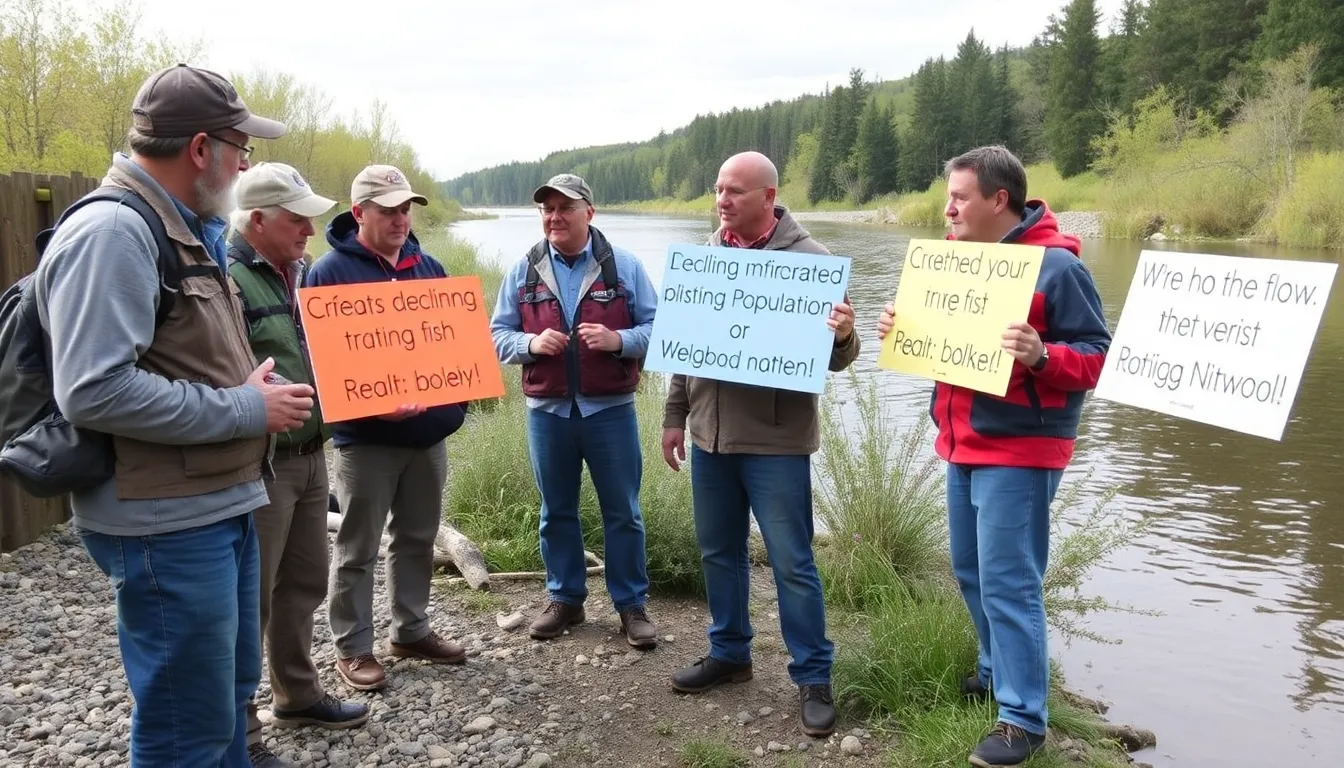
Frequently asked questions about migratory fish protection
Future outlook and key takeaways for fish conservation
The decline in migratory fish populations highlights the urgent need for enhanced conservation measures. As ecosystems become increasingly stressed by human activity and climate change, the survival of these species depends on coordinated efforts across borders. Protecting migratory fish not only preserves biodiversity but also supports the livelihoods of communities that rely on these species for food and economic stability.
Moving forward, stakeholders must prioritize sustainable fishing practices, habitat restoration, and the establishment of protected migratory corridors. The collaboration between governments, NGOs, and local communities will be essential in creating a resilient framework for fish conservation that can adapt to changing environmental conditions.
- Increased advocacy: Expect more grassroots movements pushing for stronger protective legislation for migratory fish.
- Research investment: Continued funding into the ecological roles of migratory fish will be critical for informed policy-making.
- International cooperation: Cross-border initiatives will become increasingly important as fish populations traverse national boundaries.
- Community engagement: Local communities will play a vital role in conservation efforts, necessitating their involvement in decision-making processes.
- Monitoring and enforcement: Enhanced monitoring of fish populations and stricter enforcement of fishing regulations will be essential to reversing population declines.