
This behavior is particularly alarming given the increasing number of traffic accidents attributed to distracted driving. According to the National Highway Traffic Safety Administration, in 2022, nearly 400,000 injuries were reported in crashes involving distracted drivers, with a significant portion involving young adults who often prioritize social media engagement over safe driving practices.
Experts warn that the brief moments spent scrolling through feeds can lead to dangerous outcomes. For instance, a mere five seconds of distraction at 55 mph can result in traveling the length of a football field without looking at the road. This raises critical questions about the responsibility of social media companies and the effectiveness of current educational campaigns aimed at reducing distracted driving.
As the popularity of platforms like TikTok continues to grow, so does the potential for increased distractions on the road. In light of these findings, it is essential for parents, educators, and policymakers to address this issue and promote safer driving habits among young people.
The influence of TikTok on youth behavior
In recent years, TikTok has emerged as a dominant social media platform, particularly among younger demographics. With its short-form video format and algorithm-driven content discovery, TikTok has captivated millions of users, leading to significant changes in how young people interact with technology and consume media. This shift in behavior has raised concerns, particularly regarding distracted driving, as studies indicate that many teens feel compelled to check their TikTok feeds even while behind the wheel.
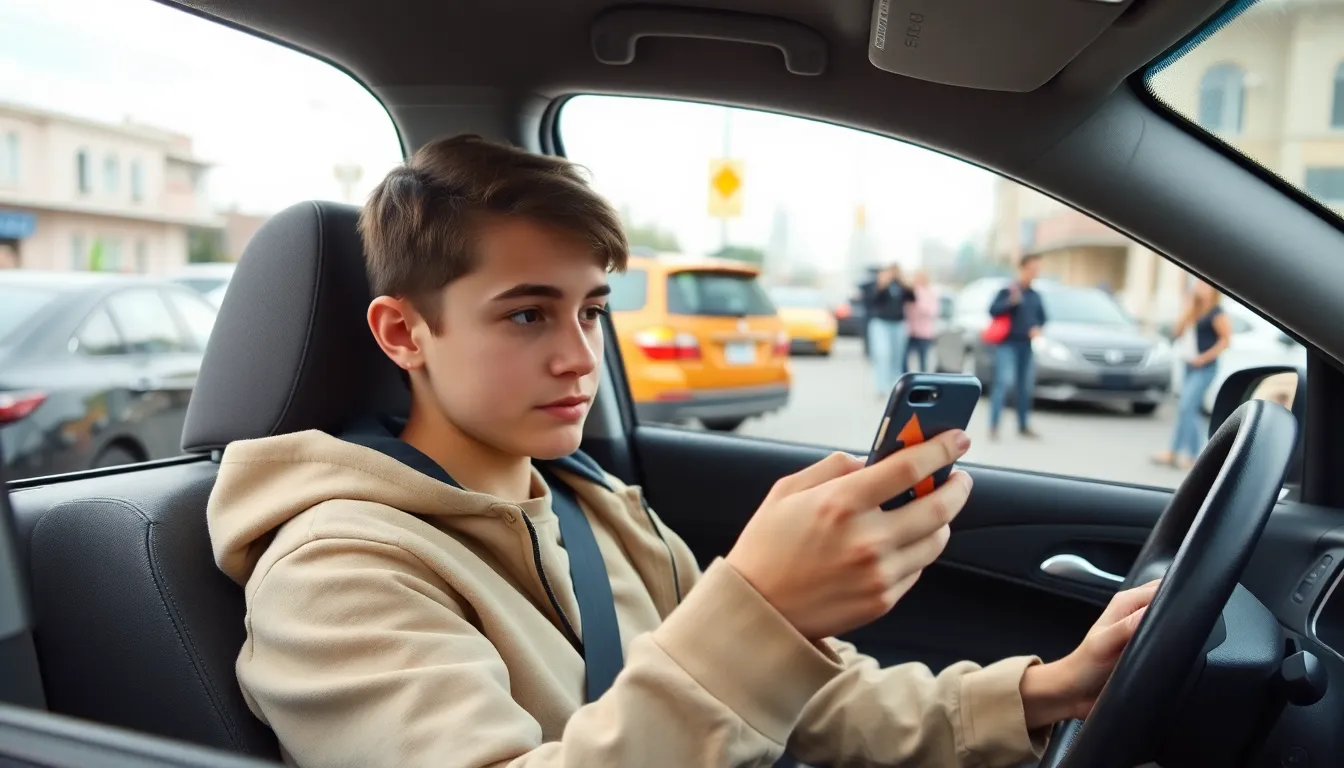
The rise of TikTok can be traced back to the growing popularity of mobile devices and the increasing accessibility of high-speed internet. Launched in 2016, TikTok quickly gained traction, particularly after merging with the app Musical.ly in 2018.
Historically, social media has been linked to various forms of distracted behavior. Platforms like Facebook and Instagram have long been criticized for contributing to a decline in attention spans and face-to-face interactions. However, TikTok’s unique format encourages rapid consumption of content, making it particularly addictive. This has led to a new phenomenon where users, especially teens, feel the need to engage with their feeds at all times, including while driving.
The consequences of distracted driving
The consequences of this new form of distracted driving are alarming. Statistics show that texting and social media use while driving significantly increases the risk of accidents. As TikTok continues to grow, it is crucial to understand how its influence on youth behavior may exacerbate these risks. Various campaigns and initiatives have emerged to address distracted driving, yet the challenge remains in effectively communicating the dangers to a generation that is constantly connected.
As parents and educators grapple with this issue, it is essential to recognize the broader social implications of TikTok’s rise. Understanding the motivations behind youth engagement with the platform can help in developing effective strategies to mitigate the risks associated with distracted driving. The intersection of technology, culture, and safety is becoming increasingly complex, and addressing these challenges requires a comprehensive approach that resonates with young users.
Understanding the risks and stakeholders involved
The rise of distracted driving, particularly influenced by social media platforms like TikTok, involves a complex web of stakeholders. Key actors include young drivers, social media companies, government agencies, and advocacy groups. Each of these stakeholders has distinct interests that can lead to conflicts and trade-offs.
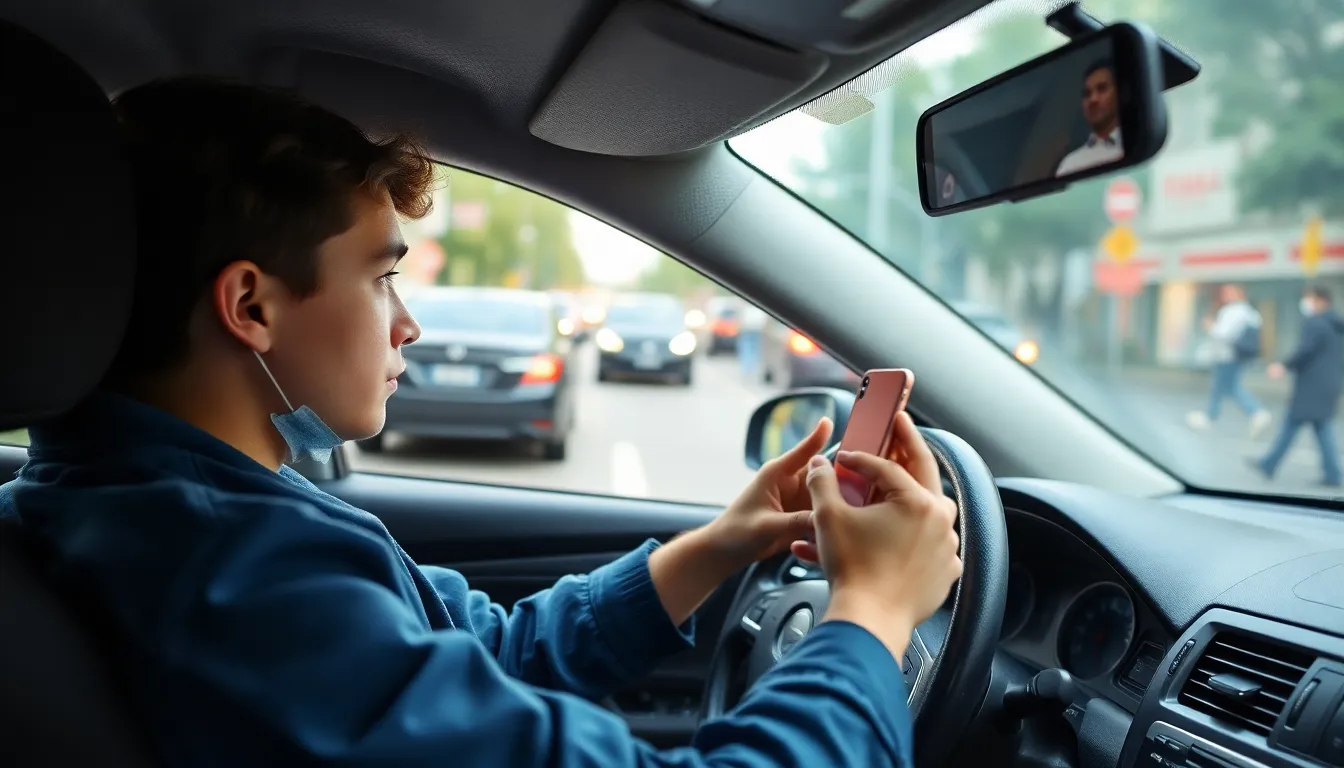
Young drivers, often the most active users of TikTok, may prioritize their engagement with the platform over road safety. This demographic is drawn to quick, entertaining content that can distract them while driving. The allure of social media can create a dangerous mindset where the perceived need to stay connected outweighs the immediate risks of distracted driving.
Social media companies, such as TikTok, have a vested interest in user engagement and retention. Their algorithms are designed to maximize time spent on the platform, which can inadvertently encourage risky behavior among users. While these companies may promote safety features, their primary goal remains to enhance user interaction, often at the expense of user safety.
Government agencies and law enforcement are tasked with regulating road safety and addressing the growing issue of distracted driving. They face challenges in creating effective legislation that deters risky behavior without infringing on personal freedoms. Additionally, the enforcement of such laws can be complicated, as identifying distracted driving instances linked to social media use is not straightforward.
- Young Drivers: Often underestimate the risks associated with using TikTok while driving.
- Social Media Companies: Focus on user engagement, which can conflict with promoting safe driving practices.
- Government Agencies: Struggle to create and enforce laws that effectively address distracted driving.
- Advocacy Groups: Work to raise awareness about the dangers of distracted driving and push for stricter regulations.
- Insurance Companies: May face increased claims related to accidents caused by distracted driving, influencing their policies.
Potential consequences for road safety and regulations
The rise of distracted driving due to social media usage, particularly TikTok, has significant implications for various groups, including young drivers, parents, educators, and policymakers. Young drivers, who are often the most active users of the platform, are particularly at risk as they may underestimate the dangers of taking their attention away from the road.
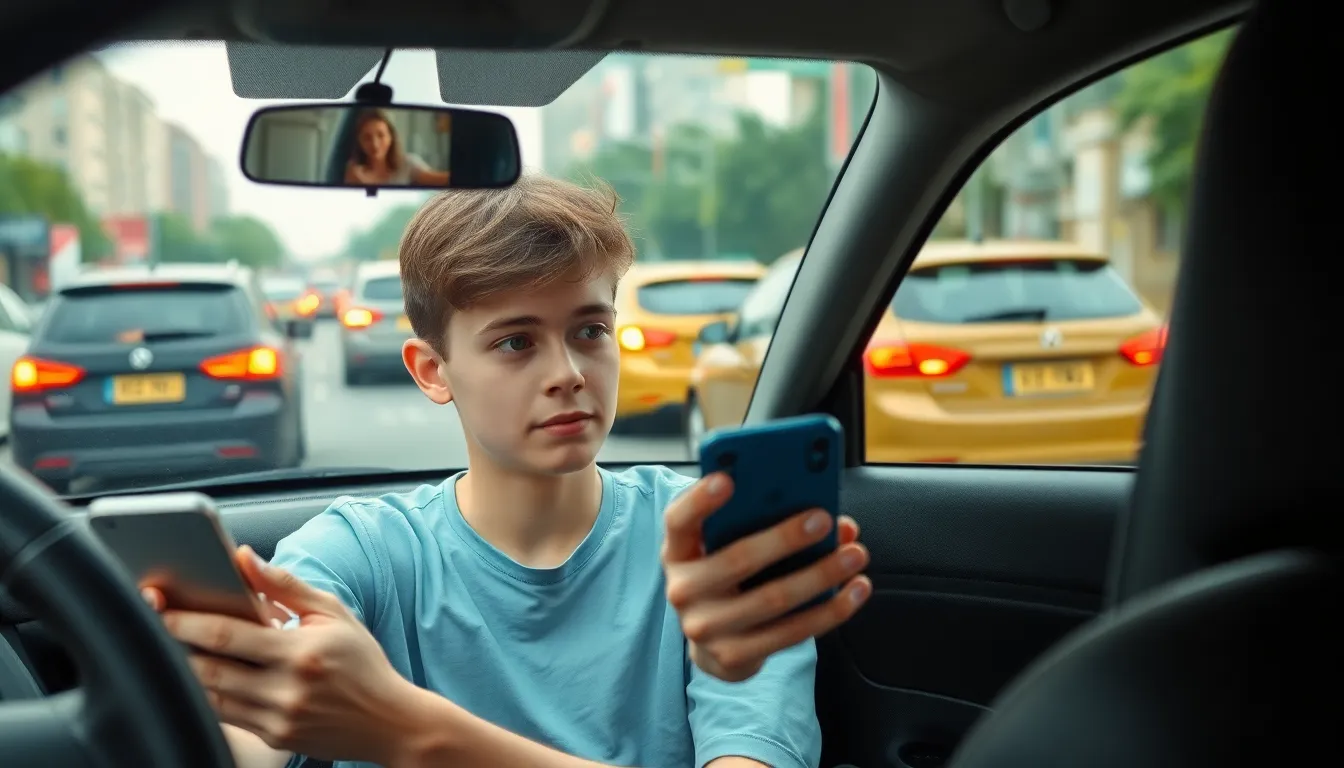
In the short term, the increased prevalence of distracted driving can lead to a rise in traffic accidents involving young drivers, which may affect insurance rates and lead to stricter regulations. This could prompt businesses in the automotive and insurance industries to reassess their risk management strategies and potentially increase premiums for younger drivers.
Mid-term impacts may include a shift in public policy as lawmakers respond to the growing concern over road safety. We could see new legislation aimed at curbing smartphone usage while driving, which could affect technology companies and app developers. Additionally, educational institutions may implement programs to raise awareness about the dangers of distracted driving, influencing curriculum changes.
- Increased traffic accidents leading to higher insurance premiums.
- Stricter regulations on smartphone usage while driving.
- Shift in public policy focusing on road safety education.
- Potential growth for companies developing anti-distracted driving technologies.
While the risks are evident, there are also opportunities for businesses that can innovate solutions to combat distracted driving. For instance, technology companies may find a market for apps that limit access to social media while driving, creating a safer environment for all road users.
A: Distracted driving refers to any activity that diverts attention from driving, including using a phone, eating, or adjusting the radio. A: Many kids report that they take quick looks at TikTok while driving, which can significantly impair their focus on the road. A: Distracted driving can lead to fines, points on a driver’s license, and increased insurance rates, depending on local laws. A: Parents can educate their children about the dangers of using phones while driving and encourage them to keep their devices out of reach. A: Yes, studies show that a significant percentage of teen drivers admit to using their phones while driving, leading to higher accident rates.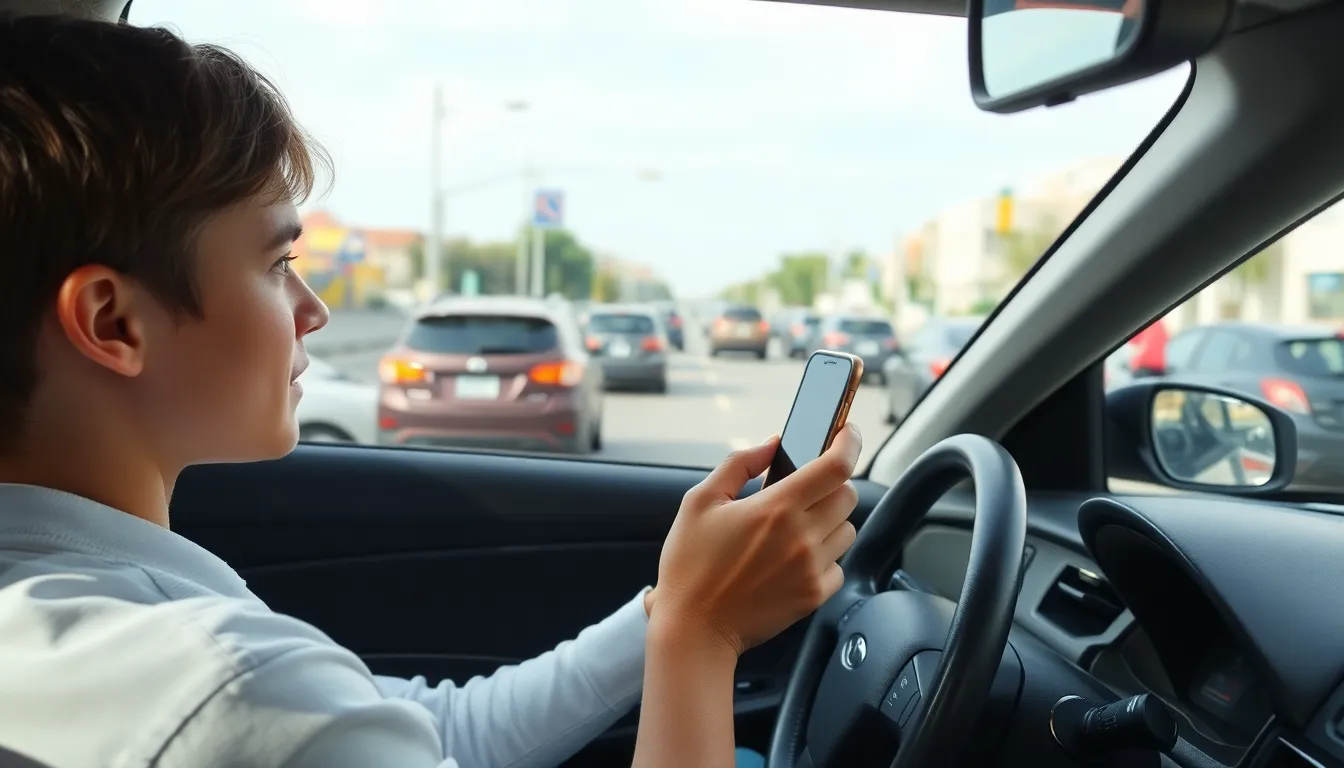
Frequently asked questions about distracted driving
Key takeaways and future outlook on distracted driving
The rise of social media platforms like TikTok has introduced a new dimension to distracted driving, particularly among younger drivers. As they navigate the dual demands of staying connected and ensuring road safety, the implications for public safety and policy are significant. This trend highlights the need for increased awareness and education around the risks associated with using mobile devices while driving.
Moving forward, it is essential for parents, educators, and policymakers to engage in proactive discussions about the dangers of distracted driving. Implementing targeted campaigns and leveraging technology may help mitigate this growing issue, ultimately fostering a safer driving environment for all road users.
- Increased awareness: Encourage educational programs that focus on the dangers of distracted driving, particularly in relation to social media use.
- Policy development: Advocate for stricter laws and regulations that address mobile device use while driving, especially for younger drivers.
- Technological solutions: Explore the potential of apps and features that limit notifications and access to social media while driving.
- Parental involvement: Foster open conversations between parents and teens about the importance of focused driving and the risks of distractions.