
The revised guidelines stipulate that officers can now request passwords during investigations related to national security offenses. This move has raised concerns among civil liberties advocates, who argue that it could lead to potential abuses of power and infringement on individual privacy rights, as seen in the recent developments covered in this article.
Supporters of the new rules contend that they are necessary for maintaining public safety and combating threats to national security. They argue that access to digital devices is crucial for effective law enforcement, particularly in an era where much of personal communication and organization occurs online.
The implementation of these rules has sparked a debate about the balance between security and privacy in Hong Kong. As the city continues to navigate its complex political landscape, the implications of this policy shift are likely to be felt across various sectors of society.
Understanding the background of national security laws in Hong Kong
The introduction of national security laws in Hong Kong marks a significant shift in the region’s legal landscape, heavily influenced by its historical relationship with mainland China. Following the end of British colonial rule in 1997, Hong Kong was promised a high degree of autonomy under the “one country, two systems” framework, a promise that continues to be a focal point of discussion among civil liberties organizations.
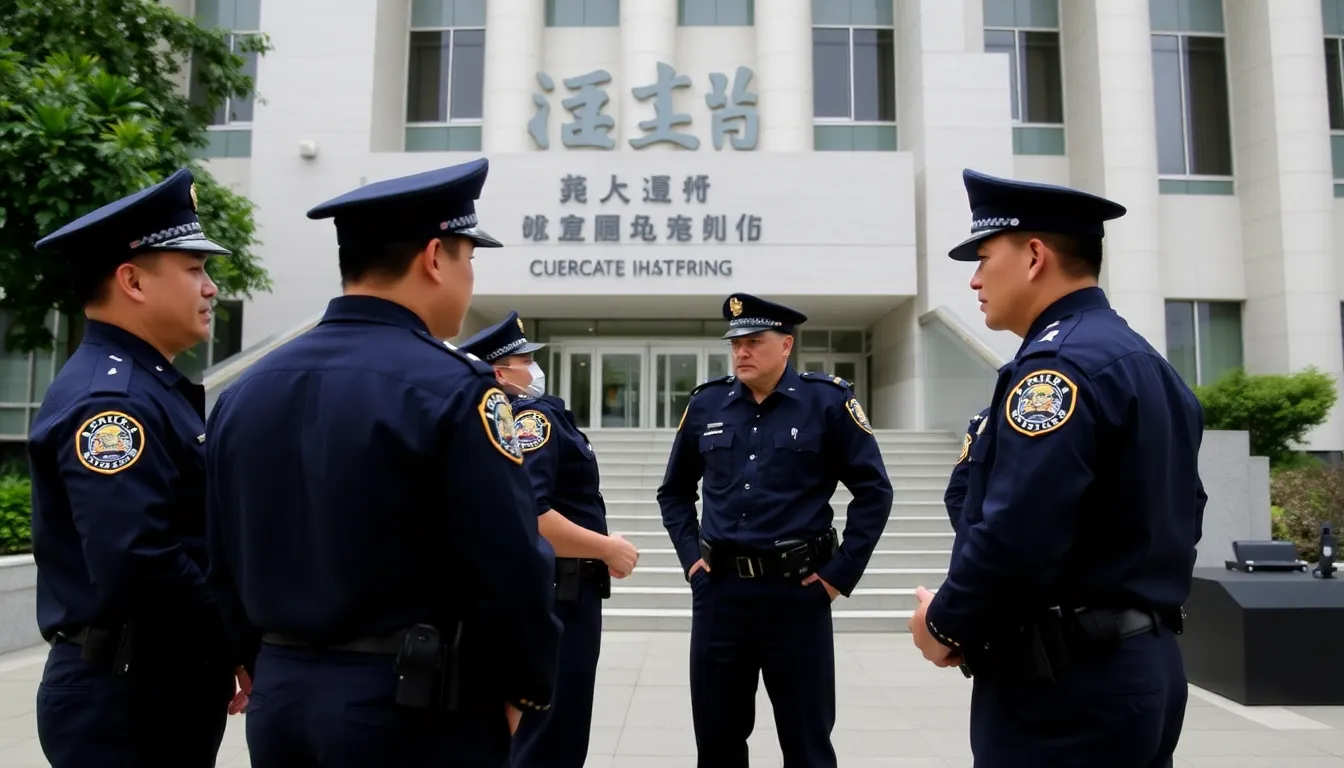
In 2019, widespread protests erupted in response to a proposed extradition bill that many viewed as a threat to Hong Kong’s judicial independence. The protests evolved into a broader pro-democracy movement, which was met with increasing force from law enforcement. In response to the unrest, the Chinese government imposed a national security law in June 2020, criminalizing acts of secession, subversion, terrorism, and collusion with foreign forces. This law has been criticized for its vague definitions and broad scope, leading to concerns about the erosion of freedoms in Hong Kong.
Under the new national security regime, law enforcement agencies have been granted extensive powers, including the ability to demand access to personal devices. This development raises significant concerns regarding privacy rights and the potential for abuse of power. The ability to access phone passwords is seen as a tool for authorities to monitor dissent and suppress any opposition to the government.
Key Milestones in the Evolution of National Security Measures
Several key events have shaped the current national security landscape in Hong Kong. The 2014 Umbrella Movement was a pivotal moment, where mass protests called for electoral reforms and greater democracy. This was followed by the 2019 protests, which highlighted the deepening divide between the Hong Kong populace and the central government. The enactment of the national security law in 2020 represented a culmination of these tensions, fundamentally altering the relationship between the state and its citizens. As a result, the legal framework now allows for unprecedented government oversight and intervention in personal freedoms.
Key stakeholders and implications of the new regulations
The introduction of new national security rules in Hong Kong that empower the police to demand phone passwords has significant implications for various stakeholders, including the government, law enforcement agencies, citizens, and civil liberties organizations. Each of these actors has distinct interests that shape their responses to the regulations.
The Hong Kong government, backed by the central Chinese authorities, seeks to enhance national security and maintain public order. By implementing these regulations, the government aims to deter potential threats and safeguard its sovereignty. However, this approach raises concerns regarding the balance between security and individual freedoms, as many citizens fear that such measures may lead to increased surveillance and erosion of privacy.
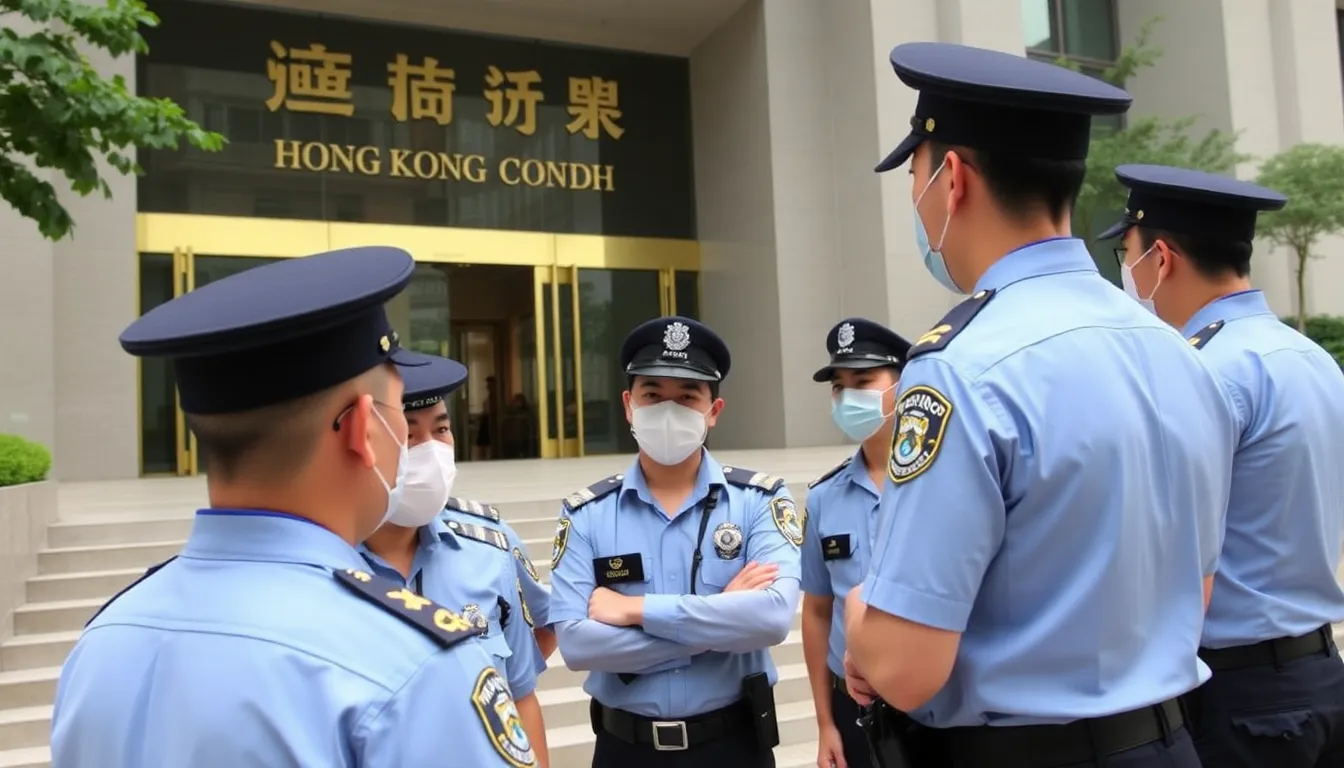
Law enforcement agencies, including the Hong Kong Police Force, view these regulations as essential tools for effective policing. They argue that access to phone passwords is crucial for investigating crimes related to national security, terrorism, and organized crime. However, the potential for misuse and overreach poses ethical dilemmas, as officers may be tempted to exploit these powers beyond their intended scope.
Citizens and civil liberties organizations are particularly concerned about the implications of these regulations for personal privacy and freedom of expression. Many individuals worry that the ability of police to demand passwords could lead to self-censorship and a chilling effect on dissenting voices, drawing parallels to the issues highlighted in the ongoing debates about governance in Hong Kong.
- Increased surveillance: The regulations may lead to a broader culture of monitoring, affecting personal freedoms.
- Potential for abuse: There are concerns about law enforcement overstepping their authority in demanding access to personal devices.
- Public response: Citizens may react with protests or legal challenges, highlighting the tension between security and civil liberties.
- International implications: The regulations could affect Hong Kong’s global reputation and its relationship with foreign governments and businesses.
Potential effects on citizens and the broader society
The recent implementation of new national security rules in Hong Kong, allowing police to demand phone passwords, has immediate and far-reaching implications for various groups within society. Citizens, especially those engaged in activism or dissent, are likely to feel the brunt of these regulations. Vulnerable populations, including journalists and human rights defenders, may face increased scrutiny and potential violations of privacy.
Industries such as technology, telecommunications, and media are also significantly impacted. Companies operating in these sectors may need to reassess their data protection policies and compliance measures. The fear of government surveillance could deter foreign investment, as businesses weigh the risks of operating in an environment perceived as hostile to privacy.
In the short term, daily life for many residents may shift towards increased caution in communication and online behavior. Individuals might alter their digital habits, opting for more secure messaging platforms or even limiting their online presence. This could lead to a decline in the use of certain technologies or services that are seen as vulnerable to police scrutiny.
- Increased self-censorship among citizens.
- Potential decline in foreign investment in tech sectors.
- Heightened demand for privacy-focused technology solutions.
Mid-term effects may include a growing divide between those who can afford to adopt advanced security measures and those who cannot. This could exacerbate existing inequalities within society, with privileged individuals better equipped to safeguard their privacy. Conversely, businesses that pivot to offer enhanced security solutions may find new opportunities in a market increasingly focused on privacy and data protection.
Ultimately, while the new rules pose significant risks to civil liberties and personal freedoms, they may also catalyze innovation in privacy technologies and foster a more security-conscious culture among citizens and businesses alike.
A: The new rule allows HK police to demand access to phone passwords during investigations related to national security. This raises significant privacy concerns for residents. A: Citizens may feel their privacy is compromised as police can access personal data without a warrant. This could deter individuals from expressing dissent. A: Critics argue that the lack of clear legal safeguards makes the rule susceptible to abuse, leading to potential violations of civil liberties. A: Public reaction has been mixed, with many expressing concern over increased surveillance, while some support the measures for enhancing security. A: Many international observers view these measures as contrary to global standards of privacy and human rights, raising alarms about Hong Kong’s autonomy.
Frequently asked questions about the new police powers
Key takeaways and future outlook on privacy in HK
The recent implementation of national security rules allowing Hong Kong police to demand phone passwords marks a significant shift in the privacy landscape of the region. This development raises important questions about the balance between security and individual rights, particularly in a city known for its vibrant civil liberties. As authorities gain broader powers to access personal information, residents must navigate the implications for their privacy and safety.
Looking ahead, it is crucial for individuals and organizations to adapt to this evolving environment. Understanding the potential risks and preparing for scenarios where personal data may be compromised will be essential for maintaining a sense of security in daily life.
- Increased surveillance may lead to self-censorship among residents concerned about sharing opinions or engaging in activism.
- Individuals should consider using encryption and privacy-focused tools to protect their communications and data.
- Legal challenges may arise as citizens seek to contest the legitimacy of such demands for personal information.
- Businesses operating in Hong Kong may need to reassess their data protection strategies to comply with new regulations while safeguarding customer information.
- Public discourse on privacy rights and civil liberties is likely to intensify, prompting calls for clearer guidelines and protections.