
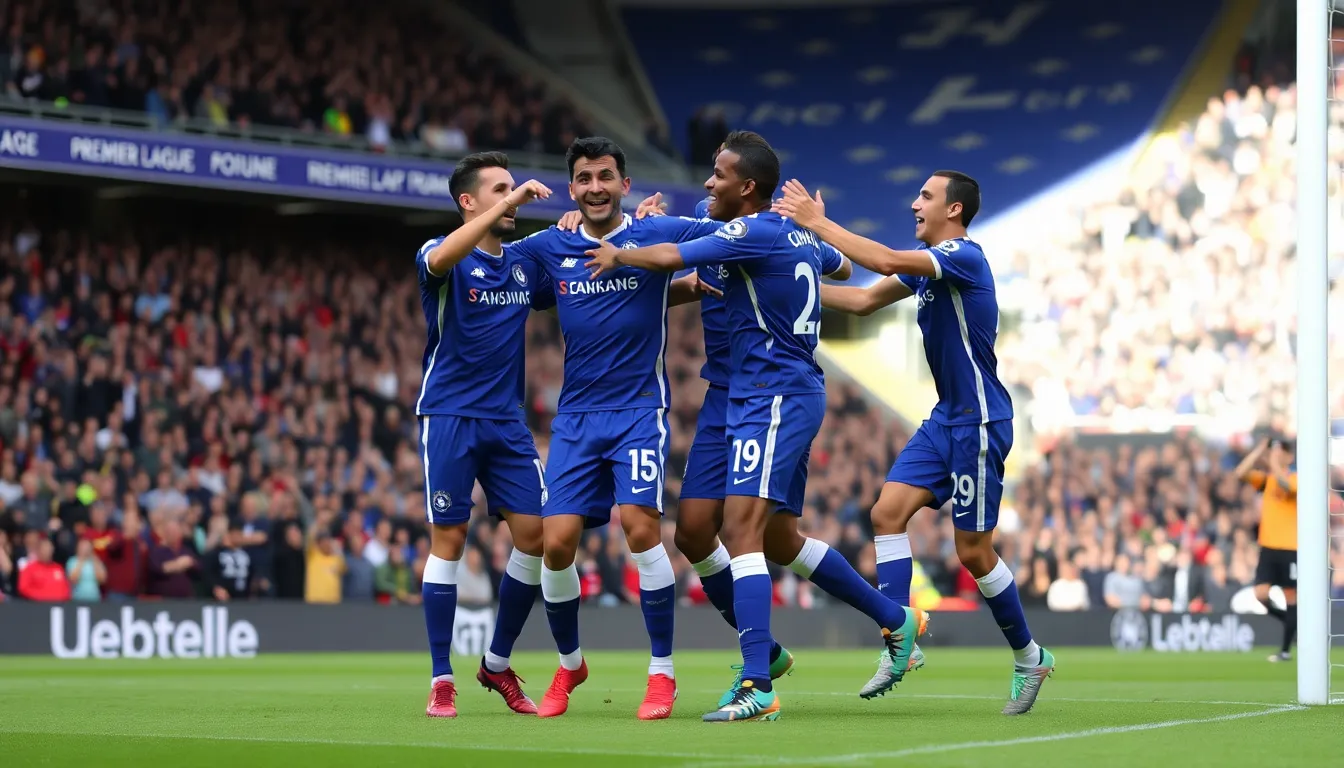
Rosenior’s approach emphasizes a more attacking style of play, aiming to maximize the talents of key players such as Raheem Sterling and Enzo Fernández. The team has recorded a series of high-scoring matches, showcasing their ability to create chances and convert them effectively. This shift in tactics is crucial as Chelsea seeks to climb the league table and secure a European competition spot, as seen in other clubs’ strategies like How Spurs going direct changed the game.
However, the transition has not been without its challenges. The squad depth remains a concern, particularly with injuries affecting several key players. Additionally, the pressure to perform consistently in a highly competitive league means that Rosenior must find a balance between development and immediate results.
As the season progresses, the upcoming fixtures will be critical in determining the trajectory of Chelsea under Rosenior. With a mix of established rivals and mid-table teams on the horizon, the next few months will be pivotal in assessing whether the club has indeed progressed under his leadership.
Background on Rosenior’s appointment and Chelsea’s recent history
In the wake of a tumultuous period marked by managerial changes and inconsistent performances, Chelsea Football Club appointed Liam Rosenior as their head coach in the summer of 2023. This decision came after the club’s disappointing finish in the Premier League, where they struggled to maintain their status as a top contender. Rosenior, a former player and assistant coach, was seen as a fresh face who could bring stability and a new tactical approach to the team.
The backdrop to Rosenior’s appointment is a Chelsea side that has undergone significant transformation since the departure of long-time owner Roman Abramovich in early 2022. His exit, prompted by geopolitical tensions and sanctions, led to a change in ownership and a shift in the club’s operational philosophy. Under the new ownership, Chelsea has invested heavily in player acquisitions, yet the results on the pitch have often failed to reflect this financial commitment, mirroring challenges faced by other teams in the league.
Historically, Chelsea has been known for its ambitious approach, consistently challenging for domestic and European trophies. However, the club’s recent struggles have raised questions about its direction. The managerial carousel, with multiple coaches in quick succession, has created a lack of continuity that has affected player performance and morale. Rosenior’s task is not just to improve results but to foster a cohesive team environment amidst these challenges.
Key Milestones in Chelsea’s Recent History
Several key milestones have defined Chelsea’s trajectory leading up to Rosenior’s tenure. The hiring of Graham Potter in September 2022 was initially seen as a step towards a new era, but his subsequent dismissal highlighted the impatience of the new ownership. Additionally, the club’s significant spending during the transfer windows, including high-profile signings, has raised expectations that have yet to be met on the field. These events have set the stage for Rosenior’s challenge to restore Chelsea’s legacy as a dominant force in football.
Key issues and stakeholder perspectives on Chelsea’s progress
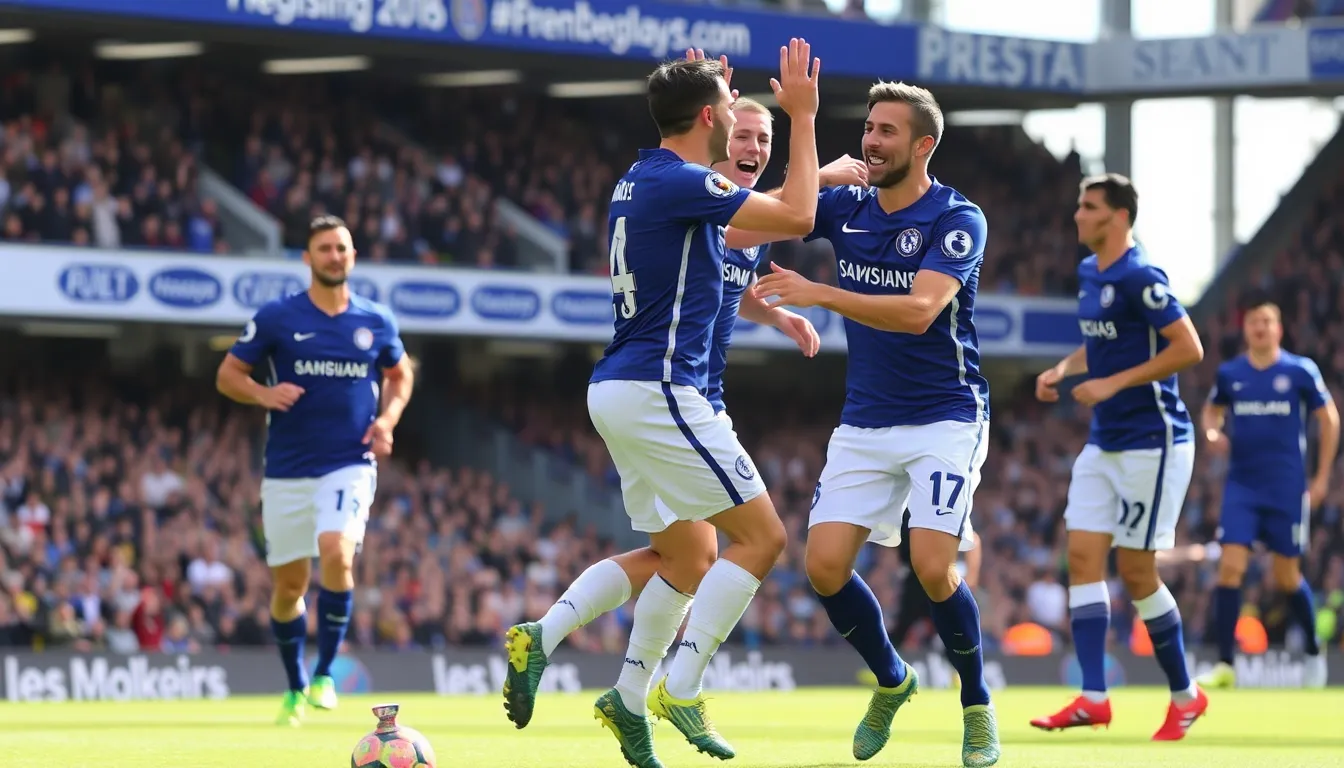
As Chelsea Football Club navigates its journey under the management of Liam Rosenior, various stakeholders have vested interests in the club’s performance and direction. These stakeholders include the club’s ownership, players, fans, and the broader football community, each with distinct perspectives and expectations, much like the dynamics discussed in Exploring the Modern Tech Life Experience.
The ownership group, led by Todd Boehly, seeks to restore Chelsea’s status as a top contender in both domestic and European competitions. Their interests lie in financial stability and the club’s marketability, which are closely tied to on-field success. The recent investments in player acquisitions reflect their commitment to achieving these goals, but they also raise questions about the sustainability of such spending.
Players, on the other hand, are focused on their professional development and success on the pitch. Under Rosenior’s leadership, the squad is expected to improve in performance and cohesion. However, the challenge lies in balancing individual ambitions with team objectives, as competition for starting positions can create tension within the locker room.
- Fan Engagement: Supporters are eager to see a return to the club’s winning ways, and their passion can influence the atmosphere around the team.
- Media Scrutiny: The press plays a crucial role in shaping public perception of Rosenior’s tenure, often amplifying successes or failures.
- Financial Implications: The economic landscape of football means that poor performance could lead to decreased revenue from ticket sales and sponsorships.
Moreover, the club faces external pressures from rival teams and the evolving landscape of football management. The competitive nature of the Premier League requires constant adaptation, and failure to keep pace can result in significant setbacks. Understanding these dynamics is essential for assessing whether Chelsea has indeed progressed under Rosenior’s leadership.
Impact of Rosenior’s management on players and club dynamics
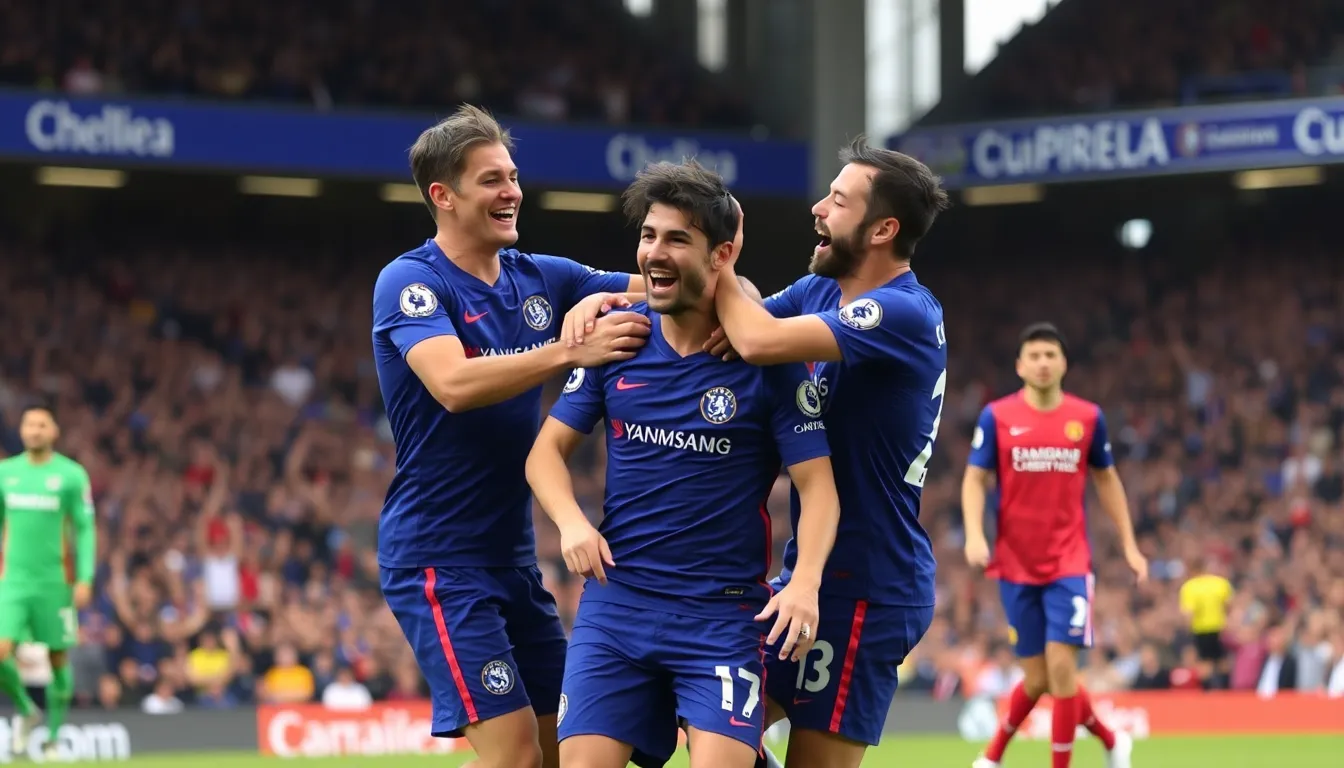
Under the management of Liam Rosenior, Chelsea Football Club has experienced significant changes that affect various stakeholders, including players, coaching staff, and fans. The transition in leadership style and tactical approach has implications not only for the team’s performance but also for the broader football community and related industries.
In the short term, players are adapting to Rosenior’s methodologies, which emphasize a more cohesive team dynamic and tactical flexibility. This shift can lead to improved on-field performance, potentially increasing ticket sales and merchandise revenue as fan engagement rises. Additionally, local businesses surrounding Stamford Bridge may see an uptick in customers on match days, contributing to the local economy.
However, there are risks associated with this transition period. If the team struggles to find consistency under Rosenior’s regime, it could lead to discontent among fans and a potential drop in attendance at matches. This dissatisfaction might also influence sponsorship deals, as brands often reconsider their affiliations with clubs that are not performing well.
- Short-term impacts: Increased fan engagement, potential rise in local business revenue, and fluctuating team morale.
- Mid-term impacts: Changes in sponsorship dynamics, possible player transfers, and adjustments in club policies regarding player development.
- Opportunities: Enhanced youth development programs, stronger community ties, and the potential for a revitalized team identity.
As Rosenior’s tenure progresses, the long-term effects of his management style will become clearer. The club’s focus on developing young talent may cultivate a new generation of players who embody the values and vision he promotes, ultimately shaping the future of Chelsea FC.
Frequently asked questions about Chelsea’s progress
A: Rosenior has focused on improving team cohesion and tactical flexibility. His emphasis on youth development has also been notable, integrating younger players into the first team.
A: Since Rosenior took over, Chelsea has shown signs of improvement in their overall performance and results, although consistency remains a challenge.
A: Rosenior faces the challenge of managing high expectations from fans and stakeholders while also navigating a competitive league environment.
A: The expectation is for Chelsea to continue building on their recent improvements and to aim for a higher league finish, with potential cup runs.
Key takeaways and future outlook for Chelsea
Chelsea’s evolution under Rosenior reflects a blend of tactical adjustments and a renewed focus on youth development. The team’s performance has shown signs of improvement, yet consistency remains a critical area for growth. As the season progresses, the ability to maintain momentum and adapt to challenges will be paramount for the club’s aspirations.
Looking ahead, several factors will shape Chelsea’s trajectory. Monitoring player development, tactical flexibility, and the integration of new signings will provide insight into the team’s potential for success. The upcoming fixtures will be crucial in determining whether the current progress can be sustained.
- Player Development: Watch how younger players adapt and contribute to the first team, as their growth will be vital for long-term success.
- Tactical Adaptability: Observe Rosenior’s tactical decisions in high-pressure matches, which could indicate his ability to navigate challenging situations.
- Consistency in Performance: The team must strive for consistent performances to establish themselves as genuine contenders in the league.
- Integration of New Signings: The impact of new players on team dynamics will be crucial; their successful integration can enhance overall performance.
- Fan Engagement: The relationship between the club and its supporters will be essential, as a united front can bolster morale and performance on the pitch.