
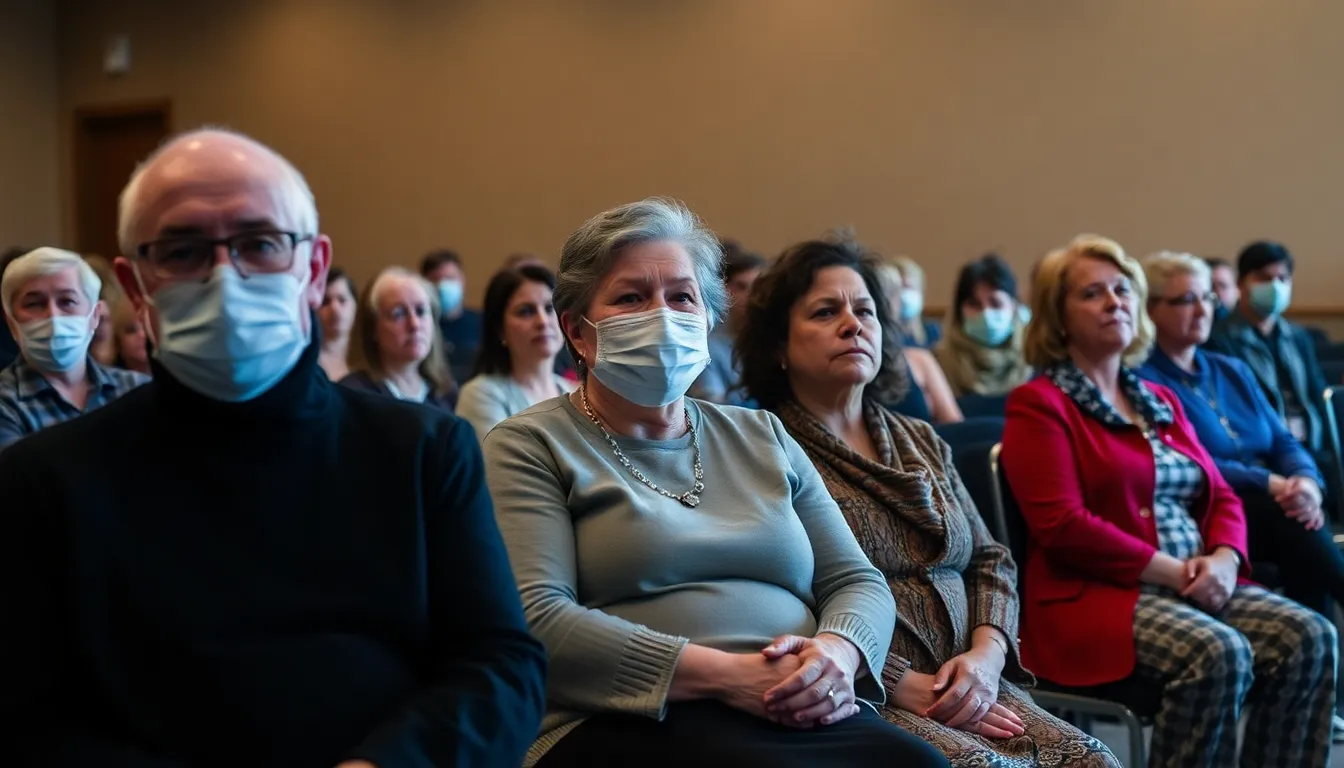
In recent hearings, families have recounted their struggles during the peak of the pandemic, particularly in 2020 when restrictions were at their strictest. The inquiry, which began in 2021, aims to investigate the government’s response to the pandemic, including the decisions that led to the loss of thousands of lives. You can read more about the emotional impact on families during this time in related articles. The testimonies serve as a poignant reminder of the emotional scars left by the virus.
Key figures, including healthcare professionals and government officials, are expected to testify in the coming weeks, shedding light on the policies that shaped the response to Covid-19. The inquiry has drawn significant public interest, with many calling for transparency and a thorough examination of the events that transpired. The emotional weight of the testimonies is a crucial element in understanding the broader implications of the pandemic.
As the inquiry progresses, the voices of those affected by the pandemic remain central to the narrative. Their stories not only humanize the statistics but also emphasize the urgency of addressing the lessons learned from this unprecedented crisis. The ongoing discussions will likely influence future health policies and crisis management strategies in the UK and beyond.
Understanding the background of the Covid inquiry
The Covid-19 pandemic has profoundly impacted societies across the globe, highlighting both the strengths and weaknesses of public health systems. The inquiry into the government’s handling of the pandemic is a critical examination of the decisions made during this unprecedented crisis. As countries grappled with the rapid spread of the virus, the urgency to implement effective measures became paramount, leading to a series of responses that are now under scrutiny.
Historically, pandemics have prompted significant governmental and societal changes. The Covid-19 pandemic, which began in late 2019, exposed vulnerabilities in healthcare systems, economic structures, and social safety nets. In the UK, the government faced intense criticism for its initial response, including delays in lockdown measures and inadequate testing capabilities. These early missteps set the tone for public sentiment and trust, which have been pivotal in shaping the narrative of the inquiry.
Key milestones during the pandemic include the introduction of the first lockdown in March 2020, the rollout of vaccines beginning in December 2020, and the subsequent easing of restrictions throughout 2021. Each of these events was accompanied by public discourse surrounding the effectiveness of the measures taken and the government’s communication strategies. The inquiry aims to explore these events in detail, examining the impact of leadership decisions on the health and wellbeing of citizens.
The Human Cost of the Pandemic
One of the most poignant aspects of the inquiry is the examination of individual stories, particularly those of people who died alone due to Covid-19. These narratives highlight the emotional and psychological toll of the pandemic, revealing the human cost behind the statistics. For more insights into how different groups are affected by such crises, check our article on the challenges faced by dancers in public spaces. Families have expressed their grief and anger over the circumstances surrounding their loved ones’ deaths, emphasizing the need for accountability and transparency in the government’s response.
Key issues raised by stakeholders in the inquiry
The Covid inquiry has brought to light a range of stakeholders, each with their own interests and concerns regarding the handling of the pandemic. These include government officials, healthcare providers, families of victims, and advocacy groups. Each of these actors plays a crucial role in shaping the narrative and outcomes of the inquiry.
One of the primary actors is the government, which faces scrutiny over its pandemic response. The interests of government officials include maintaining public trust and accountability, while also navigating political pressures. A key issue is the conflict between public health decisions and economic implications, as many argue that lockdowns and restrictions had significant economic repercussions.
Healthcare providers, including doctors and nurses, are also significant stakeholders. Their interests revolve around the adequacy of resources and support during the crisis. Many healthcare professionals have voiced concerns about the lack of preparedness and the impact of policy decisions on patient care. This raises questions about the ethical obligations of the government to protect both public health and the welfare of frontline workers.
- Families of victims are advocating for transparency and justice, seeking answers about the circumstances surrounding their loved ones’ deaths.
- Advocacy groups are pushing for systemic changes to ensure better preparedness for future pandemics, highlighting the need for robust public health infrastructure.
- Legal issues are also at play, as potential liabilities for government actions during the pandemic may emerge, complicating the inquiry further.
Overall, the inquiry highlights the complex interplay of interests among various stakeholders, where trade-offs between health, economics, and ethical responsibilities must be carefully navigated. The outcomes of this inquiry could have lasting implications for public policy and healthcare systems moving forward.
The personal impact of the inquiry on families and communities
The ongoing Covid inquiry has a profound effect on numerous groups, particularly families who lost loved ones during the pandemic. These families are often left grappling with grief and unresolved questions about the circumstances surrounding their losses. The emotional toll of knowing that many died alone, without the comfort of family, has created a deep sense of trauma within communities; this underscores the importance of understanding the broader implications of such tragedies.
Healthcare workers, who were on the frontlines during the pandemic, are also significantly affected. Many are experiencing mental health challenges as they reflect on their experiences and the loss of patients. This inquiry shines a light on their sacrifices and the need for better support systems in the healthcare industry.
Regions that faced severe outbreaks, particularly urban areas, are likely to feel the long-term effects of this inquiry. The economic and social fabric of these communities has been altered, with businesses struggling to recover while grappling with the emotional weight of the pandemic’s toll. The inquiry may lead to policy changes aimed at better preparedness for future health crises.
- Short-term impacts: Increased mental health support demands for families and healthcare workers.
- Mid-term impacts: Potential policy reforms in healthcare and emergency response systems.
- Risks: Heightened feelings of grief and anger may lead to social unrest in affected communities.
- Opportunities: Enhanced community support networks and initiatives aimed at healing and remembrance.
As the inquiry progresses, it may also create a platform for advocacy, pushing for greater accountability and transparency in government responses to health crises. This could lead to a more informed public and stronger community ties as individuals come together to seek justice and support one another in their healing journeys.
Frequently asked questions about the Covid inquiry
A: The Covid inquiry aims to investigate the government’s response to the pandemic, assess the impact on public health, and learn lessons for future crises.
A: Key witnesses include healthcare professionals, government officials, and families affected by Covid-19, sharing their experiences and insights.
A: The public can submit written evidence and testimonies, as well as attend hearings to provide their perspectives on the pandemic’s impact.
A: The inquiry is expected to produce recommendations for improving public health responses and policies to better handle future pandemics.
Key takeaways and future implications of the inquiry
The Covid inquiry has unveiled not only the personal stories of those affected but also the systemic failures that contributed to the loss of life. As families recount their experiences, it becomes evident that the implications of these testimonies extend beyond the past and into the future of public health policy and crisis management. Understanding these narratives is crucial for ensuring that similar tragedies do not recur.
Looking ahead, it is essential to consider how the insights gained from this inquiry can inform future health responses, improve communication strategies, and foster a more compassionate approach to patient care during crises. The voices of the bereaved serve as a powerful reminder of the human cost of policy decisions, highlighting the need for a more empathetic framework in public health planning.
- Policy Revisions: Expect calls for changes in health policies that prioritize patient welfare and ensure no one faces healthcare challenges alone.
- Strengthened Support Systems: There will likely be increased advocacy for mental health support for families affected by crises, addressing the emotional toll of loss.
- Enhanced Communication Protocols: Future inquiries may lead to improved communication strategies between health authorities and the public, ensuring transparency and trust.
- Focus on Community Engagement: A shift towards community-driven health initiatives may emerge, emphasizing the importance of local support networks during health emergencies.