
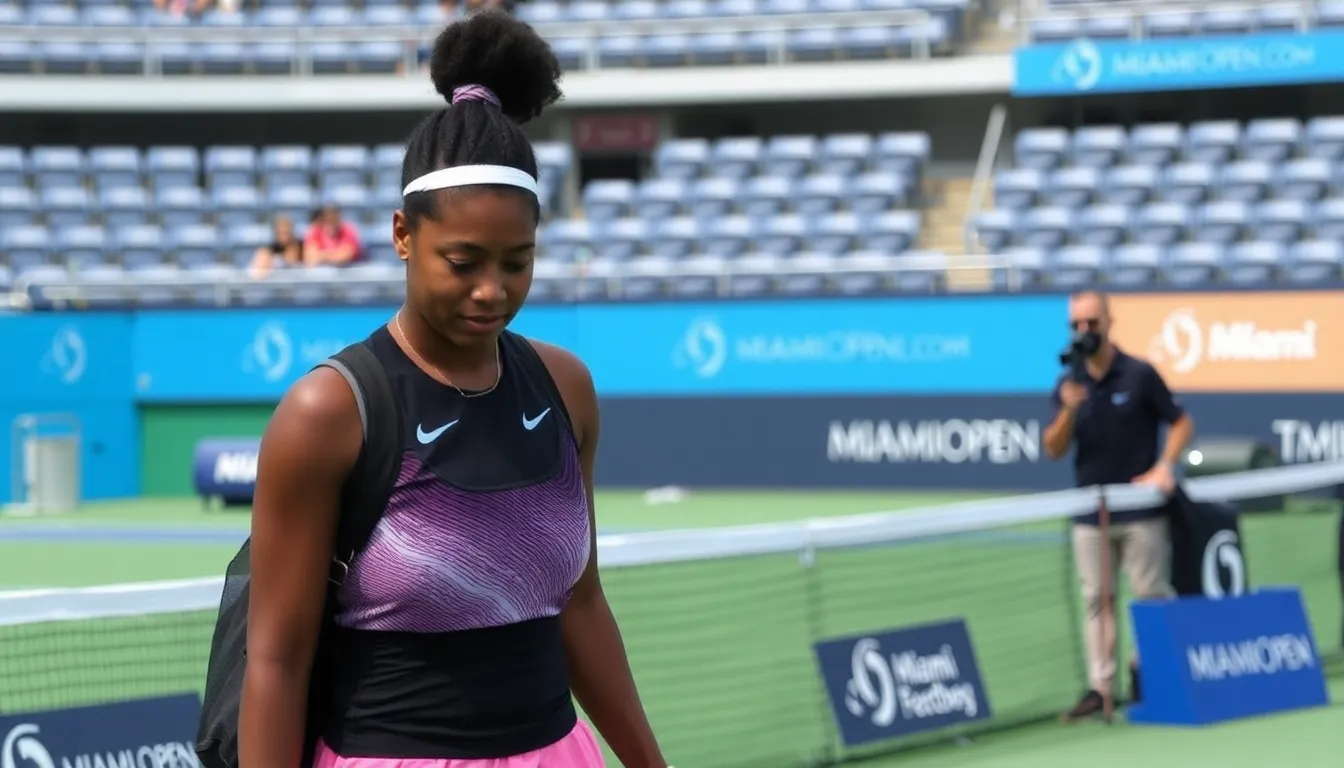
This defeat marks another early exit for Osaka, who has struggled to regain her form since taking a break from the sport in 2021 to focus on her mental health. The match highlighted her ongoing challenges on the court, as she was unable to capitalize on her opportunities against Parks, who has been gaining momentum on the WTA tour.
Osaka’s recent performances have sparked discussions about her commitment to the sport and her long-term plans. Following the match, she expressed uncertainty about her future in tennis, stating that she needs to reflect on her next steps. This sentiment has led to speculation among fans and analysts regarding whether she will continue to compete at a high level, similar to the ongoing discussions in other sports about mental health, which can be explored further in the article on safety issues in athletics.
The Miami Open, a significant event in the tennis calendar, serves as a platform for players to showcase their abilities and gain ranking points. For Osaka, this defeat raises questions not only about her immediate career but also about her impact on the sport, as she has been a prominent figure in promoting mental health awareness in athletics.
Understanding Naomi Osaka’s journey and recent challenges
Naomi Osaka, a two-time Grand Slam champion, has been a prominent figure in tennis since her breakthrough victory at the 2018 US Open. Her rise to fame was not only marked by her exceptional skills on the court but also her outspoken nature regarding social justice issues, particularly in the wake of the Black Lives Matter movement. This unique combination of athletic prowess and activism has made her a significant cultural icon, particularly among younger generations.
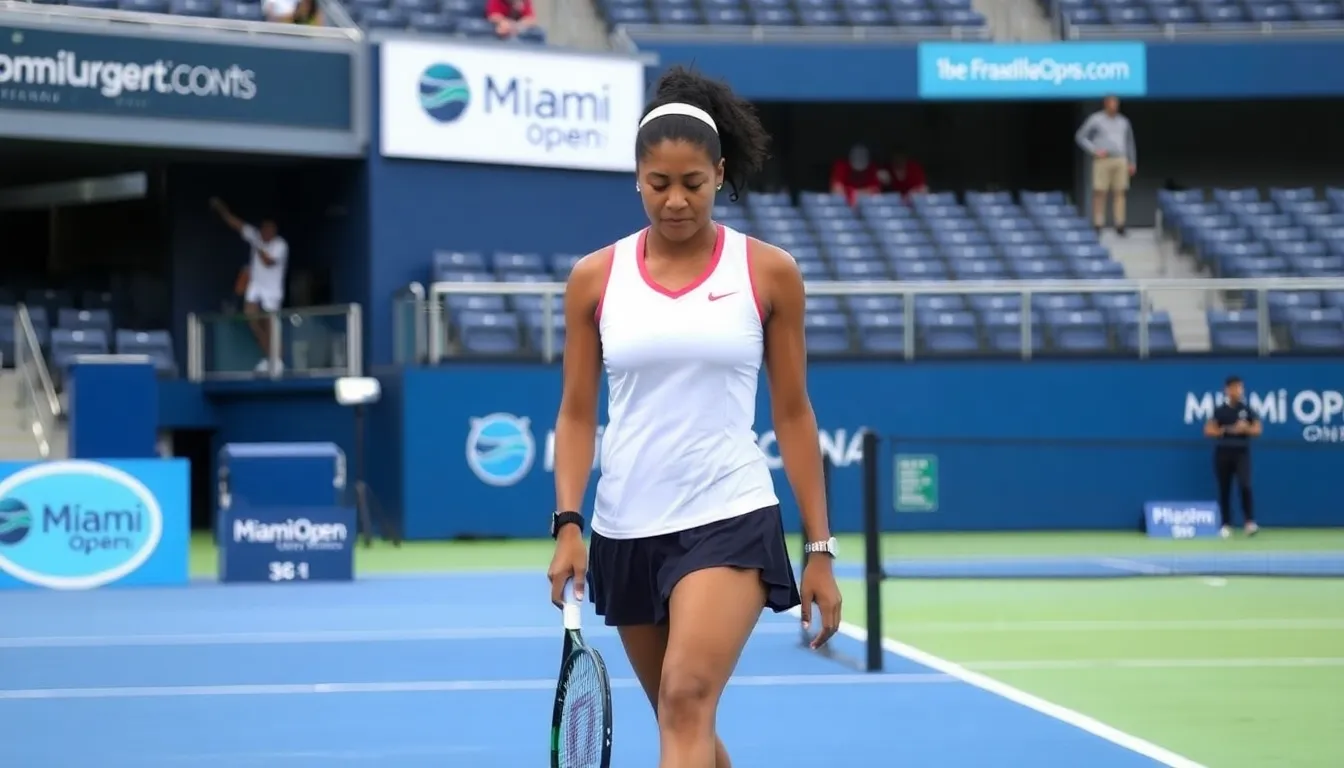
However, Osaka’s journey has been fraught with challenges. In 2021, she made headlines when she withdrew from the French Open, citing mental health concerns after facing media scrutiny. This decision sparked a broader conversation about the mental health of athletes, much like the initiatives seen in various fields. As highlighted in another article, the necessity for ongoing support systems in sports organizations is becoming increasingly evident.
Her recent swift defeat in the Miami Open has reignited speculation about her potential retirement from the sport. This loss, following a series of inconsistent performances, raises concerns about her ability to return to her previous form. The combination of her mental health struggles and the pressures of competition may be influencing her decision-making regarding her career.
The Intersection of Sport and Mental Health
The conversation surrounding mental health in sports has gained traction in recent years, with figures like Osaka and fellow athletes sharing their experiences. This movement towards prioritizing mental well-being has led to increased awareness and support systems for athletes. However, the expectations placed on top competitors can create a conflicting environment, similar to those discussed in BBC Inside Science, where personal challenges meet public expectations.
Key issues surrounding Osaka’s performance and mental health
Naomi Osaka’s early exit from the Miami Open has reignited discussions about her future in professional tennis and the broader implications of mental health in sports. As a prominent figure in the sport, Osaka’s decisions and performances are closely monitored by fans, sponsors, and the tennis community. This situation raises questions about the pressures athletes face and the support systems available to them.
One of the main actors in this scenario is the Women’s Tennis Association (WTA), which has a vested interest in promoting player well-being while maintaining the sport’s commercial viability. The WTA must navigate the delicate balance between supporting players like Osaka, who have openly discussed mental health issues, and ensuring that the sport remains competitive and engaging for fans and sponsors.

Another key stakeholder is the media, which plays a crucial role in shaping public perception of athletes. Coverage of Osaka’s struggles can influence her brand partnerships and marketability, potentially leading to conflicts between the desire for sensational stories and the need for sensitivity towards mental health challenges. This dynamic can create additional pressure on athletes, who may feel scrutinized during vulnerable moments.
- Mental Health Awareness: The need for increased awareness and resources for mental health support in sports.
- Commercial Interests: The impact of athlete performances on sponsorship deals and media coverage.
- Player Autonomy: The right of athletes to prioritize their mental health over competitive obligations.
- Public Support: The role of fans and public opinion in shaping the narrative around athletes’ mental health.
As discussions around Osaka’s future in tennis unfold, it is essential to consider the broader implications for the sport. The challenges she faces are not unique; many athletes grapple with similar issues, highlighting the urgent need for systemic changes within sports organizations to prioritize mental well-being alongside athletic performance.
The implications of Osaka’s defeat on her career and the sport
Naomi Osaka’s swift defeat in her Miami opener has significant ramifications not only for her personal career but also for the broader tennis ecosystem. Fans, sponsors, and the sports industry are all closely watching her next moves as they could reshape the landscape of professional tennis.
One of the most immediate groups affected is Osaka’s fan base, which includes young athletes and aspiring tennis players. Her struggles may lead to a sense of disappointment among fans who view her as a role model. This could impact attendance at her future matches and diminish her influence in promoting the sport, especially among younger demographics.
In the short term, the business side of tennis could see fluctuations in sponsorship deals and merchandise sales related to Osaka. Companies that have invested in her brand may reassess their partnerships, fearing a decline in marketability. Additionally, the tennis industry as a whole might experience reduced media attention and viewership, particularly if Osaka’s performance continues to falter.
- Risks: Decreased fan engagement and sponsorship revenue.
- Opportunities: New talent may emerge as Osaka’s absence opens the field for other players.
- Policy Impact: Tennis organizations may need to address player mental health more robustly, inspired by Osaka’s candid discussions on the topic.
In the mid-term, the implications could extend to how the sport is marketed and the narratives that dominate tennis coverage. If Osaka’s career trajectory continues to decline, it may prompt a shift in focus towards other rising stars, potentially revitalizing interest in the sport. However, it also poses a risk of overshadowing the importance of mental health in sports, an issue that Osaka has bravely brought to the forefront.
A: After her match, Osaka expressed disappointment and reflected on her struggles, hinting at uncertainty about her future in tennis. A: Osaka has been open about her mental health challenges, which have affected her performance and participation in tournaments. A: Following her early exit in Miami, Osaka’s ranking may drop, affecting her seeding in future tournaments. A: Fans and analysts have shown concern for Osaka’s well-being, with many urging her to prioritize her mental health over competition. A: While it is uncertain, there are discussions about whether Osaka might take time off to focus on her mental health.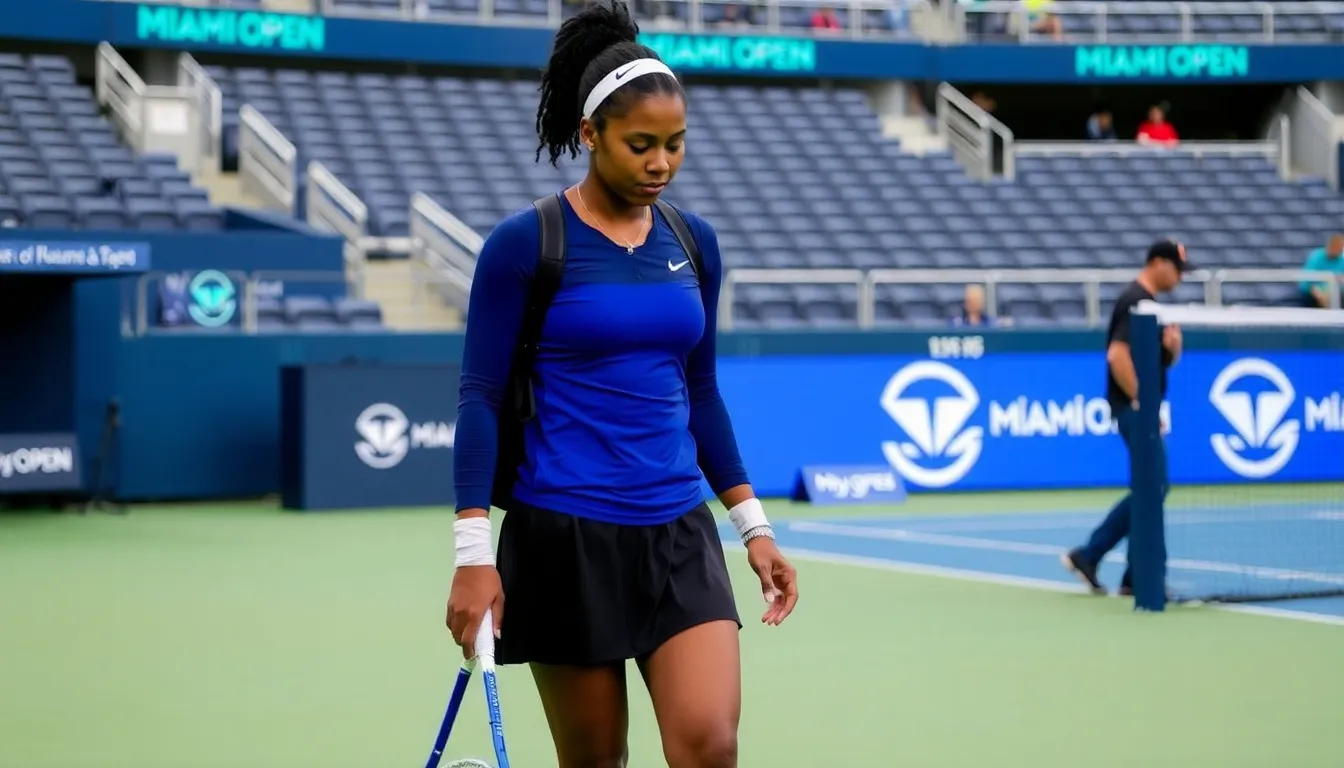
Frequently asked questions about Naomi Osaka’s future in tennis
Looking ahead: What does the future hold for Naomi Osaka?
Naomi Osaka’s recent early exit from the Miami Open has raised significant questions regarding her future in professional tennis. As she continues to navigate personal challenges and the pressures of the sport, her next steps will be closely monitored by fans and analysts alike. The implications of her performance extend beyond just the tournament, potentially influencing her career trajectory and the broader landscape of women’s tennis.
As Osaka reflects on her journey and considers her options, several scenarios may unfold. Her decision-making in the coming months will be pivotal, not only for her own career but also for the message it sends to aspiring athletes facing similar struggles.
- Watch for announcements regarding Osaka’s participation in upcoming tournaments, which may indicate her commitment to returning to the sport.
- Monitor her engagement with mental health advocacy, as her experiences could inspire further conversations around athlete well-being.
- Consider the potential impact on sponsorships and partnerships, as brands may reassess their associations based on her competitive status.
- Stay alert to the evolving dynamics in women’s tennis, as Osaka’s decisions may influence the next generation of players.
- Keep an eye on her social media and public appearances, which may provide insights into her mindset and future plans.