
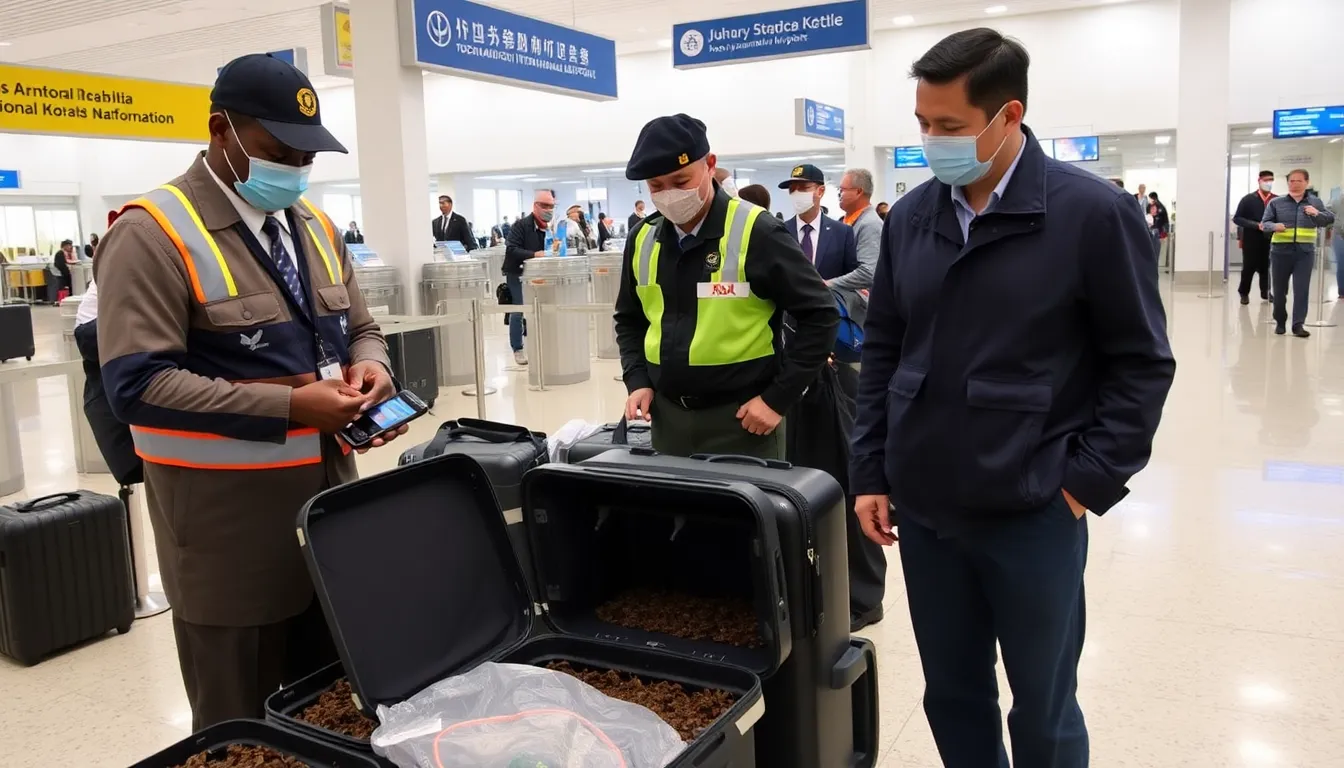
The individual was reportedly intercepted at Jomo Kenyatta International Airport in Nairobi, where customs officials discovered the ants concealed within personal luggage. This case highlights the ongoing challenges faced by authorities in combating wildlife trafficking, particularly involving exotic species that could disrupt local ecosystems if introduced elsewhere. For more detailed information on similar incidents, you can check the article about a Chinese national arrested for attempting to smuggle 2,000 queen ants from Kenya.
Authorities have emphasized the importance of strict enforcement of wildlife protection laws, as the illegal trade of species can lead to severe ecological consequences. The charged individual is set to face legal proceedings, which could serve as a deterrent to others considering similar illegal activities. This scenario reflects broader concerns about global biodiversity loss.
This incident not only underscores the risks associated with smuggling wildlife but also brings attention to the broader issue of global biodiversity loss. Conservationists are urging for increased international cooperation to address such illegal practices that threaten both native species and environmental sustainability.
Understanding the background of wildlife trafficking in Kenya
Wildlife trafficking has been a significant issue in Kenya, a country renowned for its rich biodiversity and a wide array of endemic species. Historically, Kenya has served as a critical transit point for the illegal trade of wildlife products, driven by high demand in international markets. The country’s diverse ecosystems, from savannahs to rainforests, are home to both flora and fauna that are often targeted by traffickers seeking to profit from the sale of rare and exotic species.

The illegal wildlife trade has deep roots in economic disparities and global demand. As countries around the world become increasingly affluent, the desire for exotic pets, traditional medicines, and ornamental items has surged. This demand has led to the exploitation of wildlife, with traffickers often taking advantage of lax enforcement and corruption within local governance structures. In Kenya, the situation has been exacerbated by political instability and a lack of resources dedicated to wildlife conservation efforts.
Key Milestones in Wildlife Trafficking Legislation
In response to the growing crisis, Kenya has made strides in strengthening its legal framework against wildlife trafficking. The Wildlife Conservation and Management Act of 2013 marked a significant milestone, increasing penalties for poaching and trafficking offenses. This legislation aimed to deter illegal activities by imposing stricter regulations and enhancing the role of law enforcement agencies. Furthermore, Kenya has collaborated with international organizations to bolster its anti-trafficking efforts, participating in global initiatives aimed at combating wildlife crime.
Recent cases, such as the charging of a Chinese national for attempting to smuggle 2,000 ants from Kenya, highlight the ongoing challenges in curbing wildlife trafficking. This incident underscores the need for heightened awareness and education about the ecological impacts of such actions. The illegal trade not only threatens biodiversity but also poses risks to local communities and economies that rely on sustainable wildlife tourism.
As the world becomes more interconnected, the implications of wildlife trafficking extend beyond national borders. International cooperation and stringent enforcement of wildlife protection laws are essential to address this complex issue effectively. The case of the Chinese national serves as a reminder of the continuous battle against wildlife trafficking and the importance of protecting Kenya’s unique natural heritage.
Analyzing the implications of smuggling rare species
The recent case of a Chinese national charged with attempting to smuggle 2,000 ants from Kenya highlights the complex interplay between environmental protection, international trade laws, and the interests of various stakeholders. This incident raises significant concerns about biodiversity, conservation efforts, and the legal frameworks governing wildlife trafficking. Additionally, it reflects the ongoing issue of the illegal wildlife trade, which we explore in detail in our coverage of related incidents.

Key actors in this scenario include the Kenyan government, which is responsible for protecting its natural resources and enforcing wildlife conservation laws, and the Chinese national, who may have been motivated by financial gain or personal interest in exotic species. Additionally, international organizations dedicated to wildlife preservation, such as the Convention on International Trade in Endangered Species of Wild Fauna and Flora (CITES), play a crucial role in regulating the trade of endangered species and ensuring compliance with international standards.
Several key issues emerge from this case:
- Biodiversity Threats: The smuggling of rare species poses a significant risk to local ecosystems, potentially disrupting the balance of native species and leading to ecological degradation.
- Legal Frameworks: The effectiveness of existing laws and regulations in both Kenya and China will be scrutinized, raising questions about enforcement and penalties for wildlife trafficking.
- Economic Interests: The financial incentives for smuggling rare species can lead to conflicts between conservation efforts and economic development, particularly in regions reliant on natural resources.
- International Relations: This incident may strain diplomatic relations between Kenya and China, especially if perceptions of inadequate cooperation in wildlife protection arise.
- Public Awareness: Cases like this can enhance public awareness regarding the importance of biodiversity and the illegal wildlife trade, potentially leading to increased support for conservation initiatives.
In summary, the smuggling of rare species like the ants in this case underscores the urgent need for collaborative efforts among governments, organizations, and local communities to combat wildlife trafficking and protect biodiversity. The outcomes of this case may have far-reaching implications for conservation policies and international cooperation in the fight against illegal wildlife trade.
The impact of this case on wildlife conservation efforts
The recent case of a Chinese national charged with attempting to smuggle 2,000 ants from Kenya highlights significant implications for various stakeholders, including wildlife conservationists, local communities, and international regulatory bodies. This incident underscores the ongoing challenges faced in combating illegal wildlife trade, which not only threatens biodiversity but also impacts livelihoods in regions reliant on ecotourism and sustainable practices.
In the short term, the immediate impact is felt by conservation organizations and local authorities in Kenya, who must now allocate resources to address the fallout from this incident. Increased scrutiny and monitoring of wildlife trafficking may lead to heightened operational costs for these organizations. Additionally, local communities that depend on eco-friendly tourism may experience a decline in visitor numbers if perceptions of safety and biodiversity are compromised.
Mid-term effects may include shifts in policy as governments and international bodies respond to this incident. Stricter regulations on the export of wildlife and increased penalties for trafficking could emerge, affecting various industries, including agriculture and tourism. While these measures aim to protect endangered species, they may also impose additional burdens on businesses that operate within legal frameworks, potentially stifling growth in regions that thrive on biodiversity.
- Risks: Increased operational costs for conservation efforts.
- Risks: Potential decline in eco-tourism revenue.
- Opportunities: Stronger international collaboration on wildlife protection.
- Opportunities: Development of new policies promoting sustainable practices.
This case also opens the door for potential educational campaigns aimed at raising awareness about the importance of biodiversity and the risks associated with wildlife trafficking. By engaging local communities and tourists, stakeholders can foster a culture of conservation that not only protects species but also enhances the economic viability of regions dependent on wildlife for their livelihoods.
A: The individual has been charged with attempting to smuggle a large quantity of ants, which are considered a protected species under Kenyan law. A: Smuggling ants can disrupt local ecosystems and pose risks to biodiversity, as invasive species can outcompete native species. A: Wildlife trafficking can result in severe penalties, including hefty fines and imprisonment, depending on the severity of the offense. A: This case highlights the ongoing challenges of wildlife trafficking, which is a global issue affecting numerous species and ecosystems. A: Various organizations and governments are implementing stricter regulations, increasing surveillance, and raising public awareness to combat wildlife smuggling.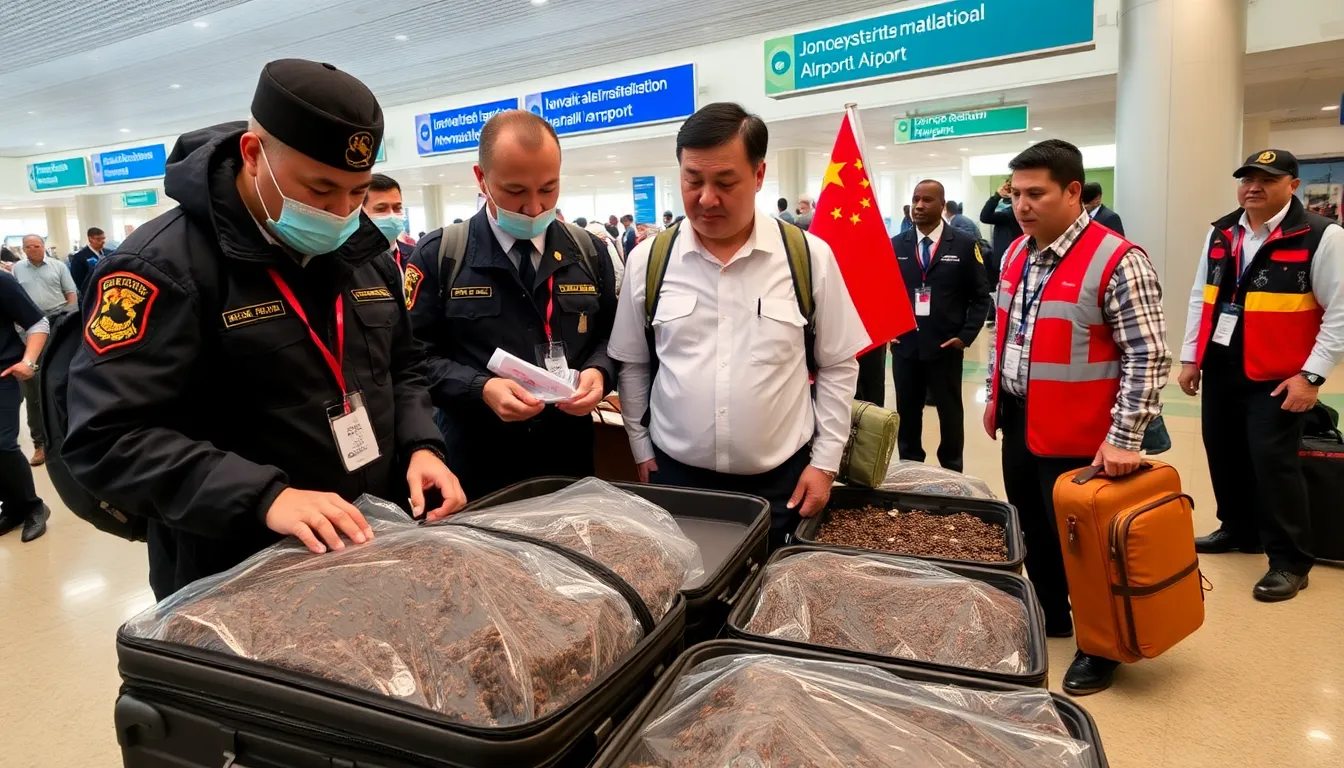
Frequently asked questions about the smuggling case
Key takeaways and future outlook on wildlife trafficking
The recent case of a Chinese national charged with attempting to smuggle 2,000 ants from Kenya highlights the ongoing challenges in wildlife trafficking and the complexities of international regulations. This incident not only raises awareness about the illegal trade of exotic species but also underscores the need for stronger enforcement and collaboration among countries to protect biodiversity.
As the demand for unique species continues to grow, it is crucial to monitor emerging trends in wildlife trafficking. The implications of such activities extend beyond ecological concerns, affecting local economies and global conservation efforts. Future strategies must focus on education, prevention, and international cooperation to combat this persistent issue.
- Increased vigilance at international borders may lead to more arrests and deterrence of wildlife trafficking.
- Heightened awareness campaigns can educate the public on the ecological impact of smuggling exotic species.
- Collaboration between countries can enhance law enforcement capabilities and share intelligence on trafficking networks.
- Monitoring the demand for exotic species will be essential in curbing illegal trade practices.
- Innovative technologies, such as DNA barcoding, could assist in identifying smuggled species more effectively.