
Newcastle capitalized on Arsenal’s defensive lapses during set-piece situations, scoring both of their goals from corner kicks. This marked a stark contrast to Arsenal’s previous performances, where they had successfully utilized set plays to secure victories. The defeat not only halted Arsenal’s perfect record but also raised questions about their defensive organization during crucial moments.
Manager Mikel Arteta expressed disappointment following the match, emphasizing the need for his players to learn from their mistakes. The loss serves as a reminder of the unpredictability of football, where even the most reliable strategies can falter under pressure. With this setback, Arsenal will need to regroup quickly as they prepare for upcoming fixtures in both domestic and European competitions.
This defeat leaves Arsenal with a record of 7 wins and 1 loss in the Premier League, while Newcastle’s victory boosts their position in the league standings. The implications of this match extend beyond just points; it highlights the importance of maintaining focus and discipline in all aspects of the game, particularly during set pieces.
Understanding Arsenal’s strong start to the season
Arsenal’s impressive performance at the beginning of the season can be attributed to a combination of strategic management, player development, and a strong team ethos. Historically, the club has seen fluctuating success, with periods of dominance often followed by challenges.
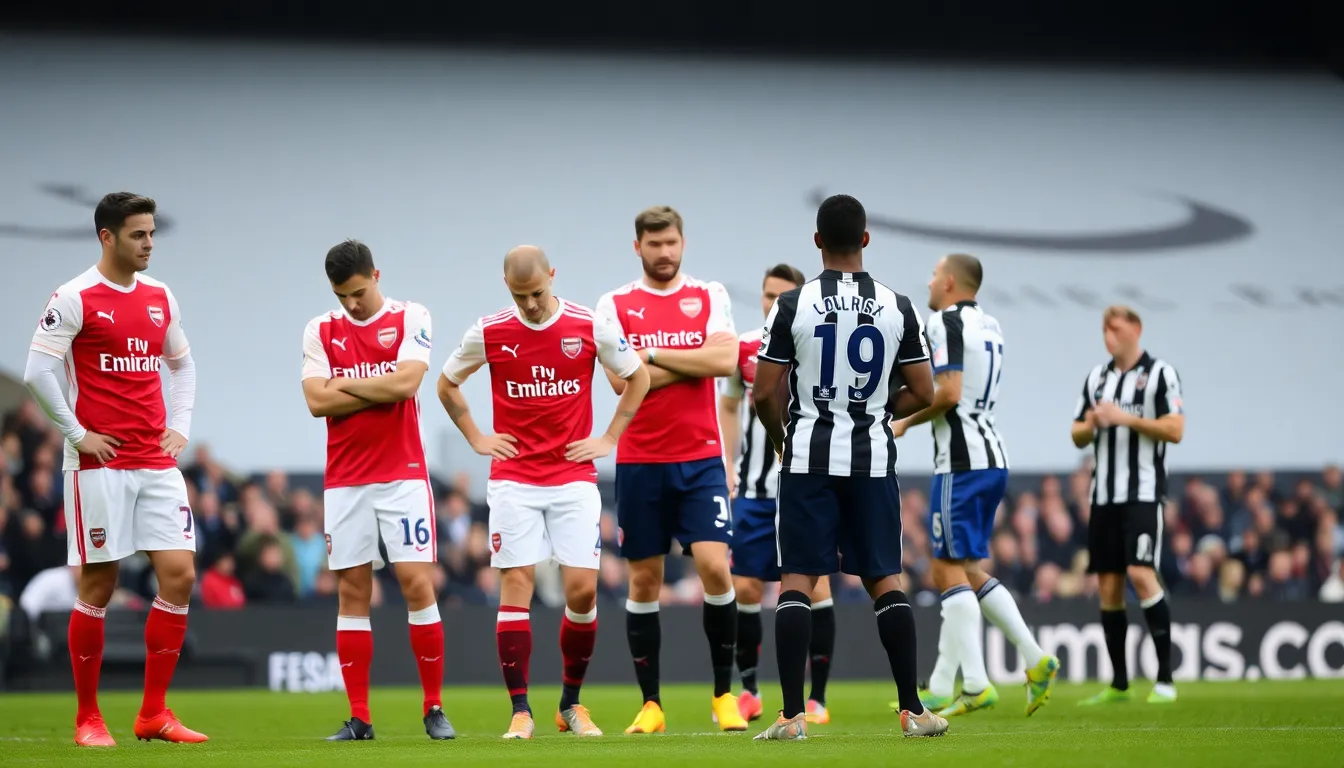
The Gunners began the season with a string of victories, showcasing their attacking prowess and defensive solidity. Key signings and the emergence of young talents have played a pivotal role in this success. Players like Declan Rice and Kai Havertz have not only strengthened the squad but also brought fresh energy and creativity, allowing Arsenal to effectively implement their tactical plans.
However, the reliance on set-pieces as a weapon for scoring goals has become a double-edged sword. While initially yielding positive results, it has also exposed vulnerabilities that opponents have begun to exploit. The recent match where Arsenal’s own set-piece led to a critical goal against them serves as a stark reminder of the unpredictability of football and the importance of maintaining focus in all aspects of the game.
The Evolution of Set-Piece Strategy
Set-pieces have historically been a crucial element of football strategy, often providing teams with valuable scoring opportunities. Arsenal’s approach to set-pieces has evolved over the years, with an emphasis on both offensive and defensive execution. However, the recent incident highlights the need for continuous improvement and adaptation, as teams must learn to balance aggression with caution to avoid self-inflicted setbacks.
Evaluating the implications of set-piece strategies in football
In the world of football, set-pieces can often be a double-edged sword. For Arsenal, a team known for its tactical prowess, the recent match highlighted both the strengths and vulnerabilities of relying heavily on set-piece strategies. The club’s approach to set-pieces, which has been a significant weapon in their arsenal, ultimately backfired, leading to a loss that ended their unbeaten run. This situation raises questions about the broader implications of set-piece execution and its impact on team dynamics.
The primary actors in this scenario include Arsenal Football Club, their coaching staff, and the players, all of whom have a vested interest in maintaining a competitive edge. The coaching staff’s strategies are designed to optimize scoring opportunities, while players must adapt to these tactics in real-time. Additionally, opposing teams are also key stakeholders, as they must develop counter-strategies to neutralize Arsenal’s set-piece threats. This creates a dynamic where each team’s tactical choices can significantly influence match outcomes.
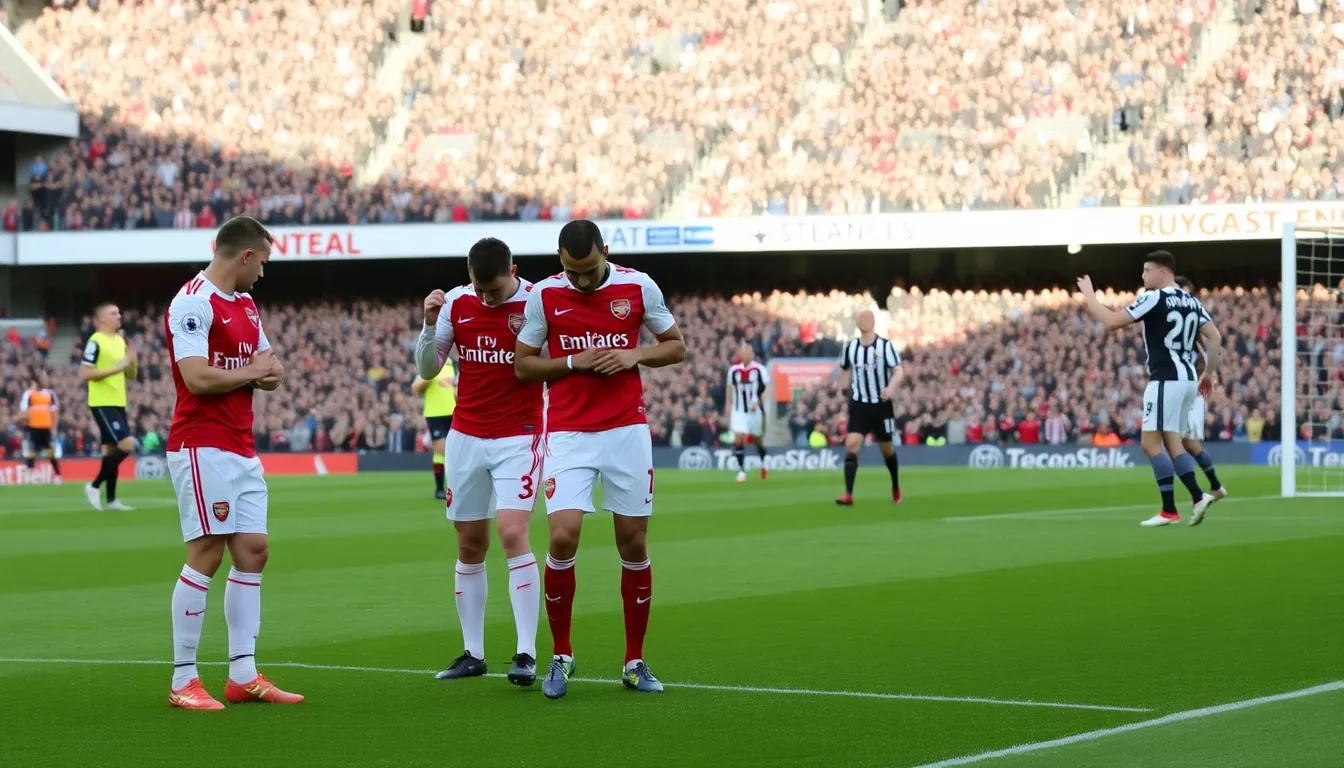
Conflicts arise when the execution of set-piece strategies does not align with the players’ on-field performance. For instance, a poorly executed corner kick can lead to counter-attacks, exposing the team to vulnerabilities. The trade-offs between aggressive offensive play and defensive stability become crucial, particularly in high-stakes matches. Furthermore, the economic implications for clubs like Arsenal are significant; a loss can affect sponsorship deals, ticket sales, and overall brand reputation, emphasizing the need for a balanced approach to set-piece tactics.
- Increased pressure on coaching staff to develop innovative set-piece strategies.
- Potential for player morale issues when tactical plans fail during critical matches.
- Impact on fan expectations as supporters demand consistent performance and results.
- Financial repercussions for the club stemming from poor performances affecting revenue streams.
- Heightened scrutiny from media and analysts on tactical decisions and player execution.
Ultimately, the incident serves as a reminder of the complexities involved in football tactics. While set-pieces can be a source of strength, they also require careful consideration and execution to avoid becoming a liability. As Arsenal reflects on this match, the lessons learned will likely inform future strategies and team preparations, illustrating the intricate balance that exists in competitive football.
The consequences of this loss for Arsenal’s title ambitions
The recent match where Arsenal’s 100% record was ended has significant implications not only for the team but also for various stakeholders involved in the football industry. Fans, local businesses, and even the broader sports community are affected by the outcome of such high-stakes games.
In the short term, Arsenal’s defeat may lead to increased tension among supporters, impacting attendance at future matches and altering fan engagement strategies. Local businesses that thrive on match-day foot traffic, such as pubs and restaurants, could see a dip in revenue as fans may feel less inclined to celebrate or gather after a disappointing result.
In the mid-term, this loss could influence Arsenal’s strategy in upcoming fixtures, potentially leading to shifts in player selection or tactical approaches. The coaching staff may need to reassess their set-piece strategies, which have previously been a strong point, to mitigate the risk of further setbacks. This could also affect player morale and confidence as they navigate the pressure of maintaining title contention.
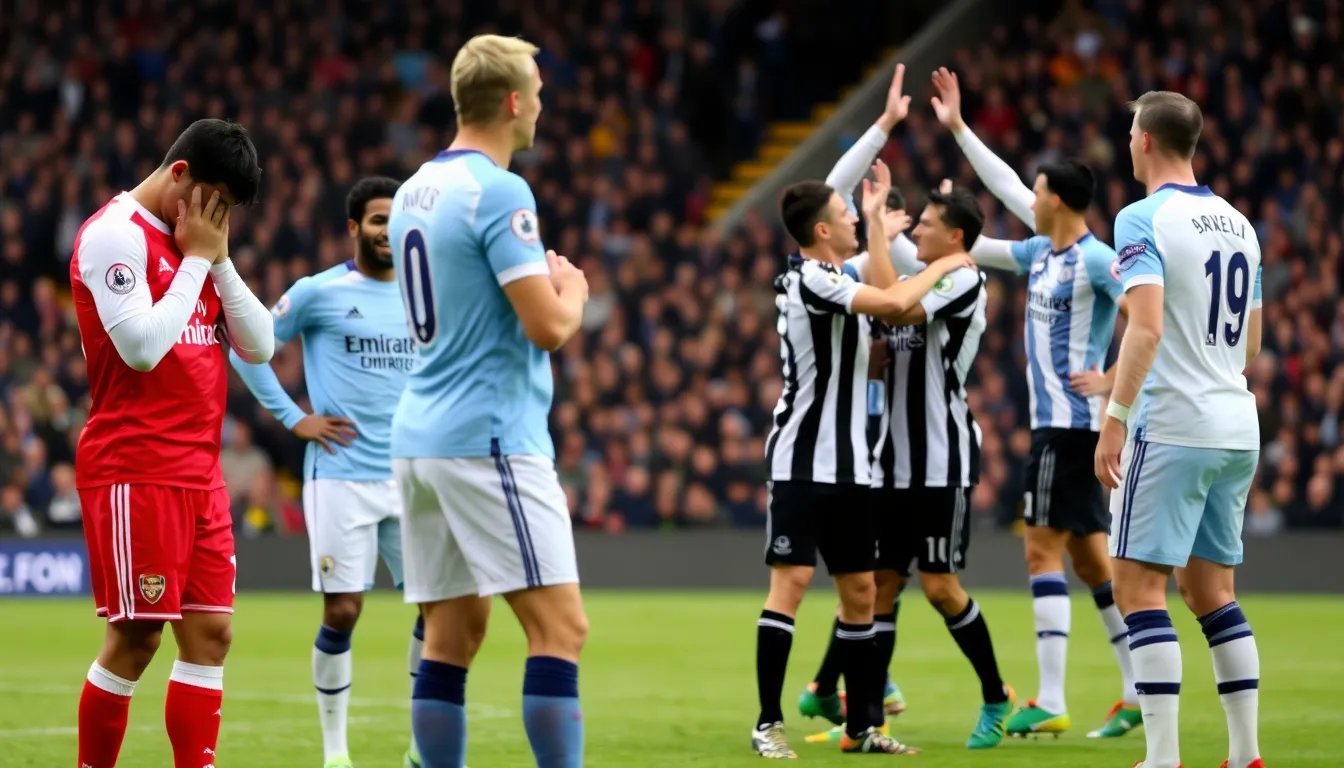
- Fans: Potential decrease in match attendance and engagement.
- Local Businesses: Possible decline in revenue from reduced post-match celebrations.
- Team Strategy: Adjustments in tactics and player roles to recover from the loss.
- Media Coverage: Increased scrutiny and analysis from sports commentators and analysts.
Despite these challenges, there are opportunities for Arsenal to capitalize on this setback. The team can use this moment to strengthen their resolve, engaging with fans to rebuild support and loyalty. Furthermore, the coaching staff can analyze the defeat to improve training methods, potentially leading to more robust performances in the future. The club’s marketing strategies could also pivot to focus on community engagement, fostering a stronger bond with their supporters during this challenging time.
A: Arsenal lost due to a critical error during a set-piece, which allowed the opposing team to score. This unexpected mistake ended their perfect record. A: The defeat raises concerns about their defensive capabilities, which could impact their performance in upcoming matches. Maintaining consistency will be crucial. A: Arsenal needs to reassess their set-piece defense and ensure better communication among players to prevent similar mistakes in the future. A: Despite the loss, some players showed resilience, but the overall team performance was affected by the defensive lapse during the set-piece. A: Arsenal’s next match is scheduled for the upcoming weekend, where they will look to bounce back from this defeat.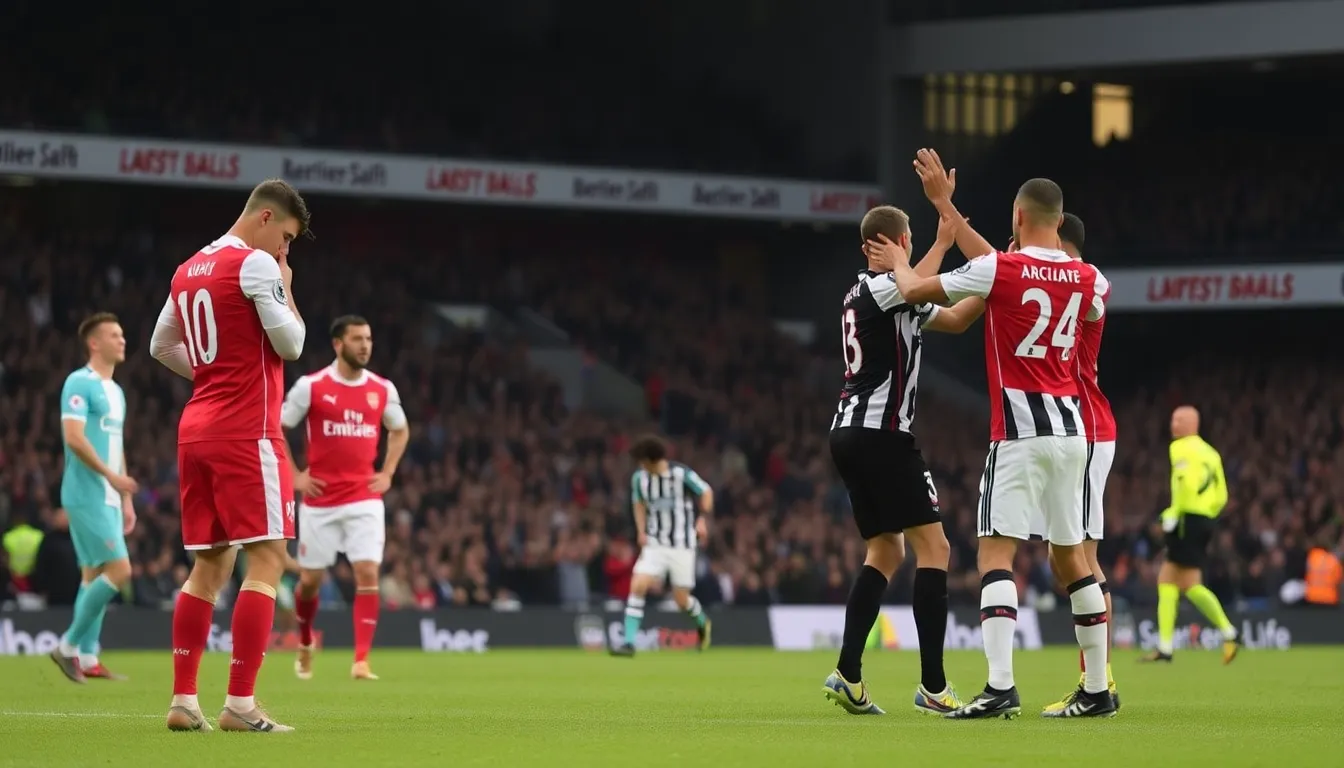
Frequently asked questions about Arsenal’s recent match
Key takeaways and future outlook for Arsenal
Arsenal’s recent match highlighted the vulnerabilities that can arise even from their strongest strategies, particularly their reliance on set-pieces. The unexpected turn of events serves as a reminder that consistency is key in maintaining a winning streak. As the team reflects on this setback, it will be crucial to address both defensive organization and the execution of their own set-piece opportunities.
Looking ahead, Arsenal must focus on reinforcing their defensive structure while also finding ways to adapt their offensive strategies. The lessons learned from this match could lead to a more resilient approach in upcoming fixtures, as the team aims to regain momentum in their campaign.
- Strengthening defensive coordination during set-pieces will be essential to avoid similar pitfalls in future matches.
- Exploring alternative offensive strategies may enhance their adaptability against teams that are well-prepared for set-piece situations.
- Maintaining composure in high-pressure scenarios will be vital for the team’s overall performance and confidence.
- Monitoring player fitness and rotation will help sustain their competitive edge as the season progresses.
- Engaging in thorough analysis of recent performances can provide insights that inform tactical adjustments moving forward.