
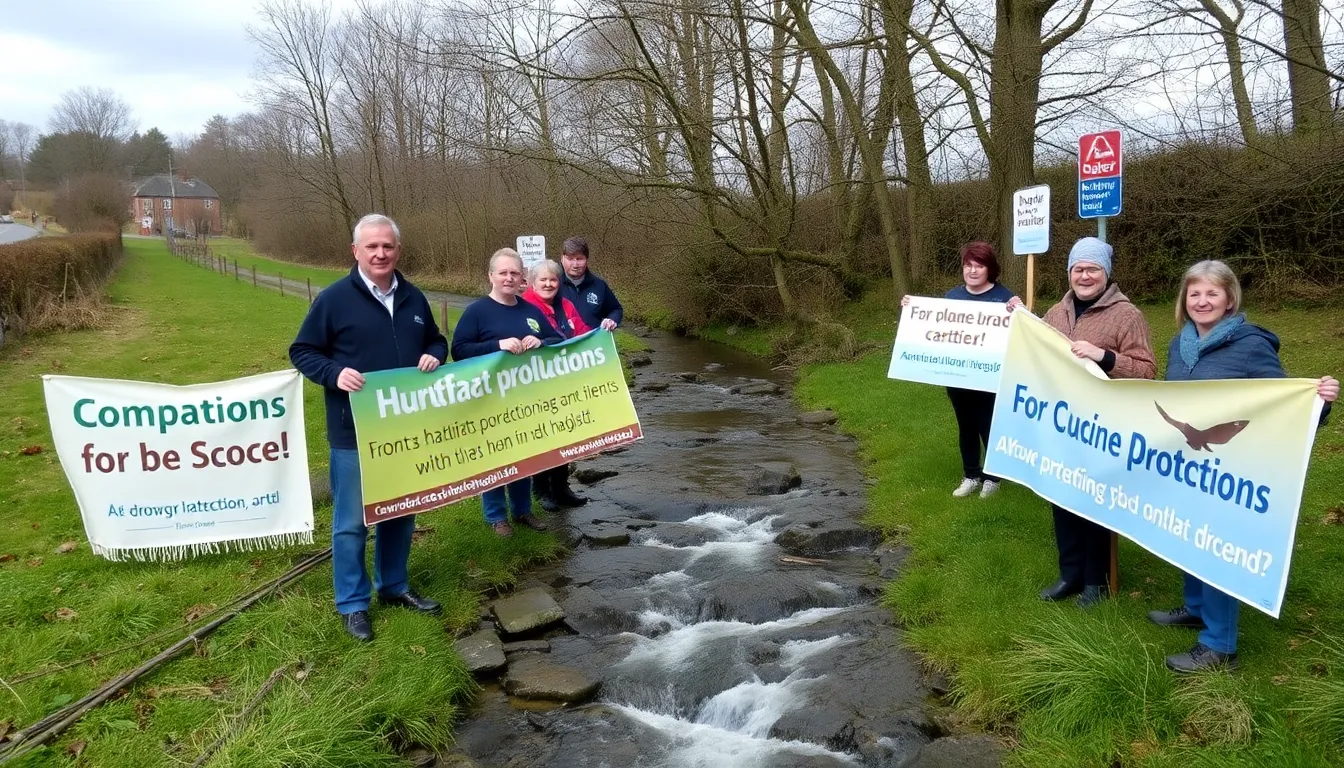
Current challenges facing chalk streams
Chalk streams, which are unique freshwater ecosystems found primarily in southern England, are currently facing significant threats due to pollution, over-extraction of water, and habitat degradation. These streams, known for their clear, mineral-rich waters and diverse wildlife, are vital for both biodiversity and local communities. Recent reports indicate that over 85% of these streams are classified as “not in good ecological condition,” raising alarm among environmental advocates.
Campaigners are increasingly vocal about the need for stronger protections for these fragile environments. In September 2023, a coalition of environmental organizations, including the Rivers Trust and the Wildlife Trusts, launched a campaign aimed at raising public awareness and urging governmental action. Their efforts coincide with the UK government’s commitment to improving water quality and biodiversity, but many argue that current measures are insufficient.
One of the key issues highlighted by campaigners is the impact of agricultural runoff, which contributes to nutrient pollution in chalk streams. This runoff often leads to algal blooms, which can deplete oxygen levels and harm aquatic life. Additionally, the excessive abstraction of water for agricultural and urban use has led to reduced flow rates, further stressing these ecosystems.
Local communities are also feeling the effects, as chalk streams are integral to recreational activities, tourism, and the overall health of the landscape. With the UK’s chalk streams facing unprecedented pressures, the need for effective management and conservation strategies has never been more urgent. The outcome of ongoing discussions and potential legislative changes will be crucial in determining the future of these vital waterways.
Understanding the significance of chalk streams
Chalk streams are unique freshwater ecosystems found primarily in southern England, characterized by their clear, mineral-rich waters that flow from the chalk aquifers beneath the ground. These streams are not only vital for biodiversity, supporting a range of species including trout and various invertebrates, but they also hold significant cultural and historical value. Historically, chalk streams have been integral to local communities, providing water for agriculture, industry, and recreation.
The importance of chalk streams has been recognized since the 19th century, leading to various conservation efforts. However, the pressures from agricultural runoff, urban development, and water extraction have increasingly threatened their health. The introduction of policies aimed at protecting these ecosystems has been sporadic and often insufficient, leading to a decline in water quality and habitat availability.
Key Milestones in Chalk Stream Conservation
In the late 20th century, several key milestones marked the beginning of more structured conservation efforts. The establishment of the National Rivers Authority in 1989 was a significant step towards monitoring and managing the water resources of chalk streams. This was followed by the implementation of the Water Framework Directive in 2000, which aimed to improve water quality across Europe, including that of chalk streams.
Despite these advancements, campaigners argue that more needs to be done. Recent years have seen a surge in public awareness and activism regarding environmental issues, leading to renewed calls for stronger protections for chalk streams. The growing recognition of the ecological and cultural importance of these waterways has prompted local communities and conservation groups to advocate for legislative changes that prioritize sustainable water management practices.
As the climate crisis intensifies, the urgency to protect chalk streams has become even more pronounced. The interplay between water scarcity and ecosystem health underscores the need for a comprehensive approach to conservation that addresses both environmental and socio-economic factors. This evolving landscape of advocacy reflects a broader societal shift towards valuing and preserving natural resources for future generations.
Key stakeholders and their positions on chalk stream protection
Chalk streams, unique ecosystems found primarily in southern England, are under increasing pressure from various stakeholders. The main actors involved in the campaign for their protection include environmental organizations, local communities, government agencies, and water companies. Each of these groups has distinct interests and perspectives that influence the ongoing discourse surrounding chalk stream conservation.
Environmental organizations, such as the Wildlife Trusts and the Rivers Trust, advocate for stronger regulations and conservation measures to protect these delicate ecosystems. Their primary interest lies in preserving biodiversity and ensuring sustainable water management practices. They highlight the ecological significance of chalk streams, which support diverse flora and fauna, and argue that current policies are insufficient to safeguard these habitats.
Local communities also play a crucial role in the conversation. Many residents rely on chalk streams for recreational activities, such as fishing and walking, and are concerned about the impact of pollution and over-extraction of water. Their interests often align with those of environmental organizations, as they seek to maintain the health of their local environment. However, there can be tensions between community interests and those of water companies, which may prioritize economic gains over ecological considerations.
- Water companies face pressure to balance the demand for water supply with the need to protect chalk streams from over-extraction.
- Government agencies, including the Environment Agency, are tasked with enforcing regulations but often struggle with limited resources and competing priorities.
- Conflicts arise over land use and agricultural practices, which can lead to pollution and water quality issues in chalk streams.
- Economic considerations, such as the cost of implementing conservation measures, often complicate the decision-making process.
- Legal frameworks surrounding water rights and environmental protection are critical in determining the effectiveness of conservation efforts.
As the dialogue continues, it is essential for all stakeholders to engage in constructive discussions to find common ground. By understanding the diverse interests and potential conflicts at play, there is an opportunity to develop more effective strategies for the protection of chalk streams, ensuring their preservation for future generations.
Who is affected by the decline of chalk streams
The decline of chalk streams impacts a diverse range of groups, including local communities, environmental organizations, and industries reliant on water resources. Regions with significant chalk stream ecosystems, particularly in southern England, face the most immediate consequences. These streams are critical not only for biodiversity but also for recreational activities and local economies.
In the short term, the deterioration of chalk streams can disrupt daily life for residents who depend on these waterways for leisure activities such as fishing, kayaking, and walking along scenic riverbanks. Local businesses, particularly those in tourism and hospitality, may experience a decline in visitors, affecting their revenue and employment levels.
Mid-term impacts may include shifts in agricultural practices as farmers adapt to changing water availability. This could lead to increased costs for irrigation and a potential decline in crop yields. Additionally, policy changes aimed at better protecting these ecosystems may require industries to adjust their practices, which could involve both challenges and opportunities for innovation.
- Risks: Decreased water quality and availability, loss of biodiversity, economic downturns in tourism and agriculture.
- Opportunities: Increased investment in sustainable practices, potential for eco-tourism growth, and enhanced community engagement in conservation efforts.
Overall, the push to protect chalk streams highlights the interconnectedness of environmental health and economic stability, underscoring the need for collaborative efforts among stakeholders to address these challenges effectively.
Frequently asked questions about chalk streams
A: Chalk streams are unique freshwater ecosystems that flow over chalk bedrock, characterized by clear, mineral-rich waters. They support diverse wildlife and are crucial for local biodiversity.
A: Chalk streams face threats from pollution, over-abstraction of water, and habitat degradation, which jeopardize their ecological balance and health.
A: Campaigners are pushing for stricter regulations on water extraction, improved pollution controls, and restoration projects to enhance the health of these ecosystems.
A: Various environmental organizations, local communities, and conservationists are leading the campaign to raise awareness and advocate for policy changes regarding chalk streams.
A: Individuals can help by supporting conservation organizations, participating in local clean-up events, and advocating for sustainable water use in their communities.
Future outlook for chalk stream conservation
The ongoing efforts by campaigners to enhance the protection of chalk streams highlight a growing recognition of their ecological importance and the urgent need for sustainable water management practices. As these unique habitats face increasing pressures from pollution, abstraction, and climate change, the call for stronger regulatory frameworks and community involvement becomes more critical. The path forward will likely involve collaborative strategies that engage stakeholders at all levels, from local communities to governmental bodies.
Monitoring the effectiveness of newly proposed conservation measures will be essential. The success of these initiatives will depend on a balanced approach that not only safeguards the delicate ecosystems of chalk streams but also considers the needs of the surrounding human populations that rely on these water sources.
- Increased collaboration among stakeholders will be vital for effective conservation efforts.
- Monitoring and assessment of chalk stream health will provide insights into the effectiveness of implemented measures.
- Public awareness campaigns can foster community involvement and support for conservation initiatives.
- Regulatory frameworks may evolve to incorporate stricter guidelines for water usage and pollution control.
- Future research will be necessary to adapt conservation strategies to the impacts of climate change on these ecosystems.