
Studies indicate that approximately 10% of women of reproductive age suffer from endometriosis, a condition that can cause severe pain during menstruation. However, many patients report that their concerns are often minimized, with doctors suggesting psychological factors rather than exploring potential physical causes. This has led to feelings of frustration and helplessness among those affected. To learn more about this condition, refer to organizations like the Endometriosis Foundation of America.
Organizations such as the Endometriosis Foundation of America have been actively working to raise awareness and promote education about this condition. They emphasize the need for healthcare professionals to take patients’ reports of pain seriously and to consider a comprehensive approach to diagnosis and treatment. The conversation around menstrual health is evolving, but significant gaps remain in how symptoms are perceived and addressed.
As of October 2023, advocacy groups are calling for systemic changes within healthcare to ensure that menstrual pain is treated with the seriousness it deserves. This includes training for medical professionals on the complexities of menstrual health and the importance of listening to patients’ experiences. The ongoing dialogue is crucial in shifting the narrative and improving care for those suffering from severe period pain.
Historical context of women’s health and pain management
Throughout history, women’s health issues, particularly those related to menstruation and reproductive health, have often been marginalized or misunderstood. For centuries, societal attitudes towards women’s pain have been influenced by cultural stigmas and a lack of scientific understanding. This has led to a pervasive belief that women exaggerate their discomfort, often attributing it to psychological factors rather than physiological ones. Addressing these attitudes is crucial for creating a more informed conversation around women’s health.

The medical community’s approach to women’s pain has evolved, but significant gaps remain. In the late 19th and early 20th centuries, conditions like endometriosis and fibroids were largely unrecognized, and women suffering from severe menstrual pain were frequently dismissed as being overly emotional or anxious. This dismissal was not only a reflection of the medical knowledge of the time but also of the broader societal views that minimized women’s experiences and voices.
In the 1970s and 1980s, the feminist movement brought attention to women’s health issues, advocating for better research and treatment options. This period saw the emergence of more comprehensive studies on menstrual health, leading to a greater awareness of conditions that can cause excruciating pain. However, many women still report feeling unheard or invalidated by healthcare providers when discussing their symptoms, a trend that persists in today’s medical landscape.
The impact of societal perceptions
Societal perceptions of women’s health continue to shape the experiences of those suffering from menstrual pain. Research indicates that women are often more likely to be prescribed antidepressants than effective pain management solutions when they report severe menstrual discomfort. This trend highlights a troubling intersection of gender bias in healthcare, where women’s pain is frequently linked to mental health rather than treated as a legitimate medical issue. As a result, many women face significant barriers to receiving appropriate care, perpetuating a cycle of suffering and misunderstanding.
Key stakeholders in the debate over period pain diagnosis
The discussion surrounding the diagnosis of period pain, particularly when it is dismissed as anxiety, involves several key stakeholders. These include patients, healthcare professionals, medical organizations, and policymakers. Each group has its own interests and perspectives, which can lead to conflicts and trade-offs in understanding and treating menstrual pain.
Patients experiencing severe period pain often seek validation and effective treatment for their symptoms. When their pain is attributed to anxiety, it can lead to feelings of frustration and distrust towards healthcare providers. This situation highlights the need for a more nuanced understanding of menstrual health and the importance of listening to patients’ experiences.

Healthcare professionals, including doctors and specialists, play a crucial role in diagnosing and treating period pain. Their interests lie in providing accurate diagnoses while managing their time and resources effectively. However, there can be a conflict between evidence-based practices and the subjective nature of pain, which may lead some practitioners to inadvertently dismiss patients’ concerns.
Medical organizations and governing bodies have a vested interest in establishing guidelines for the diagnosis and treatment of menstrual pain. They aim to promote best practices and ensure that healthcare providers are adequately trained to recognize and address conditions like endometriosis and other causes of severe menstrual pain. However, inconsistencies in training and awareness can lead to varying levels of care across different regions.
- Patient Advocacy: Patients are increasingly advocating for recognition of their pain and better treatment options.
- Healthcare Training: There is a growing need for improved training for healthcare providers on menstrual health issues.
- Policy Development: Policymakers are faced with the challenge of developing guidelines that address both medical and mental health aspects of period pain.
- Research Funding: Increased funding for research into menstrual pain and related conditions is essential for advancing understanding and treatment.
- Insurance Coverage: The debate over insurance coverage for treatments related to menstrual pain is an ongoing economic issue.
How misdiagnosis affects women’s health and treatment options
The issue of misdiagnosing period pain as anxiety affects a wide range of individuals and sectors. Primarily, women experiencing severe menstrual discomfort are the most directly impacted, often leading to a cycle of frustration and inadequate treatment. This misdiagnosis can also extend to healthcare providers, who may struggle with understanding the complexities of women’s health issues, thus affecting their ability to offer appropriate care. For more insights on this topic, consider exploring articles related to women’s health initiatives.
In the short term, women facing this misdiagnosis may experience heightened physical and emotional distress, leading to decreased productivity at work or school. This can further exacerbate feelings of isolation and anxiety, creating a detrimental cycle. In the mid-term, the healthcare system may face increased costs due to repeated visits and treatments that do not address the underlying issues, thereby straining resources and affecting overall patient care.

Industries related to women’s health, such as pharmaceuticals and wellness products, may also feel the impact. Misdiagnosis can lead to a lack of trust in medical advice, prompting women to seek alternative treatments, which can either be beneficial or harmful. Additionally, there is a risk of reinforcing stigma around women’s health issues, making it harder for individuals to seek help.
- Short-term impacts: Increased emotional distress and decreased productivity.
- Mid-term impacts: Strained healthcare resources and potential financial burdens.
- Risks: Reinforcement of stigma around women’s health issues.
- Opportunities: Increased demand for education and awareness initiatives in women’s health.
As awareness grows, there is potential for policy changes that prioritize women’s health education and training for healthcare providers. This could lead to improved diagnostic practices and better treatment options, ultimately benefiting the affected individuals and the healthcare system as a whole.
A: Severe period pain, also known as dysmenorrhea, can include intense cramping, lower back pain, and nausea. These symptoms can significantly impact daily activities and quality of life. A: Some doctors may attribute period pain to anxiety due to a lack of understanding of gynecological conditions or because they believe psychological factors can exacerbate physical symptoms. A: If your pain is dismissed, seek a second opinion from a specialist in women’s health. Keeping a detailed record of your symptoms can also help in discussions with healthcare providers. A: Yes, treatments can include over-the-counter pain relievers, hormonal therapies, and lifestyle changes. In some cases, medical procedures may be necessary to address underlying conditions. A: Prepare for appointments by documenting your symptoms and concerns. Be assertive in communicating your experiences and do not hesitate to ask for further tests or referrals.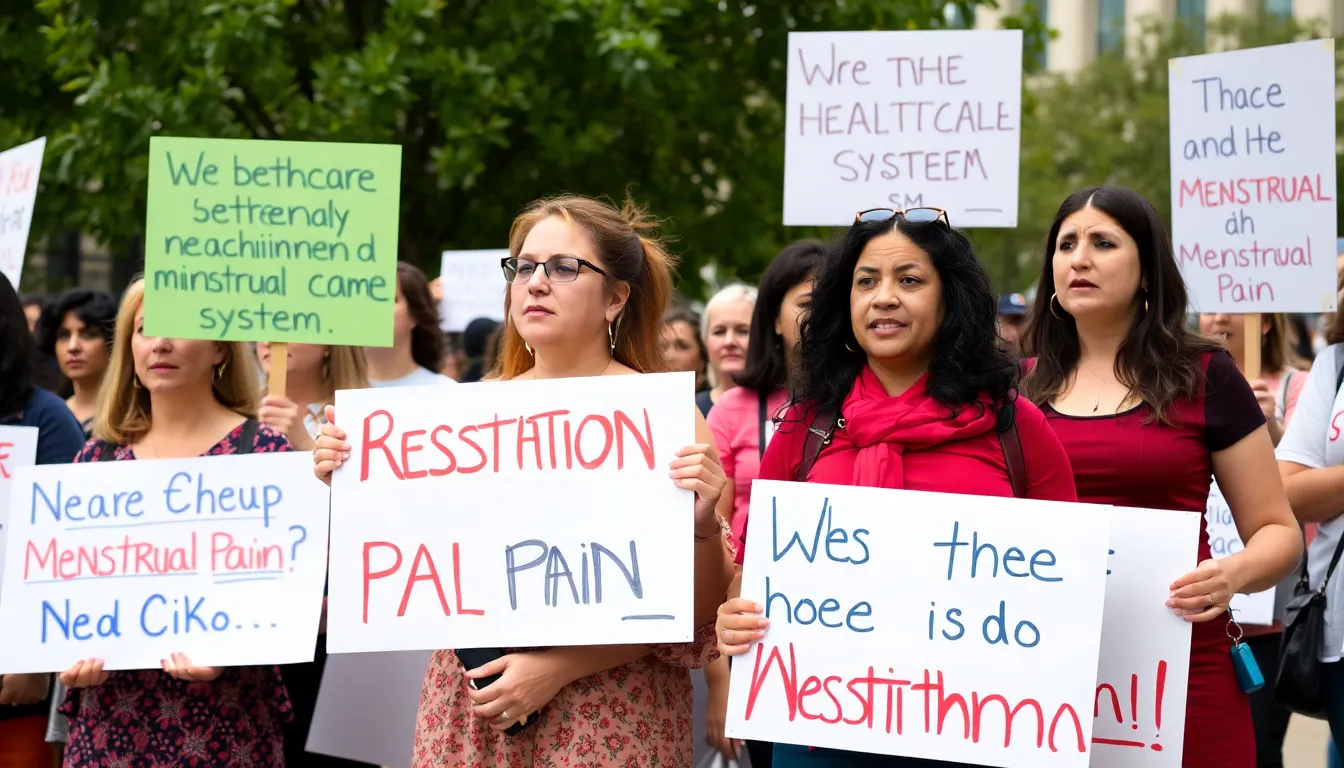
Frequently Asked Questions about Period Pain and Anxiety
Looking ahead: Improving diagnosis and treatment for women’s pain
The experiences shared by those suffering from debilitating period pain highlight a critical gap in the understanding and treatment of women’s health issues. Often dismissed as anxiety or psychological in nature, these symptoms can lead to misdiagnosis and inadequate care. As awareness grows, it becomes imperative for healthcare professionals to adopt a more holistic approach that considers both physical and emotional factors in women’s health.
Moving forward, there is a pressing need for improved education among healthcare providers regarding the complexities of menstrual pain and its potential underlying causes. This shift could lead to more accurate diagnoses and effective treatment options, ultimately empowering women to advocate for their health and well-being.
- Increased awareness: Encourage open discussions about menstrual pain to reduce stigma and promote understanding.
- Advocacy for better training: Healthcare professionals should receive comprehensive training on women’s health issues to improve diagnostic accuracy.
- Personalized treatment plans: Emphasize the importance of tailored approaches that consider individual experiences and symptoms.
- Research and funding: Support initiatives aimed at researching menstrual health to develop innovative treatment options.
- Patient empowerment: Encourage women to seek second opinions and advocate for their health needs effectively.